




'Rarely have we seen such a well-resourced offering for future planning'
The Good Schools Guide 2026
A major aspect of the work of the Community Office is to support the students whilst they are at College as well as the years after, particularly with the transition from university to the world of work. We deliver this in two main ways; the ‘Life beyond Wellington’ programme and Wellington Connect -our global networking site.
The programme consists of fun and inspiring sessions on both life skills as well as more career specific sessions and aims to equip students with the skills and understanding about the ‘real’ world so they can shape what they do at College with an eye on their life beyond their time at Wellington. For young OWs the sessions are insightful and inspirational as they make their transition into the working world and beyond.
All the face-to-face networking and careers advice delivered under the ‘Life beyond Wellington’ programme is backed up by our online platform Wellington Connect which is an extraordinary professional networking platform for 6th formers, OWs and parents. Through the platform OWs can reach out for advice, work experience, help with CVs and much more – currently there are nearly 5,500 parents and OWs offering mentoring and guidance.
“I write to thank you for a most enjoyable evening, and it was good to catch up with old friends and meet current pupils who are considering a career in property.”
OW Tim Edwards (O 86)
'Leads the charge on US applications'
The Good Schools Guide 2026
“In 2021 I contacted an OW with regards to studying medicine at University. I was interested in gaining clinical psychology work experience for the summer in order to improve my university application and personal statement. I chose to contact this user as I wanted to gain work experience with a doctor working in the area of palliative care or neurology, as these are both key areas of interest for me. He was very helpful, and I secured the work experience, he also gave me some advice about applying to Oxford University. I would definitely recommend Wellington connect to current and old Wellingtonians. Whilst at Wellington College I did so to fellow members of my year who were also interested in studying medicine as I found it to be an invaluable resource for connecting with people in the career that I was interested in studying .At the beginning of last year I also organised a discussion with 5 OW medical students for the Medical Society when at College. I contacted them via Wellington connect, and then using LinkedIn, and it was very successful.”
– OW Amelia Hutton (W 22)
“Thank you very much for a very enjoyable evening last night - I enjoyed chatting with Murray and also meeting lots of young enthusiastic marketeers!”
Current Parent Antonia Kerr May 2022
Hear from our Alumni
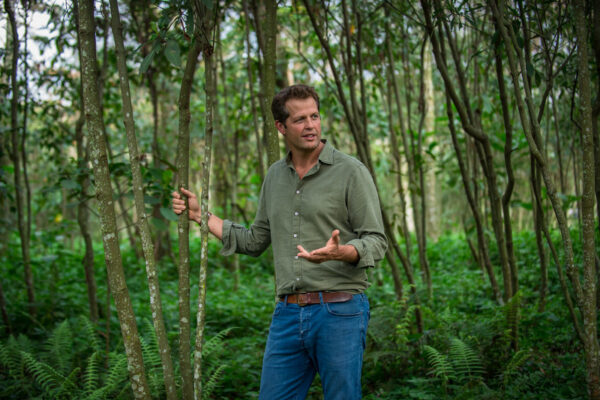
“Investing in and supporting your team, even in difficult times, pays back in commitment and performance.”
Tim Warrillow
Orange '93
Read more
Tim Warrillow
Orange '93
What started your entrepreneurial career?
My first attempt at a money making venture was an ‘after hours’ pizza delivery business whilst at Wellington, it involved persuading the local pizza delivery company to deliver pizzas in the cover of darkness. Much to their surprise the instruction was that they had to approach the main gate quietly without turning headlights on and we would let them know which window to deliver to by flashing a torch. The first delivery was a great success and so word got round and the second order was an enormous one where they had to pull in some additional delivery cars, sadly word also got round to a few members of staff who caught us mid delivery, the result was a lot of very dissatisfied customers and an early lesson in handling customer complaints!
However my first real entrepreneurial experience came at University where a friend and I started a small waitering agency business, this got a bit of traction and also caught the interest of my lecturers and formed the basis of my dissertation, this early experience really whet my appetite for an entrepreneurial career and whilst I went into advertising after leaving University, my desire to start a business had never left and I gave it up after only a couple of years to pursue one of the many business plans I had been busy scribbling at nights and weekends. This ultimately resulted in my making contact with my business partner Charles and the formation of Fever-Tree.
How did you get your idea or concept for the business?
It was very much a meeting of minds, I met Charles for a coffee to talk about the opportunities in the gin world, however over that first coffee the conversation turned from gin to tonic, we both had looked at the tonic category from different perspectives and clearly shared the same view. The movement towards higher quality ingredients, craft and provenance that was sweeping the drinks industry had passed the mixer category by – it had become a long forgotten, overlooked category dominated by large multinationals, who had ultimately ended up focussing more on manufacturing efficiency than quality or flavour. It struck us as extraordinary that people were paying good money for high-quality spirits yet had no choice but to drown them with increasingly poor quality and increasingly artificial mixers. Afterall, we reasoned, if ¾ of your Gin & Tonic is Tonic, surely the quality of the tonic should be as important as the quality of the gin.
How did you get initial traction?
Determination and a bit of good fortune is the short answer. We spent a long painstaking 18 months developing our first product, this involved a great deal of research both in libraries and in the field. Including scouring the world to find the very best ingredients, taking us to some of the most remote and dangerous places, most memorable being a trip to one of most lawless parts of the world the Democratic Republic of Congo to go and find our quinine. However, clearly having the finest ingredients a good tasting product is one thing, finding customers is quite another. In the early stages winning customers involved a great deal of shoe leather, as we set out to try to get interest from the key influencers of our trade, the bartenders, the chefs and the drinks journalists. Whilst we did make good progress across some of London’s top hotels, bars and restaurant, a fortuitous break came when we got an unexpected call from the Waitrose buyer who had read one small article about our product and prompted her to get in contact, this fortunately resulted in a National listing across Waitrose.
Did you / do you have a mentor?
I don’t have a mentor as such, I grew up in a very entrepreneurial family my father started and ran a very successful business, which I found inspiring. Business ideas were and still are an everyday conversation at home and were always encouraged, this undoubtedly had a very motivating effect.
Otherwise, I have also benefited along the way from the advice of my business partner Charles, he already had a successful entrepreneurial drinks background and his experience was invaluable.
Although, most influential of all has been my wife who has provided unwavering support and council throughout, particularly impressive bearing in mind our first child was born as the business launched!
What habits helped make you successful?
I was diagnosed as being hyperactive as a child, which as I have been reminded of many times from my parents made me an exhausting child to have around, I required constant entertainment morning noon and night, in fact my parents had a 10 year gap before having my younger brother which they always said was a much needed break after having me! However ironically I think that energy has proved a useful trait when you are starting a business from scratch.
What is the best business decision you have ever made and why?
From a business perspective, no question the best decision I made was to contact my business partner Charles and I remain very thankful that he was prepared to put up with me – he has my wife’s full sympathy!
How did the pandemic affect you and your business?
The pandemic was an extremely testing time from a business perspective. Prior to it, around half of our business was based on sales to the hotel, bar and restaurant trade worldwide, so having 50% of our business effectively shut down overnight was a daunting prospect.
Despite this, we made the decision not to furlough anyone. Those whose roles became nearly redundant, such as our hospitality sales team, were retrained in different areas of the business and encouraged to volunteer for charitable initiatives like ‘Support the NHS’. The security and support we provided were more than repaid by the extraordinary efforts of our team, who rose to the challenges of constant lockdowns and ever-changing rules and regulations.
A special thank you also goes to those who treated themselves to a well-earned drink at home during that period. This became a global trend and, remarkably, helped us recover much of the lost hospitality business.
From a personal perspective, it depended on who you asked. I enjoyed spending more time at home and being with the family, although I suspect they missed me travelling.
"Rather than focusing on isolated habitats or piecemeal projects, the wholescape approach looks at the bigger picture. It recognises how deeply our lives and well-being are woven into the fabric of nature , and it calls for integrated, ambitious solutions that restore ecosystems, tackle climate change and support thriving communities all at once."
Lucy Lee
Apsley '98
Read more
Lucy Lee
Apsley '98
Can you please tell us a bit more about yourself and what you do?
I’m currently UK Chief Advisor at WWF-UK, where I lead our domestic conservation efforts. Over the past two years, my team and I have been pioneering what we call a ‘wholescape’ approach – a bold, new way of looking at conservation that treats our natural world as a vibrant, interconnected system.
Rather than focusing on isolated habitats or piecemeal projects, the wholescape approach looks at the bigger picture. It recognises how deeply our lives and well-being are woven into the fabric of nature, and it calls for integrated, ambitious solutions that restore ecosystems, tackle climate change and support thriving communities all at once.
By shifting our perspective to encompass entire landscapes, we unleash innovative thinking and collaborative action – helping deliver real, lasting impact for both people and the planet. It’s an exciting time to be leading this transformative work, as every step forward brings us closer to a world where nature and humanity flourish together.
What inspired you to work in sustainability?
A love of rivers! There’s something magical about being near water. From a young age, I was fascinated by the way that rivers carve new paths and the hidden life that they support. One trip I’ll never forget was to a chalk stream in the South East of England. The water was crystal clear, shoals of fish darting around aquatic plants, insects skimming the water, everything in perfect harmony. That experience really opened my eyes to just how special our UK rivers are.
As I got older, I couldn’t ignore the challenges our waterways face: pollution from sewage, rivers straightened and blocked so fish can’t reach their spawning grounds, natural habitats disappearing. It made me determined to help turn things around. I knew I wanted to be part of the effort to restore our rivers and protect these wild, wonderful places for future generations.
What is your career highlight so far?
Selecting only one experience is challenging, several stand out:
- Attending the opening of WWF’s Living Planet Centre in Woking and listening to Sir David Attenborough deliver an inspiring address. Hearing his passion in person left a lasting impression.
- Contributing at Defra to the launch of a new set of climate projections, which provided valuable insights into how government integrates science into policy development to drive national change.
- Leading WWF’s advocacy efforts on both the Water Act (2015) and Environment Act (2021). It was particularly rewarding to witness parliamentary discussions regarding amendments developed in collaboration with colleagues, some of which were ultimately included in the final legislation.
- Facilitating business engagement through the creation of a leather buyers’ platform, bringing companies sourcing leather from India together to leverage their influence and investment to reduce the environmental impact of leather production on the Ganges River.
What would you say are ‘must-have’ skills for young people today?
I believe adaptability, resilience and empathy are essential life skills. The world is changing rapidly, and those who can learn continuously, bounce back from setbacks and understand the perspectives of others will be well-equipped to navigate complex challenges, especially in sustainability.
What is the best piece of advice you have been given?
The best piece of advice I have been given is: “Stay curious and don’t be afraid to ask questions.” This simple wisdom has encouraged me to seek out new learning opportunities, challenge assumptions and remain open to fresh ideas – qualities that are invaluable in a field that is constantly evolving.
Do you have a fond memory from your time at Wellington that you would like to share or a particular teacher that stood out?
Reflecting on my time at Wellington, I am especially grateful to my Geography teachers, Mr Martin and Mr Fowler. Their passion for the subject helped to ignite mine and played a pivotal role in my decision to study Geography at university. Their guidance and encouragement therefore set me on the path for my career today and I will be forever grateful for that.
Featured in the 2024 – 2025 Yearbook.

"A career highlight for me is playing a role in supporting companies in the political arena to help the UK meet its climate and net zero commitments"
James Nason
Orange '89
Read more
James Nason
Orange '89
Can you tell us a bit more about yourself and what you do? What inspired you?
I’ve worked as a political lobbyist for over 25 years across a wide range of industry sectors with a focus on UK politics. I’ve always been in consultancies with offices in Brussels and sometimes Washington DC and Beijing, so have an appreciation of international politics too.
A level Politics classes at Wellington certainly inspired me (taught by Mr Lovat and Mr Dyer) to look at lobbying as a possible career. I took a gap year after leaving Wellington in summer 1989 and one of the internships I did during that time was working in the Conservative Research Department at Conservative Central Office (now Conservative Campaign HQ). I met a few lobbyists during the internship and so after studying Politics at Bristol University I dived straight into consultancy. I’ve always tried to soak up as much political experience as possible, so volunteered to work on general, European and local election campaigns, and went to the US to assist in two presidential elections campaigns in Connecticut and in Virginia.
Since the early 1990s, I’ve also supported my wife – Rowena Colthurst – in running and restoring the Pitchford Estate in Shropshire. It’s a 1,000-acre agricultural Estate with a Grade I listed historic house – Pitchford Hall – at its heart. Old barns have been transformed into holiday cottages and we host a 50-acre solar farm, which helps power thousands of homes with clean energy. Restoring and enhancing nature on the Estate has been an important focus and we’ve tried to run the Estate in a sustainable way at the same time as we’re witnessing the impacts of climate change on this part of South Shropshire.
What’s been a career highlight so far?
Playing a role, albeit a small one, in supporting companies in the political arena which will help the UK meet its climate and net zero commitments. The UK was first to industrialise – Ironbridge in Shropshire calls itself the birthplace of the Industrial Revolution – and I feel it’s right for the UK to help lead the way on climate change mitigation.
I’ve worked with wind and solar energy companies and trade associations to bring significant amounts of renewable energy to the UK grid. I’ve also advised companies such as Nissan and BYD in terms of their efforts to decarbonise and electrify road transport in the UK. More recently, I’ve worked with companies that are seeking to decarbonise heating, perhaps one of the most challenging sectors to tackle emissions in terms of British homes, where we’re largely dependent on fossil fuels.
These companies all have had to interact with policy and regulation made in Westminster and Whitehall by politicians, officials and regulators, and my role has to been to support this process and intermediate between politics and business.
What would you say are essential life skills or traits for young people today?
Determination, perseverance, resilience and enthusiasm. Also a recognition that hopefully you’ll have a long career and that gratification and reward might take time but are worth it.
What’s the best piece of advice you’ve been given?
Work hard! And always try and remain optimistic, even after knockbacks.
Do you have a fond memory from your time at Wellington – or a particular teacher who stood out?
Mr Lovat, one of my excellent Politics teachers (mentioned above) particularly loved US politics. His classroom walls were adorned with US political posters from presidential campaigns. We studied JFK, Nixon and Reagan, but the posters brought these campaigns to life for me and his passion for the subject. I can picture the classroom now and through OW events have been able to thank Mr Lovat face to face for helping me find a career path that has ultimately enriched my life.
When you are at Wellington, you perhaps underappreciate the beauty of the main College buildings and the campus, but the importance of good architecture and beauty has been a guide for me during the continued restoration of the listed buildings and heritage on the Pitchford Estate, particularly Pitchford Hall. Good architecture and beauty inspires and creates a sense of wellbeing. This perhaps shapes Wellingtonians more than we imagine.
Featured in the 2024 – 2025 Yearbook.
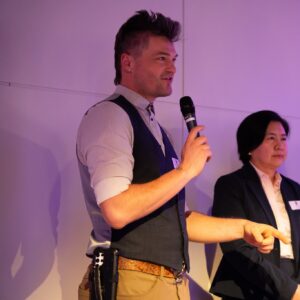
"Everyone starts out understanding that sustainability is the most important thing in the world. Then, somewhere in late childhood, parents/media tell kids they should want money or fame instead and they go off and become bankers. I just missed that memo."
Dr Greg Dickens
Stanley '04
Read more
Dr Greg Dickens
Stanley '04
Can you please tell us a bit more about yourself and what you do?
I’m a science nerd and a competitive son-of-a-gun, I trained as a veterinary surgeon at Cambridge in order to work in conservation medicine, did that for a while in the central African rainforest, took a detour into (and then out of) professional sport, and then came to rest in a science and sustainability consultancy.
My day-to-day work is in examining the processes of major multinationals, including P&G, J&J, The North Face, etc., working out where they could make things better, faster, stronger and less damaging to the environment. It involves a lot of Post-its, coffee and reading scientific papers in ways that their authors probably didn’t intend.
At the weekends, I run a small conservation charity called Bug Spaces, dedicated to setting up new nature reserves and convincing land-owners (including home-owners) to leave some wild habitat ‘around the edges’. We’re just working on a new two-hectare reserve in Cambridge.
I also take photos of bugs. Like … as a hobby. It’s very on-brand. My insta is *incredible*.
What inspired you to work in sustainability?
That question’s backward: Everyone starts out understanding that sustainability is the most important thing in the world. Every toddler wants to plant trees or clean up the ocean. Then, somewhere in late childhood, parents/friends/media tell them they should want money or fame instead and they go off and become bankers. I just missed that memo.
What is your career highlight so far?
It’s a tie.
1 – Spending time learning various monkey languages (not spoken, obviously, but they do have distinct body languages) to work out which monkey groups at my sanctuary were cohesive enough for release into a rainforest reserve. That was very interesting, and ultimately very successful. (N.B. If you don’t know what the Sapir-Whorf hypothesis is, and how it might apply here – look it up.)
2 – Breaking ground on my first big nature reserve.
What would you say are ‘must-have’ life skills/traits for young people today?
Immunity to the sunk-cost fallacy: The world (inc. job market, inc. dating market, inc. just about everything) is going to change faster than ever. Making choices based on what you’ve invested in the past is not going to serve you well. Making choices based on where you find yourself at this very instant will bring you more success and more happiness. This is doubly true for people getting into sustainability or conservation careers.
What is the best piece of advice you have been given?
On my 18th birthday, my father sat me down and dished out two pieces of manly wisdom:
1 – Always have a glass of water with it. The ‘it’ in this aphorism can be anything: a spicy curry; a sporting attempt; a first date; a piece of bad news; a job interview. Whatever. A glass of water isn’t just hydration, it’s also an enforced pause to think.
2 – Never take anything too seriously. The ‘too’ is the keyword here. Take serious things seriously. However, don’t assume that things are serious and don’t treat things that aren’t important as if they are. This has saved me a huge amount of time, effort and stress.
Do you have a fond memory from your time at Wellington that you would like to share or a particular teacher that stood out?
Mark Smiley (with whom I have tried, and failed, to get in touch over the years) was the Biology teacher who A, inspired me to compete in the science internationally, and B, helped me believe that it was okay for poor kids (even those at a school full of more affluent backgrounds) to stand out. I’ve spent my entire life trying to do the right thing and not caring if I stand out as a result. Thanks Mark!
Featured in the 2024 – 2025 Yearbook.
"Just listening is a ‘must have’ skill. I have found that many times listening is core to building trust and stronger relationships with anyone."
Patrick Melville
Hopetoun '97
Read more
Patrick Melville
Hopetoun '97
Can you please tell us a bit about yourself and what you do?
I am a mental health expert and run mental health programmes through my company, Melville Mental Solutions. This question brings back a lot of thoughts and emotions: I was one of the first boarders in the new Hopetoun House in 1992 when it was just a boys’ House. I remember meeting the Queen and Prince Philip in the Third Block dorm and showing them my bunk bed and desk, which was quite terrifying.
After Wellington, I took a gap year working and travelling around South America, then completed a Combined Honours degree at Newcastle upon Tyne University. I decided to go into non-vocational work in international marketing, which included buying advertising space in airports. I still keep in touch with other Wellingtonians; I am godfather to some of their kids, and some OWs are godparents to mine – we can’t escape each other!
What inspired you to work within the social impact space?
I first went into the marketing and media space, from buying advertising space in airports around the world to more mainstream media planning and buying. I enjoyed building relationships and discussing unique brand stories with all my contacts.
My focus on the social impact space came to light when I was diagnosed with terminal brain cancer in 2017. I had a young family and had to stop my commercial work. Thankfully, I received medical treatment but realised the need to understand my mind and how to do self-care. While recovering, I decided to change my purpose to help others, and I now run in-house mental health programmes. My services have grown organically, and I smile when I see the smiles and support I have given others. You can find out more on my website: melville-solutions.com. I am also a trained lay-preacher and gave a sermon in the College chapel four years ago.
How do you maintain your own personal wellbeing?
I call it my own ‘Circle of Strength’. My life learning and training have taught me how we are unique mental brands. We often don’t support and care for ourselves, but now I make more time. It is like not going to work with an illness that you spread to colleagues! My Circle of Strength includes activities that make me smile. For me, these are hitting a ball (tennis, golf, footy), being with my family, meeting friends, playing the piano (badly), sudoku, or listening to a song. These are all linked to my own personal passion and brand – everyone is different.
What is your career/personal highlight so far?
Previously, I focused on the money I made or the budgets I managed, like £40m with UBS. Now, it is about the social and wellbeing difference I make through my work. In January, I ran a programme in Nairobi, Kenya – a very different culture, but still, everyone has mental health. In May, I interviewed the founder of Mooma Foods at a global marketing event. He is a friend of mine and, in front of 250 people, we discussed the role of mental health through his inspirational story. I shared my own mental health expertise to back up his learning. He started his business from nothing in a basement near Waterloo and sold it. It is an inspirational story, and you can watch it here: melville-solutions.com/media.
What would you say are ‘must-have’ life skills for young people today?
Listen. Just listening is a ‘must have’ skill. I have found that many times listening is core to building trust and stronger relationships with anyone. I was never taught (even at Wellington College) but realised the power it gives: speaking to my brain surgeon, talking to my family, re-connecting with OWs, taking a brief and pitching to an MMS client.
Other ‘must have’ skills are:
Sharing worries with trusted contacts. Despite my mind shouting at me ‘not to’ share my thoughts, it helps me look at my problems in a rational way for the next steps and to get the right help.
Patience. We live in a world that focuses on the short term. We have to be perfect now, without learning and space. I enjoyed interviewing OW Sophia Miller (Ap17) about this earlier in the year, which you can listen to here: https://bit.ly/Resiliencepodcast1
What is the best piece of advice you have ever been given?
“We are not statistics” and “Speak to trusted people”. We need to speak to trusted sources and ask ‘why’ more often. When I was diagnosed with a malignant grade 4 brain tumour, another patient told me these phrases. Yes, my prognosis was bad, but this helped me focus on what could be done. I used this advice to focus on the ways I could ‘control’ and ‘drive positivity’ and drive my own personal and unique focus. And here I am.
Do you have a fond memory from your time at Wellington that you would like to share or perhaps a particular teacher that really stood out?
My fondest memory was playing cricket on Turf. I was in the 1st XI for two years and only have positive memories of bowling left-arm in-swing up the hill. A favourite teacher was my Housemaster, James Breen. While he appeared as a strict and grumpy teacher, the older I got, the more I appreciated his role. In Upper Sixth, we got on, and I saw him a few times after school. He was one of the reasons why I went to teach in a boarding school in Buenos Aires called St George’s. Oh, the tuck shop was a winner, although my parents didn’t always agree….
Featured in the 2023 – 2024 Yearbook.
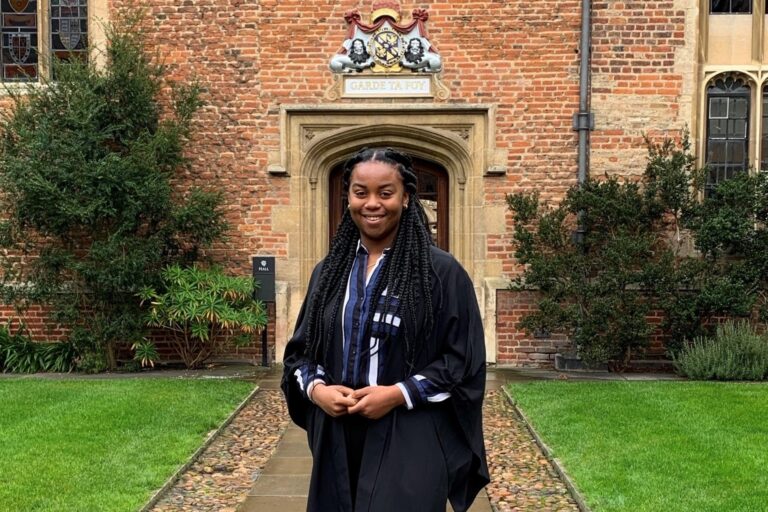
"One of my fondest memories at Wellington was getting the email confirming I’d been invited for an interview at Cambridge, and sharing it with the girls who came bursting down the Hardinge corridors, the teachers who supported me, and my mother, whose shouts of joy could probably be heard across north London."
Esther Ujah
Hardinge '19
Read more
Esther Ujah
Hardinge '19
Can you please tell us a bit about yourself and what you do?
Even though I graduated from Wellington College a mere five years ago, it already feels like a lifetime has passed. The nostalgia of common room chats and late-night walks up and down the kilometre all came flooding back as I put pen to paper. When I left Wellington (College Prefect, 2019), I accepted an offer to study Theology and Philosophy at the University of Cambridge. After an incredible three years, I moved back to London but the natural transition from theology graduate to either clergywomen or resident fellow wasn’t what I had in mind. Instead, I accepted an offer to work in BlackRock’s Fundamental Equity Business as a Sustainability Analyst. My mandate ultimately boils down to catalysing capital towards the transition to a more sustainable economy, which is something I am wholeheartedly committed to. I think part of the appeal of working in the financial sector at BlackRock was the hope that I could one day use my position in such an influential company to drive real meaningful change. That might just be the dream of a young idealist, but it’s one I still hold onto all the same.
How did you come to work in your current role?
During my first year at university, Dr Gardner (my history teacher at Wellington) came to visit me to see how I was doing. Halfway through lunch she casually asked me ‘So, what internships are you thinking about doing next summer?’ Internships? I thought. I’d never actually heard of the word internship before that conversation, nor did I know how important they could be for securing a job in the future. My lack of awareness wasn’t my fault; I just didn’t know what I didn’t know, and such is the societal gap between those who do and don’t have access, opportunity and knowledge in their arsenal. That conversation subsequently triggered the beginning of my internship application process: a gruelling and sometimes demoralising process indeed. However, amongst the many rejections, I got an email from BlackRock saying they’d like to invite me for an interview which eventually led to an offer to their eight-week internship programme. The internship was a steep learning curve to say the least, given I had zero background in finance, but I must have done something right as they ended up offering me a graduate job.
Where do you see yourself in your career in 10 years?
Tough question. I’ve never really thought that far ahead to be honest.
This may be a touch too ambitious, but I’d like to become BlackRock’s Public Equity ‘Head of Sustainable Research’. It’s a pipe dream at the moment, but it would be great to look back in 10 years’ time and see how close I’ve come to reaching it. That being said, this time last year I didn’t even know such a role could exist. There is a high likelihood , therefore, that I discover something else that ‘I didn’t even know existed’ which (once again) completely changes how I define what success could look like. So perhaps more than anything, in 10 years’ time I hope I’ve expanded my horizons, taken on a few risks and discovered more treasures ‘I didn’t even know existed’. If I can do that, I’ll count it as 10 years well spent.
What would you say are ‘must have’ life skills for young people today?
This is my second attempt at answering this question. The first was not wrong, but the second (below) is informed by my experience of managing an intern over the past few weeks, which has, for the first time, made clear what attributes I would actually look for in a potential hire.
To that end, here are the four ‘must have’ skills I think every young person should strive to cultivate. The first is confidence. Individuals who exude confidence have mastered the art of balancing arrogance and humility. It’s knowing the right moments to unapologetically play to your strengths and the times to embrace the limitations of your weaknesses: a tight rope only few learn to walk. The second is communication. No matter where you end up in life you need to be able to communicate effectively. You could be the most technical genius in the room but if you can’t communicate your message in a way that resonates and is clear, then what was all that hard work for? The third is curiosity. There is nothing better than working with someone who is genuinely interested, curious and enthusiastic about the job (note: mark those moments when your curiosity comes naturally as that normally indicates that you’re in the right place for you). The fourth, final, and most important is common sense. You’d be surprised how quickly you can separate yourself from the masses just by showing a bit of initiative and proactivity.
How do you maintain your own personal wellbeing?
I am yet to discover the secret formula to striking the perfect work-life balance but the standard exercise, water, eight hours of sleep, etc are all obviously non-negotiable elements for good long-term personal wellbeing. The reality is, however, that if I’ve found the time to do all of the above in the space of any given week then my personal wellbeing is probably already in a good place. It’s actually moments like this morning, where I’m running late, have multiple ‘urgent’ deadlines, haven’t had my quiet time with God and need to be out the door ASAP, that my resolve is tested the most. In these moments, I think the best thing a person can do to maintain their personal wellbeing is to be kind to themselves (another cliché I know!). But truly, in those moments where things feel like they’re ‘falling apart’, my advice would be to let them. Let go, take a deep breath and ride the wave of the momentary chaos. Because when the dust settles, the chaos subsides, and you come up for air again you’ll realise things are never as bad as they first seem. This too shall pass, as it always does, so why not show yourself a little kindness in the process?
Do you have a fond memory from your time at Wellington that you would like to share or perhaps a particular teacher that really stood out?
I have so many fond memories from Wellington. Learning how to own my space in an environment that was completely alien to me was not without its challenges, but on the whole, I can confidently say that my time at Wellington is something I will cherish for years to come.
It’s hard for me to look back on Wellington in isolation, without simultaneously thinking about the chapter that came next. To that end, I think one of my fondest memories at Wellington was the moment I got the email to confirm I’d been invited for an interview at Cambridge. It was an emotional moment as you can imagine but what made it all the more special was being able to share it with people who had already come to mean so much to me. Those people include: the girls who came bursting down the Hardinge corridors to congratulate me, the teachers who continuously supported me, my mother whose shouts of joy could probably be heard across the whole of north London, and of course God, to whom all glory and gratitude is ultimately due.
Featured in the 2023 – 2024 Yearbook.
Since this spotlight was written, Esther has been promoted to Associate within BlackRock’s Investment Stewardship team, where she works on corporate governance and engages with boards and senior leadership at global companies on behalf of clients.
"Don’t be afraid to ask for help. Most of us get through life through trial and error. Opening yourself up to other people’s experiences means you can learn from their errors too."
Doug Rowe
Hill '95
Read more
Doug Rowe
Hill '95
Can you please tell us a bit about yourself and what you do?
I have had quite a varied career path since leaving Wellington. However, a common theme has been my passion for health, fitness and the benefits these bring to people. In recent years, I founded a healthy snack bar company with my brother before becoming a holistic health coach, working with both individual and corporate clients. I’m currently a Wellness Advisor at Goldman Sachs.
What inspired you to work in the wellbeing and fitness sector?
It was a combination of factors, many of which were established during my time at Wellington. I loved sport at College and was fortunate enough to play in the first teams for all the major sports during my last year. This fostered an appreciation of the importance of being active and trying a variety of pastimes. After university, I followed my passion for skiing and moved to Colorado. Stumbling across the Rocky Mountain rugby league things somewhat spiralled out of control and I found myself in the US player pool (as I was born in New York I am a US passport holder).
The level of training required was something I had not experienced before. I fast needed to learn how to train, fuel and recover correctly. There’s also a massive outdoors culture in Colorado. The locals really embrace a healthy living mindset. This rubbed off on me and I haven’t looked back.
How do you maintain your own personal wellbeing?
I do my best to focus on certain pillars in my life. The foundation is sleep. If I’m getting enough shut-eye then I have the energy to focus on the other priorities – such as nutrition, movement and maintaining meaningful relationships. Over the last ten years I have been exploring a more spiritual side of wellbeing. Yoga has provided me with both physical benefits but also great mental rewards. In general I try to prioritise my wellbeing and find excuses to do it rather than to avoid it.
What is your career/personal highlight so far?
I would have to break it down into a sporting, an educational and a career highlight.
Getting capped by the US in both XVs and sevens, and in particular playing in the Hong Kong sevens (in front of the OWRFC 2003 touring party) was very special. Being offered a place at Cambridge for an MBA resulted in a life-changing 16 months. This, in turn, gave me the courage and nous to start my own business – moving from theory to practice gave me a wide (but not always welcome) range of experience!
What would you say are ‘must have’ life skills/traits for young people today?
Be reliable and keep your word. Doing what you say you’re going to do is incredibly important and will ensure you stand out from the crowd.
Don’t be afraid to ask for help. Most of us get through life through trial and error. Opening yourself up to other people’s experiences means you can learn from their errors too. There will also be times in life where you simply can’t achieve things on your own. Having the courage to be vulnerable can often earn you a lot of respect.
Never stop learning. Try to be curious and ask questions. Whether it is through travel, hobbies, learning a language or simply improving your knowledge of new aspects of your job, the process of learning has been shown to keep you young. A side benefit is that you’ll become more interesting too.
Push your edge. Do things that get you out of your comfort zone. Every experience that scares you will expand your perception of your capabilities. Ultimately, this is best path to becoming a more complete human being.
What is the best piece of advice you have ever been given?
I have been fortunate enough to have been given great advice from a wide range of generous people. I have two that particular resonate at the moment.
“Don’t worry what other people think.” This can often be a lot easier said than done. Reminding yourself that you are the one living your experiences can be very liberating. It is human nature for others to see your life and what it entails through their eyes. But it is your journey. So, do your best to enjoy it in a way that gives you the most meaning.
“Be part of something bigger than yourself.” I feel very lucky to have had the start in life that Wellington gave me. Taking time to be considerate to those who are less fortunate is something I believe we should all do if we can. Being humane and showing kindness comes in so many different forms that there really are no excuses not to embrace it.
Do you have a fond memory from your time at Wellington that you would like to share or perhaps a particular teacher that really stood out?
As I’ve mentioned, sport played a huge role in my time at Wellington. One standout memory would the 1995 sevens season. After a disappointing XVs campaign we came under the tutorage of Kenny Hopkins.
It was the first time in my life where I experienced inclusive coaching – Kenny’s approach and strategy was different from anything I had experienced thus far. Rather than feeling like we were pupils being managed by teachers, he repeatedly demonstrated that we were a single entity. His passion for both the game of sevens and our group as we developed was clear to see. Something he demonstrated by bursting into full song of Bread of Heaven as we crossed the Severn Bridge en route to our first tournament being held at Christ College Brecon.
Kenny had the foresight to allow our captain, Jim Brownrigg (Hl 95), who went on to have a decade-long professional career with Bristol and Cardiff, to pick the team, while he focused on the coaching and tactics. This resulted in a tight bond and respect throughout the group. With each tournament we improved, culminating in us winning the Surrey Sevens and then the Rosslyn Park National Sevens.
Featured in the 2023- 2024 Yearbook.
"I have many fond memories of Wellington, many too naughty to mention, but what I think never leaves you is just how beautiful and special a place it is to live and learn. I don’t think I’ve ever seen or been to a more beautiful school than Wellington and for that memory I am eternally grateful."
Anna Rowe
Apsley '96
Read more
Anna Rowe
Apsley '96
Can you please tell us a bit about yourself and what you do?
Hi, I’m Anna, I am middle-aged and happy to say I’m loving it. Why? Because I’m lucky enough to be doing exactly what I believe I am meant to be doing with my life – helping people achieve health and happiness within themselves through the holistic practices of yoga and positive psychology. When I’m not running my business www.HappyHeadHealth.com, an online yoga and coaching practice for your mental health and happiness, you can catch me mostly on the Tennis court, Padel court, swimming in my local lake, walking my dog in the Surrey Hills or kayaking down the River Thames.
When I choose to be less in my body and more in my head; my mind loves eating up the latest studies of neuroscience, positive psychology and pontificating over ancient philosophies, world religions and rituals with a generous side salad of fashion, travel, food, wine, lifestyle magazines and reality TV. I’m a guilt-free sucker for a night on the sofa with the stars of Made in Chelsea, Selling the OC and Bake Off!
What inspired you to work in the mental health and yoga industry?
I was inspired to work in the wellbeing industry because despite swiftly ascending the career ladder and enjoying a high-flying, international life in Advertising and Marketing, I wasn’t equipped to deal with the combination of work and personal stress factors that were put upon me and the pressure that I also piled upon myself. Simply put, I had a mental and emotional breakdown, in fact two, when several work and personal things happened all at once and got too much. In hindsight, my breaking down was a breakthrough – it was the start of the path I am on today – where I now teach the tools I wish I had back then.
To say the full transition from Advertising Consultant to Mental Health and Wellbeing Yoga Teacher and Life Coach was quick and easy wouldn’t be correct, but it was the necessary one. I transitioned from corporate life to being my own boss over a course of a little under a decade. I sometimes miss the international travel and a regular pay cheque, but I don’t miss the stress and the politics and would probably never go back to working for someone else. I like the autonomy too much! I’m so grateful that I followed this path; before I was chasing future happiness and worth outside of me and today, with my tried and tested tools of yoga and psychology, I always have access to the peace and happiness within me – not matter what life serves me!
How do you maintain your own personal wellbeing?
I have a simple mantra; ‘I enjoy S.E.E.ing to my health daily’. This means, above all else, I prioritize Sleeping, Eating and Exercising well. I know, it doesn’t sound sexy, but 85% of our mental health gains come from these foundational cornerstones of physical health. When I S.E.E. to my health everything else falls into place.
What is your career highlight so far?
I think I have two career highlights so far – one is simply being witness to the huge personal transformations people go through on my signature courses, ‘Anxious Head to Happy Head’, ‘Transform Now’ and ‘Yoga for Bipolar’. Helping people find their peace and joy within will be something I will want to do till the day I die. The second highlight would be seeing a whole class of yoga students practising on my Happy Head Health branded yoga mats – you can take the girl out of marketing, but never marketing out of the girl!
What would you say are ‘must have’ life skills for young people today?
A must have life skill for young people I’d say is Adaptability – Plan to Pivot. It’s great to have a plan, but you can only base your plan on what you know at the time. If we’re lucky, life is long and is always going to throw in the unknown and you are going to learn a tonne of new stuff as you go through the experience of doing. So, it makes sense to enjoy the art of adapting your plans and pivoting your ideas when and where necessary and when opportunity knocks!
What is the best piece of advice you have ever been given?
The two best bits of advice I’ve been given were from the great advertising man Nigel Bogle himself; “Actively listen, rather than wait to speak”. And from my mum, “If you don’t ask, you don’t get” – never be afraid to ask for anything!
Do you have a fond memory from your time at Wellington that you would like to share?
I have many fond memories of Wellington, many too naughty to mention, but what I think never leaves you is just how beautiful and special a place it is to live and learn. I don’t think I’ve ever seen or been to a more beautiful school than Wellington and for that memory I am eternally grateful.
Featured in the 2023 – 2024 Yearbook.

"My strongest advice is to keep your curiosity alive and actively cultivate it. Stay committed to whatever sparks your interest – that focus will open doors."
Honor Crawford
Orange '20
Read more
Honor Crawford
Orange '20
Can you tell us a bit more about yourself and what you do?
After graduating from Wellington in the summer of 2020, I went on to study Combined Honours in Social Sciences at Durham, specialising in Middle Eastern Politics and East African History. My academic path took me far beyond the lecture hall – quite literally as, not long after finishing university, I accepted an offer as a Foreign Policy Intern for the Kurdistan Region Presidency of Iraq. During my three months in Iraq, I advocated for greater geostrategic recognition of the intersection between Middle Eastern and African regional dynamics, turning my academic focus into real-world impact. Working closely with the Foreign Policy Analysis Unit, under the leadership of Falah Mustafa (the Special Assistant to the President for Foreign Affairs), I deepened my passion for international policy, travel, communication, cross-cultural collaboration and regional strategy.
Over the past year, I’ve worked in Strategic Communications at M&C Saatchi World Services – a specialist division of M&C Saatchi that harnesses cutting-edge communications and technology to help Western governments solve some of the world’s most complex challenges.
What inspired you to work in strategic communications?
My path into strategic communications was shaped by a combination of academic inquiry, creative drive and lived experience. At university, I was drawn to the role of language and discourse within international relations – culminating in a dissertation that analysed how British media portrayed Ukrainian versus Afghan refugees. Having worked in refugee camps in Calais, I saw first-hand the stark contrast between media narratives and the realities on the ground. These experiences highlighted how powerful – and sometimes problematic – communications can be in shaping public understanding and policy decisions. Strategic communications offered a space where I could apply both critical analysis and creative thinking to global challenges, and contribute to more responsible storytelling on issues that matter.
Where would you like to be in 10 years?
Where would I like to be in 10 years… who knows! I’ve always prioritised passion over a rigid plan. That mindset has led me to some of the most unexpected and rewarding experiences so far. Rather than fixating on a single destination, I’ve learned to trust my instincts, stay curious and remain open to wherever the next opportunity might lead – whether that’s across borders, sectors or entirely new fields.
One thing that’s always been important to me is working directly with the people most affected by global social issues, to ensure I never lose sight of the individuals behind the policies.
What would you say are essential life skills or traits for young people today?
In today’s competitive world, it’s natural for young people to feel hesitant about stepping outside the norm. My strongest advice is to keep your curiosity alive and actively cultivate it. Stay committed to whatever sparks your interest – that focus will open doors. Take risks by doing something different or unexpected, even if it feels uncomfortable. It’s often those bold moves that make the biggest impact and make you stand out from the crowd.
What’s the best piece of advice you’ve been given?
There are two pieces of advice that have really shaped how I live and work:
1.If you don’t ask, you don’t get! Be bold and go after things, even if they may seem out of reach. I’ve learned that speaking up and asking for what you want often opens doors.
2.If you’re unhappy with something then change it – and if you can’t change it, change your mindset. Remember you are in the driving seat for your life and career whether that is making a change, tasking a risk or shifting your outlook and attitude.
Do you have a fond memory from your time at Wellington – or a particular teacher who stood out?
So many teachers influenced me in different ways:
Dr. Gardner introduced me to Social Sciences, where I found both direction and motivation throughout the university application process. Her belief in my potential pushed me to think bigger and have confidence in my abilities.
Mr Tapley and the Wellington College Peace and Conflict Institute nurtured my curiosity for the world, showing me ways to make a difference and introducing me to charities I continue to work with to this day.
Mr. Wayman taught me the importance of humour, resilience and leadership – along with how to handle a house full of 60 lively teenage girls, should that ever come in handy…
Featured in the 2024 – 2025 Yearbook
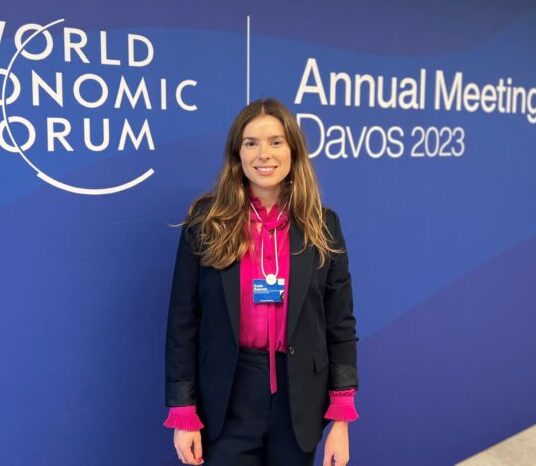
“Empowering girls and women in STEM isn’t just about breaking barriers, it’s about building bridges to a future where every mind, regardless of gender, can play a role in shaping the technologies of tomorrow.”
Greta Keenan
Apsley '11
Read more
Greta Keenan
Apsley '11
Can you please tell us a bit about yourself and what you do?
I’m endlessly curious about science and technology and its potential to improve people’s lives and solve global problems like climate change. Right now, I work on topics like artificial intelligence, drones, driverless cars and biotechnology, helping governments and businesses around the world come up with safe, responsible technologies and good regulation to prevent potential harm. Whether it is helping farmers increase their avocado yields in Colombia using agriculture technologies or healthcare workers deliver medical supplies in rural Rwanda using drones, I am on a mission to unlock the potential of technology for good. And I’m lucky that my career has so far allowed me to live in the Austrian alps, tropical Japanese islands and for the past four years, in scenic Switzerland.
Can you tell us a bit about how you came to work at your previous role at the World Economic Forum?
Lots of people assume I must have studied Economics or International Relations to work at the Forum, but in fact they hired me in 2019 for my education and expertise in science and how to communicate it in a way that non-scientists can understand. The job I was hired to do was to curate the science programme of the Forum’s global events, which meant deciding what topics to put on the agenda, choosing the right speakers, designing the session format – be it a panel, workshop or art installation – and delivering the whole thing on-site. After two and a half years in this role, I moved across to the technology portfolio, and I worked in this role until February 2024. I have just started (March 2024) a new role; Head of Summit at the Geneva Science and Diplomacy Anticipator (GESDA).
Let me tell you a bit about my path to get here. Having studied Biomedical Science at Oxford and a Master’s degree in Science Communication at Imperial College London (after a very fun gap year working at an international school in Austria) I did an internship at New Scientist magazine and then landed a seven-month fellowship as a science communicator at the Okinawa Institute of Science and Technology in Japan. This was truly one of the most phenomenal experiences of my life – not only professionally (where I got to chat to nerdy marine biologists, quantum physicists and chemists all day and ‘translate’ their research into easy-to-understand articles, videos and press releases) but also personally, to live 10-minutes from the beach, meet people from all over the world and learn Japanese language and culture!
When this role was up, I moved back to London and into a fantastic science communication role at the newly opened Francis Crick Institute in London – Europe’s largest biomedical research institute. From photographing sex-reversed mice, to hosting delegation visits from the Indian and UK governments, and prepping scientists for live TV and radio interviews – no two days were the same, and I absolutely loved my job. It was only a desire to move abroad again that prompted me to start looking outside of the UK – and that’s when I discovered the opening at the World Economic Forum.
What has been your career highlight so far?
I have too many to mention, but one that stands out is the 50th Annual Meeting in Davos in January 2020.
The World Economic Forum’s mission is to improve the state of the world and we do this by bringing together politicians, business leaders, charities and NGOs, academics and thought leaders around a multitude of global issues. Whether it is healthcare, gender equality, the economy, plastic pollution, climate change or technology – we try to get the right people together to find solutions and take concrete action to make the world a better place for the eight billion people living on it.
We have projects year-round, but the metronome of the organisation is in January every year where my colleagues and I – plus 1,500 CEOs, heads-of state and ministers, professors, artists and journalists all descend on this tiny Swiss ski resort called Davos, for four days of talks, workshops and negotiations to strengthen global collaboration on the issues mentioned above.
Where do you see yourself in 10 years?
I don’t believe in 10-year plans, or even 5-year plans! Some of the best personal and professional experiences of my life have been completely unplanned – and I just had to be ready and flexible to seize opportunities as they arose.
What are your top tips for students trying to get involved in your line of work?
Find your personal mission – what is the thing, or things that excite or enrage you, and figure out how you want to contribute change. Genuine enthusiasm and mission-oriented mindsets are more hireable than the degree on your CV. Better still – do something outside of your education that demonstrates that you are living by your personal mission: volunteer for a charity, do an internship, write for the student paper, start a blog or non-profit. These things will make you stand out.
What is the best piece of advice you have ever been given?
The degree you choose at age 17 doesn’t really matter. Study something you love and have a genuine curiosity for. The career you carve out in the years and decades after university can take you in completely unexpected directions – and most likely we will all be reskilling and upskilling our whole lives anyway. I do use aspects of my degrees in some way, but I am probably in the minority of my friends here. I have friends who studied medicine who are now in finance, and friends who studied law who are now doing marketing for a famous horse race in Argentina.
Do you have a fond memory from your time at Wellington that you would like to share or perhaps a particular teacher that really stood out?
There are far too many exceptional teachers to call out by name– truly some of the most inspirational, caring and smart people in this world, helping young adults reach their full potential. In terms of fond memories, it would be mid-morning buttery toast between lessons, singing I Vow to Thee in Sunday night chapel, Speech Days, dance shows and the Kingsley’s run. I left Wellington over a decade ago, and some of my closest friends are still the remarkable women I met in the Apsley aged 16. I’ll be eternally grateful for that.
Featured in the 2022 – 2023 Yearbook.
17 for 17 Podcast Series
This term we launched 17 for 17, our new podcast series connecting current Wellington students with Old Wellingtonians who are making a positive impact around the world. Each episode explores one or more of the UN’s 17 Sustainable Development Goals through personal stories, careers insights and real-world challenges.