


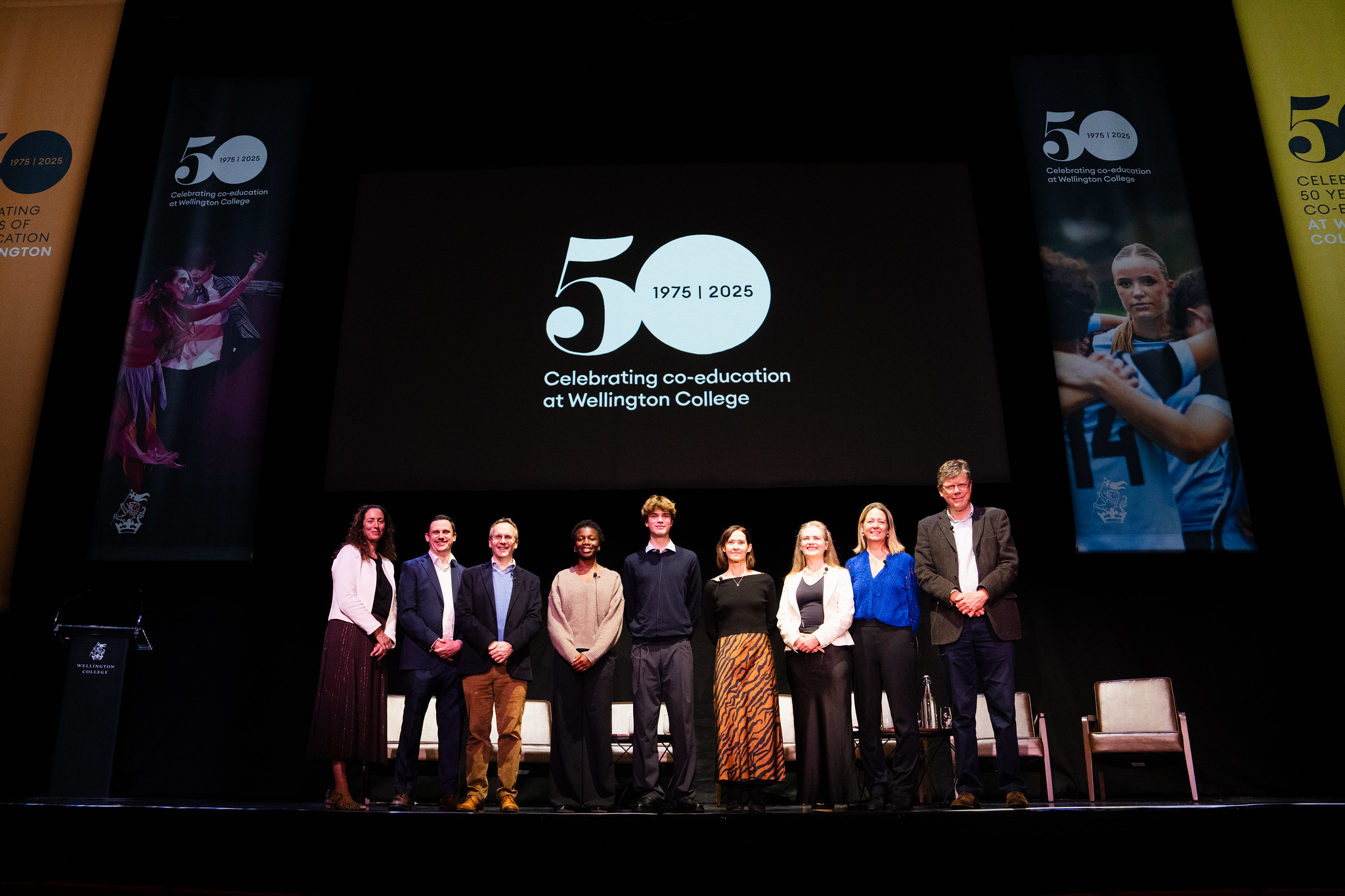
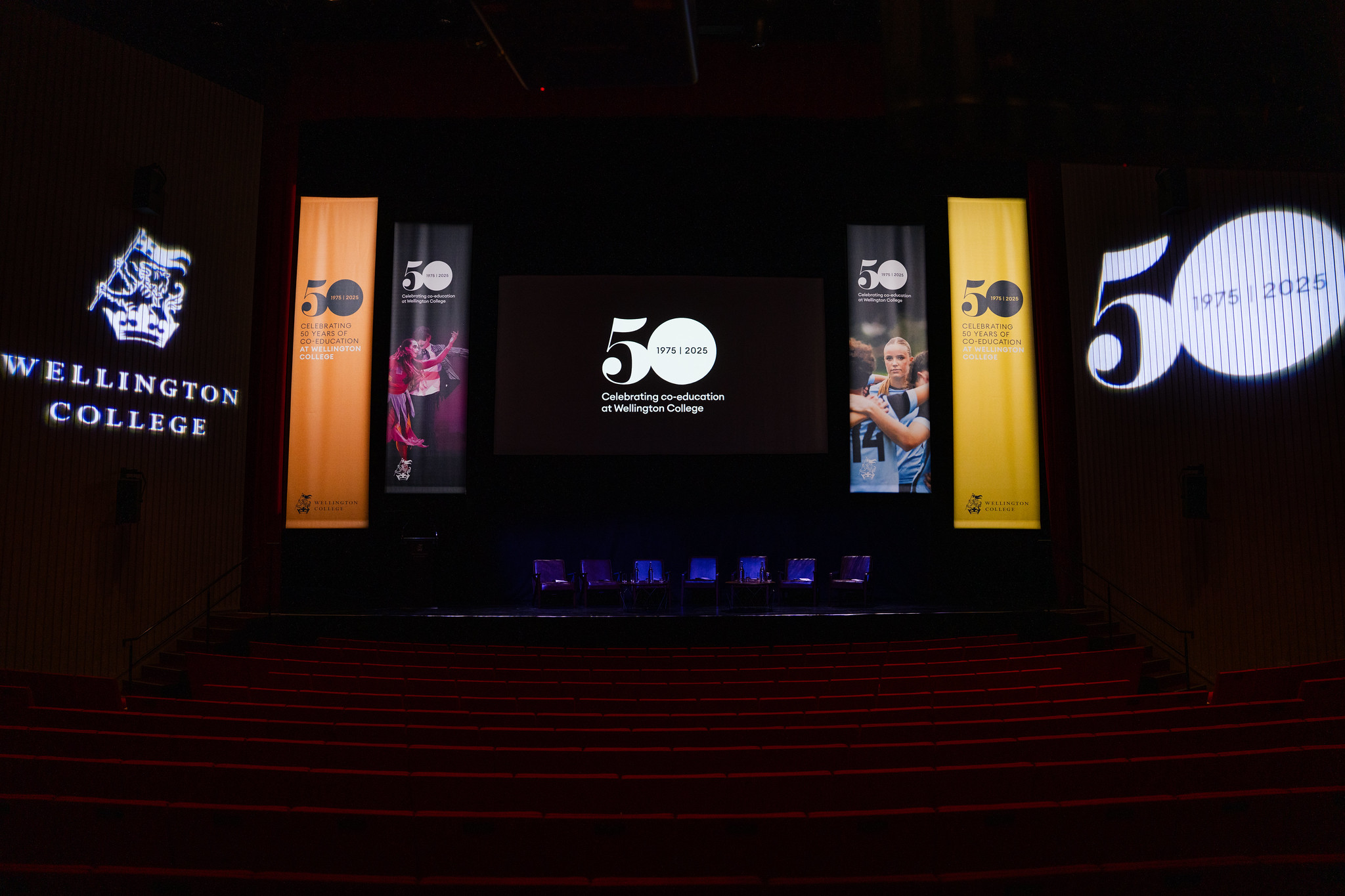
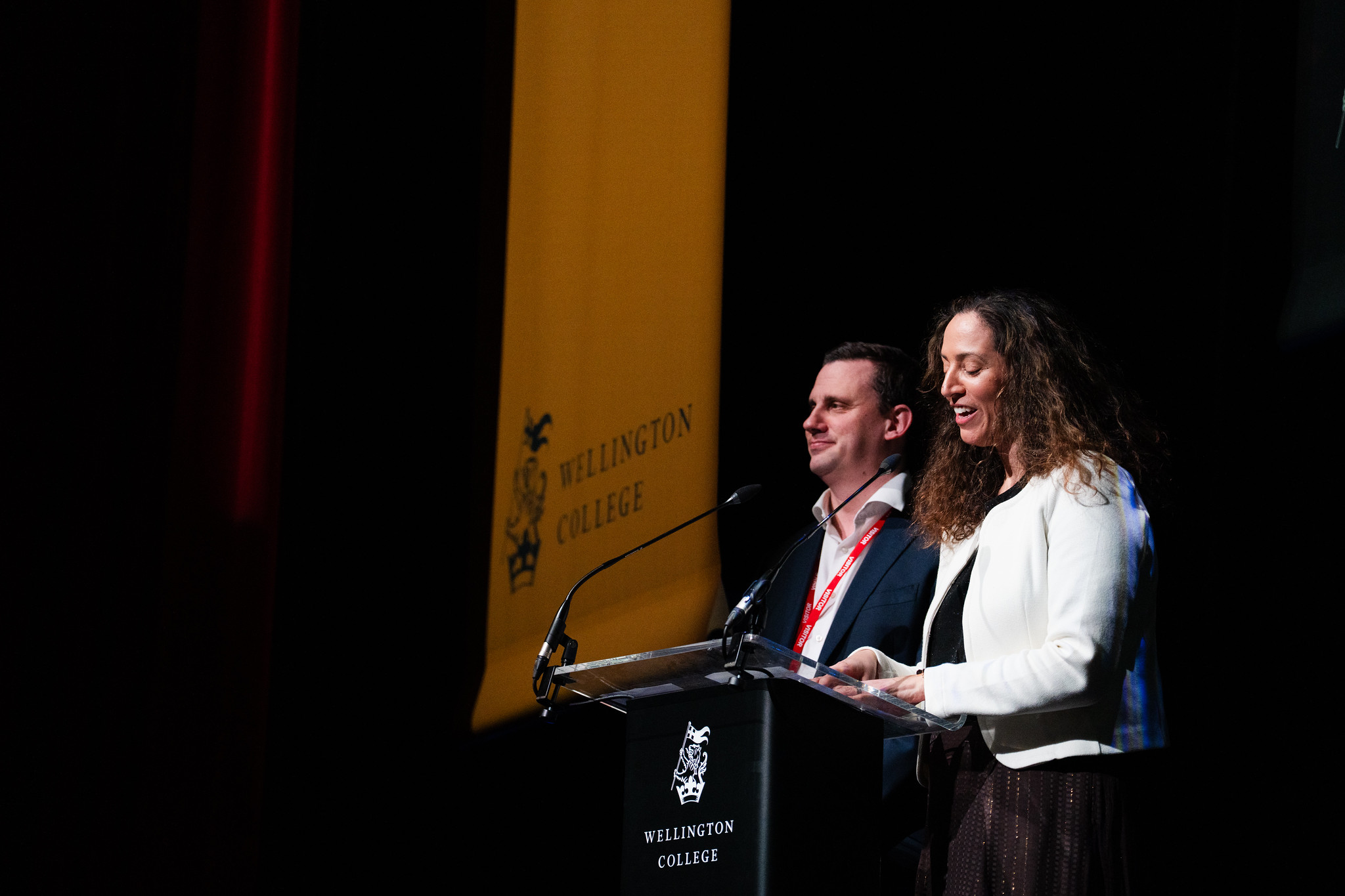
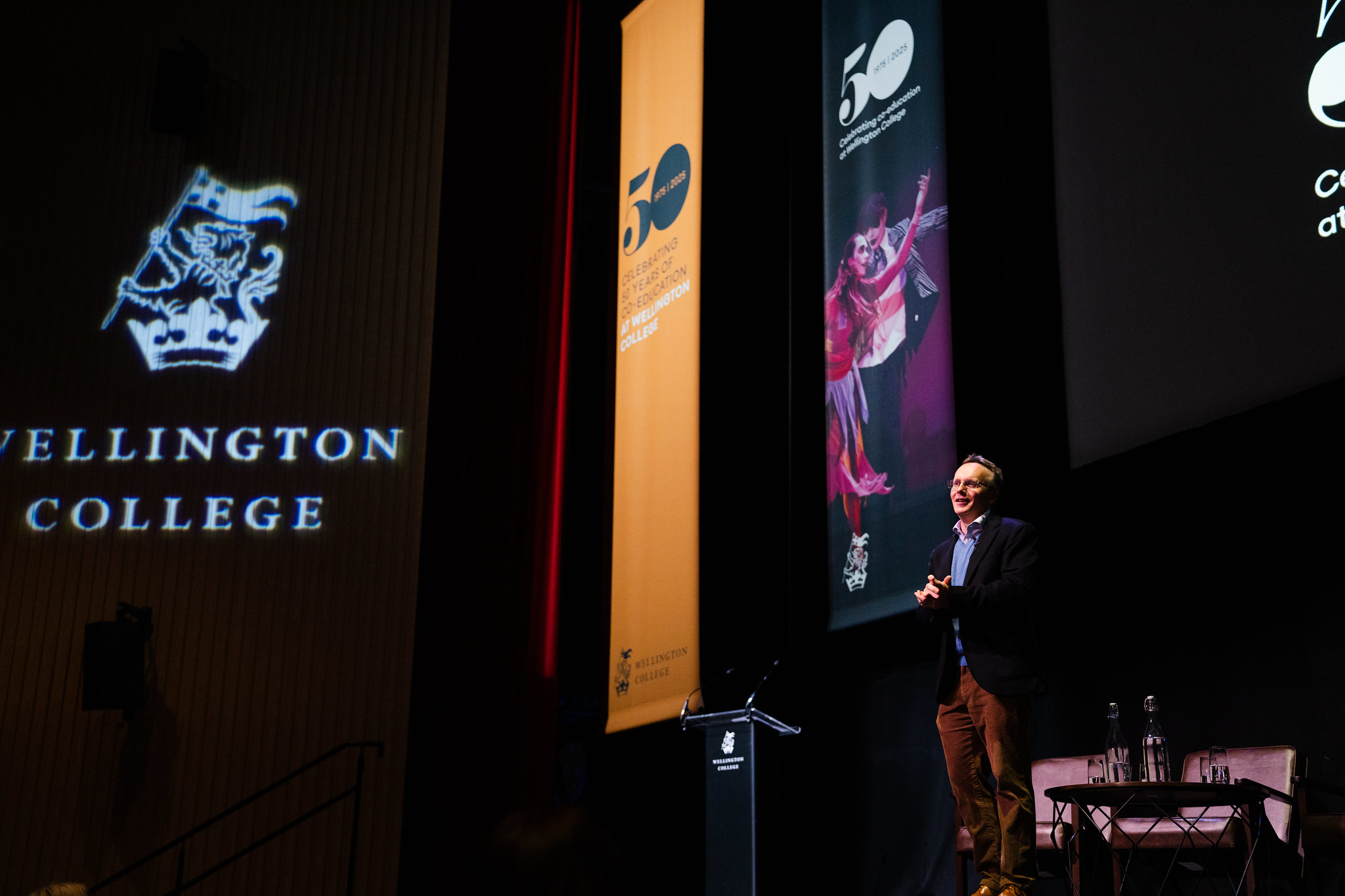
Last week, members of the Wellington Community came together for the premiere of Better Together: The Path to Co‑education, a documentary tracing the College’s 50‑year journey towards becoming fully co‑educational. Rather than functioning as a celebration alone, the evening offered an important opportunity to listen, acknowledge and reflect on a story that has not always been easy. Former pupils, long‑serving staff, parents, Governors and current students gathered to share experiences spanning generations – many uplifting, many courageous and some deeply difficult.
The evening opened with a quiet recognition that the first girls at Wellington often faced challenges that were not always fully understood at the time. Those who contributed their stories did so with honesty, generosity and vulnerability. Their testimonies remind us that progress rarely follows a simple path. These accounts now form the backbone of the film, helping today’s community understand not only how much has changed, but what the early years genuinely felt like as an important reminder for a modern co‑educational school.
Director Miles Latham shared that his goal was to let contributors’ voices shape the narrative, rather than create a polished or predetermined version of Wellington’s history. Filming nearly 40 hours of interviews revealed the complexity of the College’s evolution: a process marked by resilience, missteps, learning and continued growth. Miles reflected that the project “stands alone” in his career for the depth of honesty it required and described Wellington as “a place of community, of decency, of integrity and of respect”.
A panel discussion then drew themes that still resonate today, shifting gender expectations, changes in staff culture, regrets and unresolved tensions, and hopes for what co‑education can continue to become.
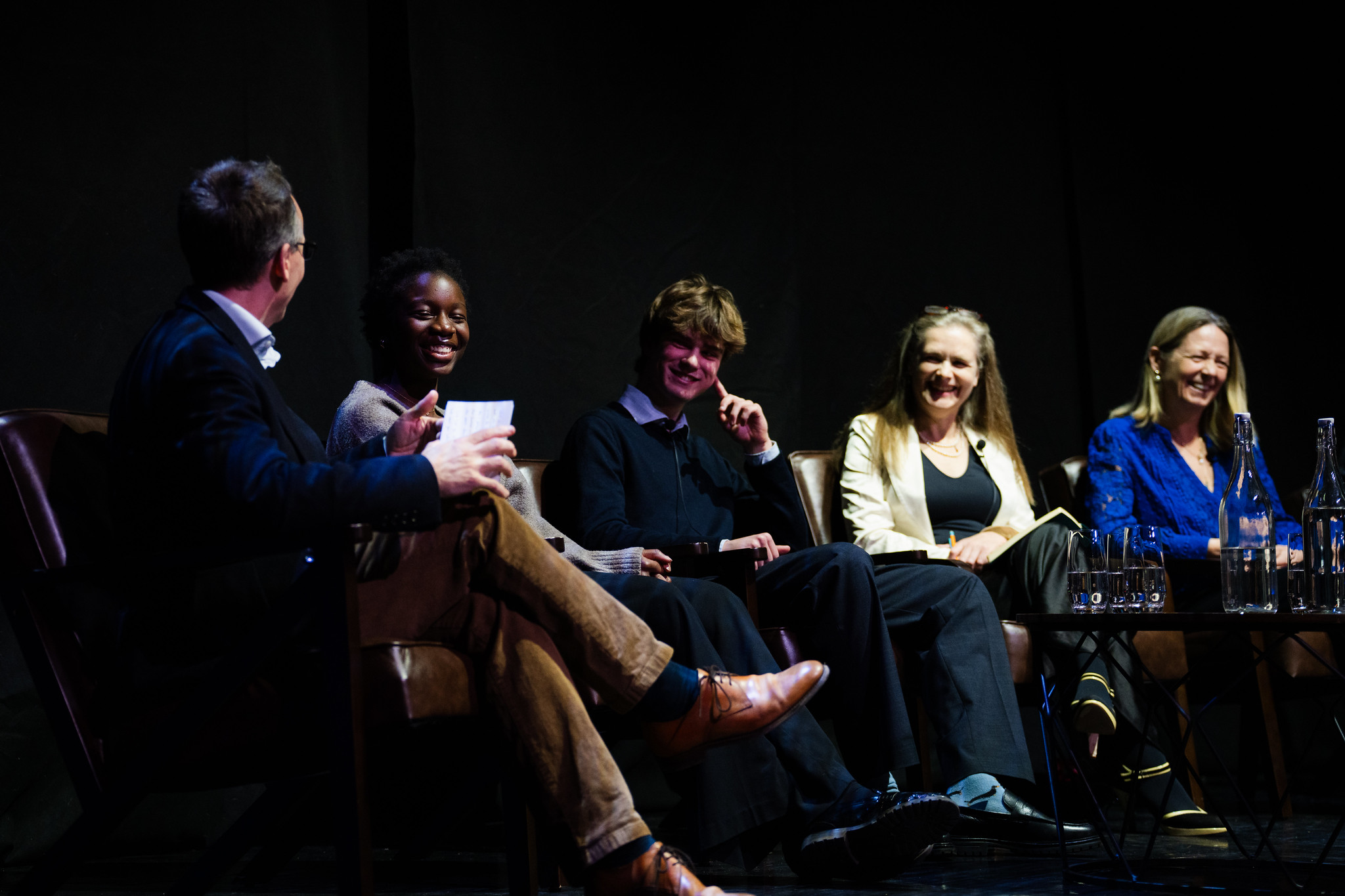
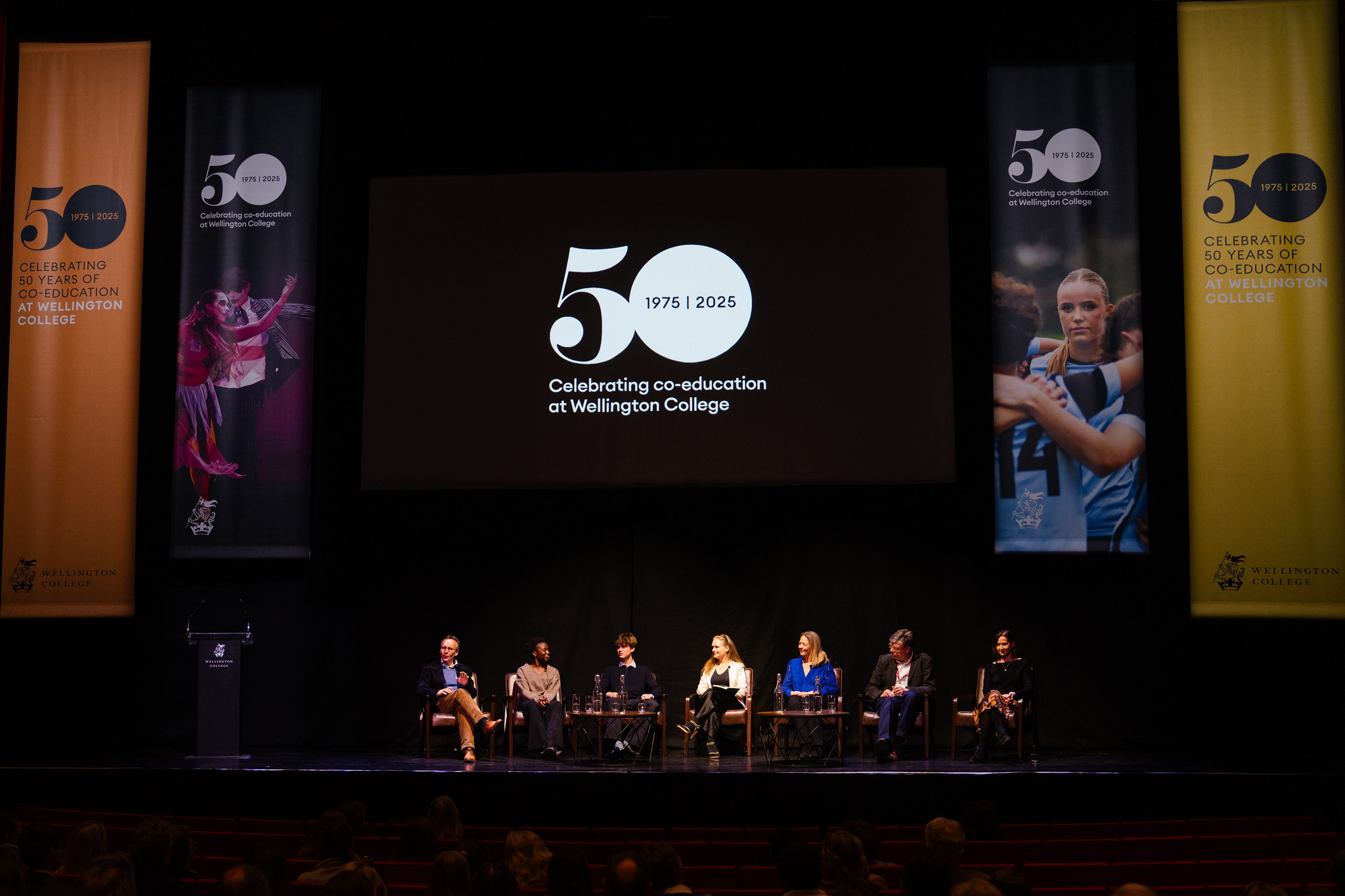
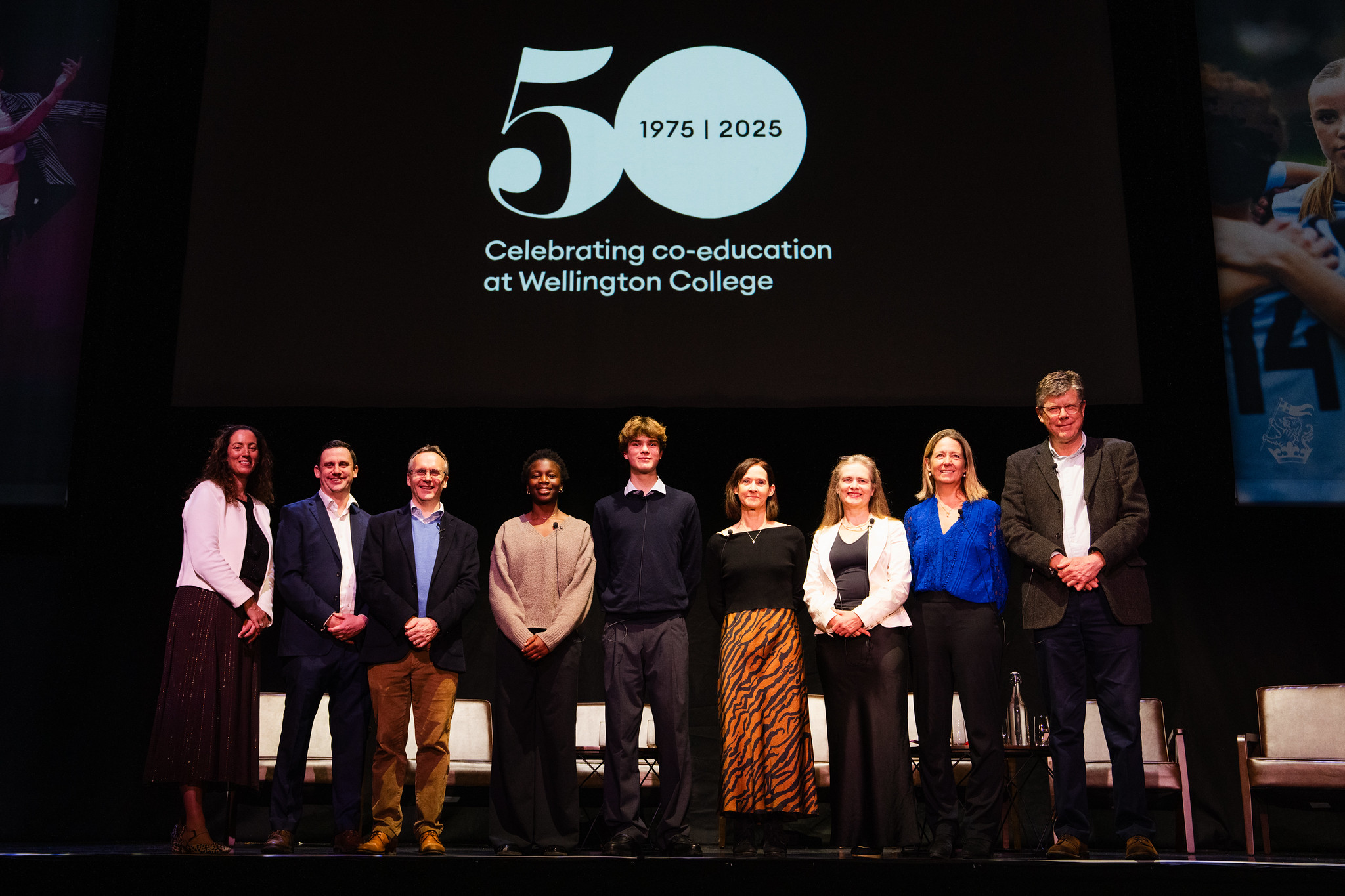
Reactions to the film were thoughtful and often emotional. Master James Dahl reflected afterwards: “What a wonderful, wonderful evening. I was blown away by the conversations I had with OWs and former staff and parents, as well as many appreciative comments from current parents who were so interested in hearing the story of the journey.” He also spoke of how “incredibly proud” he felt to lead “this remarkable school and community”.
He reflected on how meaningful it was to hear such a range of voices and acknowledged how much there is still to learn from those who lived through the earliest stages of co-education. His comments captured the spirit of the evening: not triumph, but a deep appreciation for the honesty and courage of those who shared their stories.

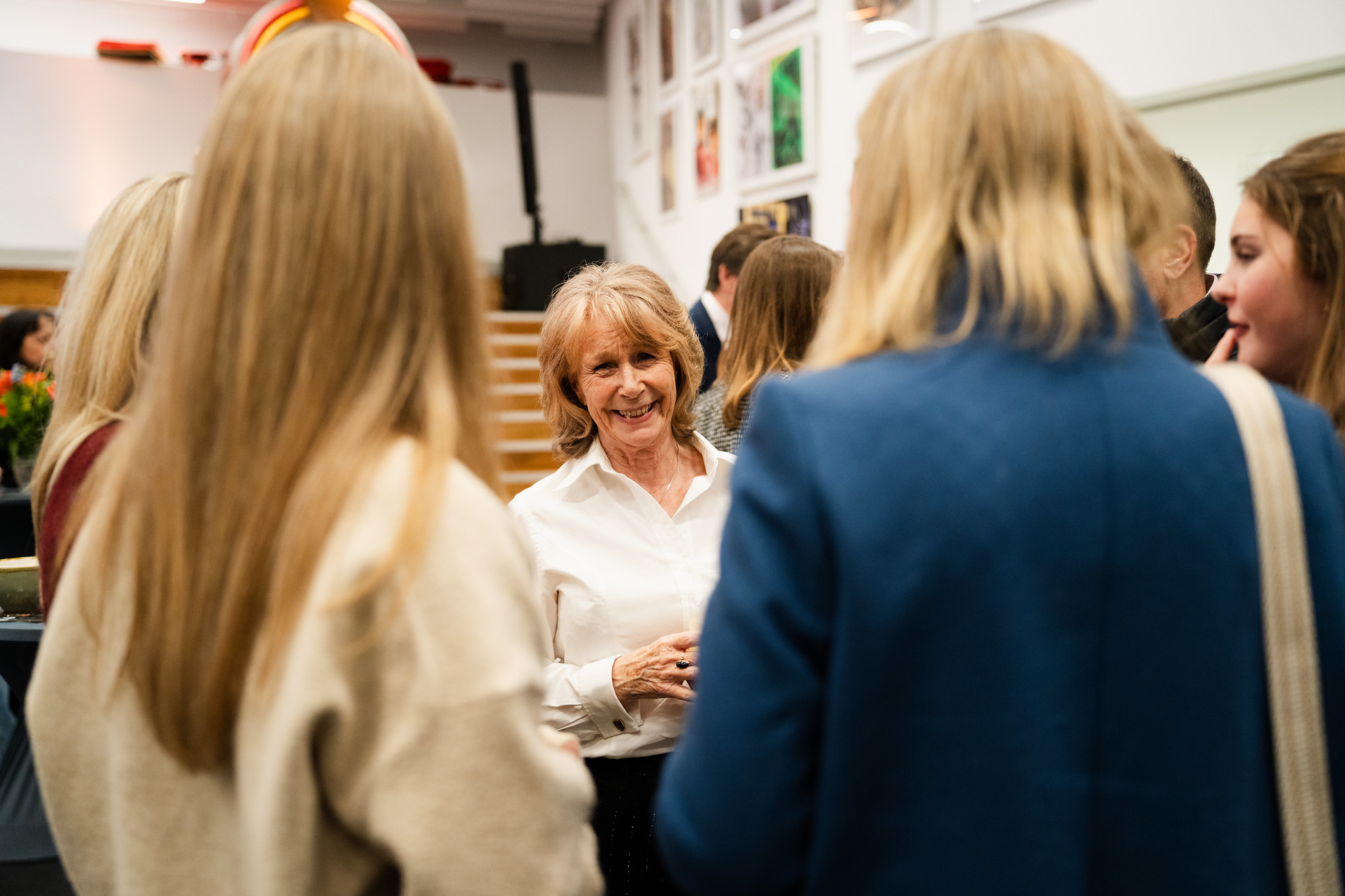
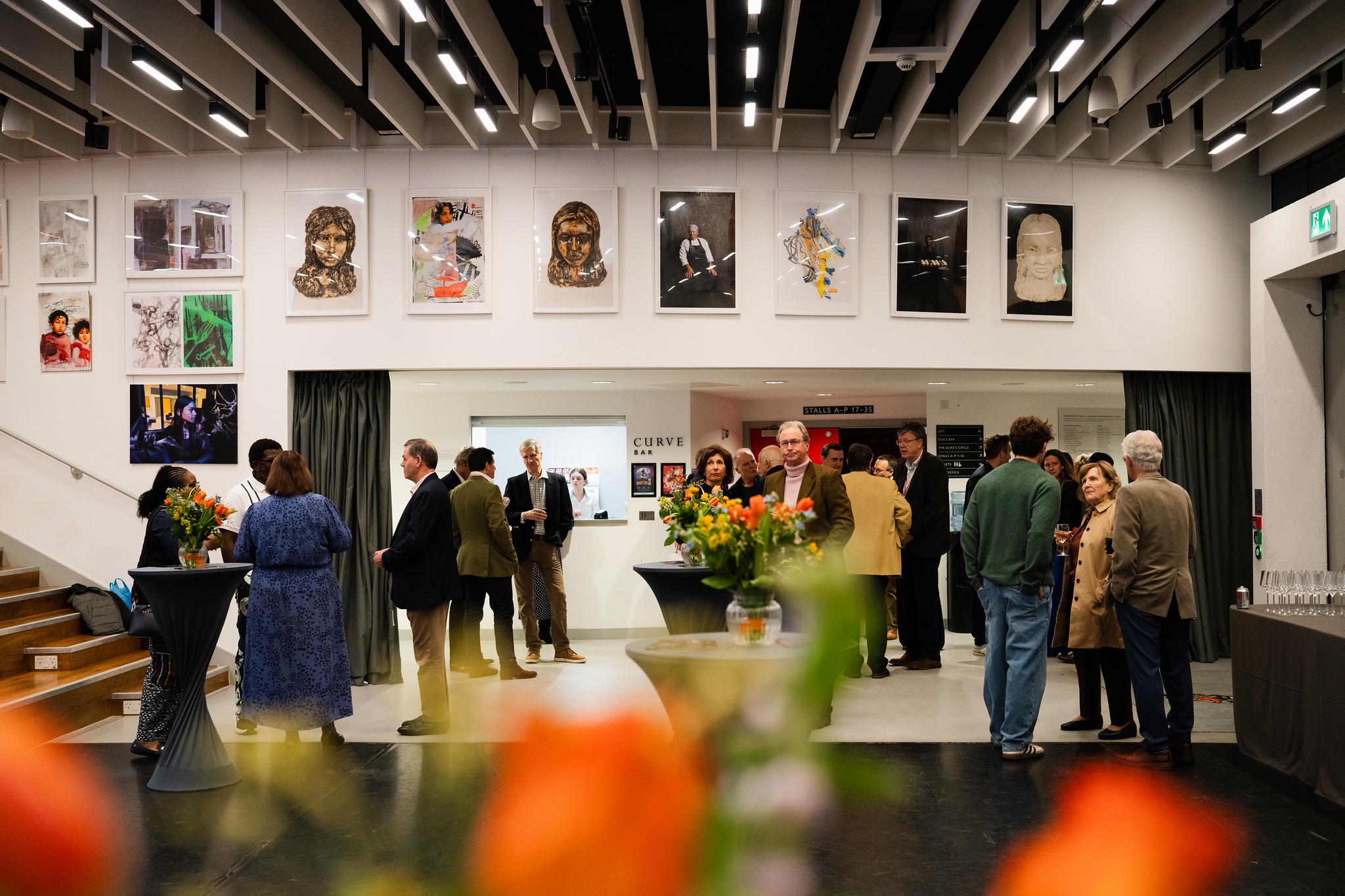
Some of the most poignant reflections came from those who had witnessed the earliest changes. Norman Porter, former staff member and the first Housemaster of Apsley, spoke of how significant it felt to revisit those years – years in which the bravery and determination of the first girls were often unrecognised. Sitting beside one such former pupil, he was reminded of the resilience required just to belong during a time of uncertainty and cultural adjustment.
Many also reflected on how traditions that once belonged exclusively to boys have, gradually and imperfectly, become traditions shared by all. Seeing these shifts captured onscreen prompted memories of effort, compromise and incremental cultural change rather than sudden transformation.
Film contributor and panel member Caroline Baugh expressed how deeply the documentary resonated with her, saying she was “completely blown away by the film” and describing it as “extraordinary”. Her response, while warm, felt grounded in the recognition of how far the College has come and how complex the journey has been.
Reflecting on the atmosphere in the room, Naima Charlier, Deputy Head of Compassion, Belonging and Wellbeing, noted that she loved how “the evening closed not with fanfare, but with gratitude – for the voices willing to speak honestly, for the discomfort that leads to understanding and for the role that storytelling can play in helping a community deepen its sense of connection”. She emphasised that the documentary creates space to honour those who shaped Wellington’s co‑educational journey, especially the early pupils whose experiences deserve to be heard, recognised and remembered as part of building a community where everyone can feel they belong.
In a year marking 50 years of co‑education, the premiere offered more than a celebration; it reminded us that progress is rooted in courage, in honest reflection and in the ongoing commitment to move forward together.