

Find out more

23 January 2026

News
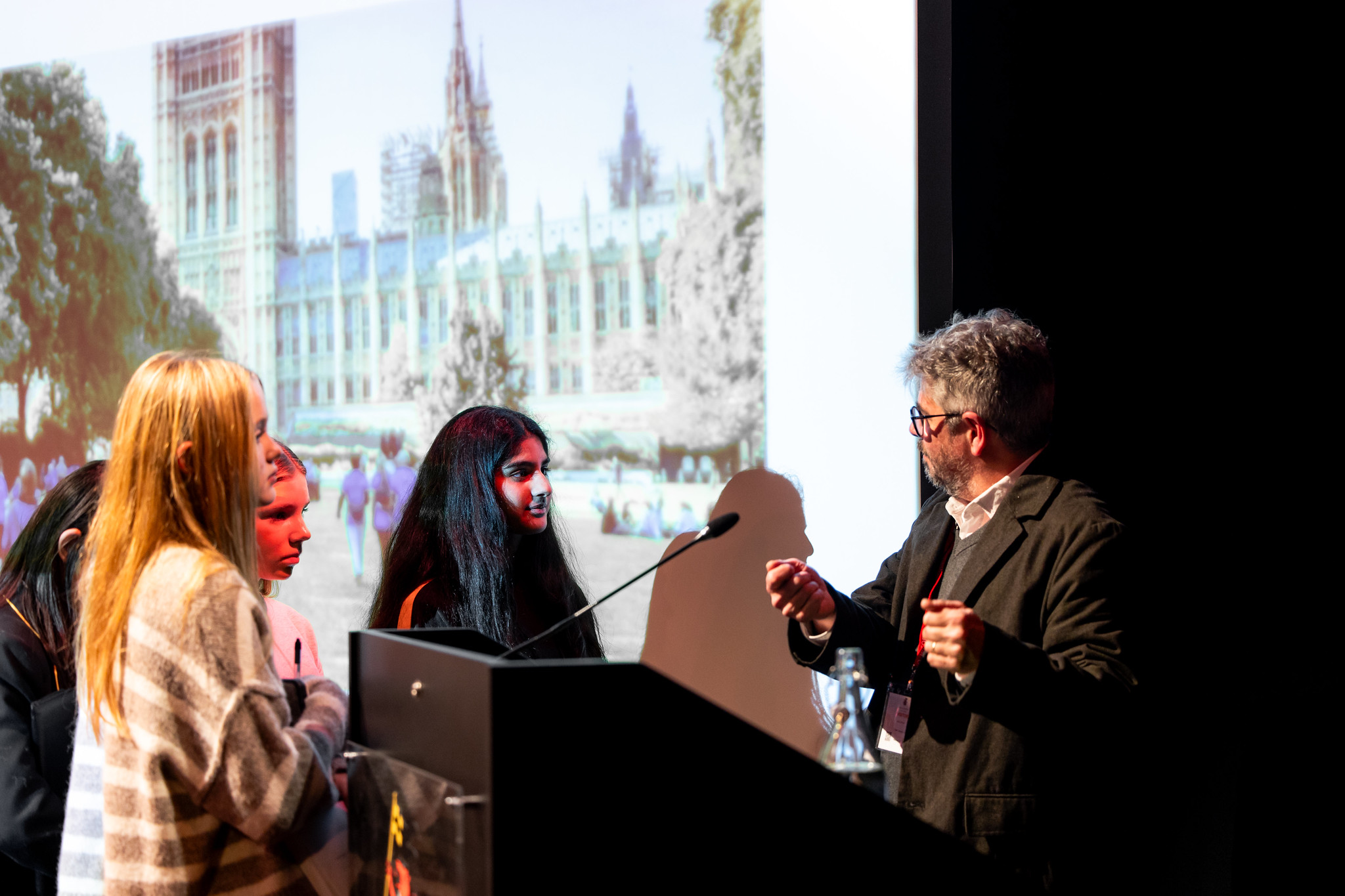
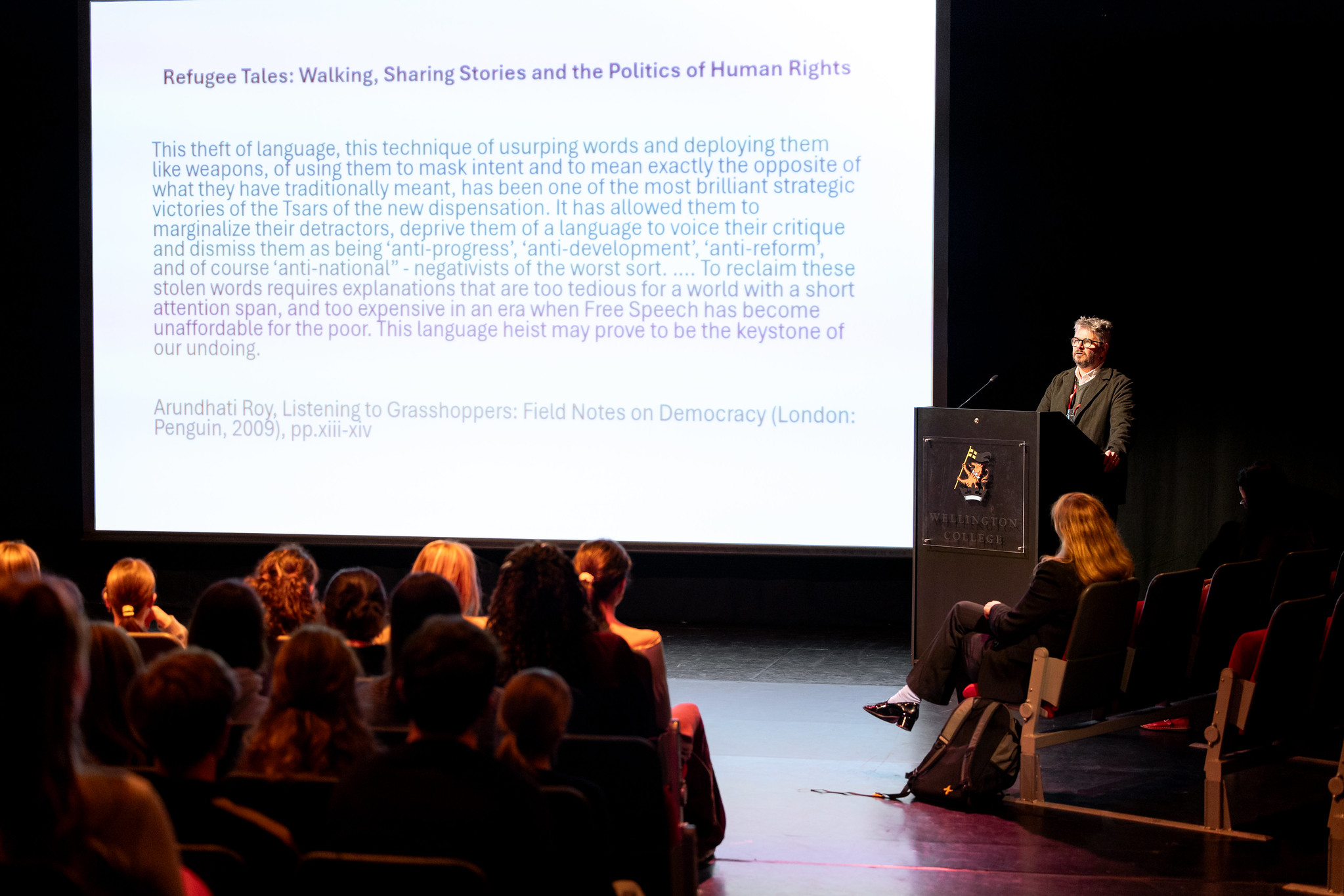
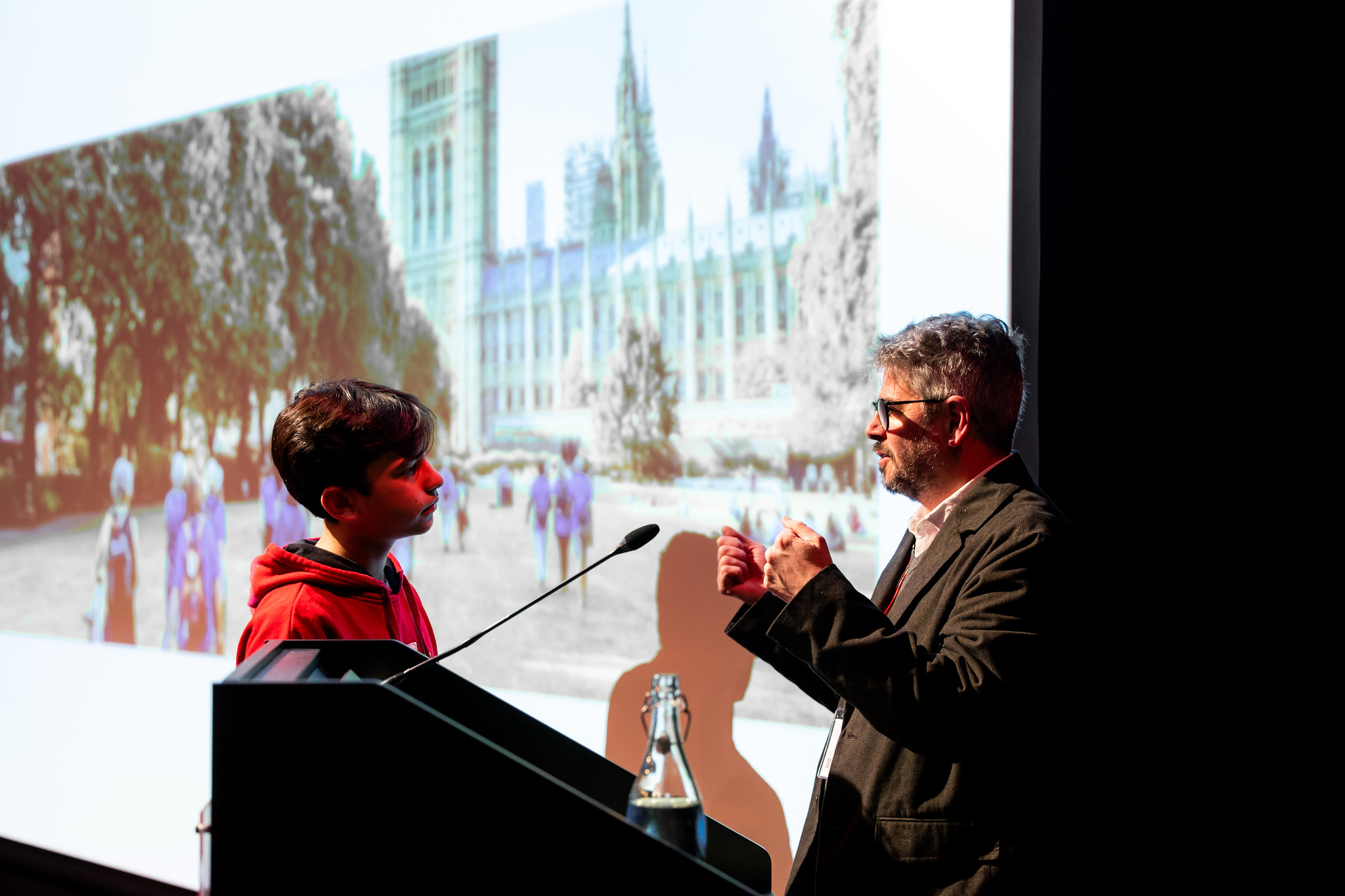
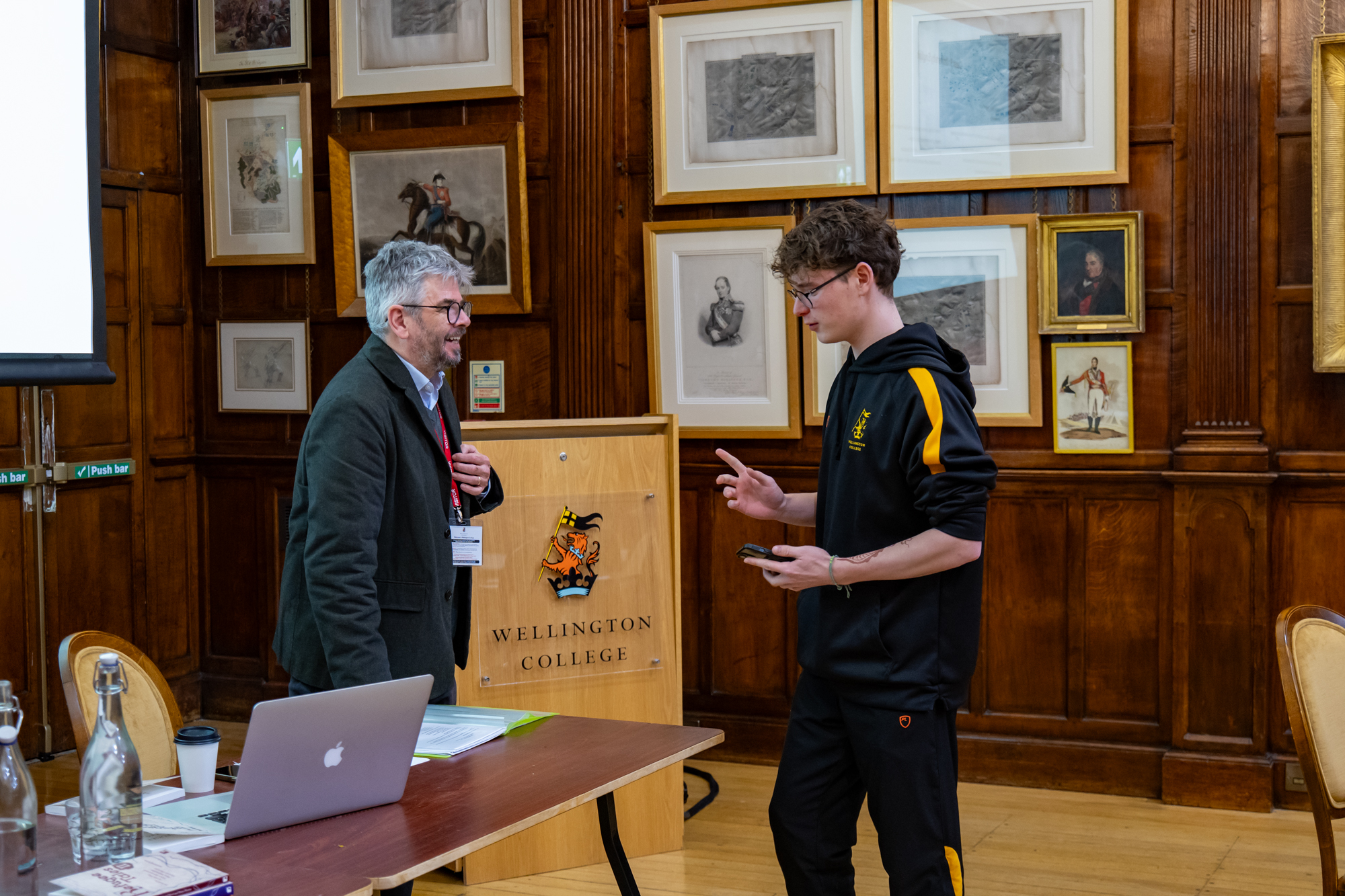
Wellington College was delighted to welcome Professor David Herd of the University of St Andrews as Academic in Residence for an intellectually rich and deeply moving two-day visit. A leading scholar of contemporary literature and human rights, Professor Herd’s work explores refugee experience, immigration detention, and the power of storytelling as a force for social justice. He is co-founder of the Refugee Tales project and author of Writing Against Expulsion in the Post-War World.
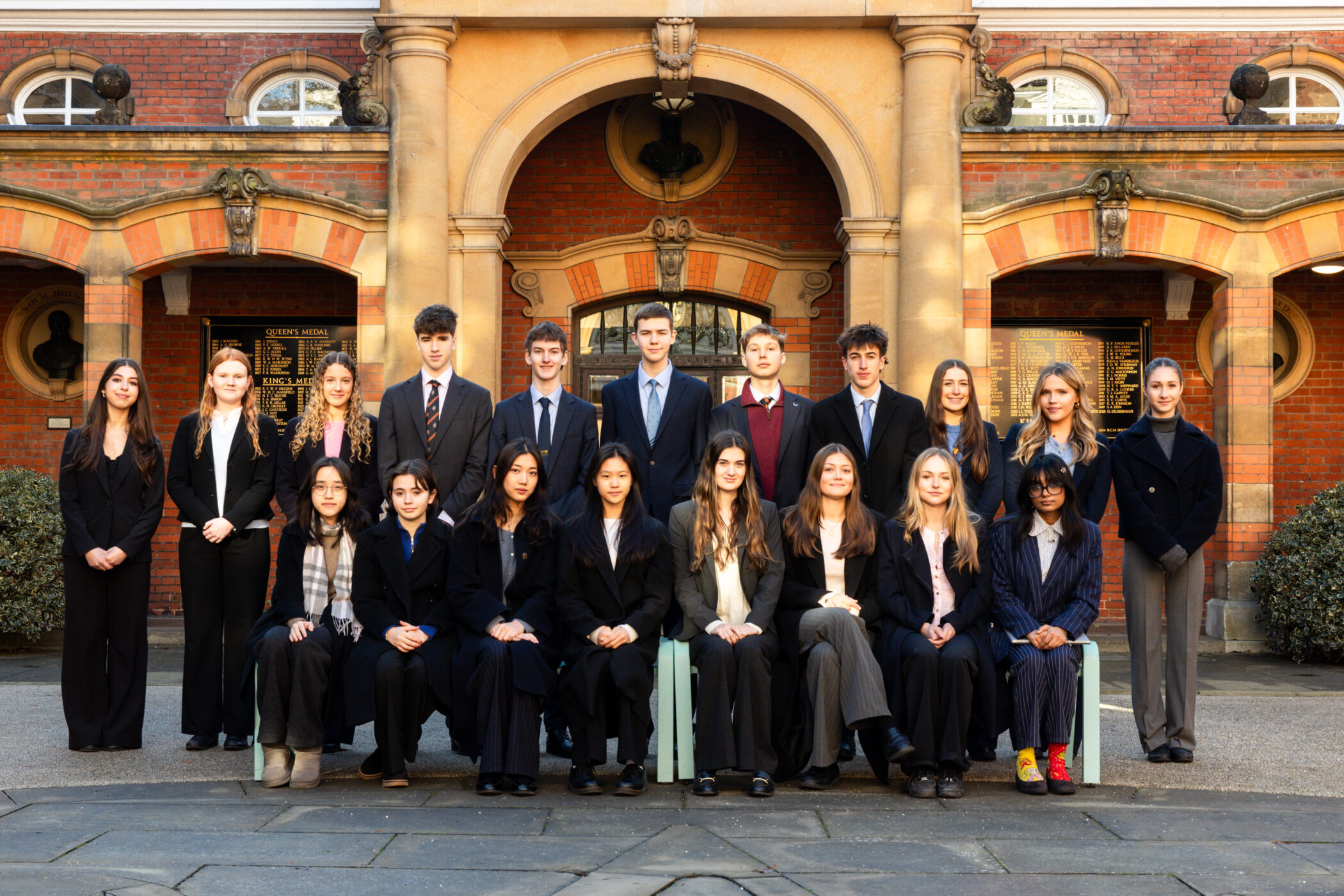
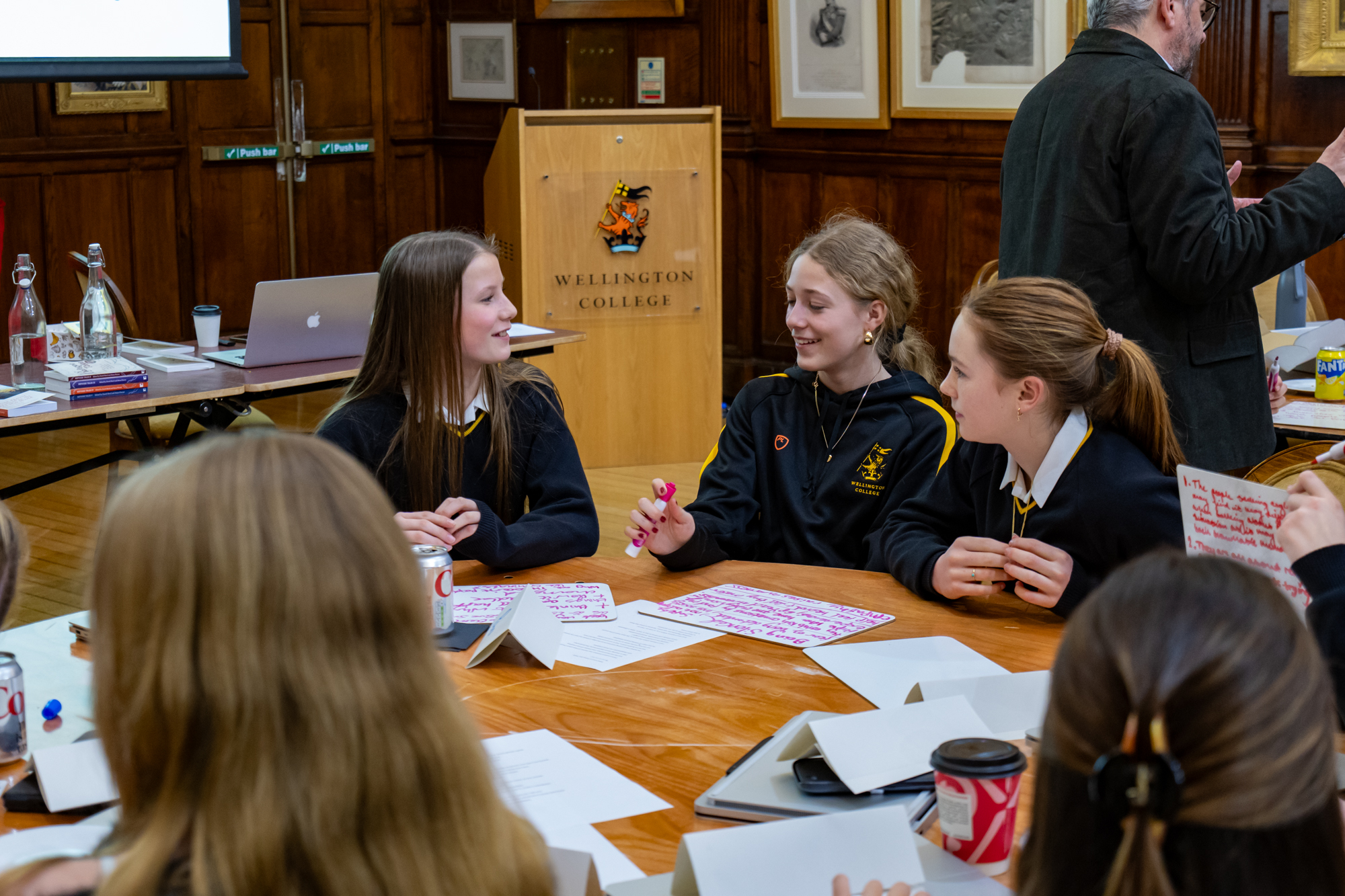
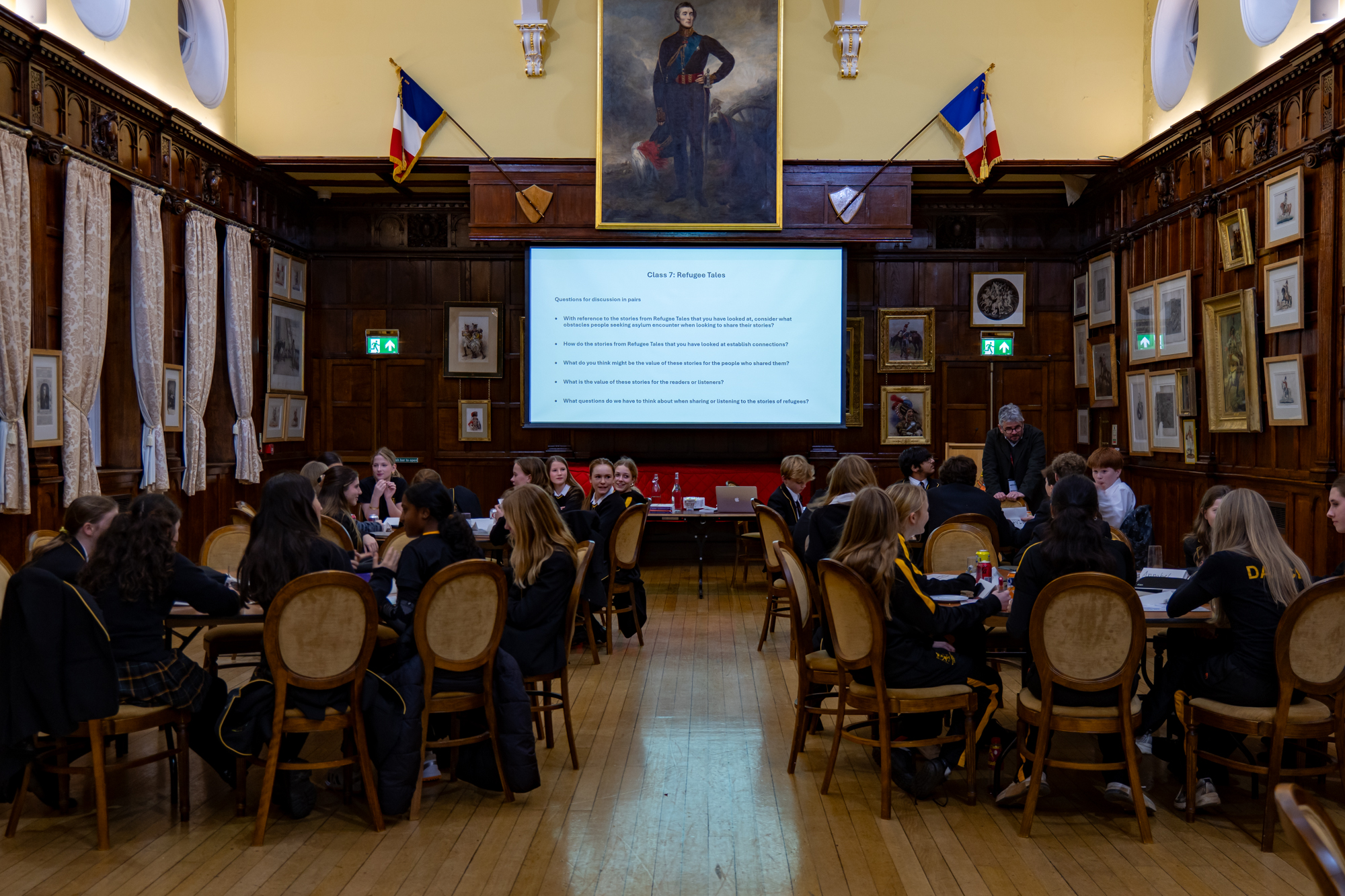
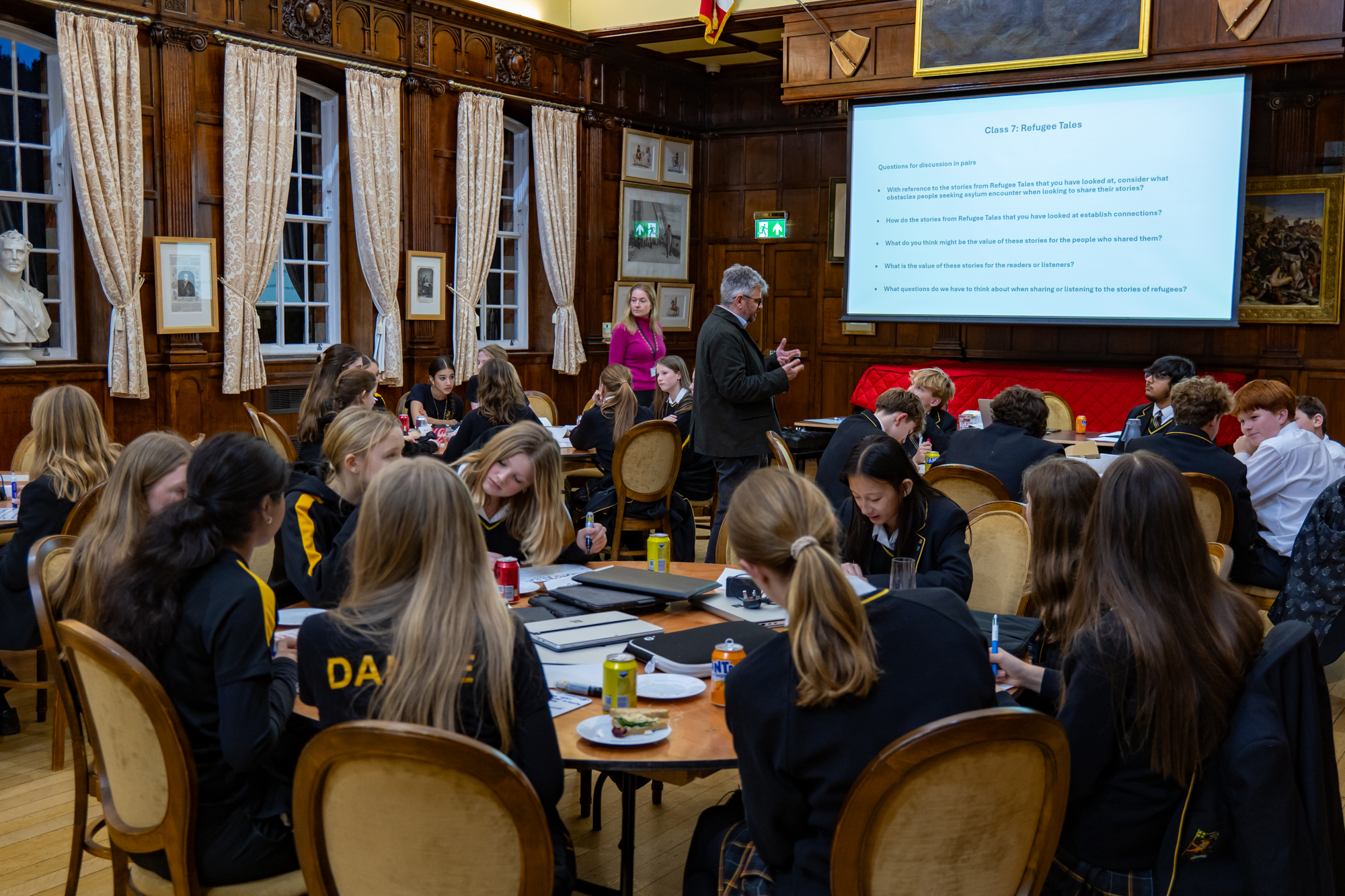
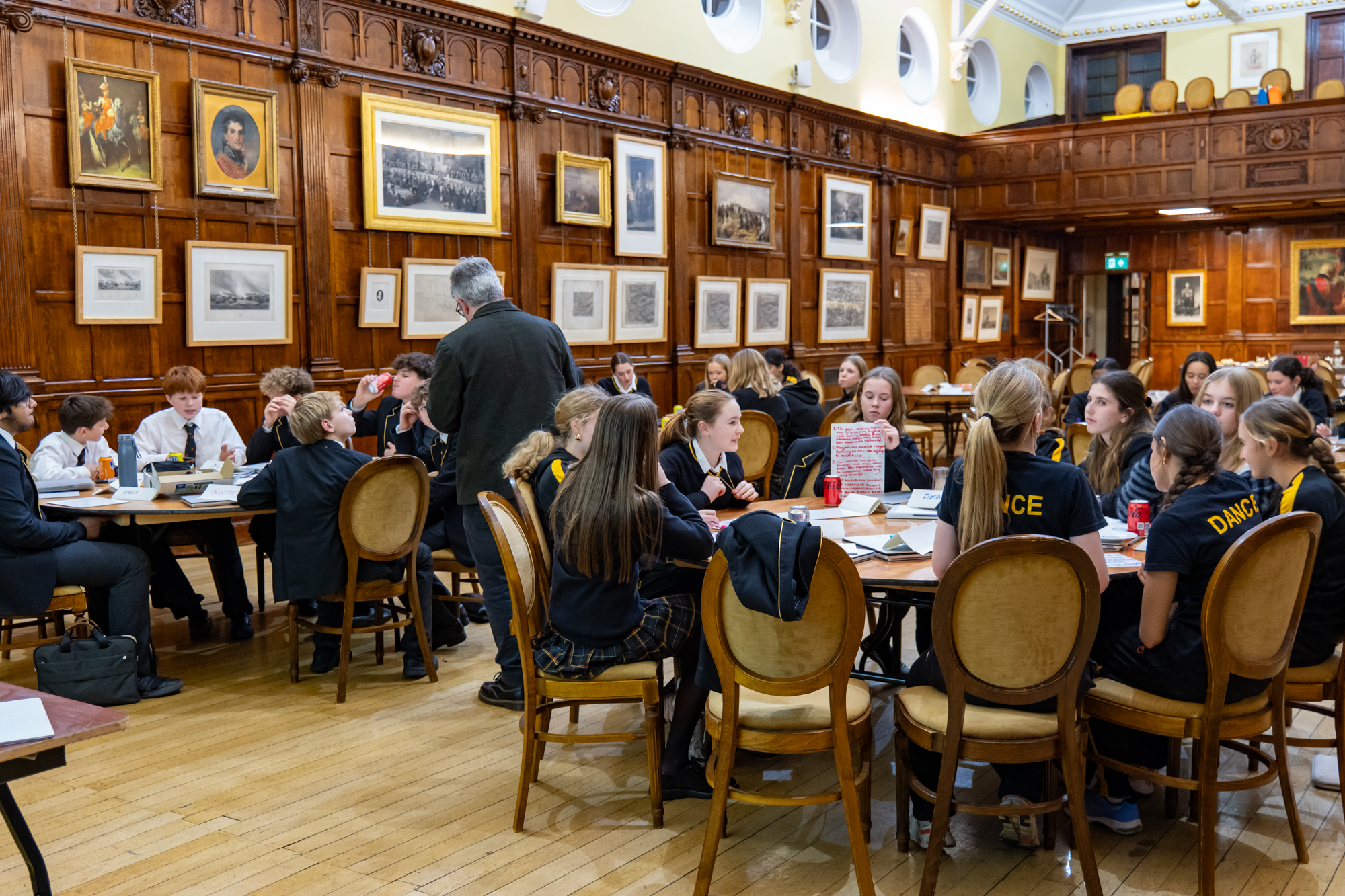
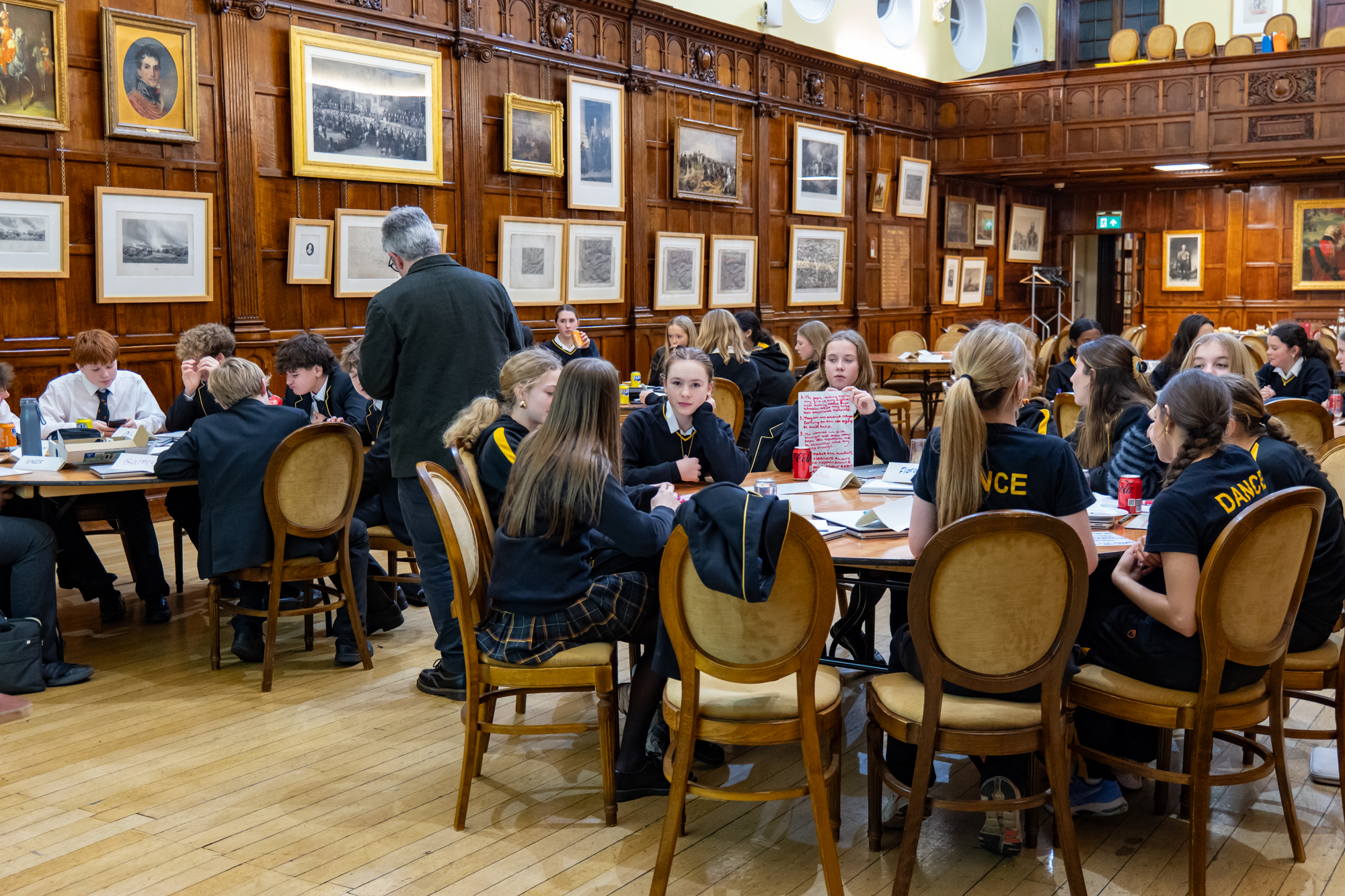
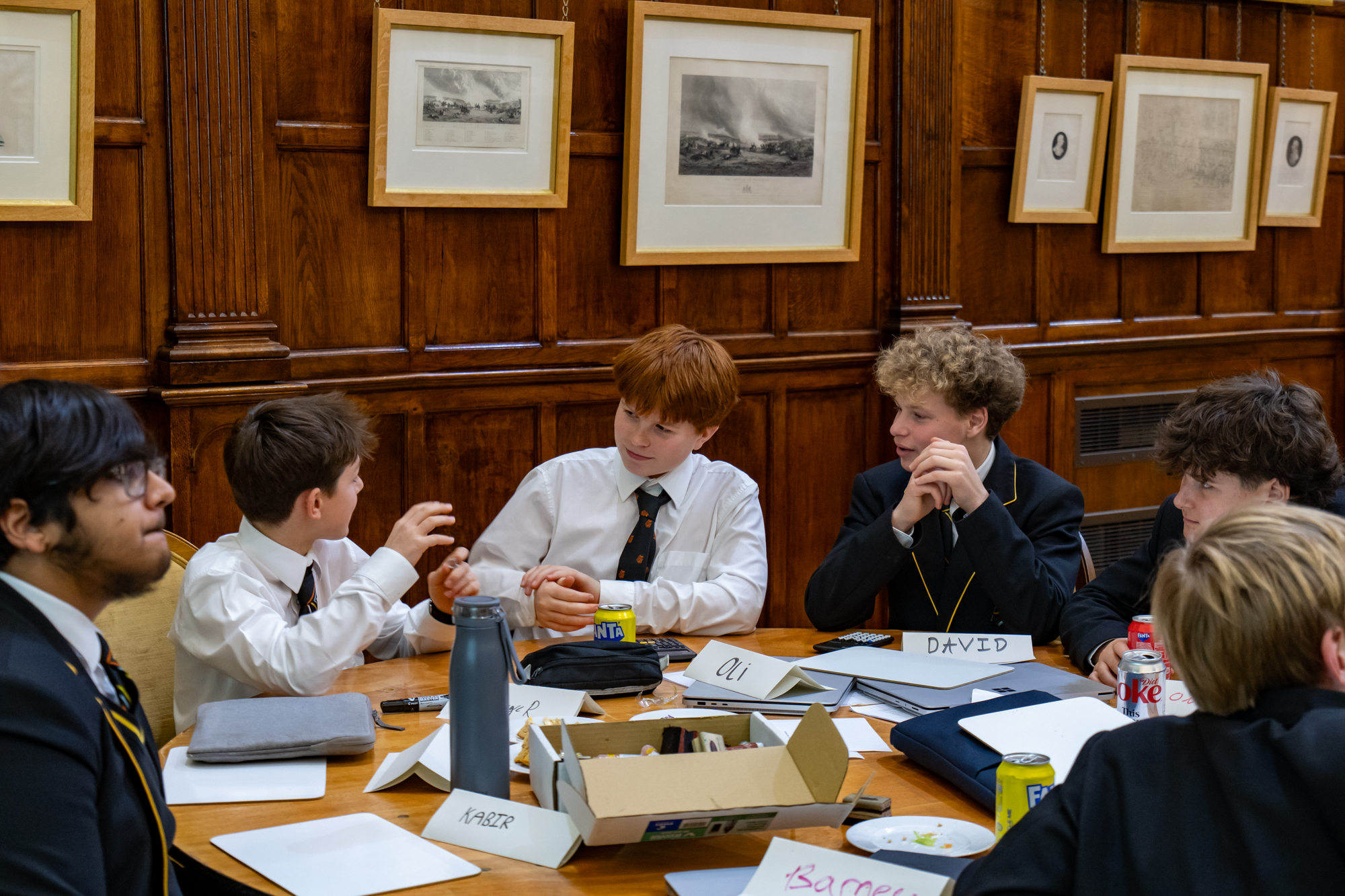
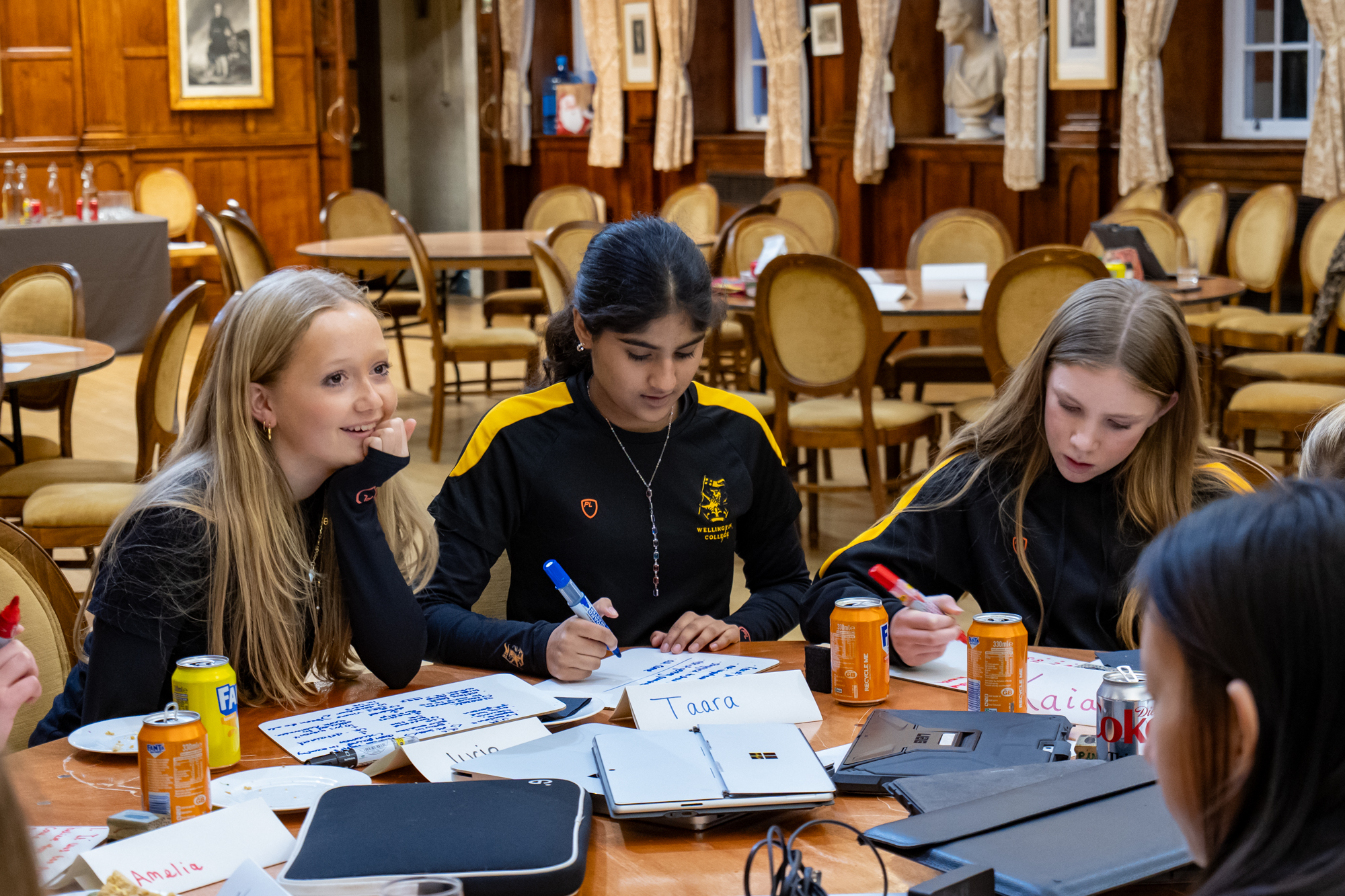
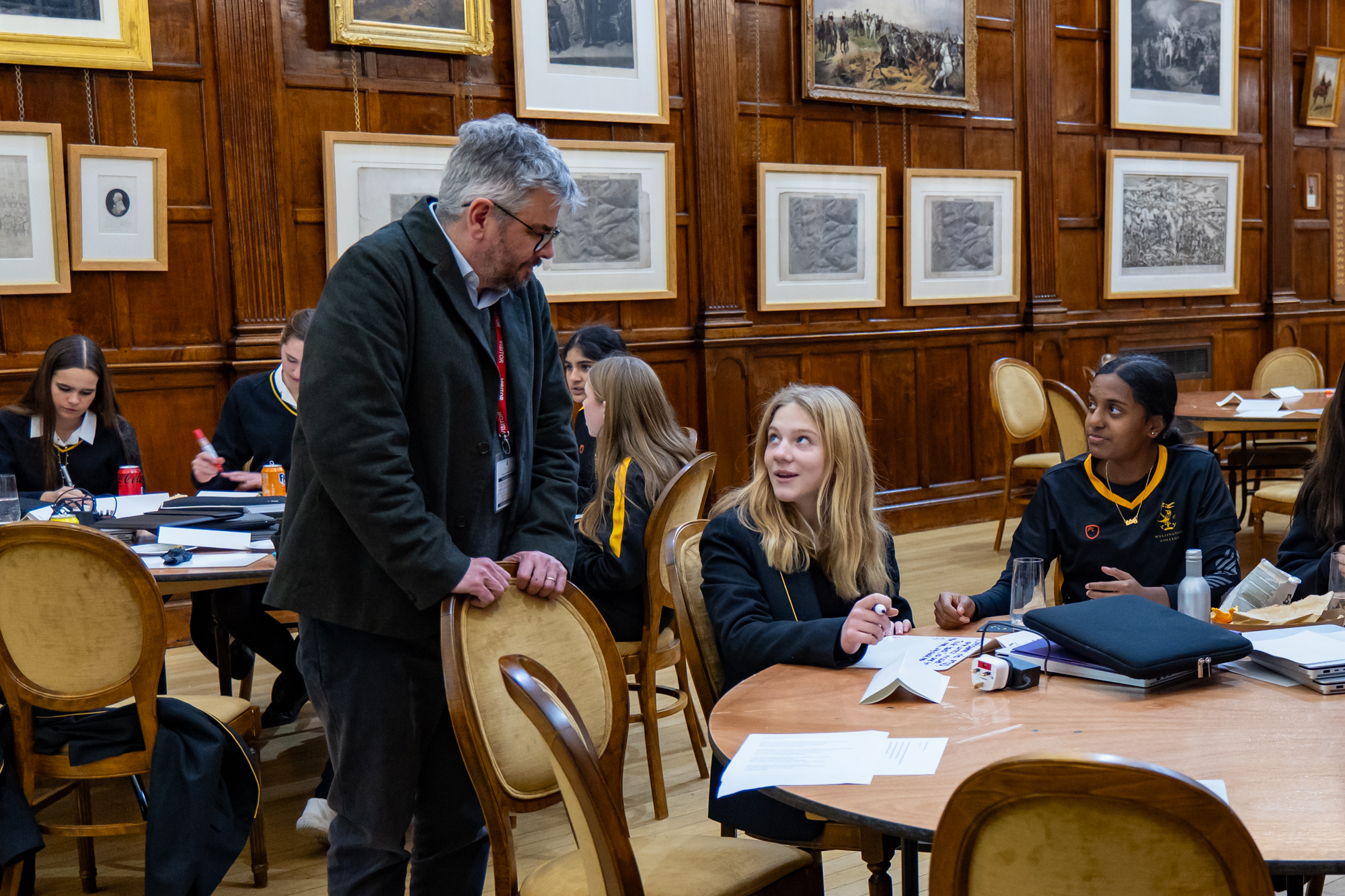
Across nine talks and workshops, engaging pupils from Third Form to Upper Sixth and spanning subjects including Geography, Politics and English, Professor Herd invited students to consider migration not as an abstract political issue, but as a lived human reality shaped by narrative, ethics and power.
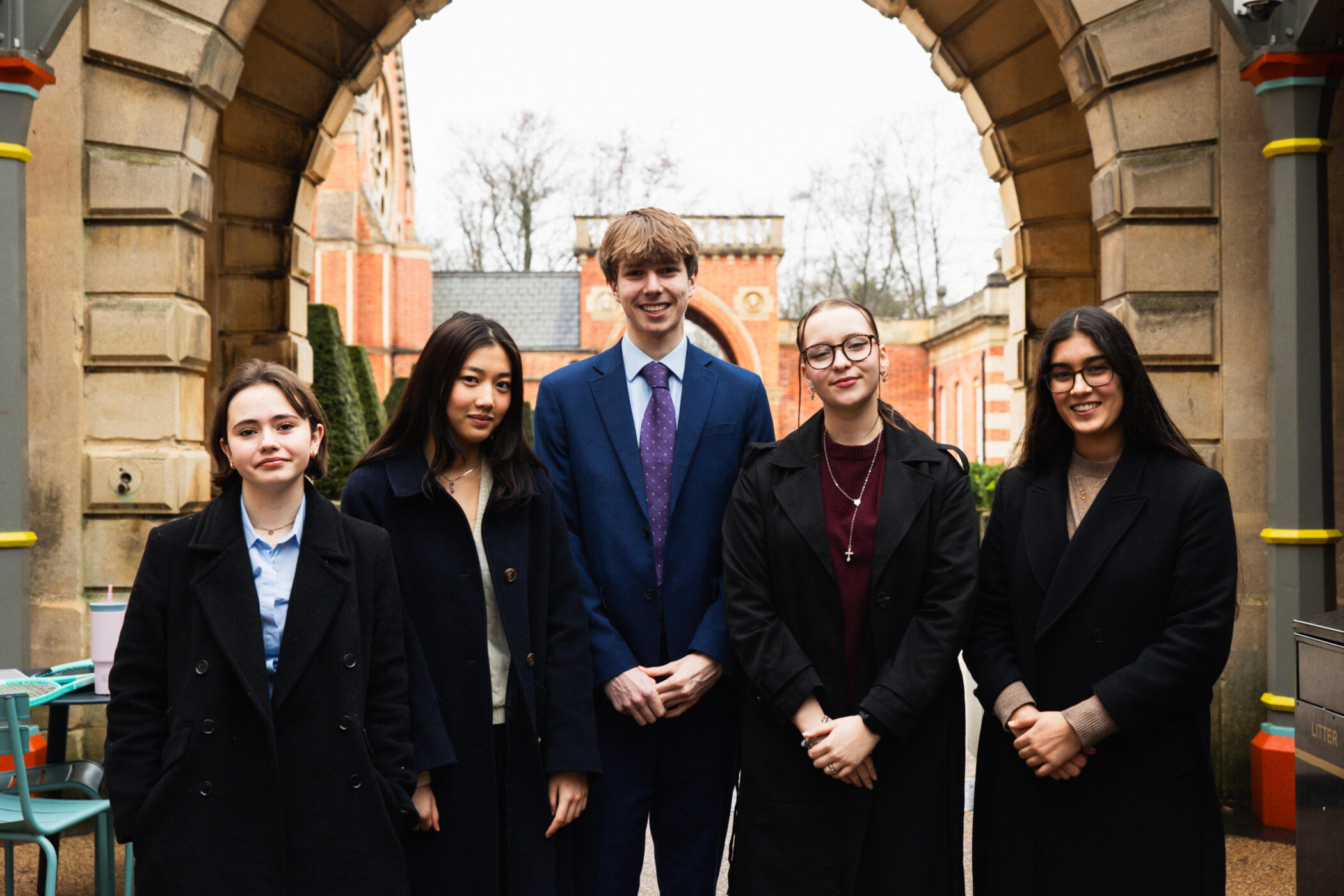
Central to many of the sessions was the idea that storytelling is not merely descriptive, but transformative. Reflecting on the Politics session, Sienna described the experience as “very eye opening on many different levels,” explaining that storytelling enables refugees to feel “heard, seen and accepted into a new society,” while also challenging listeners to question “their own morals, but also the morals of the country that they are living in.” She noted the powerful connection between storytelling, politics and the realities of global migration.
Similarly, Roselie, who attended a Fourth Form Academic Scholars session focused on connection, reflected on the emotional force of personal narrative: “Unlike a statistic or a generalised statement, a personal account sparks real human empathy and compassion.” Referencing a quotation by Hannah Arendt shared during the session, she concluded that “storytelling is a fundamental part of life, as our stories are what make us human.”
In Geography and Politics workshops, pupils explored themes of power, mobility and belonging, examining how migration is shaped by both physical landscapes and political controls such as detention centres. Aurelia and Matilda, who attended both the Fireside Talk and Geography workshop, reflected on how the sessions reframed their understanding of geography itself: “It showed how movement can be restricted for some people but freely experienced by others, raising important geographical questions about power and mobility.” They emphasised the impact of hearing individual stories, which allowed them to see refugees “not as statistics, but as real people with distinct experiences and struggles.”
These ideas were further explored through discussions of indefinite detention, compromised human rights and the moral responsibilities of host countries, encouraging students to engage critically with the political and ethical dimensions of migration.
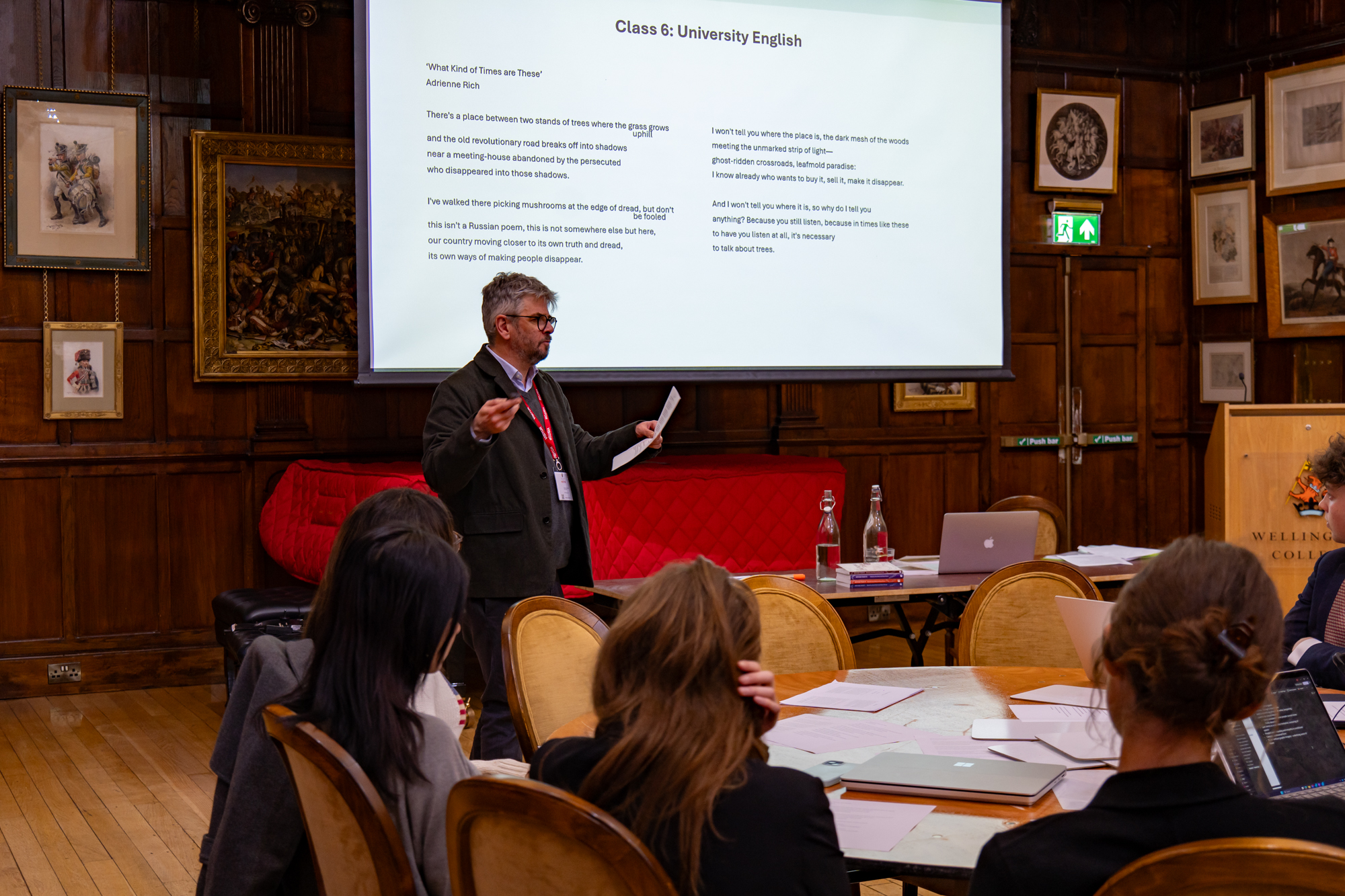
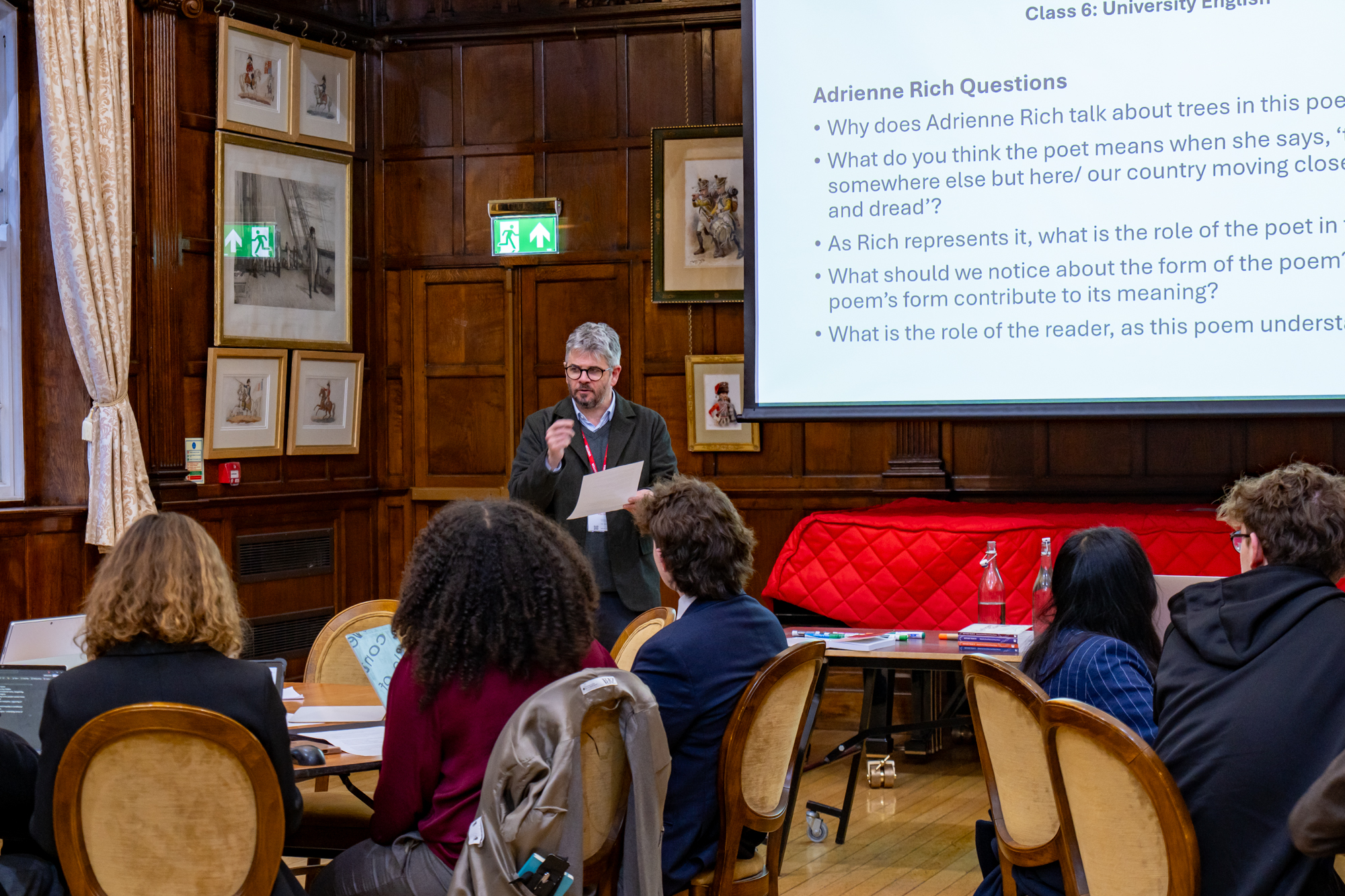
Professor Herd’s English sessions explored the role of time, place and voice in poetry and prose, demonstrating how literature can capture ordinary moments while holding profound emotional power. Carlo, a Third Form pupil, reflected that the session “completely changed my view of poetry,” helping him realise that poetry can emerge from “ordinary, everyday moments,” and that careful attention to time and place can make readers feel “as if we were inside the poem.”
For students preparing to read English at university, a seminar on Writing Against Expulsion in the Post-War World offered a challenging and rigorous engagement with contemporary literature, ethics and responsibility. Reflecting on her experience across multiple sessions, including the Fireside Talk, dinner and Upper School English extension, Milana described Professor Herd’s exploration of Refugee Tales as “a moving demonstration of the power of solidarity and storytelling.” She noted how collective storytelling can restore voice, reframe hostile public narratives and contribute to what Professor Herd described as a “new politics of solidarity.”
Younger pupils were equally challenged and inspired. Freya, who attended a Third Form Scholars session, highlighted the impact of group discussion, particularly questions such as “what is the value of refugees telling their stories?” She explained that these conversations encouraged her to think more deeply and empathetically, concluding that the workshop was “extremely interesting, digging into significant topics and teaching us through stories.”
Reflecting on the visit, Amanda Campion, Director of Academic Extension, described the two days as “deeply moving and intellectually energising,” highlighting the breadth of engagement across year groups and subjects. She noted that stories such as that of Pious Keku revealed the profound human cost behind migration statistics, while also conveying hope, showing how storytelling and careful listening can create spaces of welcome, care and human connection.
Nancy Cho, Head of Upper School Scholars, reflected that “underlying all the varied sessions was the question of how we, as individuals and communities, might actively protect our humanity. Professor Herd prompted students to think anew about the urgent need for deepening empathy, fostering the imagination, and asking questions with courage.”
Professor Herd himself described Refugee Tales as “the work of many hands, many voices and many feet,” a phrase that resonated strongly with pupils throughout the visit. Through shared stories and shared enquiry, students encountered migration as a deeply human experience, and storytelling as a powerful force for empathy, understanding and change.
Professor Herd’s residency exemplified the purpose of Wellington’s Academic in Residence programme: to challenge, inspire and connect students with ideas that matter intellectually, ethically and humanly.
Anyone interested in exploring these ideas further may wish to learn more about Refugee Tales, the project at the heart of Professor Herd’s work. Refugee Tales brings together walking, storytelling, music and community in solidarity with refugees, people seeking asylum and those who have experienced immigration detention, creating spaces of welcome, care and shared humanity.
Details of the Refugee Tales Walk 2026 (8–12 July 2026, Angmering to Portsmouth) and evening events can be found here: https://www.eventbrite.co.uk/e/refugee-tales-2026-tickets-1977722840254?aff=oddtdtcreator

Prev article
Next article