

Find out more

19 September 2025

News
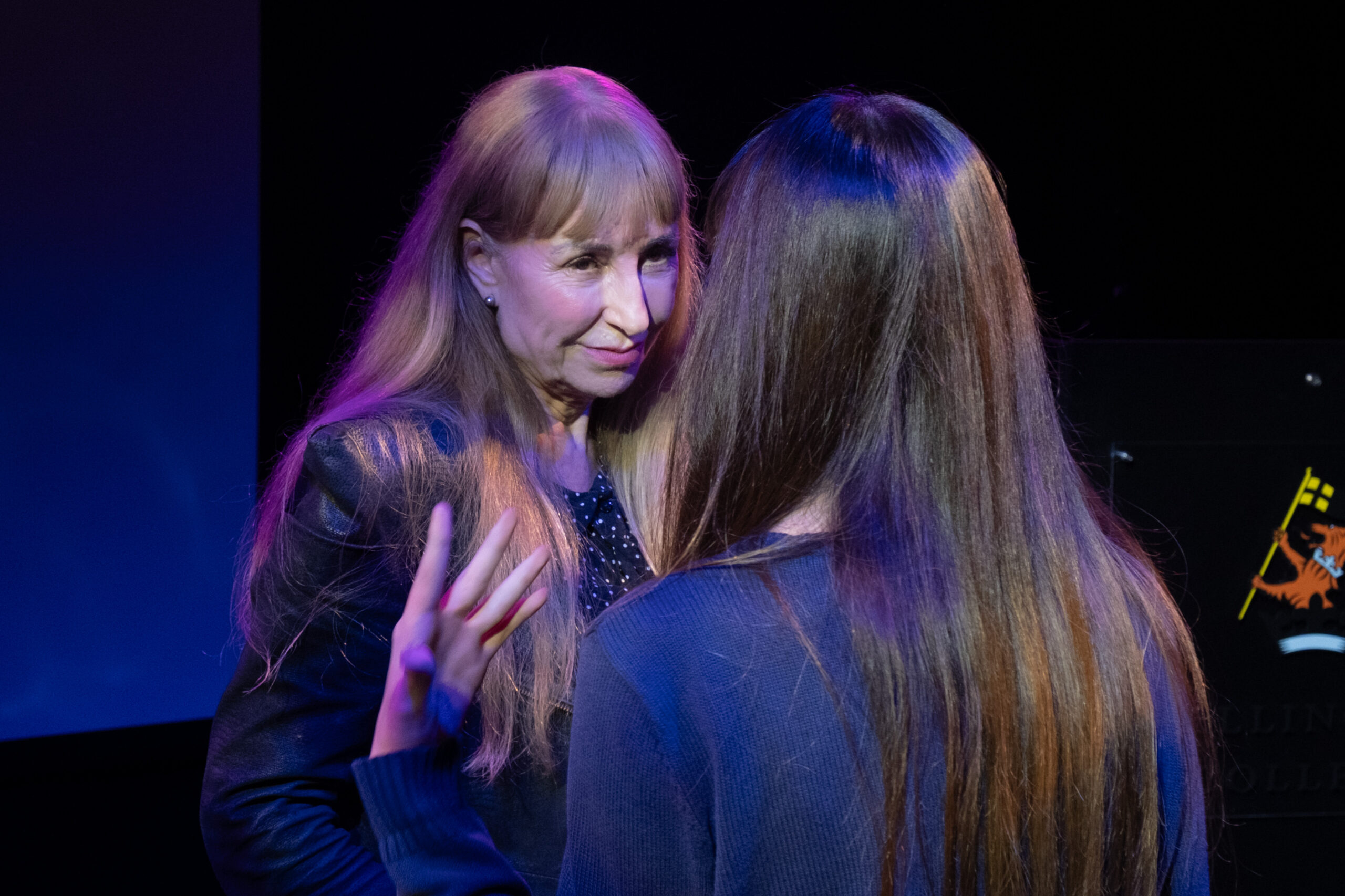
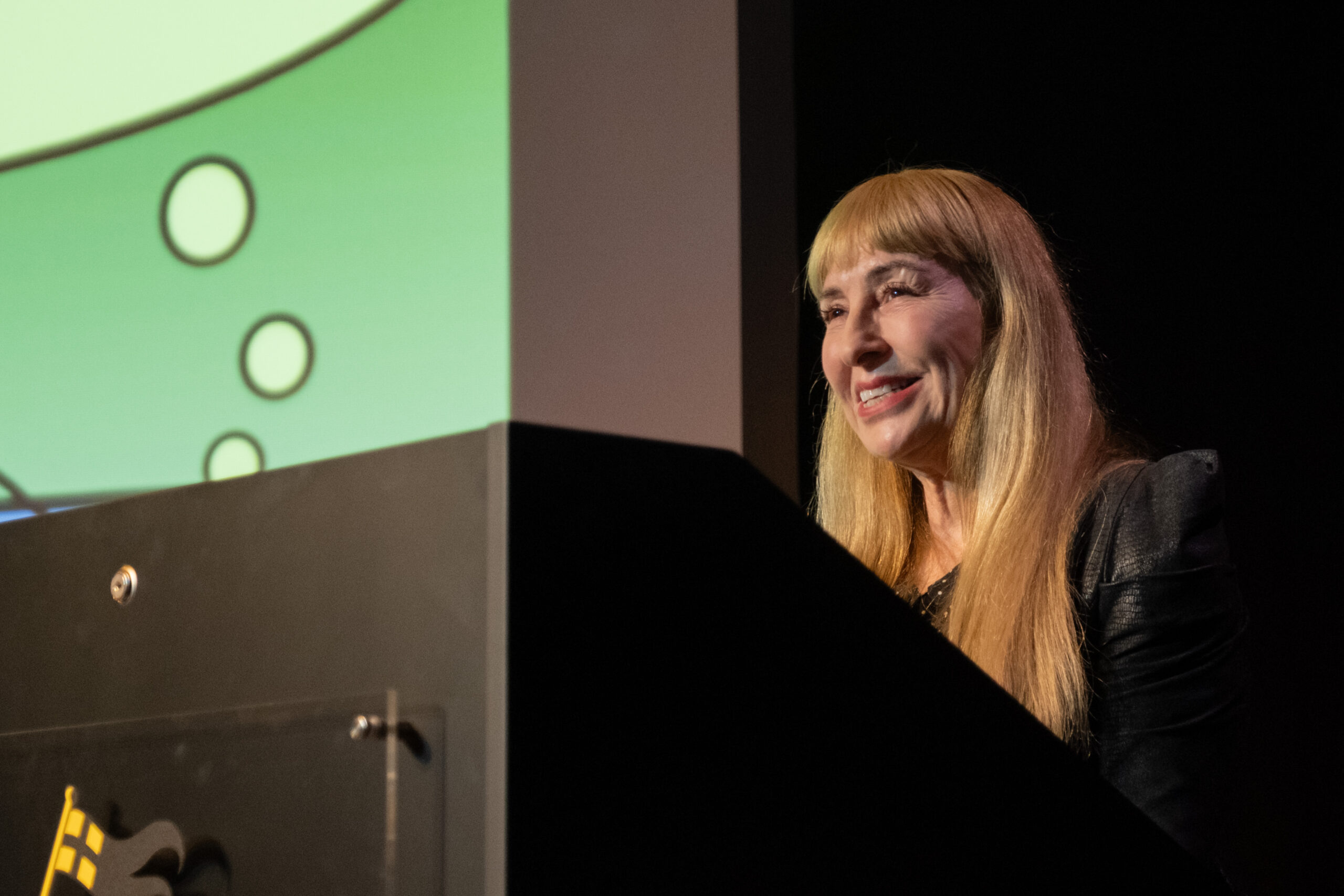
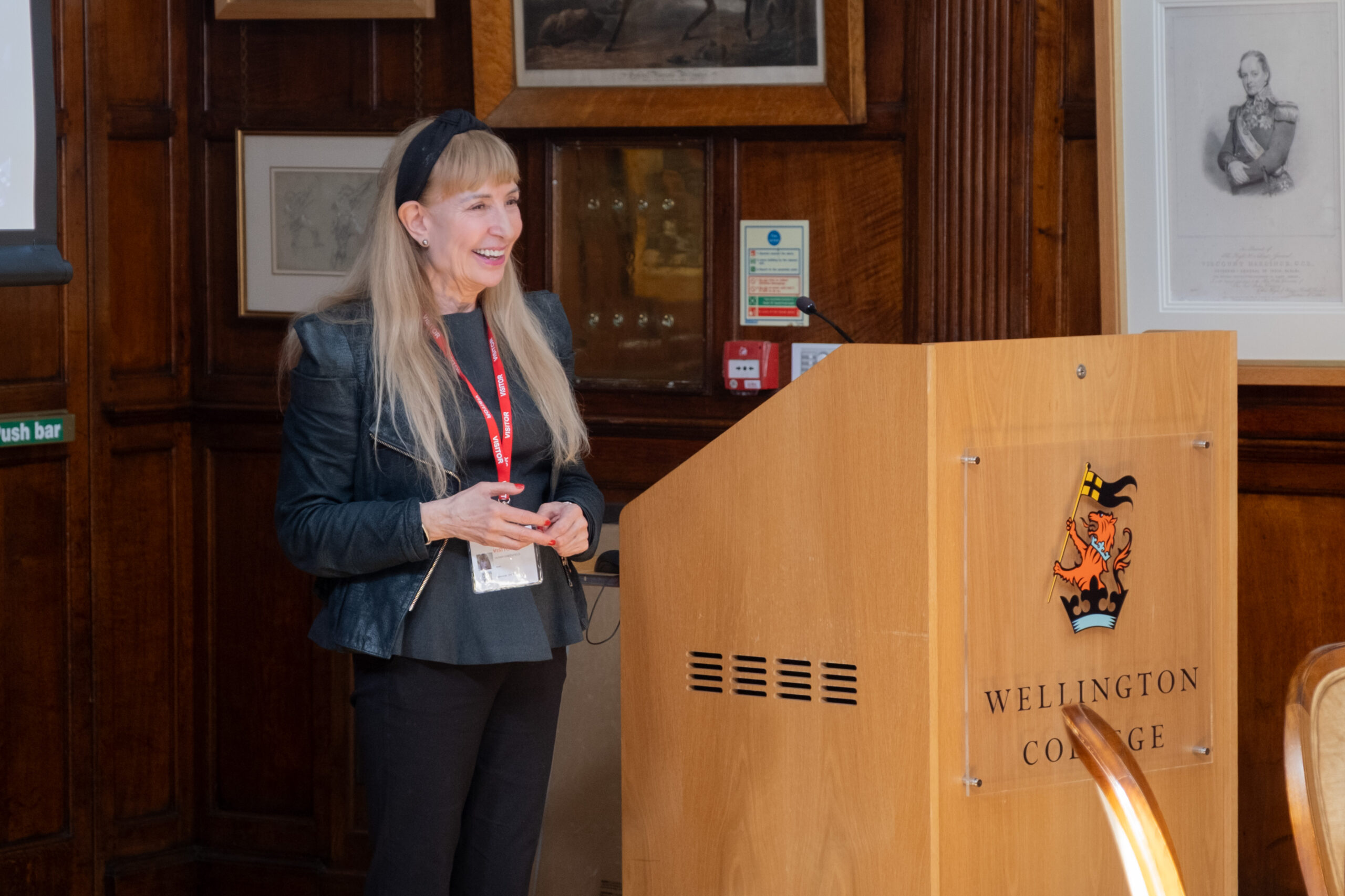
This week, Wellington was privileged to host Baroness Susan Greenfield, renowned neuroscientist, author, and founder of Neuro-Bio Ltd, as our Academic in Residence. She shared her expertise with the entire school community, students, staff, parents and OWs, through an extraordinary programme of talks and workshops, ranging from busting popular brain myths to exploring the very frontiers of neuroscience research.
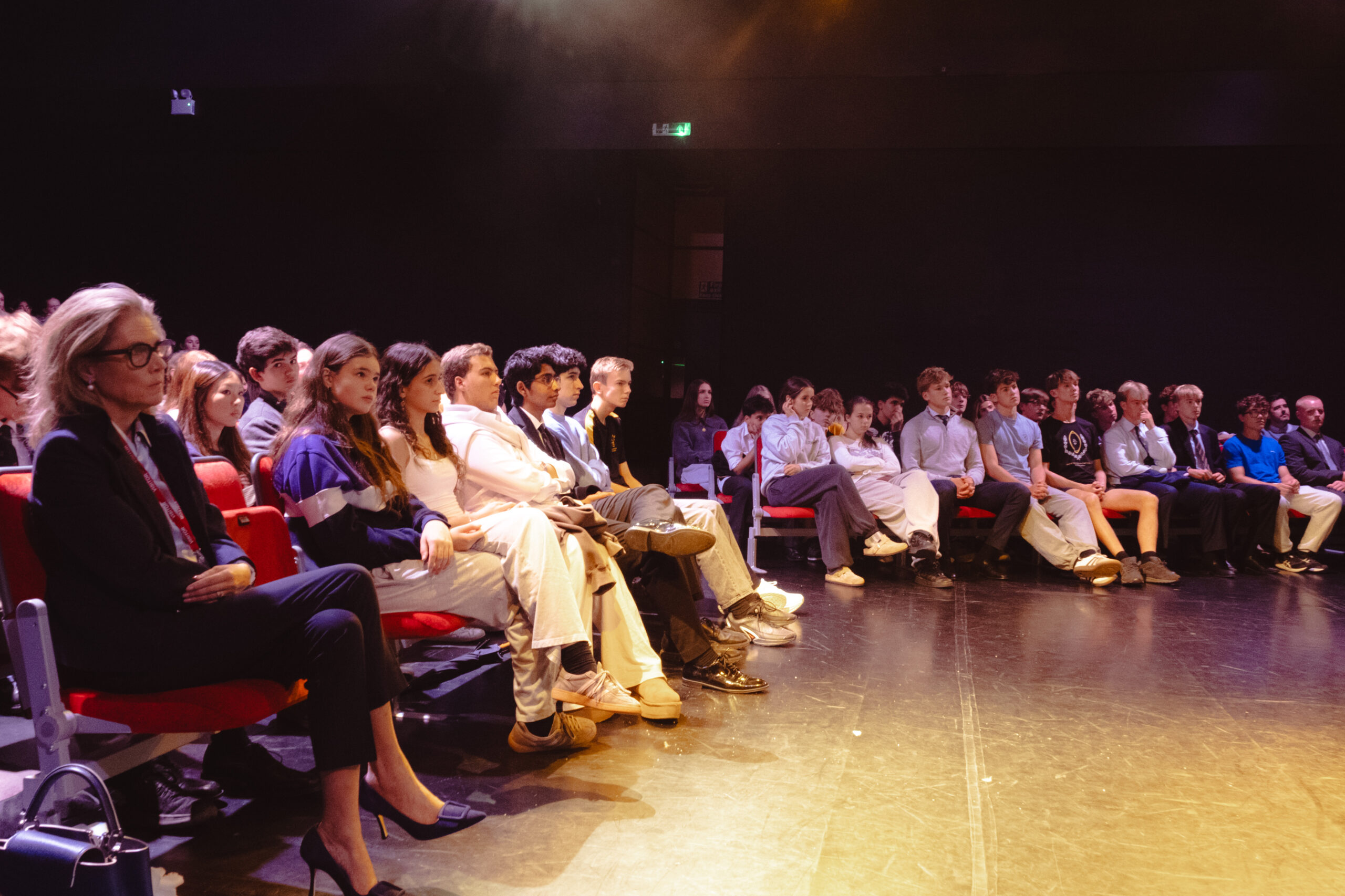
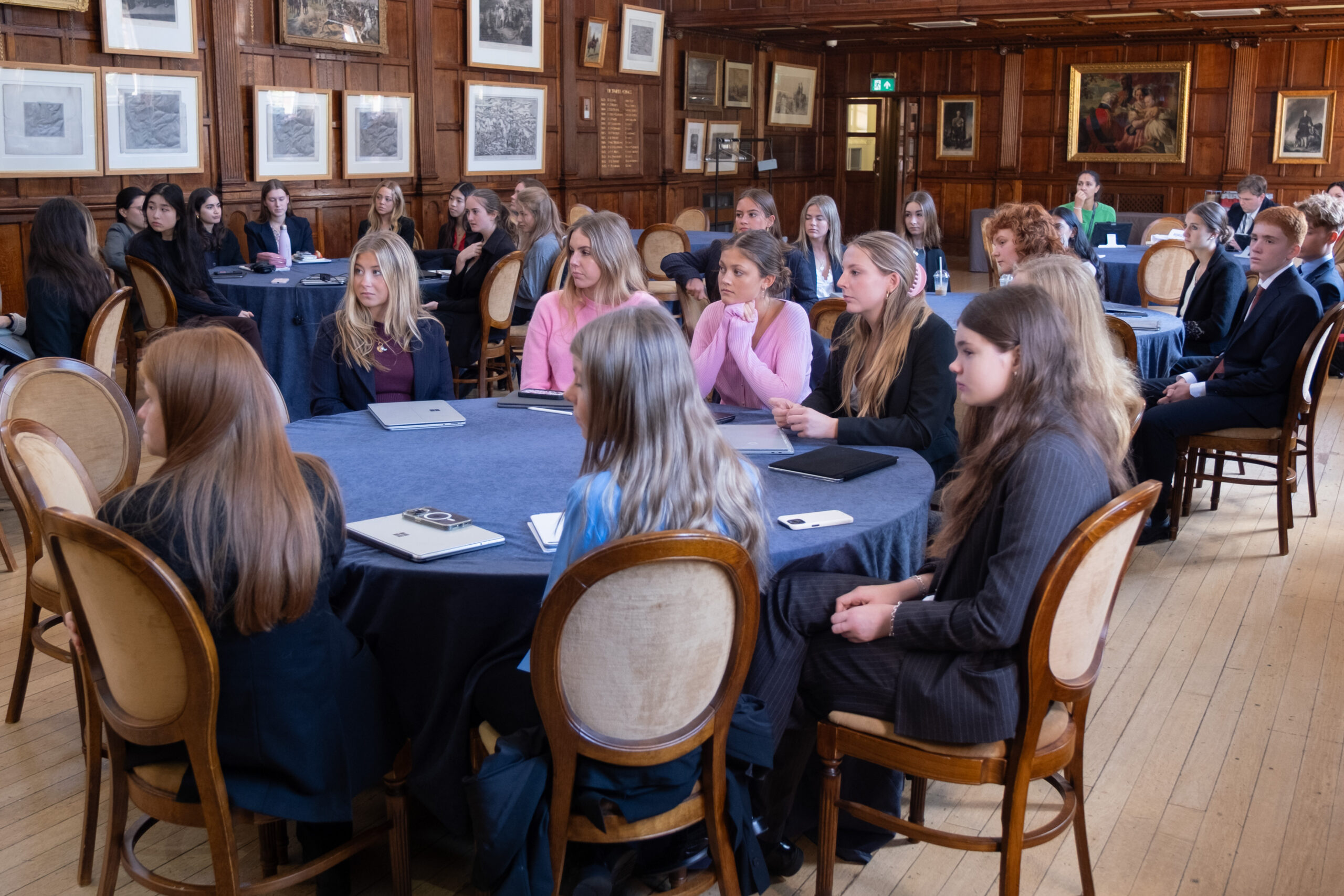
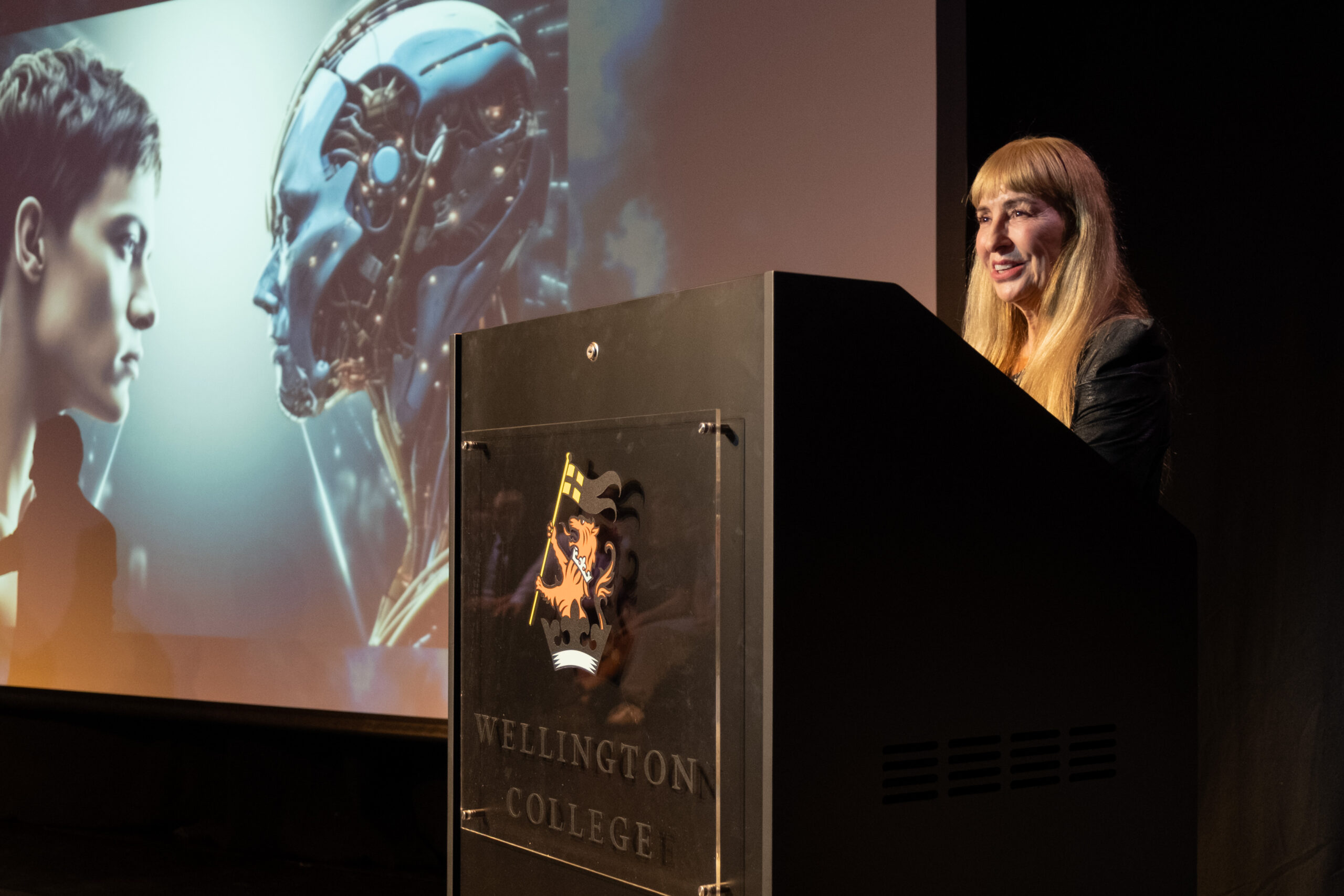
The residency opened with a captivating Fireside Talk on “Being Human in the Age of AI.” Baroness Greenfield reminded us that while AI is a powerful tool for the human mind, it can never replace it. Only humans, she explained, have agency, empathy and true creativity, qualities that cannot be outsourced to silicon. The discussion explored the role of touch, human connection and shared experience in shaping who we are. Perfectly pitched for its audience, the talk left listeners thoughtful and inspired. Baroness Greenfield’s warmth, humour and empathy shone through as she engaged with both young people and adults, making even the most complex ideas accessible and exciting.
“It was such an incredible opportunity to speak to Baroness Greenfield after her talk. The most striking idea to me was the sheer importance of human integration and social context in developing the mind and the brain, especially in contrast to my previous, admittedly slightly more reductivist machine-learning perspective.”
— Raghav R, Fifth Form Academic Scholar
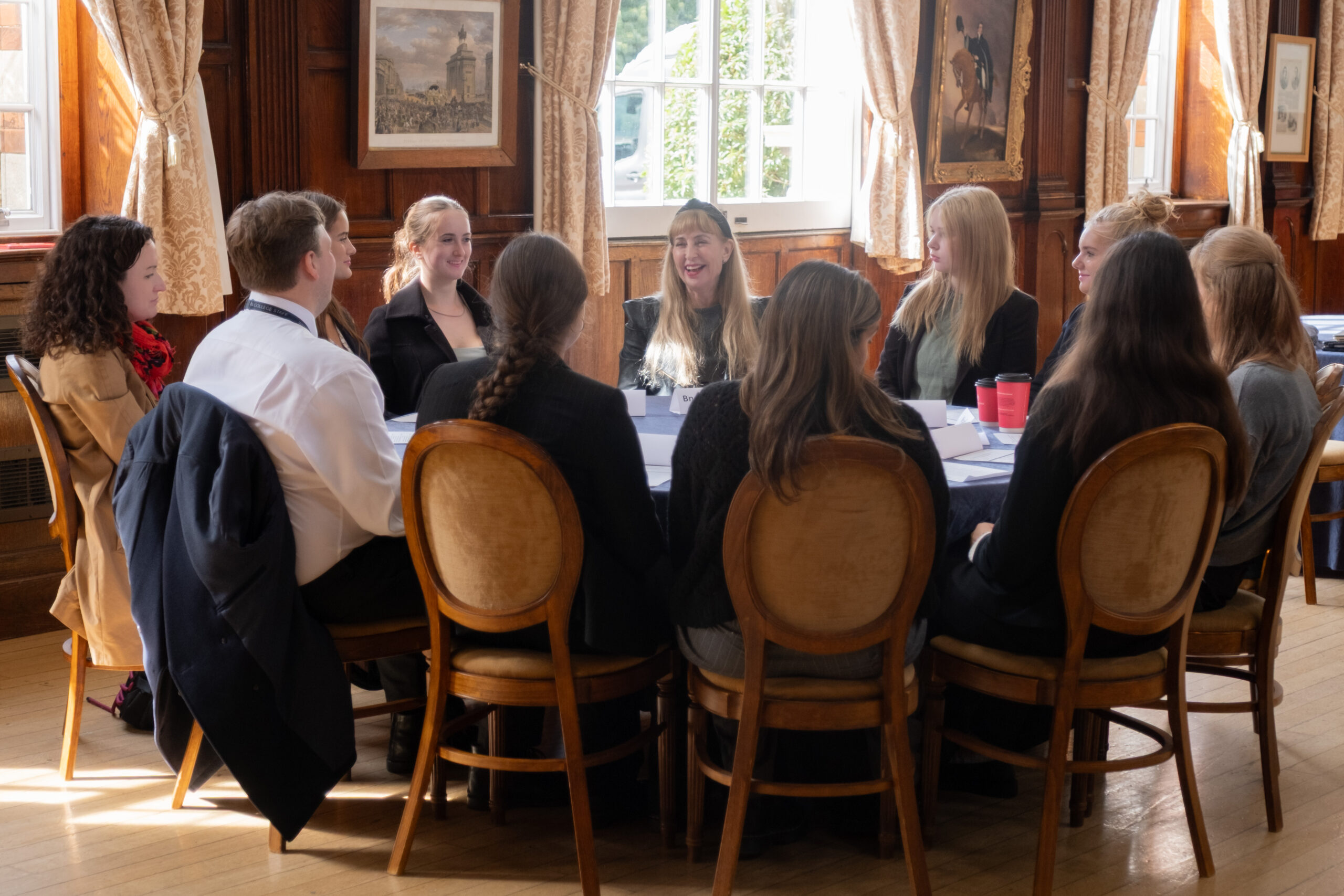
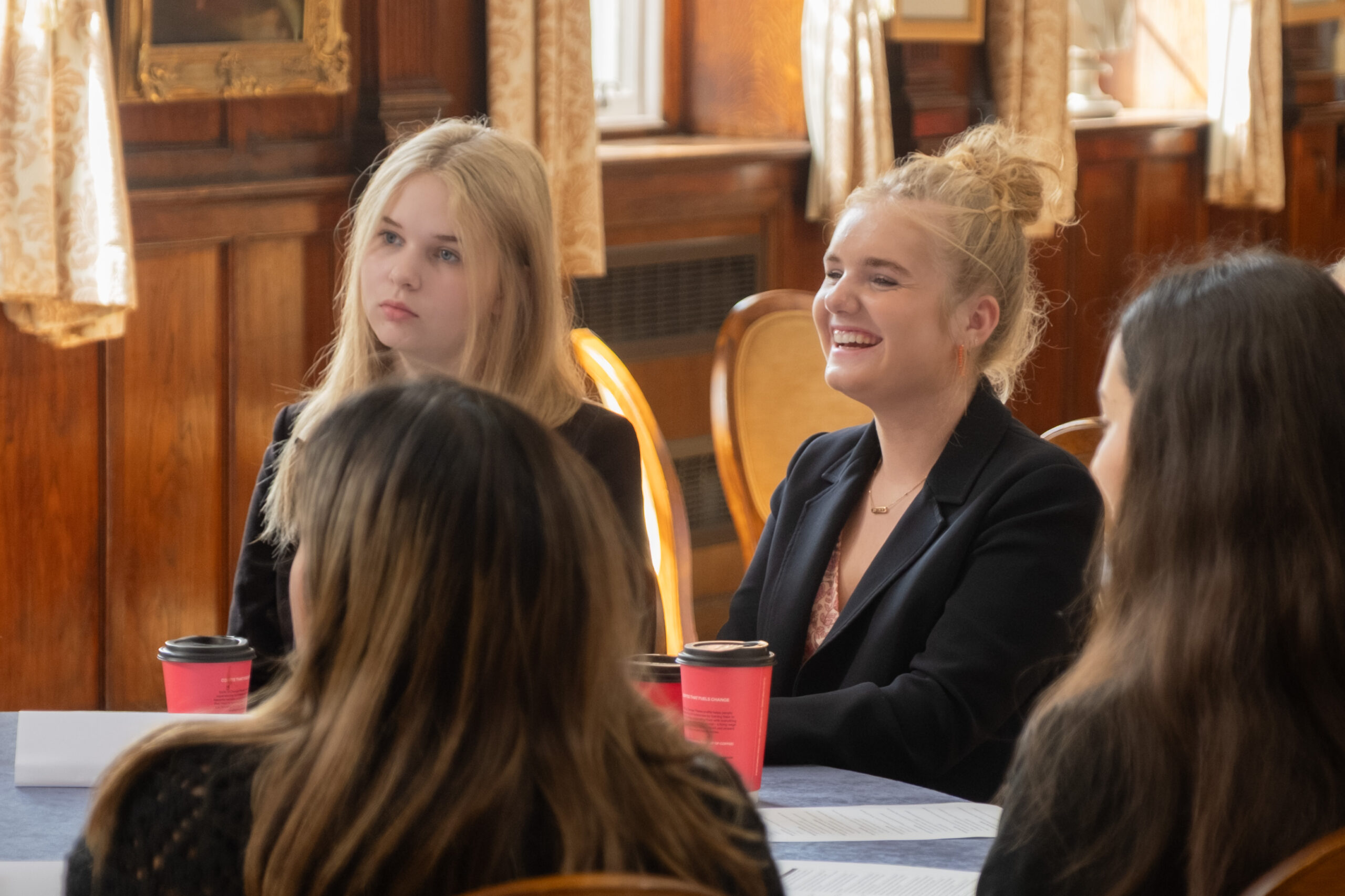
Our Sixth Form biologists were treated to a masterclass on “The Biology of Consciousness”, exploring what triggers consciousness and how personal experience shapes it. Philosophy and Psychology students joined Baroness Greenfield for a fascinating session on neuronal assemblies, tackling profound questions about identity, free will and the nature of thought itself. The Researchers’ Roundtable gave students completing Extended Essays and EPQs on neuroscience-related topics a rare opportunity to present their work, discuss methodology and receive direct feedback from Baroness Greenfield. A hard-hitting session for aspiring biochemists and medics explored the groundbreaking research underway at Neuro-Bio Ltd, where Baroness Greenfield shared exciting developments towards a possible cure for Alzheimer’s disease.
Creativity met science at the Neuroscience and Literature Lunch, where students discovered how storytelling, language and imagination activate the brain. They explored the neurological basis of memory and emotion, realising that reading literature is not just an artistic pursuit but a deeply biological experience. Our Y10 and Y11 Academic Scholars joined an interactive workshop based on Baroness Greenfield’s acclaimed book, A Day in the Life of the Brain: The Neuroscience of Consciousness from Dawn Till Dusk. Students mapped the brain’s activity across a typical day, gaining fresh insight into how thought, emotion and behaviour change. Finally, our Y9 scholars enjoyed “Myths of the Brain”, a lively session that debunked common misconceptions and encouraged them to think critically about how the brain really works.
Baroness Greenfield’s residency left the entire Wellington community inspired, energised and ready to explore the vast, uncharted territory of the human mind. It was more than a series of talks, it was a call to curiosity, to connect disciplines and to imagine a future where understanding the brain might unlock solutions to neurodegenerative disease such as Alzheimer’s and dementia.

Prev article
Next article