


Global Citizenship at Wellington College
Global Citizenship at Wellington College
Foundations
There are two key foundations to the Global Citizenship programme: the Wellington College values linked to the duty to serve, and the OECD Education for Human Flourishing framework, particularly the central competency of “Acting in the world”. Global Citizenship Education (GCED) aims to build respect, connection and caring, to empower pupils to find meaning and purpose, so that they become proactive contributors to society, developing core competencies to ensure that they are able to actively engage with the world and make positive social change.
 Collaboration
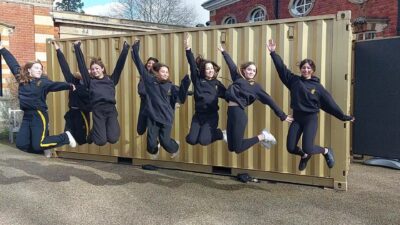
The programme could not run without collaboration, both within and outside of college. Many projects are built in partnership with local, national or international community groups. “The Big Gold Box” is an example of both, seeing the Global Education, Chaplaincy and Global Citizenship areas of college come together to deliver an immersive programme for pupils to link with communities around the world, so better understanding global issues and their interconnectedness, empathy and encourage intercultural understanding.
Arts Award
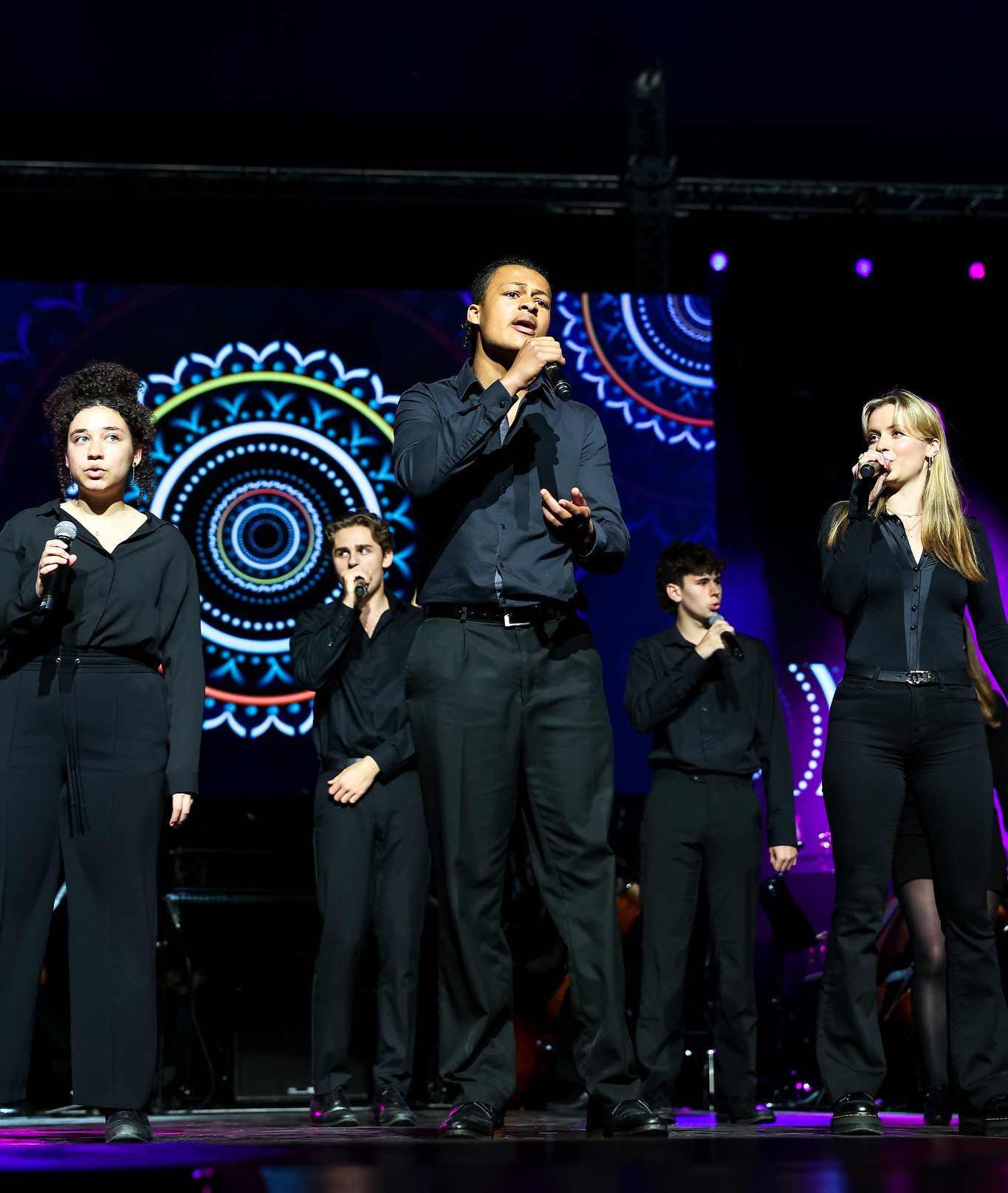
Launched in 2005, Arts Award is a national qualification that aims to help young people deepen their engagement with the arts and build their creative and leadership skills through project based learning.
Offered at a Bronze level to all 3rd Form pupils, this qualification should develop pupils interests, knowledge and skills through actively participating in an art form of their choice, passing on an arts skill, experiencing an arts event as an audience member and researching an inspiring artist or craftsperson.
5th and Sixth Forms pupils can choose to undertake the Silver Arts Award, with its defined leadership and project skills, creation of their own arts challenge in addition to becoming a reviewer and researching future opportunities and careers in the arts
Adventure & Outdoor
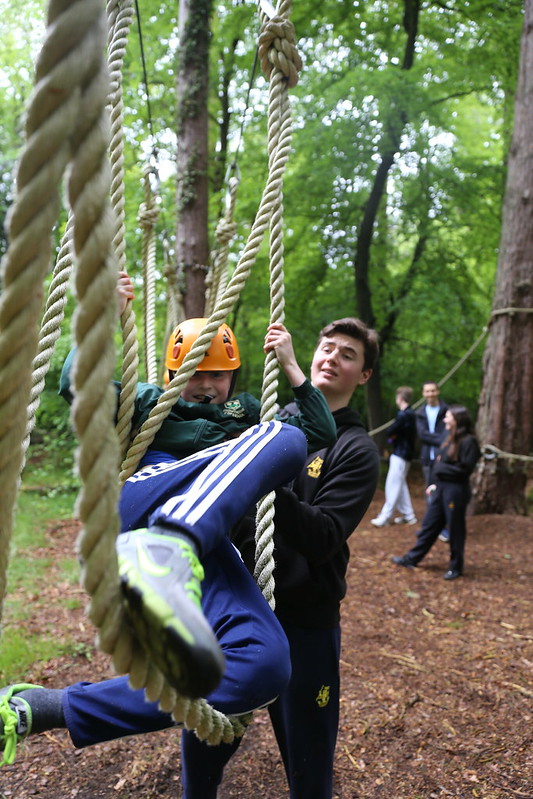
Open to Fifth and Sixth Form pupils, this strand sees pupils undertake a structured programme to gain various skills and qualifications, culminating in an Institute of Outdoor Leadership accredited award.
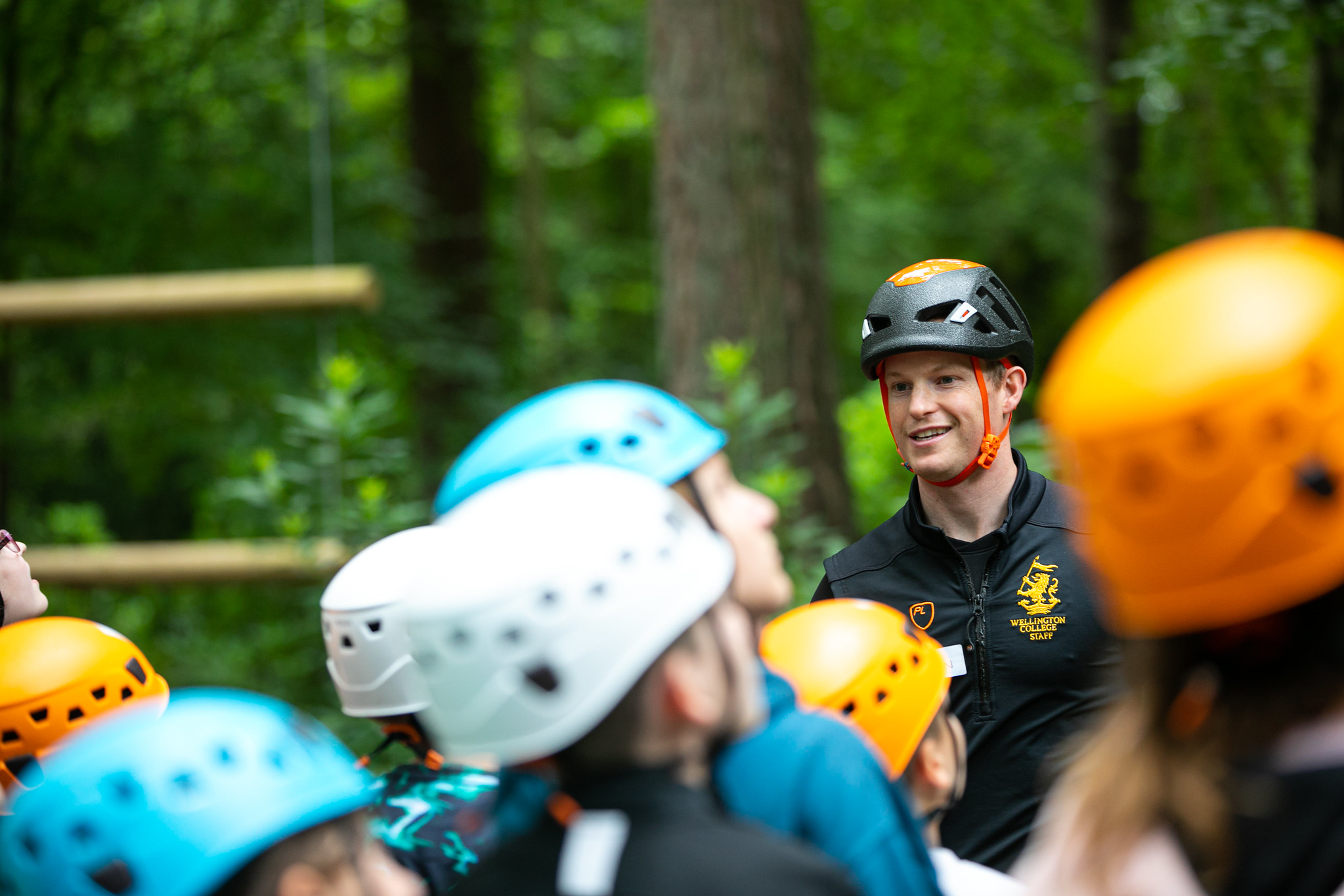
Pupils then use the skills they have learnt to pass on the joy of outdoor adventure to local state primary school pupils who visit the Wellington College site to try out paddling on Swan Lake, climbing and low rope team tasks. Wellington College pupils supervise the sessions under the watchful eye of the qualified staff involved and the noisy sounds of enjoyment from the visiting pupils.
This strand brings many of the Global Citizenship competencies to the fore, giving pupils the chance to develop communication skills in a differing team environment, think about the interconnectedness of the world, and use critical thinking skills to problem solve to name a few.
Community Action
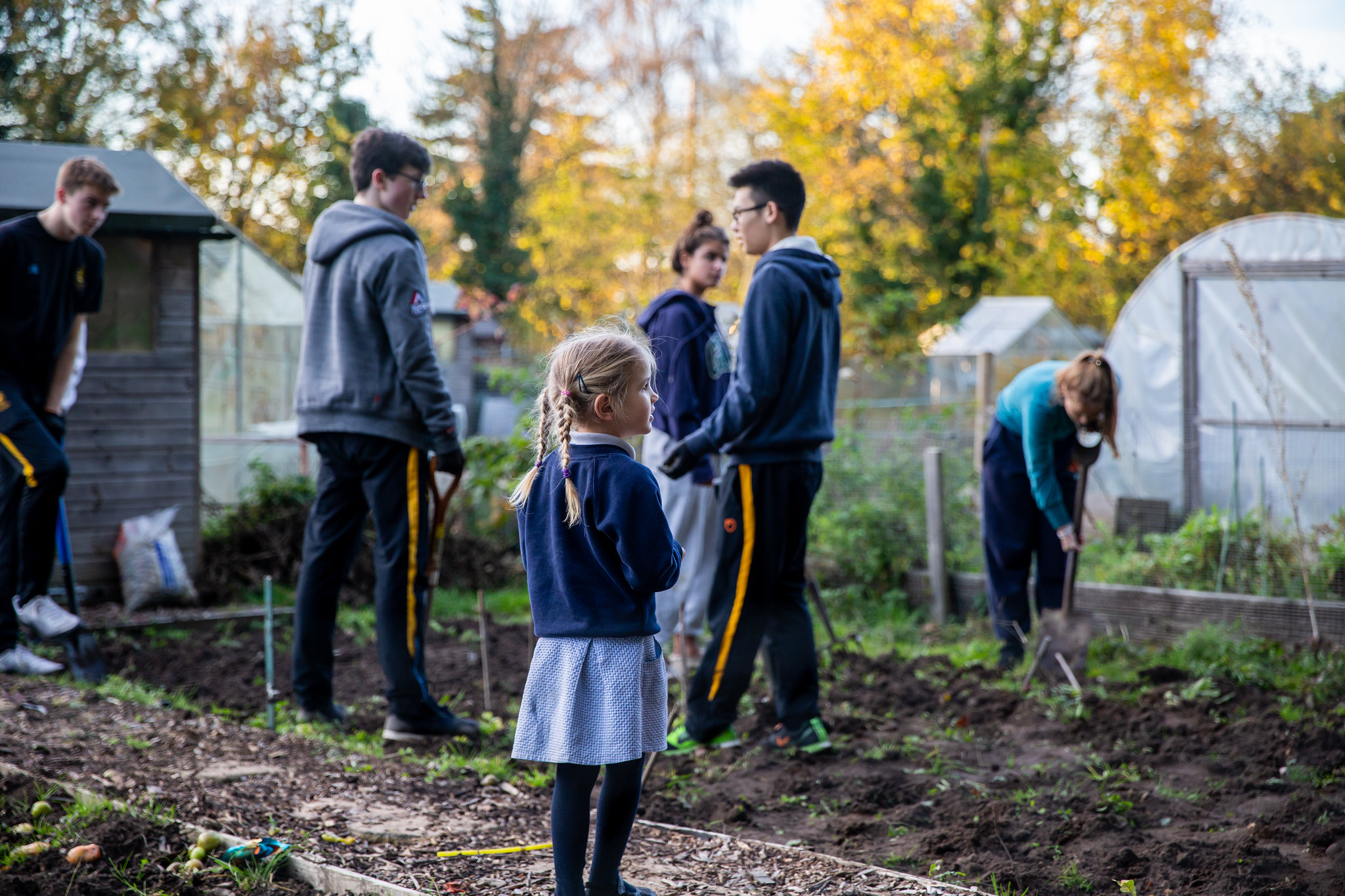
Community Action involves experiential learning through working directly with a community partner, usually in the area local to the College, and is mainly undertaken by Fifth Form students. Projects are created with the needs of community partners in mind, giving students the opportunity to connect and engage with people outside the Wellington community, take meaningful action, and develop skills that support their personal growth.
The programme aims to show students the impact they can have on society, both now and in the future, inspiring them to help and serve others throughout their lives. The wellbeing benefits of helping others sit alongside the knowledge gained through these direct interactions with communities beyond the College, fostering a greater understanding of the world and the difference that everyone can make.
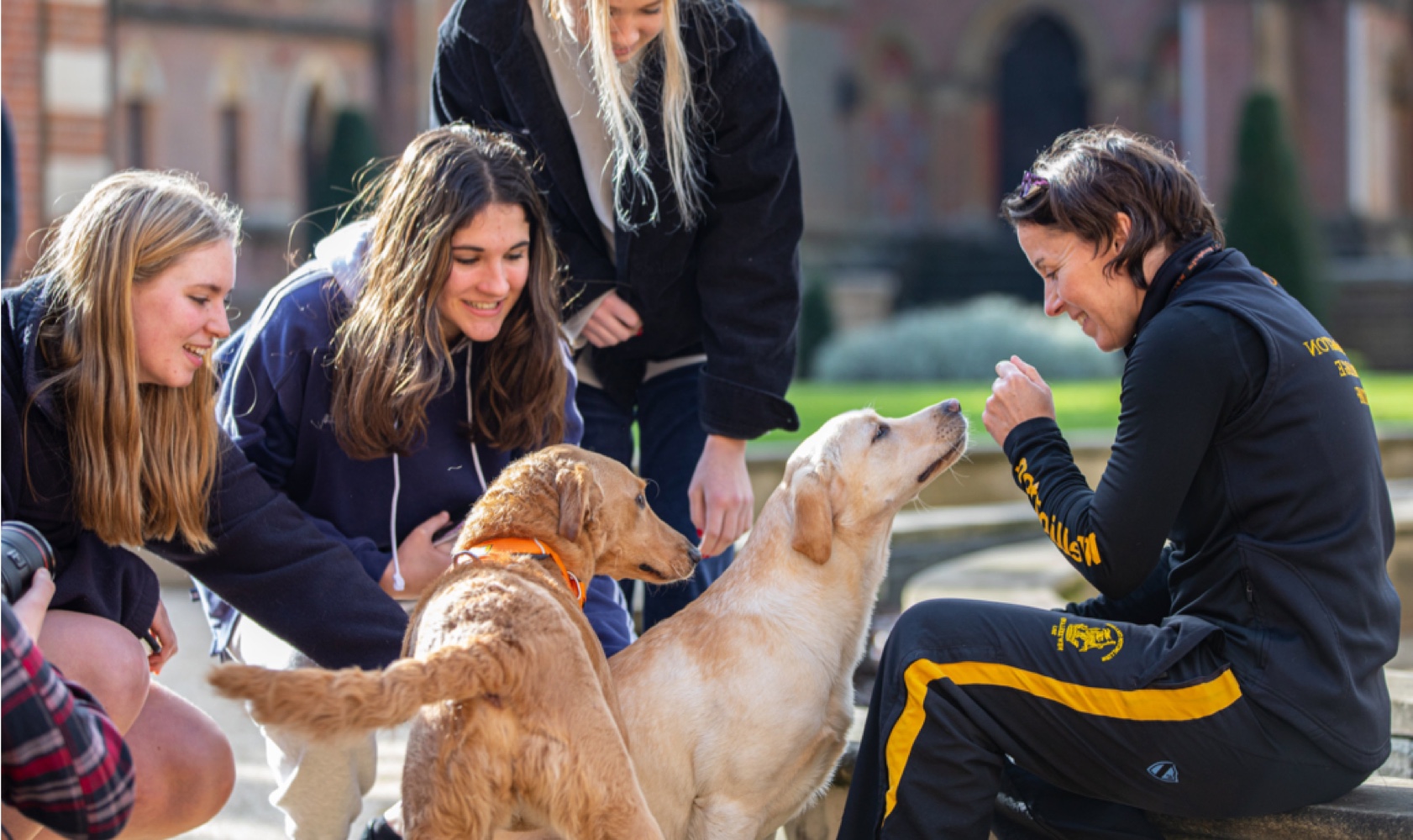
Projects are wide-ranging and varied, but focus on a number of key areas: working with young people; supporting the elderly and vulnerable; caring for animals; and protecting the environment. There are many long-term partnerships in this area, including the local Crowthorne Foodbank, several local state primary schools, SEND schools, and various settings that support older people.
Connected Curriculum
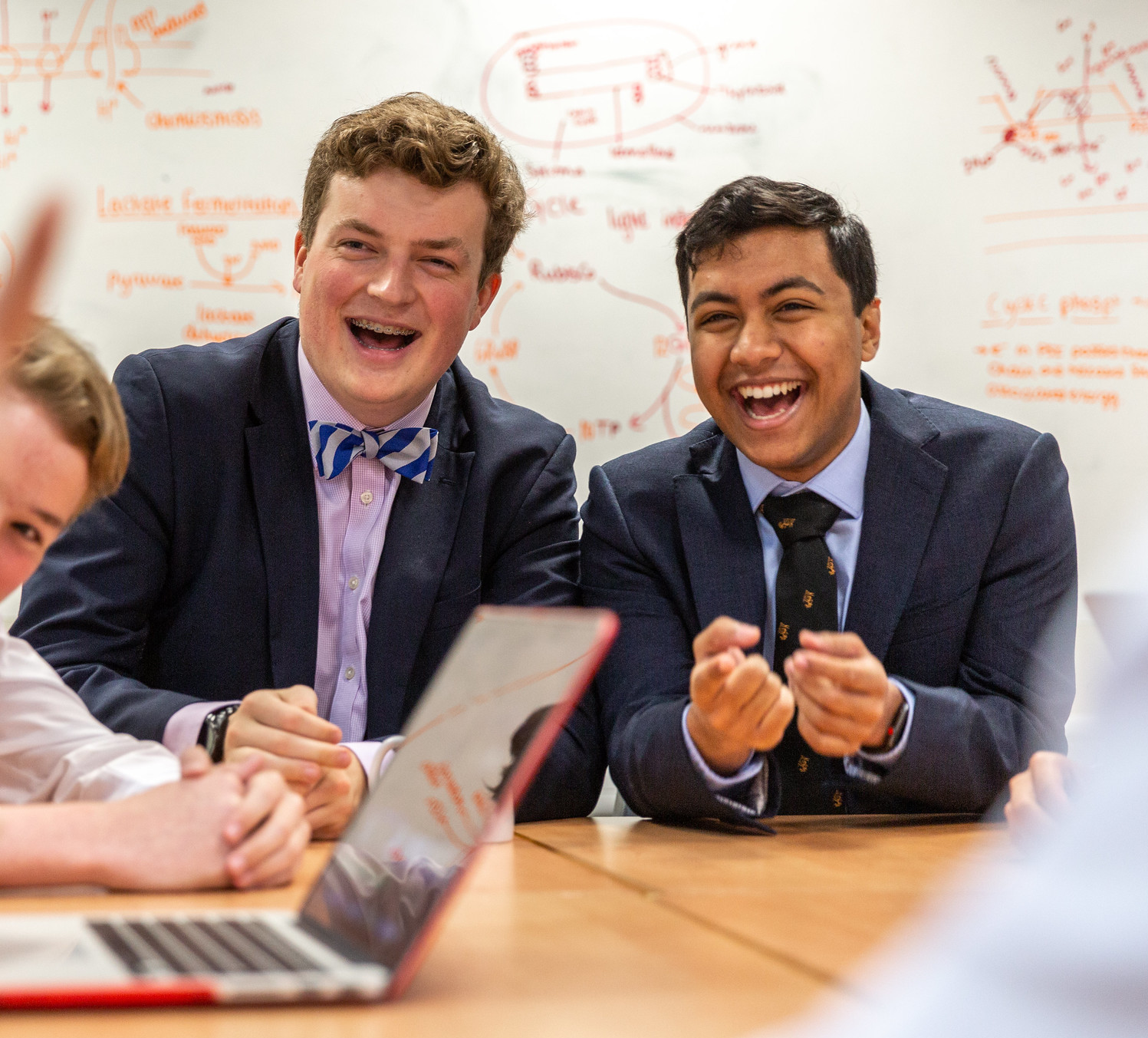
Connected Curriculum is Wellington College’s version of service learning: an integrated approach that invites students to engage with and learn academic subject content in the context of social change and social action.
Service learning is a rigorous and well-evidenced educational pedagogy that brings learning to life by incorporating meaningful community engagement, academic inquiry, and critical reflection into educational experiences. Projects may arise from students’ own passions and interests as they develop their ideas and engage with the wider world. Each team has a student leader and is supported by a staff mentor who helps guide the learning aims and outcomes.
A strong focus remains on connecting with the world beyond Wellington College and interacting with other communities, whether that be collaborating with the Wellington Family of Schools on content for the latest edition of BaCoN (the science magazine), creating inspiring STEM sessions for younger children, or building relationships with and offering support to local refugee families.
Enrichment
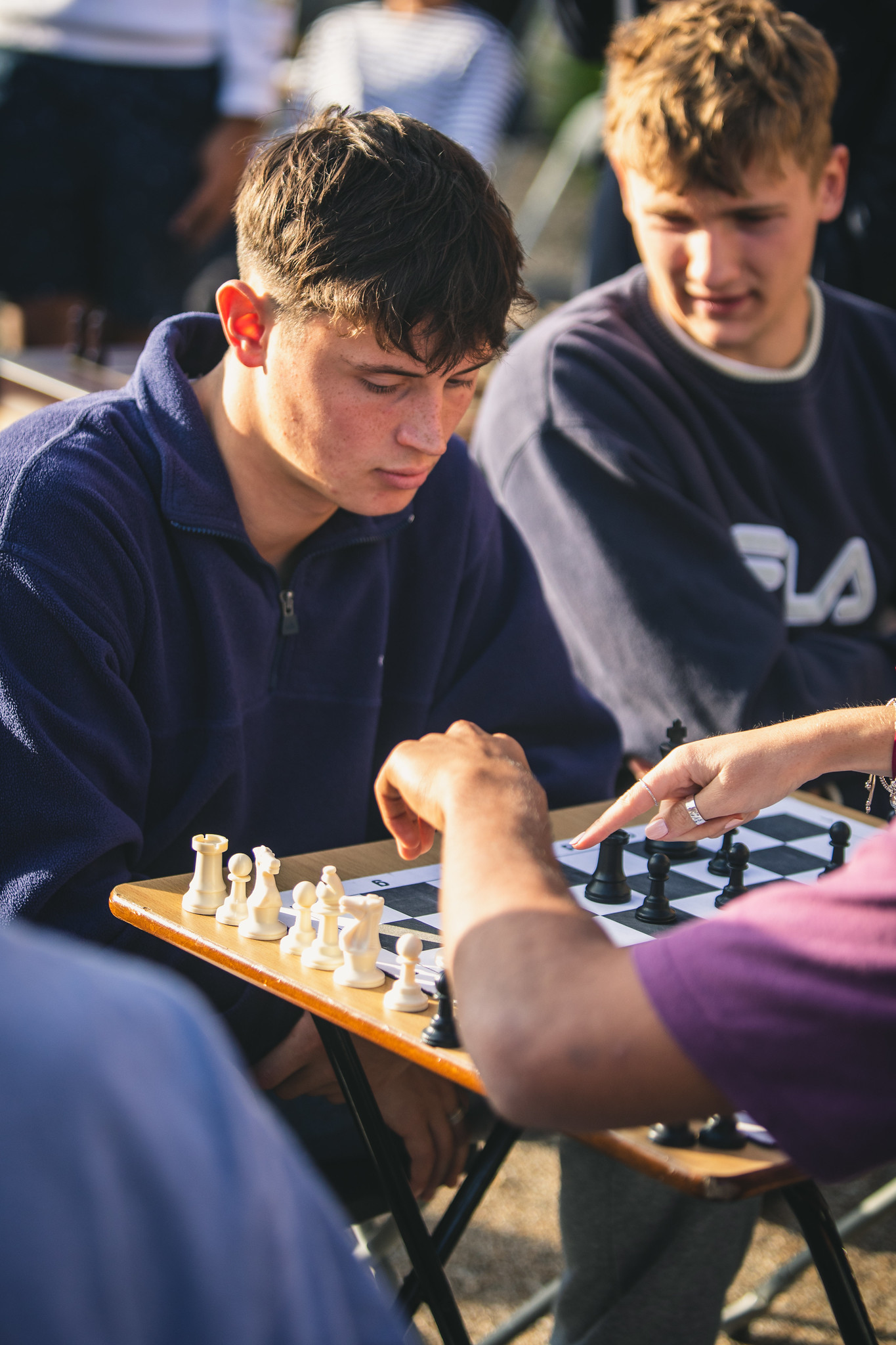
Enrichment helps students to explore meaning, purpose, and passion. The Enrichment strand of the Global Citizenship programme is about turning a selfish interest into a selfless contribution, or, as Picasso is credited with saying: “The meaning of life is to find your gift. The purpose of life is to give it away.”
Offered to Third, Fifth, and Sixth Form students, the Enrichment strand includes pursuits ranging from origami and escape rooms to mountain biking, Greenpower racing, and Dukebox, offering an unrivalled diversity of activities that allow students to discover more about themselves and the world around them.
Social Justice
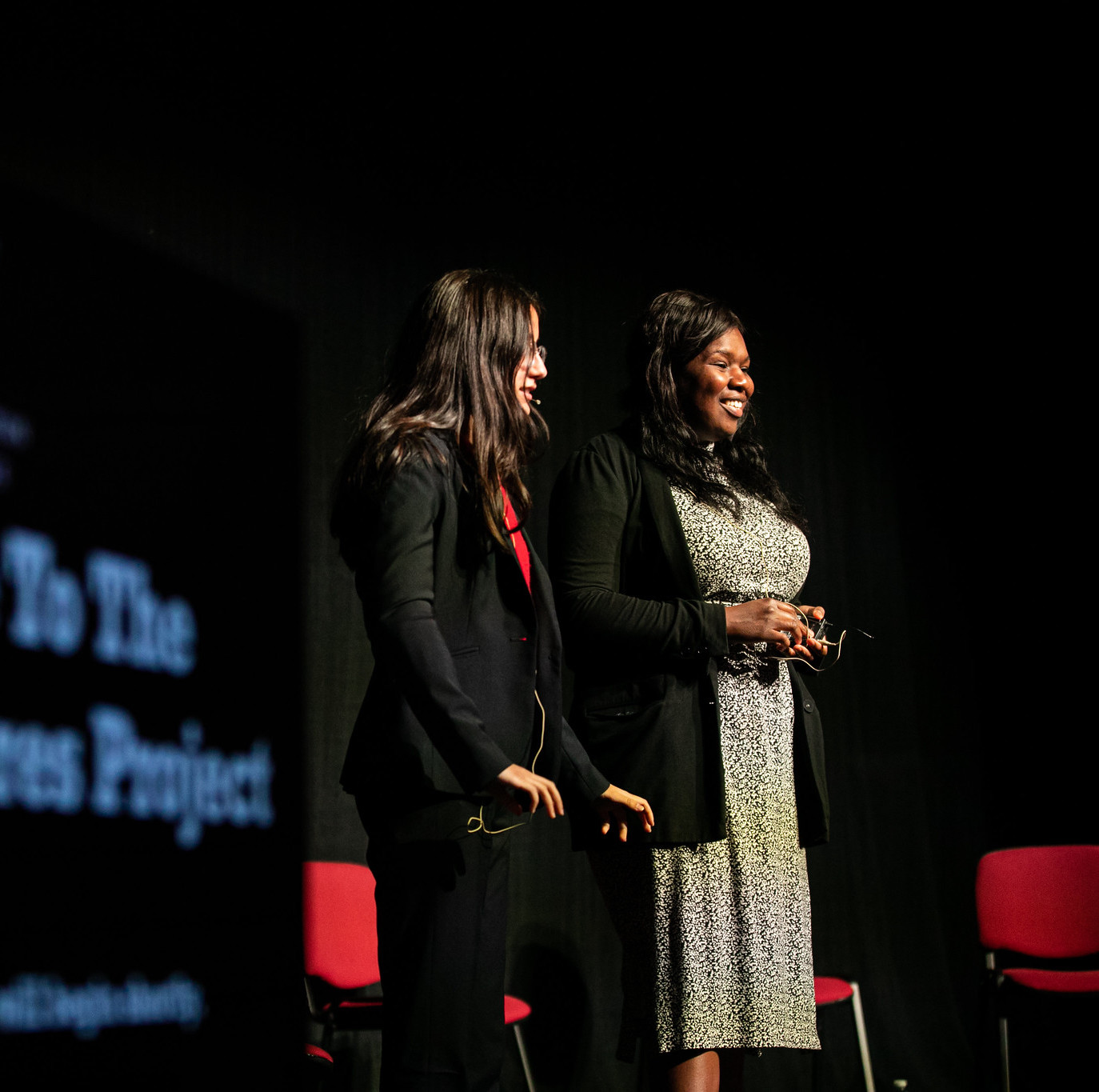
Social Justice is a programme open to Sixth Form students, focused on access, equity, rights, and participation, with the aim of helping society function better for all. Students concentrate on key areas such as Gender & Identity, LGBTQ+, Poverty & Inequality, and Race & Identity, developing their understanding of intersectional issues before moving into a social justice action phase.
Having learned about the challenges to social justice faced by others, students then work independently to take action and lead projects designed to create positive change. Their focus may stem from their own personal experiences or be inspired by what they have learned during the first part of the programme. Through this student-led experience, they develop skills in problem-solving, empathy, and understanding, while gaining a deeper appreciation of the world around them.
 Sustainability
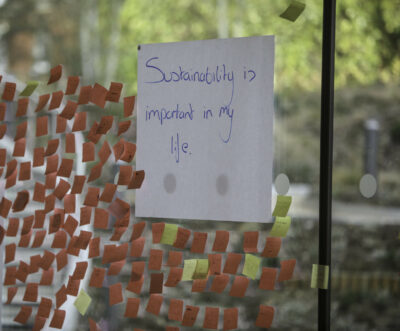
The Sustainability Programme is a key strand of the Global Citizenship programme. Through the principles of Education for Sustainable Development (ESD), experiential learning, systems thinking, and intergenerational collaboration, students explore some of the world’s most pressing challenges, including climate change, climate justice, human rights, biodiversity, food security, economic systems, and sustainable development.
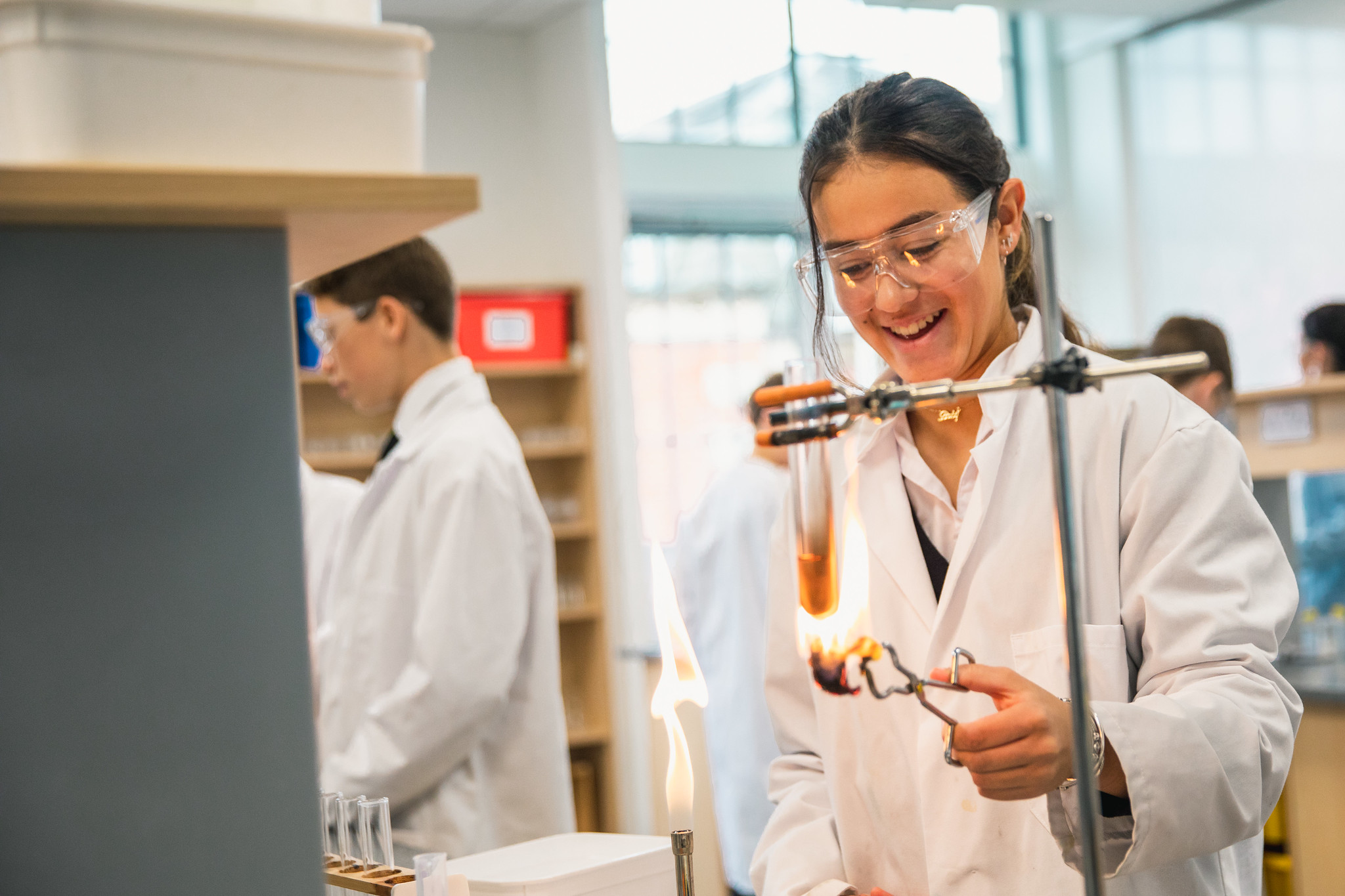
All Third Form students participate in an eight-session Sustainable Development Goals (SDG) course, introducing global challenges and potential solutions. The course culminates in students presenting their ideas and solutions to a panel of senior Sustainability Programme students. In the Fifth and Sixth Forms, students engage more deeply with these issues through workshops, guest speakers, and practical projects. They learn from scientists, NGO leaders, entrepreneurs, policymakers, and youth activists, gaining insight into both the causes of and solutions to complex sustainability challenges.
Students develop initiatives using Wellington College as a living laboratory for innovation and positive change, while engaging with local, national, and international stakeholders. Supported by staff mentors, they are encouraged to take meaningful action on issues that matter to them. The programme culminates in hands-on action, empowering students to design and implement creative responses to real glocal challenges.
The programme is accredited through the award-winning Zero Carbon Schools Programme, delivered by the Green Schools Project.
WCPCI
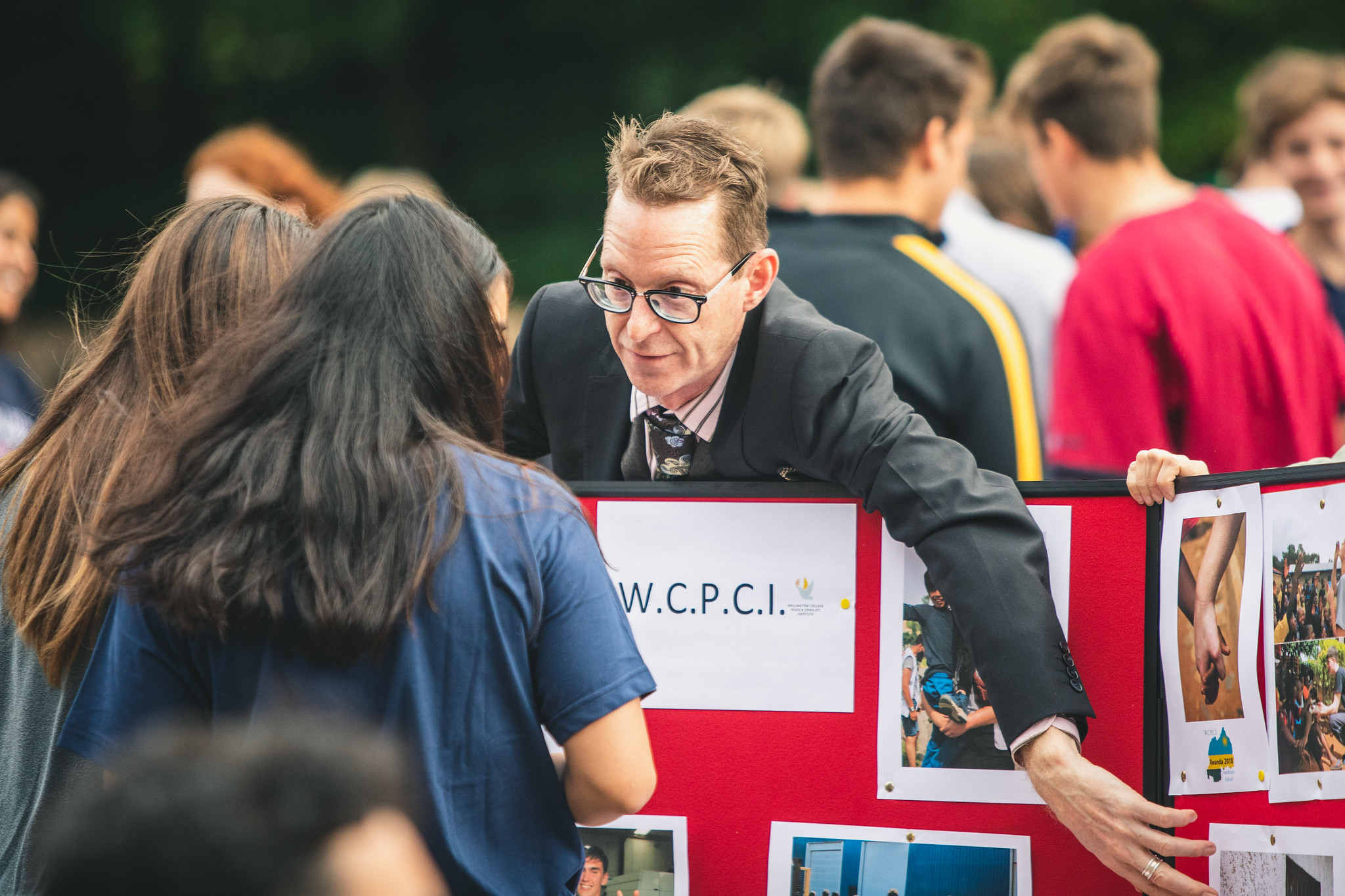
History informs us that we all shape future lives, and by helping students develop empathy, compassion, and understanding, it is possible to create a more positive future. Open to Sixth Form students, the Wellington College Peace and Conflict Institute offers a Peacebuilders programme that explores the conflicts, wars, and genocides of the last century, the human causes of genocidal conflict, and the ways in which the media can tap into normal human emotions to foster fear and hatred.
Inspiration comes from role models for peace: individuals who have shown courage in standing up for peace and justice and making a difference in situations of conflict. Students also learn how to take practical action and become upstanders rather than bystanders when faced with everyday conflict.
The WCPCI also runs practical outreach projects that promote connection, community-building, and social justice across lines of conflict, enabling students to put their learning into action.
Welly Leaders
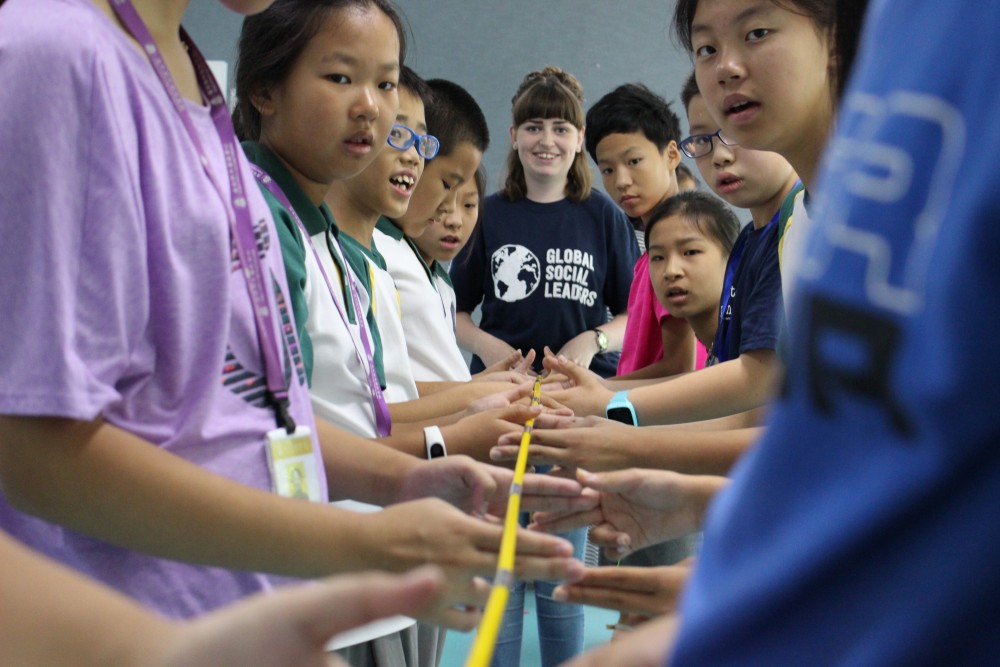
One key skill for future success is the ability to lead effectively, regardless of circumstance or setting. Students in the Fifth and Sixth Forms can join the Welly Leaders programme on Wednesday afternoons, helping to run a Festival of Leadership for other schools, launching their own social action projects, and learning more about the evidence base behind great leadership through the course Leading With Character, a joint initiative of Legatum and the Universities of Oxford and Harvard, which Wellington College helped to create.
Students also have the opportunity to join our global leadership programme, Global Social Leaders. To find out more, please visit the Global Social Leaders website.