

Find out more

23 July 2026

News
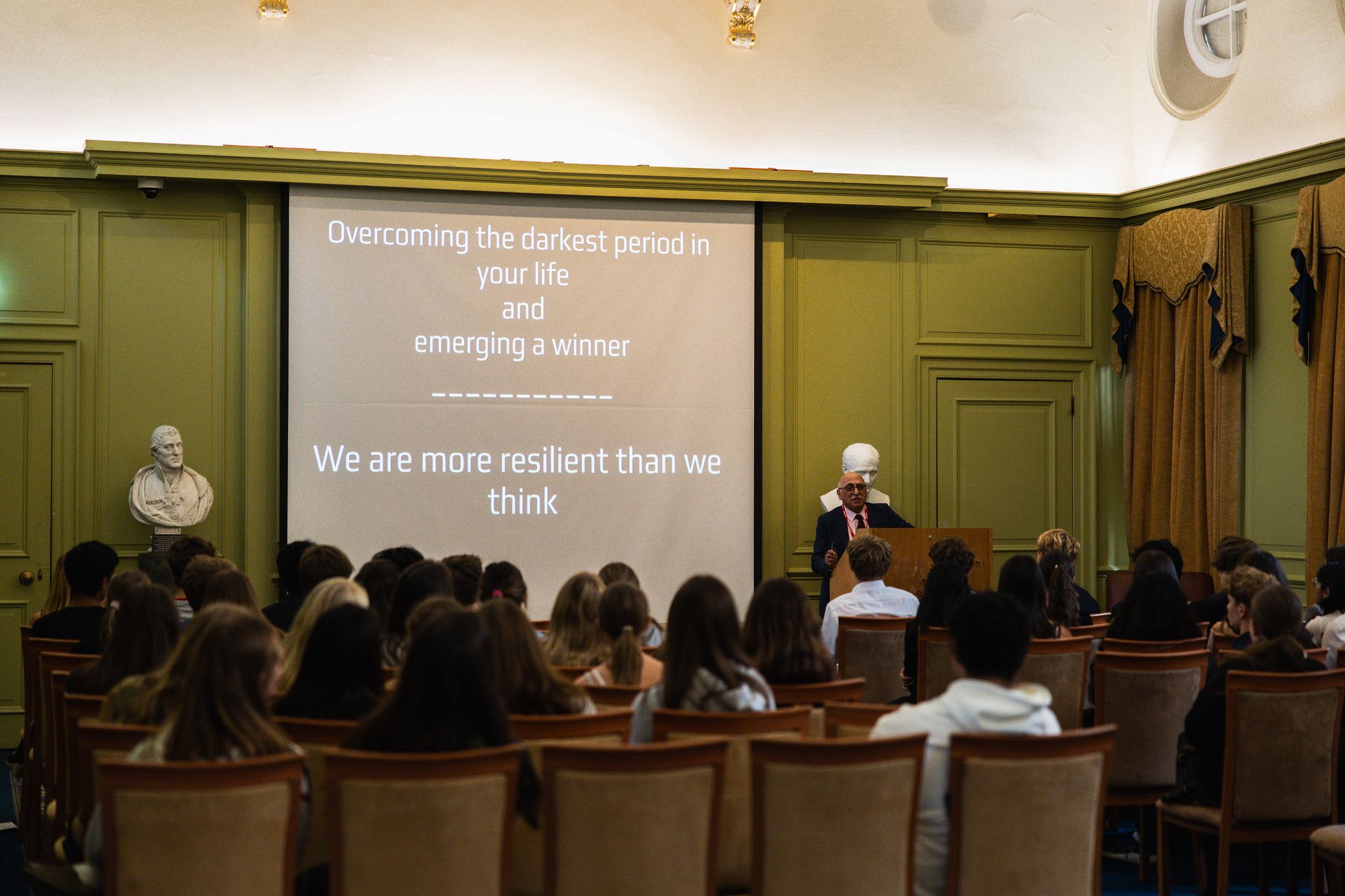
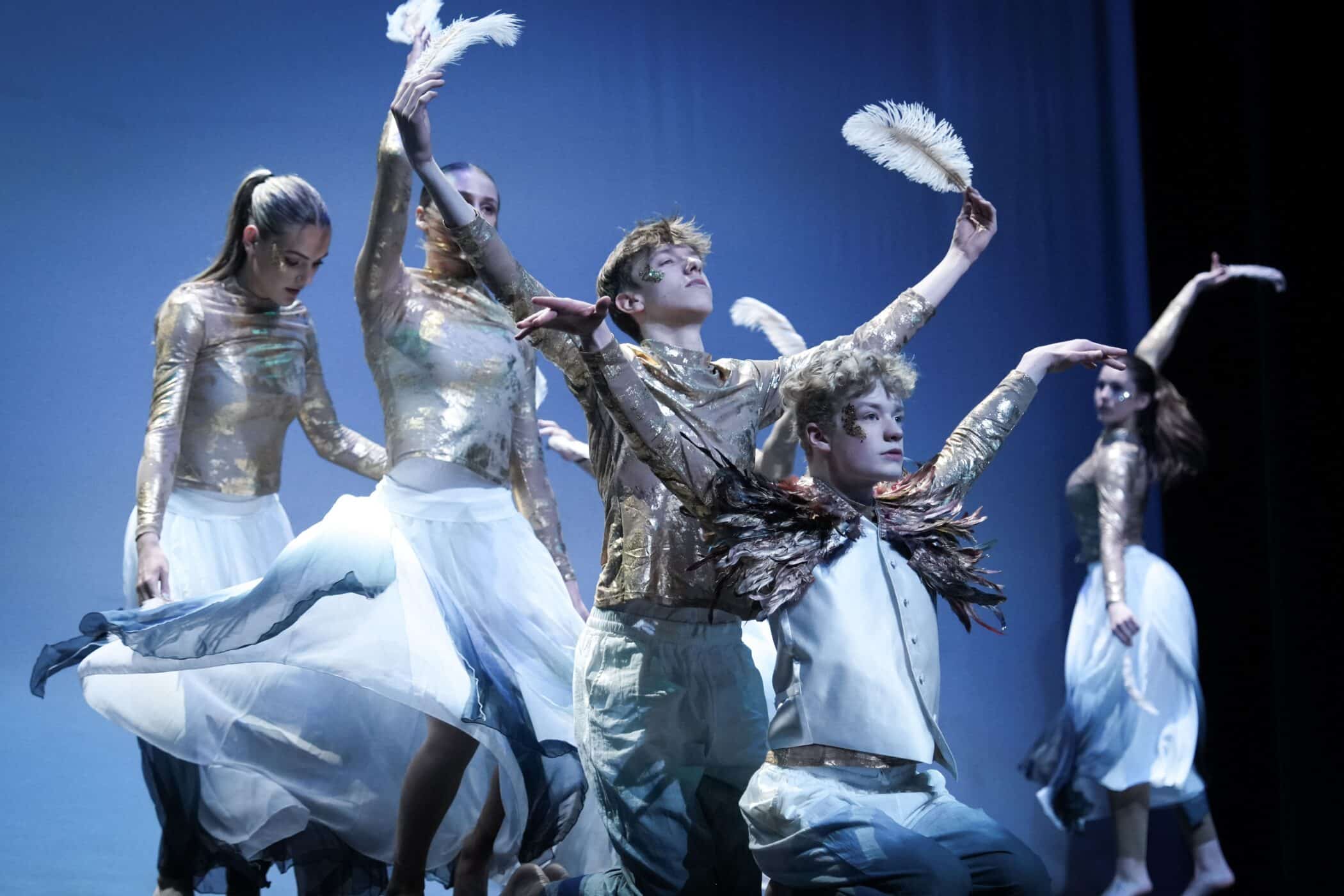
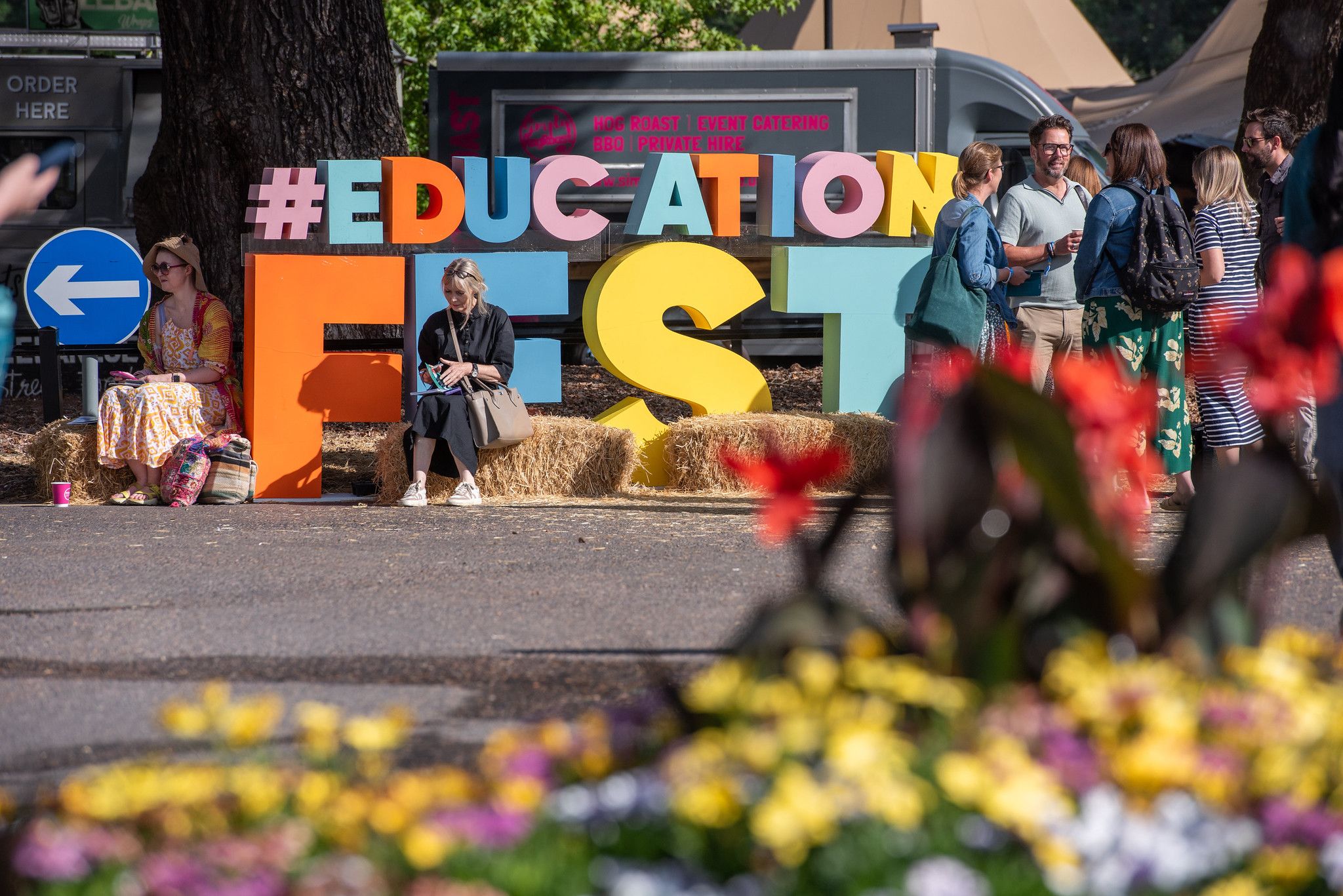
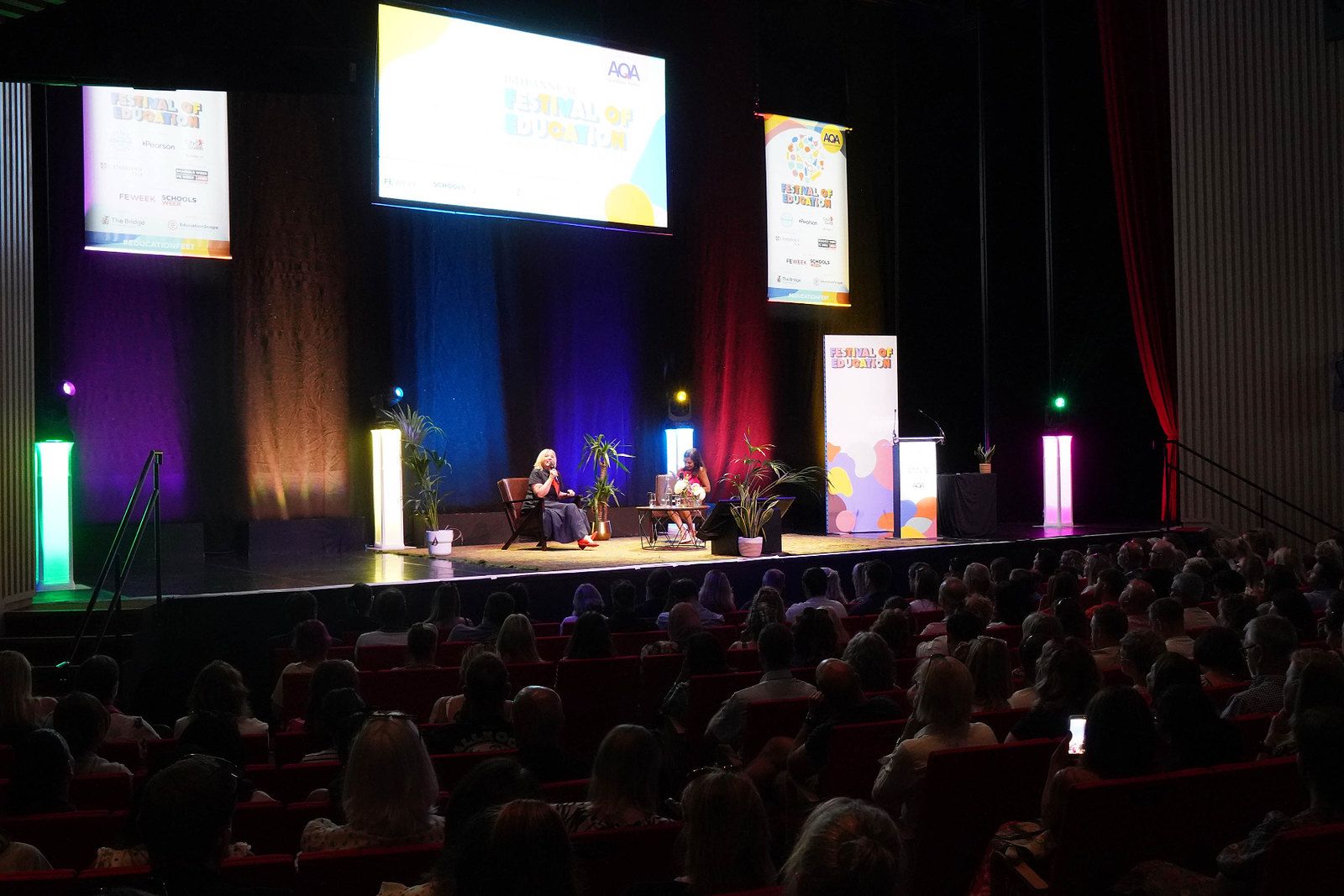
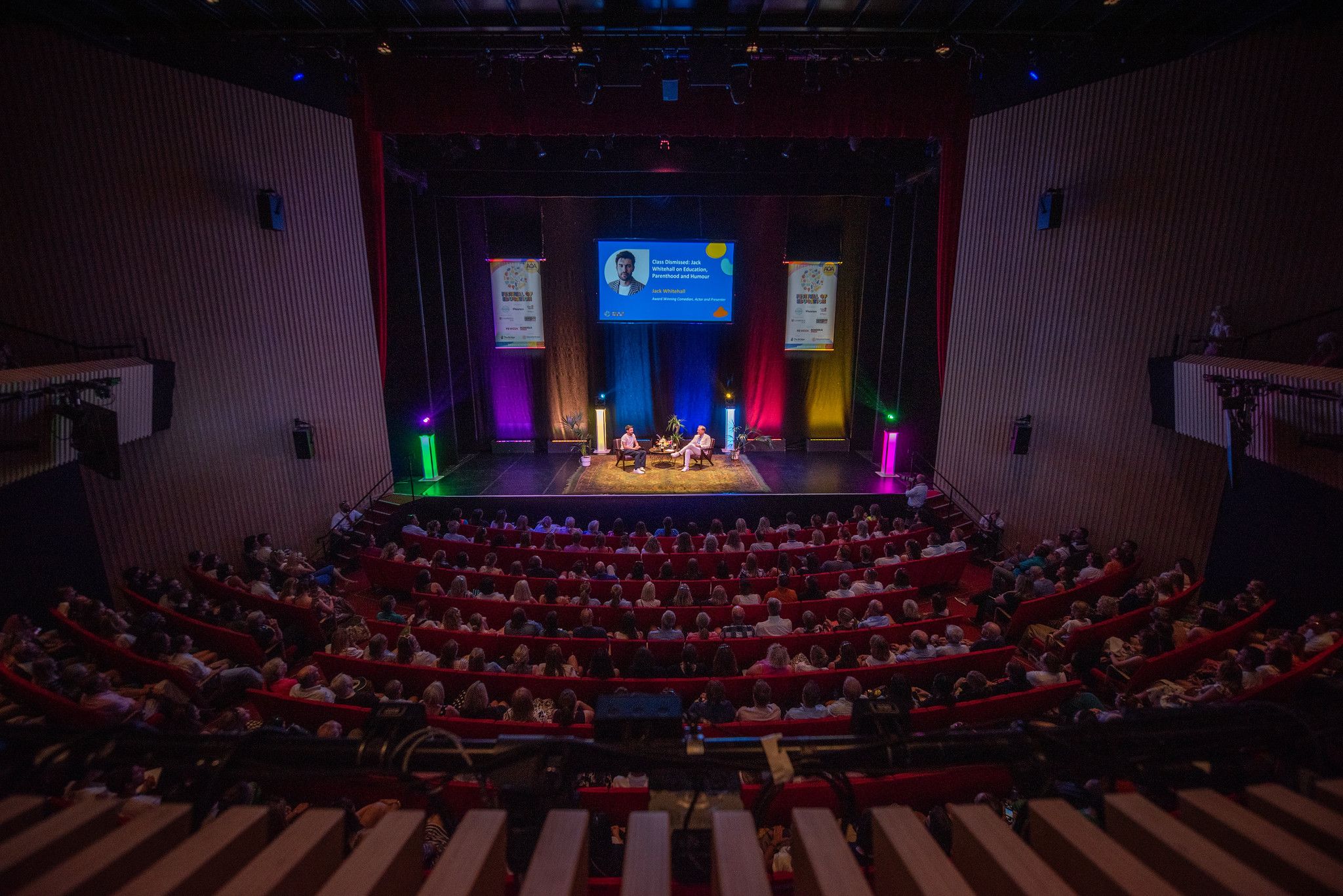
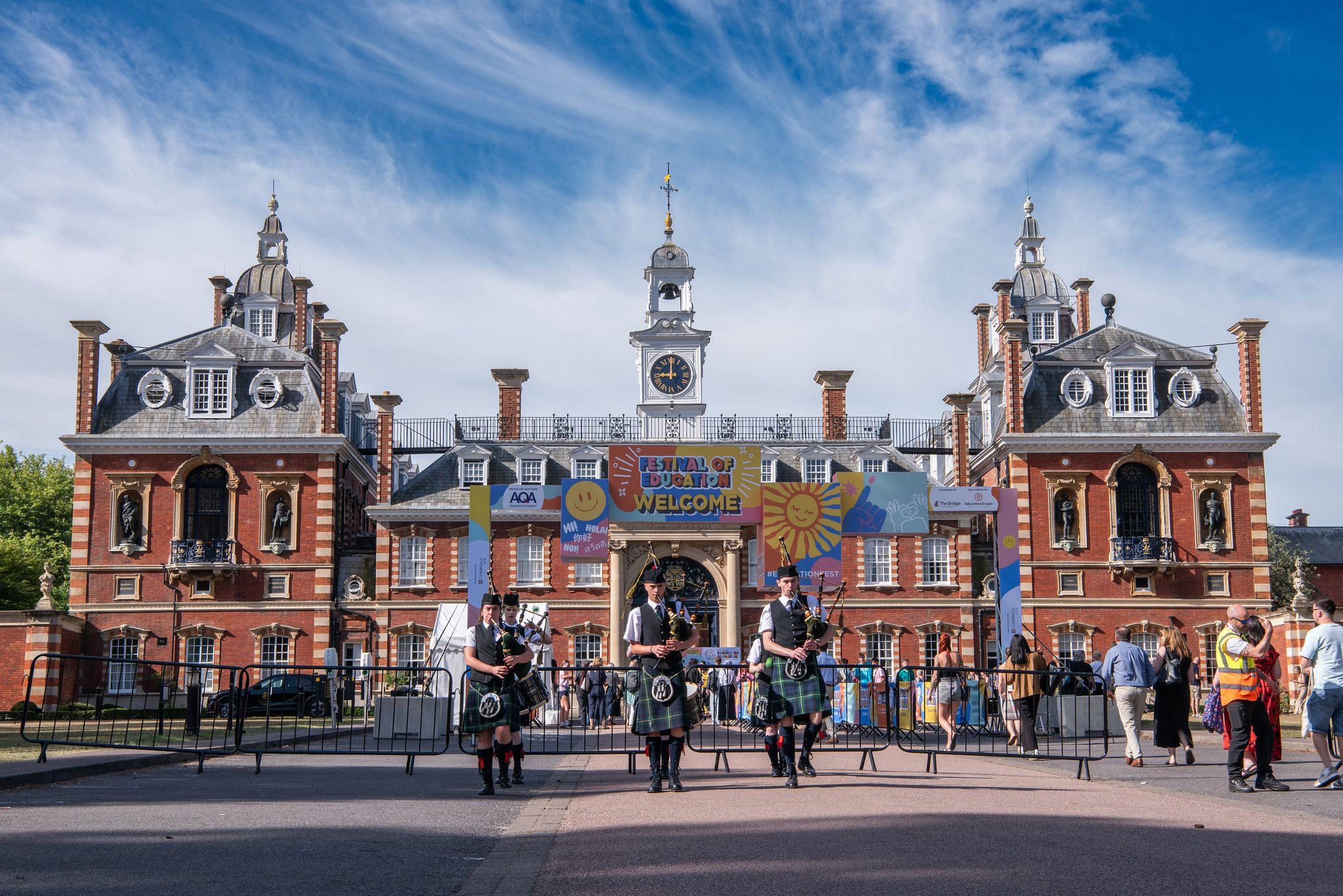
Wellington College was once again transformed into a vibrant, bunting-clad hub of conversation, connection and inspiration as we hosted the 16th Festival of Education. Described by one attendee as ‘orchestrated serendipity’, the festival has grown beyond recognition since it was first founded in 2010 with this year’s event featuring over 500 speakers and attracting nearly 7,000 educators from across the UK and abroad – the vast majority from the state sector. From AI and leadership to early years, Wellington College’s own experts helped to shape some of the Festival’s most thought-provoking conversations.
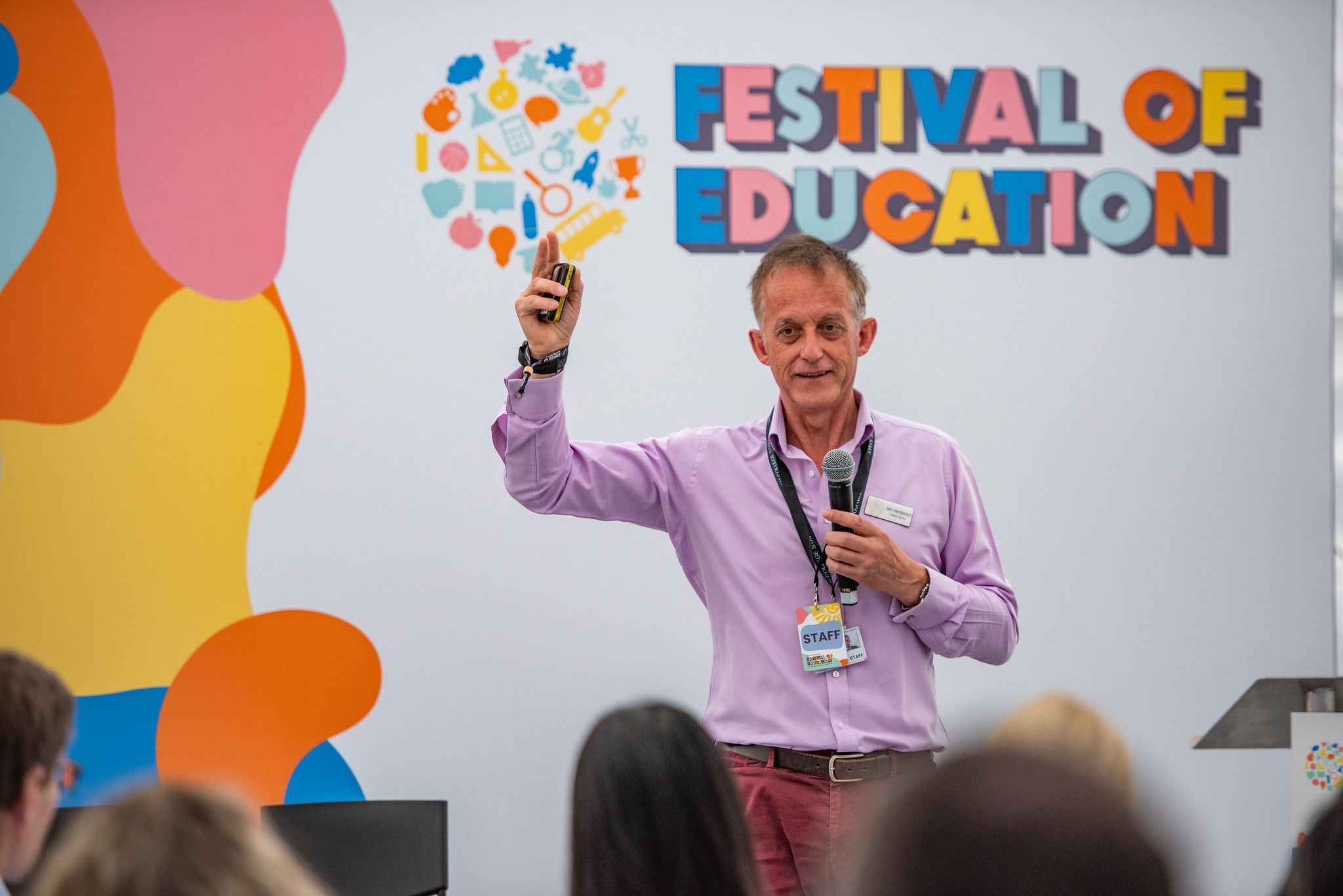
This year saw an urgent and essential content strand return to the agenda for a second year running, featuring fresh insights from a range of experts. The buzz in the air was human flourishing and what it means to thrive as a child, a teacher and a leader in our age of rapidly accelerating AI. These conversations are very close to our hearts as we start to implement the principles of Human Flourishing in the Age of AI here at Wellington with two landmark institutes set to open on campus in September: The Institute of Human Flourishing led by Michael Stevenson and The Institute of AI led by Chris Rothwell. Our work on human flourishing was first initiated by Iain Henderson (Director of The Bridge at Wellington College and Co-Director of the Festivals of Education) with the Flourishing strand at this year’s festival curated by him and his team.
Andy Wolfe from the National Society for Education (Church of England) kicked off the conversation on day one, drawing on the ‘Flourishing Together’ report created in partnership with the Catholic Education Service (CES), and Confederation of School Trusts (CST). A long-term vision for the ‘Class of 2040’ who are currently in early years, the report outlines 10 ‘flourishing seeds’ to plant aimed at transforming the educational landscape of England. Andy reiterated the importance of nurturing character development and resilience in young people while dismantling the narrative that life should be one long upward trajectory. The report also highlighted the need to reshape education as a career in which adults can expect to flourish. The success of the whole system is contingent on the teachers, staff and leaders within it being well rested, valued, supported, paid and championed by society.
The need for radical, transformational change was a theme picked up by Valerie Hannon, consultant and author of Thrive: The Purpose of Schools in a Changing World. She spoke about the ways in which AI, as well as existential threats like the climate crisis, are forcing us to rethink what it means to thrive as humans. With AI predicted to be smarter than humans by 2027, the standard education playbook will be flipped on its head due to the impact of AI on many traditional professionals. Valerie warned of the risks of a system underpinned by individualistic, competitive narratives before presenting an optimistic new paradigm for education where people, places and planet can thrive in symbiosis.
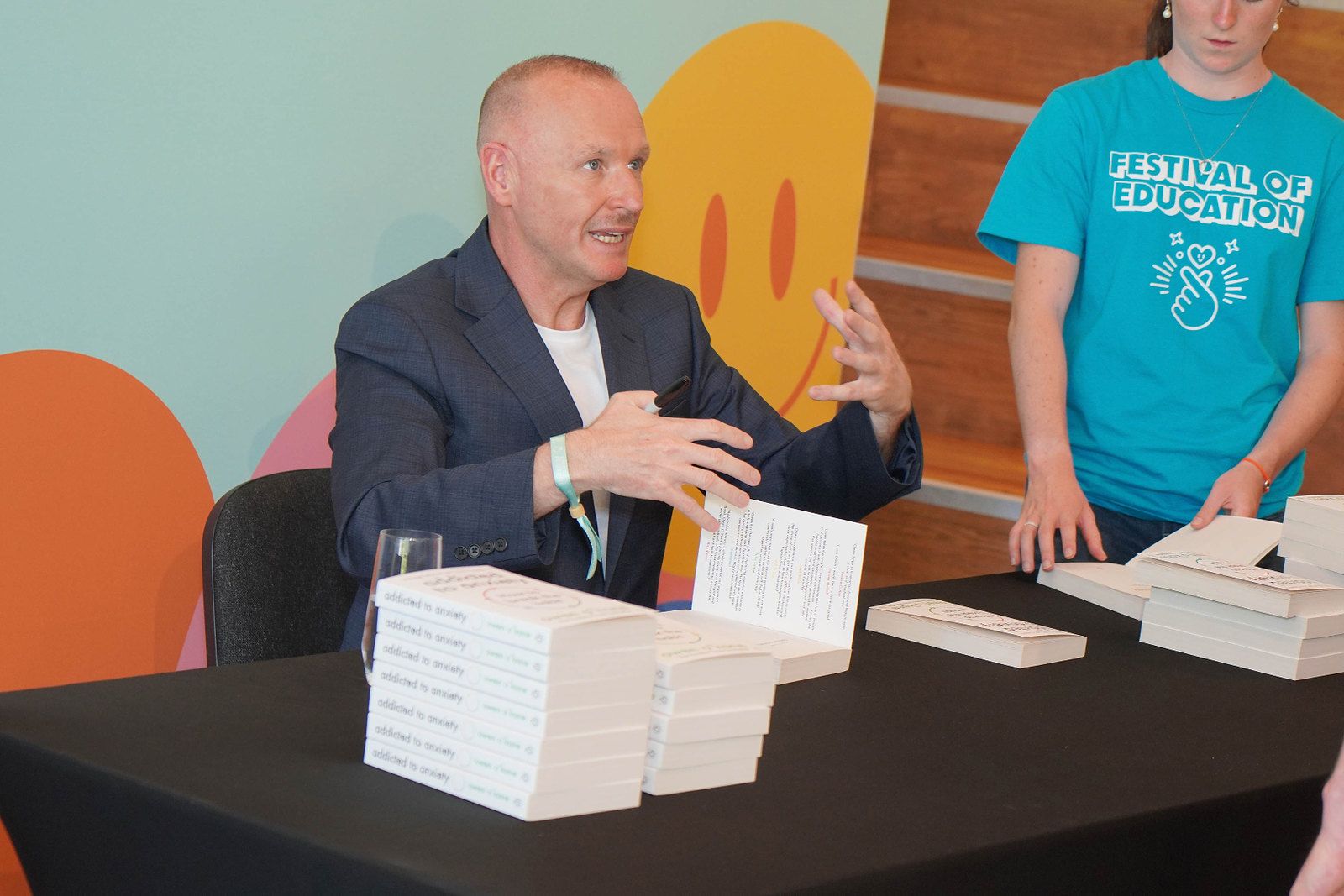
Thursday’s keynotes included psychotherapist and bestselling author, Owen O’Kane, and award-winning novelist, Elif Shafak. In an interactive session, ‘Calmer Classrooms in Anxious Times’, Owen asked the audience to sit still and do nothing for thirty seconds before inviting feedback. Many people confessed to experiencing discomfort or a racing mind and almost the entire theatre identified with at least one of the symptoms of anxiety that Owen subsequently listed. Instead of focusing on tips for anxious children, he explained that calmer classrooms start with well-regulated teachers who understand how to practise self-care themselves. We learnt that dealing with anxiety is a collective responsibility and that accepting it, normalising it and giving language to it are the first steps in learning how to manage it.
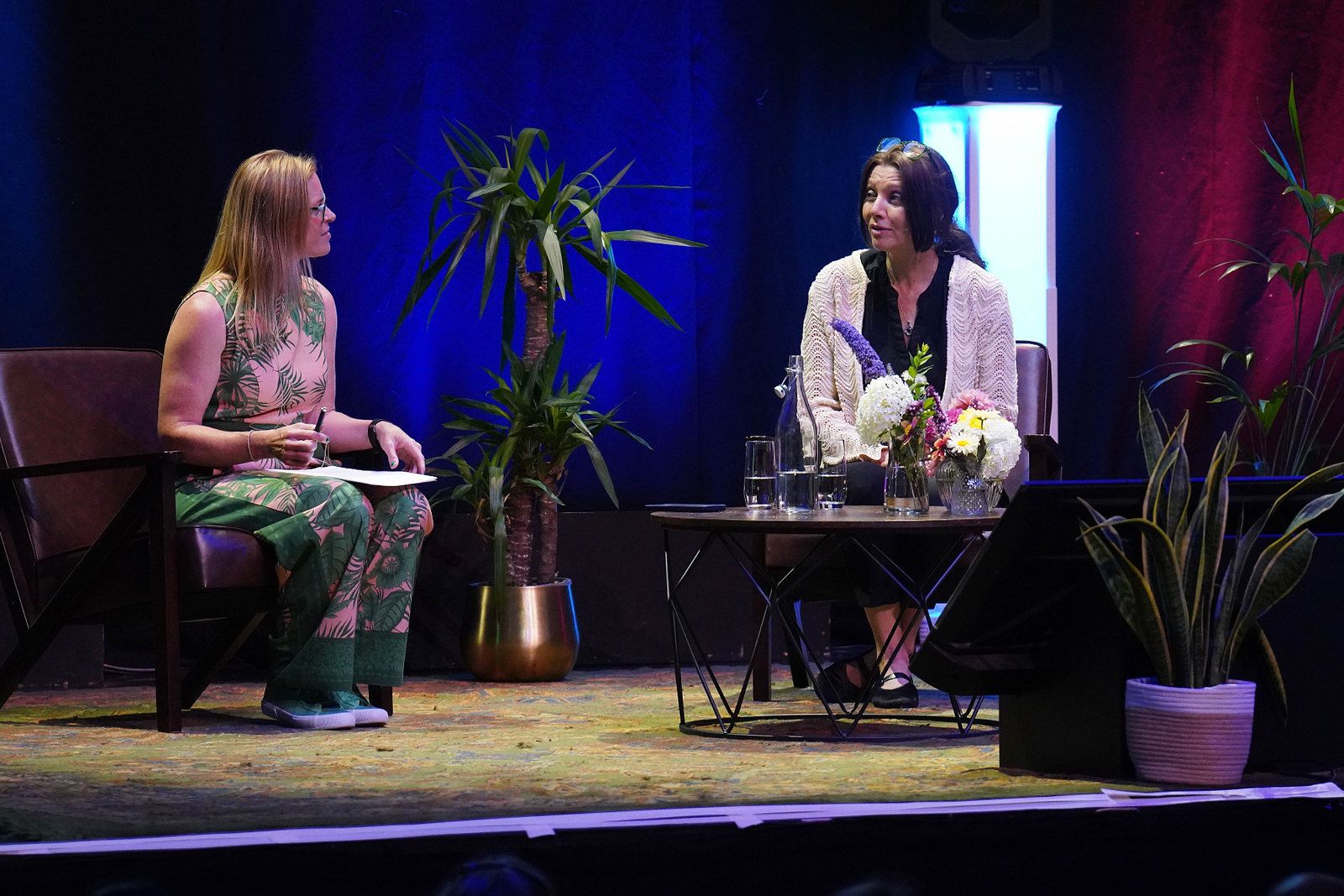
In conversation with Cath Bansal from EducationSpace, Elif Shafak drew on her experiences as a writer to reflect on the vital role storytelling plays in nurturing compassion, empathy and a connection with nature among young people. Placing art, literature and libraries as part of the solution in our ‘age of angst’, she said “our need for the arts is even deeper in a time of crisis”.
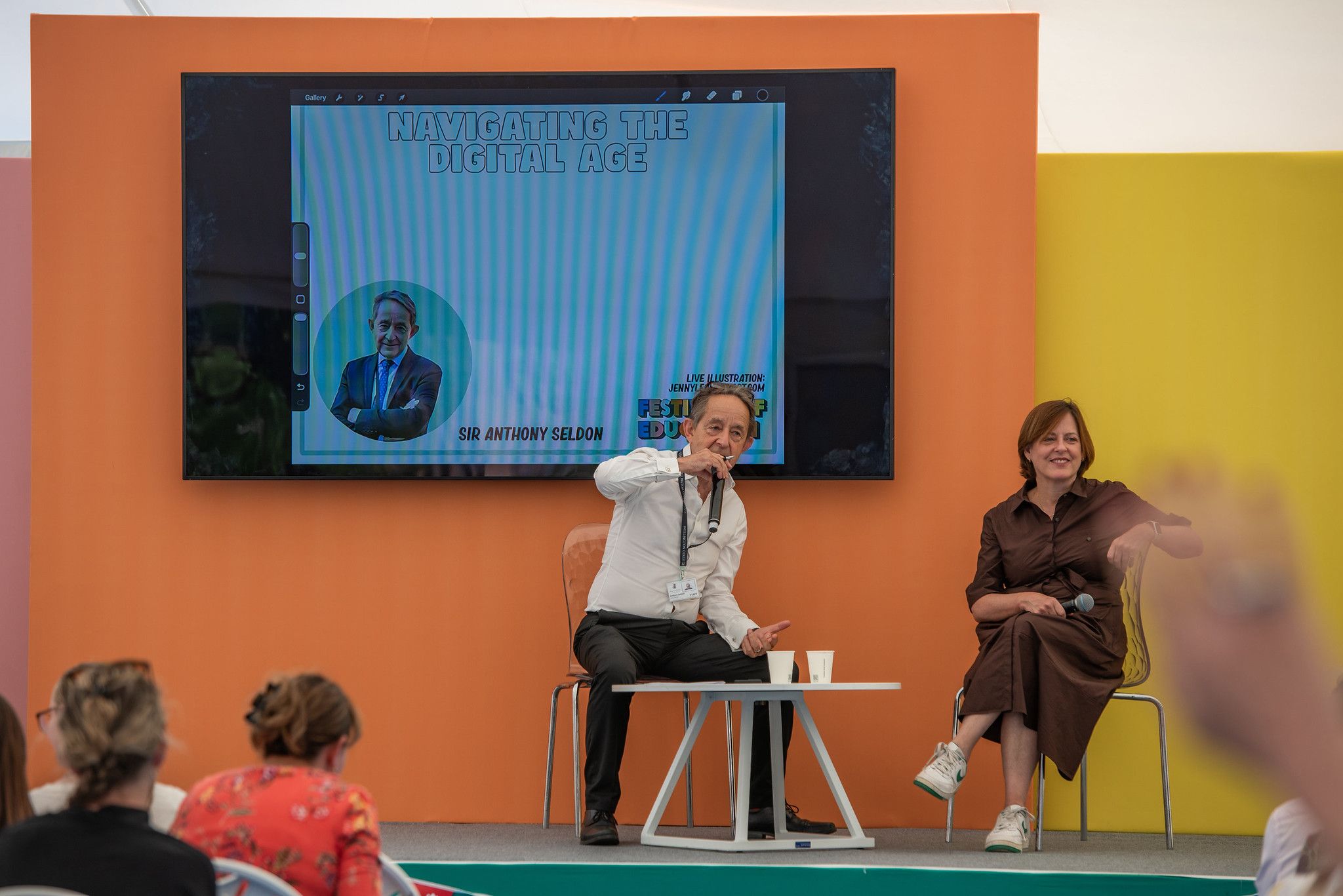 Sir Anthony Seldon, Founding Director of Wellington College Education (WCE), took to the stage on Thursday afternoon alongside Dame Melanie Dawes, Chief Executive of Ofcom to discuss healthier digital lives for young people and the Online Safety Act. Concluding a dynamic session peppered by questions from the audience, Sir Anthony asked the crowd of teachers and educational leaders for 5 key things they’d like to see happen in the digital space. Their responses provided plenty of food for thought and included:
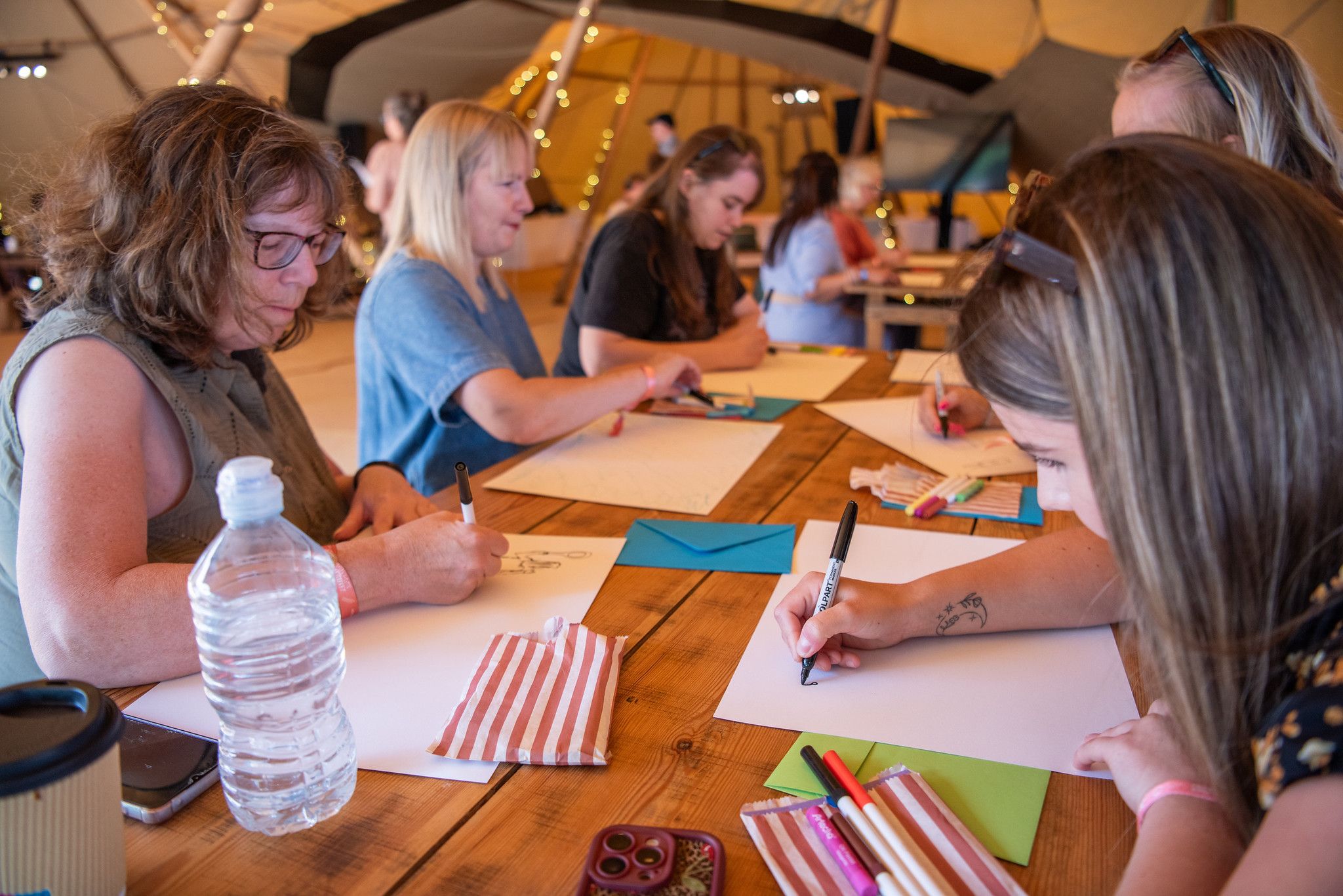
Artist Jenny Leonard brought this talk and many other keynotes to life with live illustrations that captured the energy, creativity and inspiration of each session whether they were voices from education, science, business, media storytelling, wellbeing or comedy.
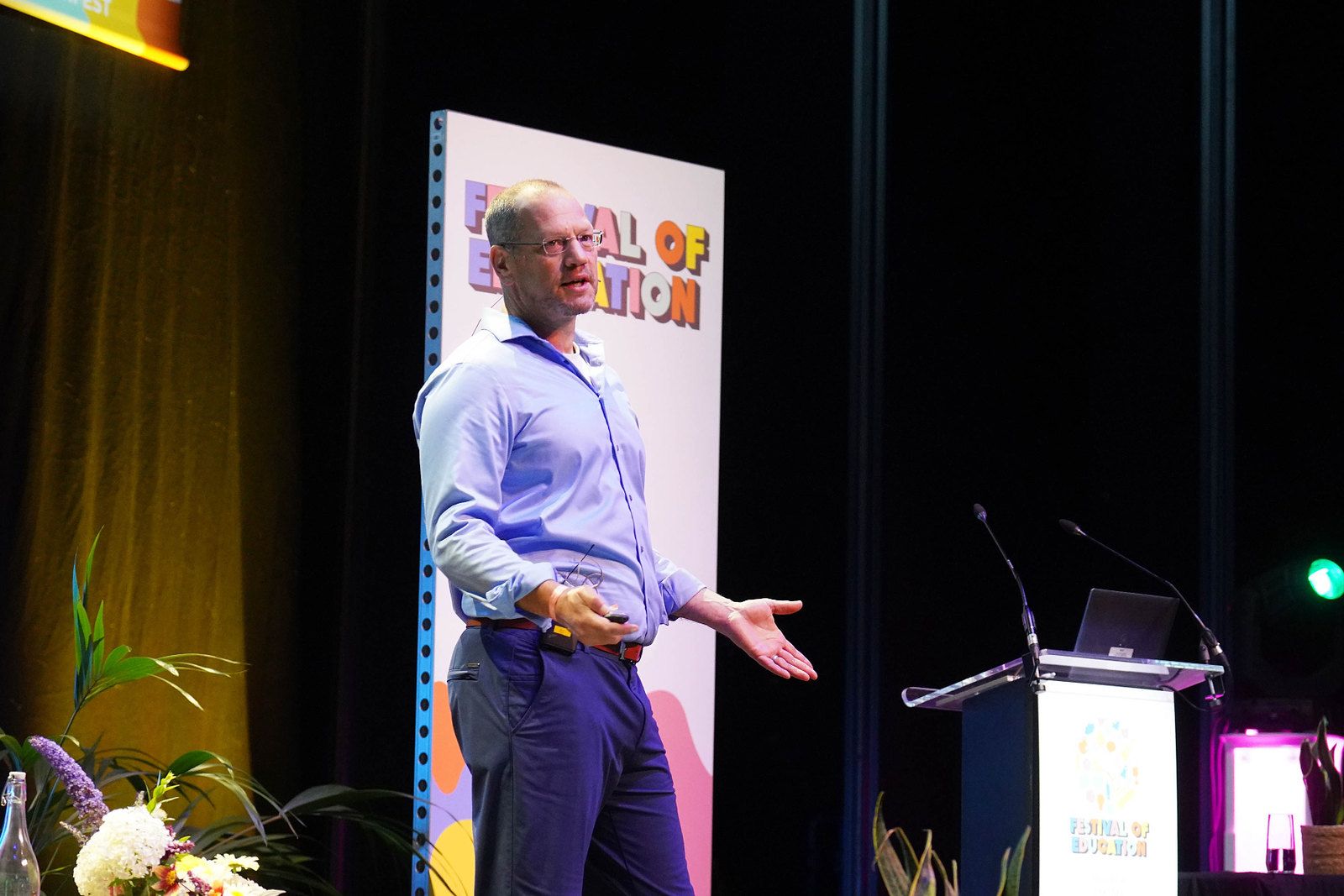
In the AQA Auditorium, leading expert Doug Lemov energised the room with a practical, research-based keynote on how to ‘Teach Like a Champion’. He focused on the small changes teachers can make every day that, over time, have a big impact on pupils’ learning including the importance of classroom routines; encouraging every child to contribute; improving retrieval, reflection and recall; and techniques to help pupils focus their attention.
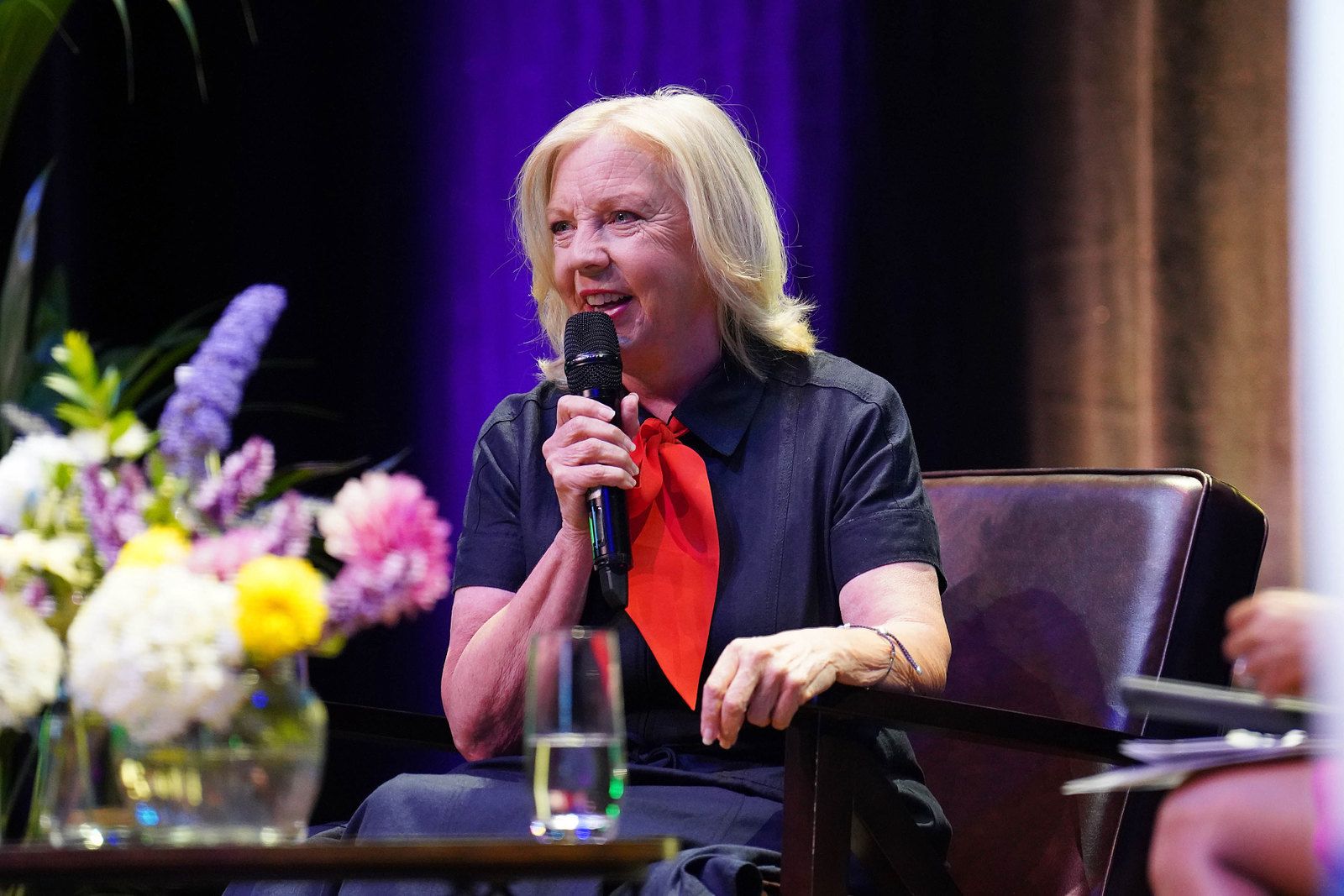
On Friday two well-known voices drew big crowds. Deborah Meaden answered questions in a fireside chat about her varied career and business experiences. She spoke about the importance of resilience, learning from setbacks and having the confidence to keep going when things do not go to plan, sharing practical insights and lessons from her own life.
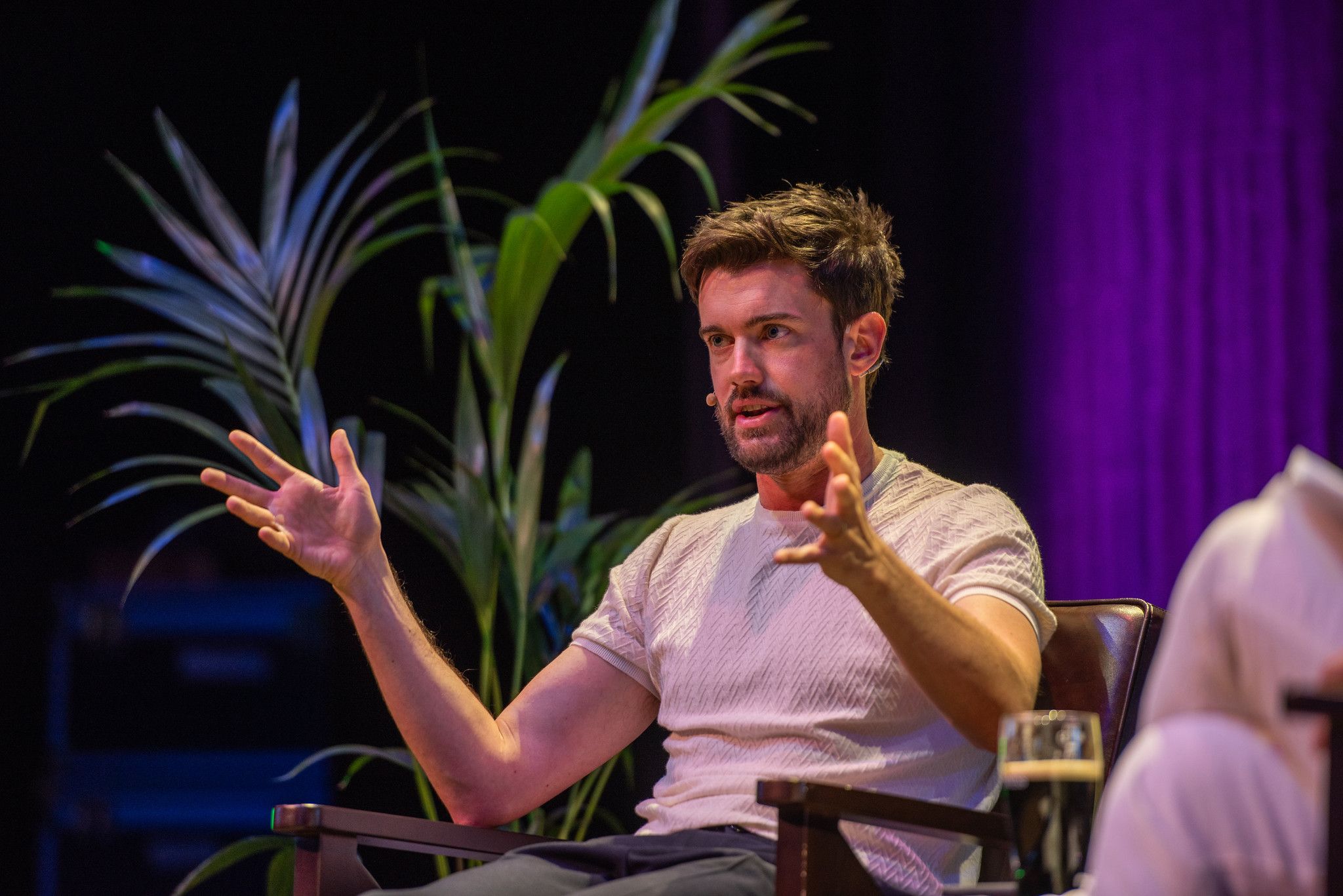
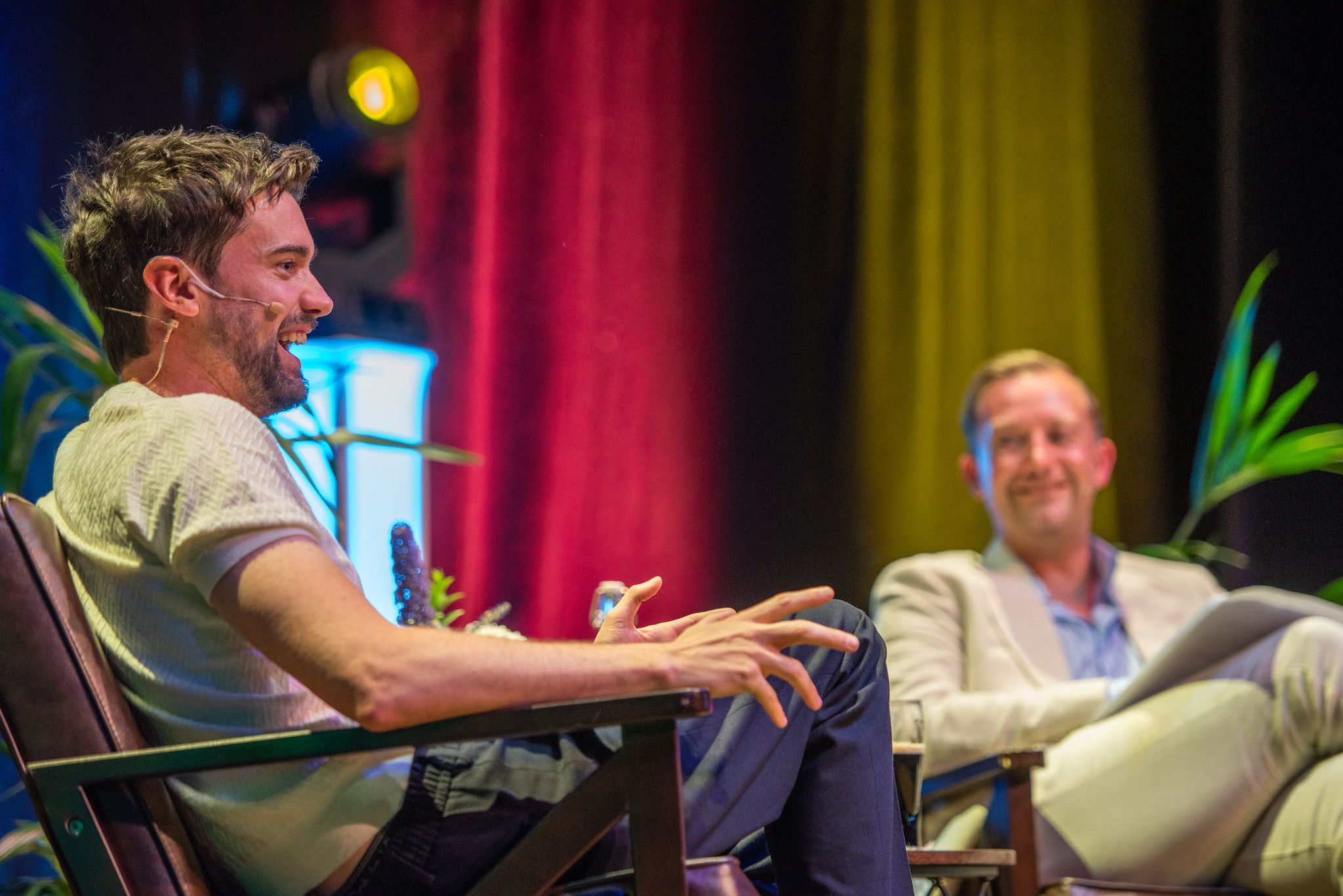
Jack Whitehall then brought the Festival of Education to a close with a highly entertaining and candid conversation about his experiences of education, work and parenthood. He spoke openly about struggling at school before discovering his passion for drama, performance and the arts, and reflected humorously on being diagnosed with dyslexia towards the end of his school career. Combining personal stories with plenty of humour, he highlighted the importance of discovering what lights you up and where your strengths lie, and reflected on the people and experiences that can shape our lives and the paths we ultimately take.
It was a fittingly uplifting end to a Festival that had tackled some of the most challenging issues facing the education sector today but with a sense of optimism, curiosity and shared purpose. Tickets are already available for the 17th Festival of Education which will be held at Wellington on 8th & 9th July 2027.

Prev article
Next article