


Find out more

05 December 2025

News
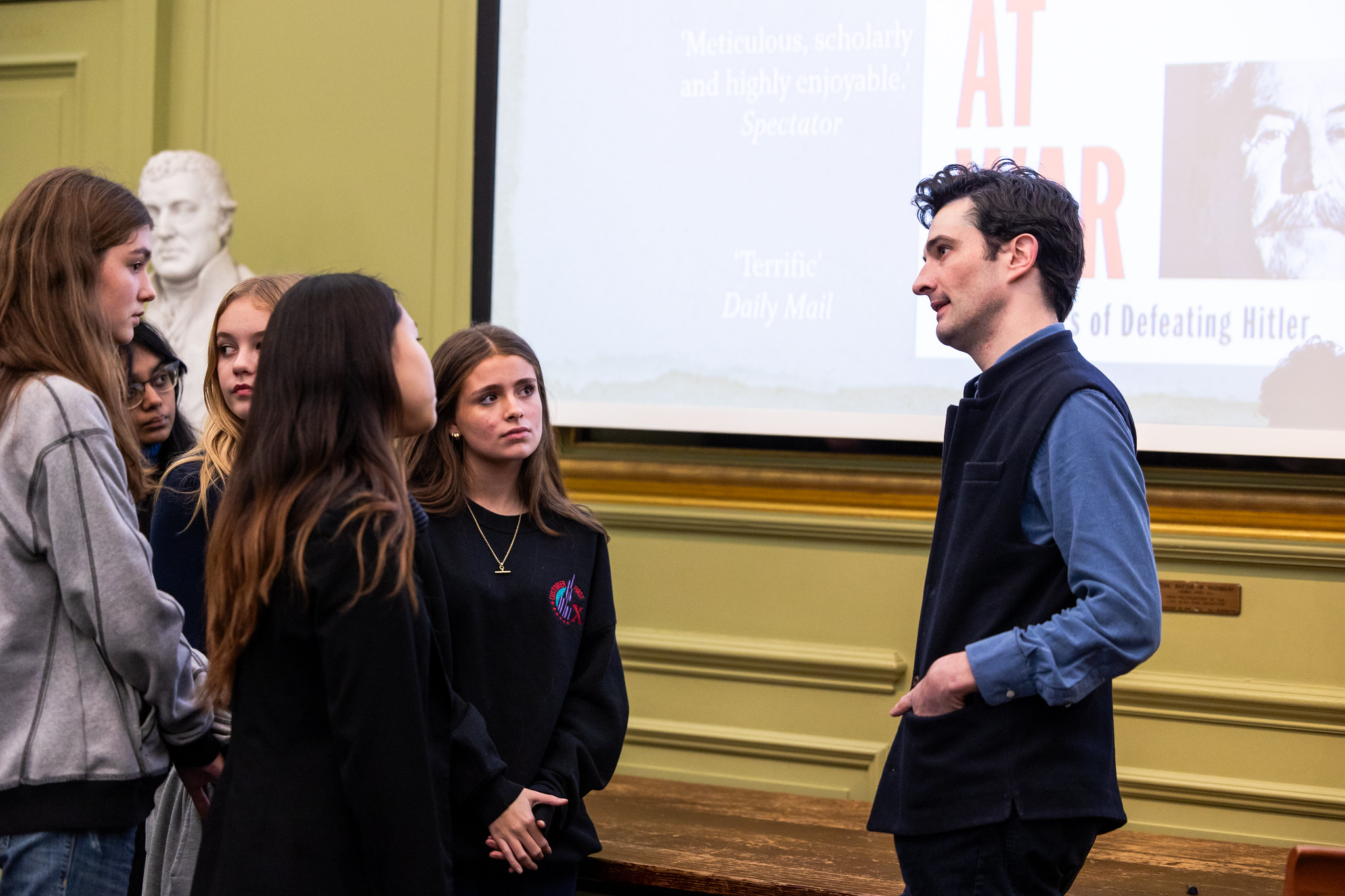
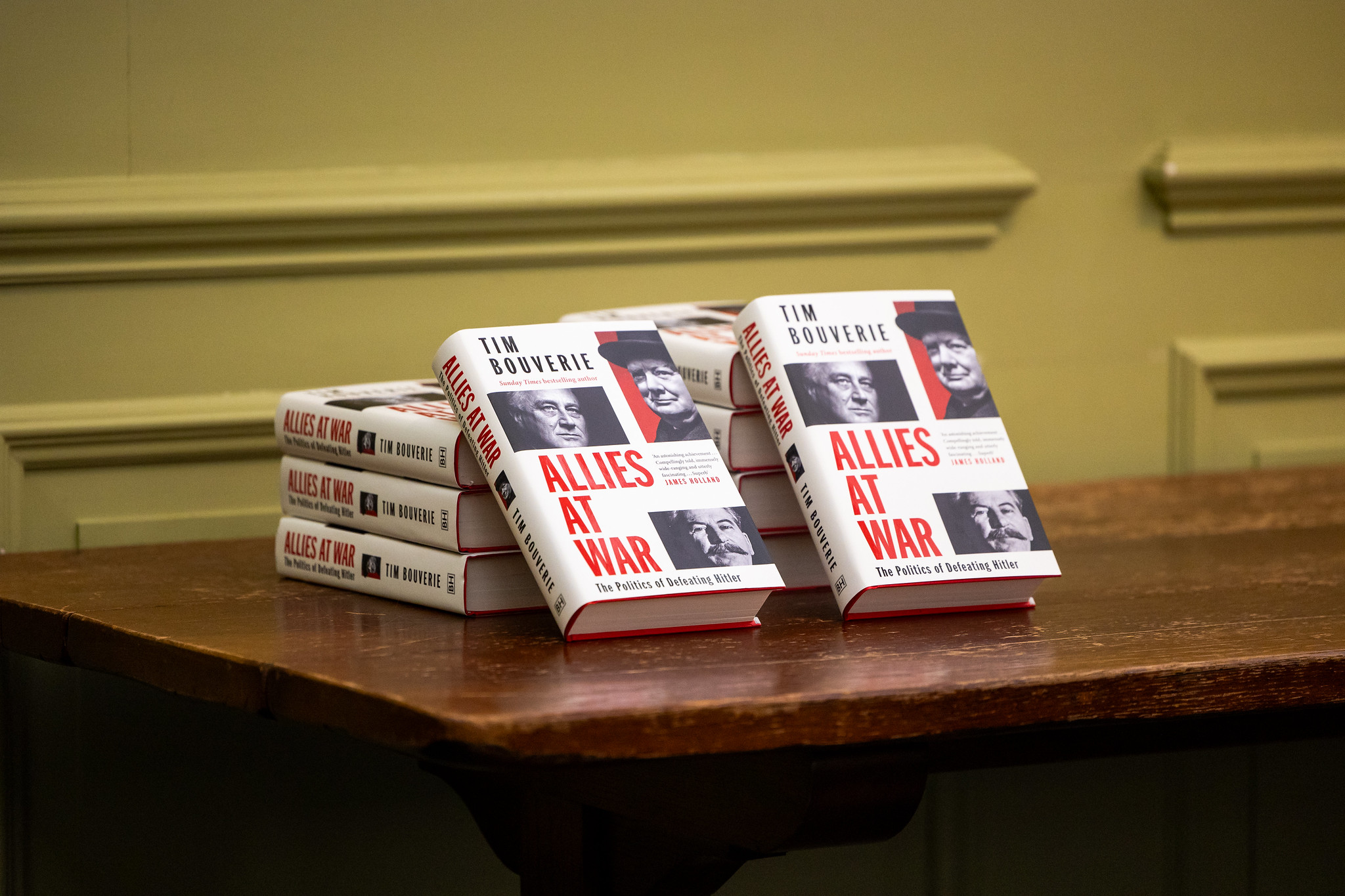
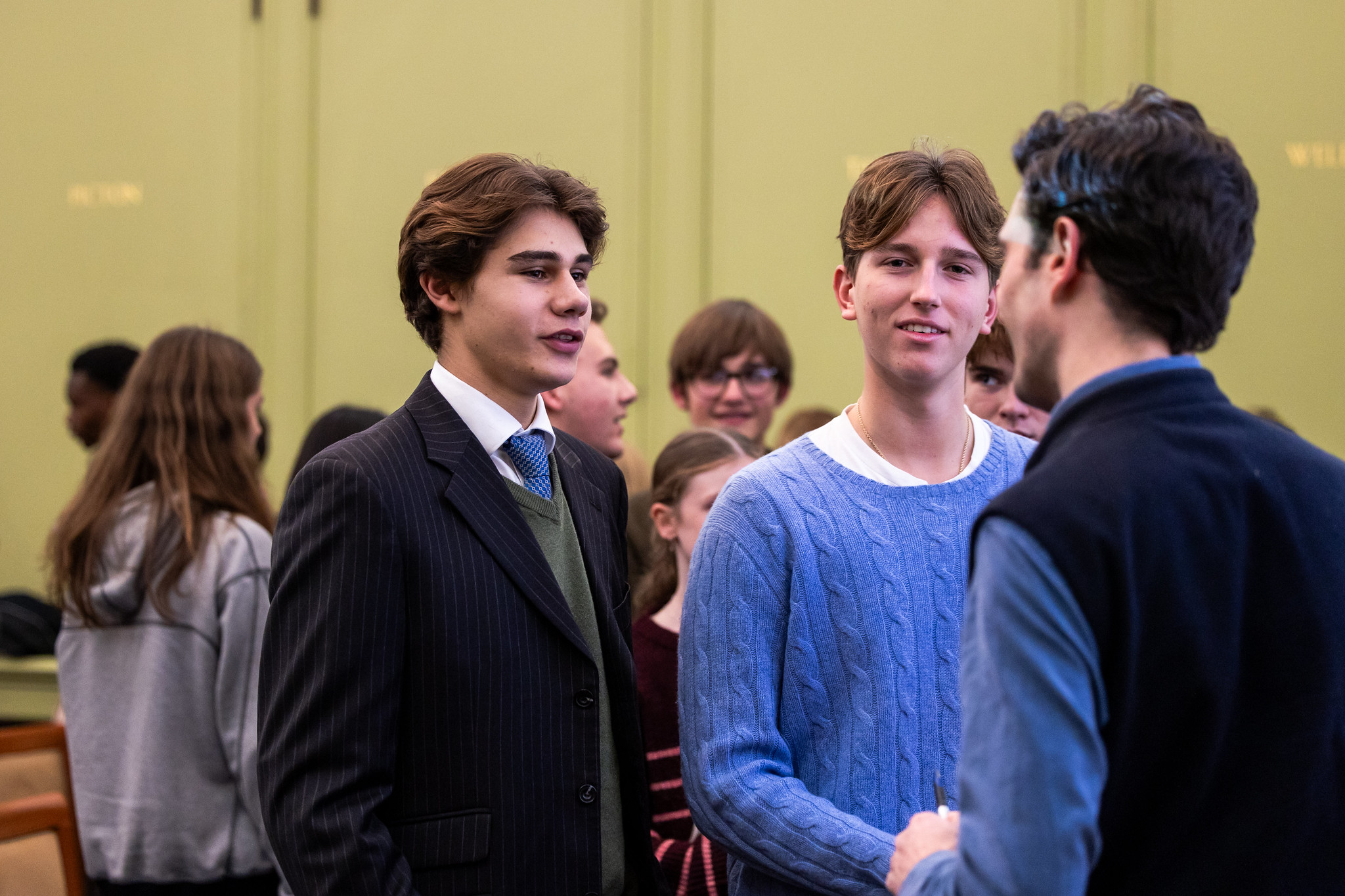
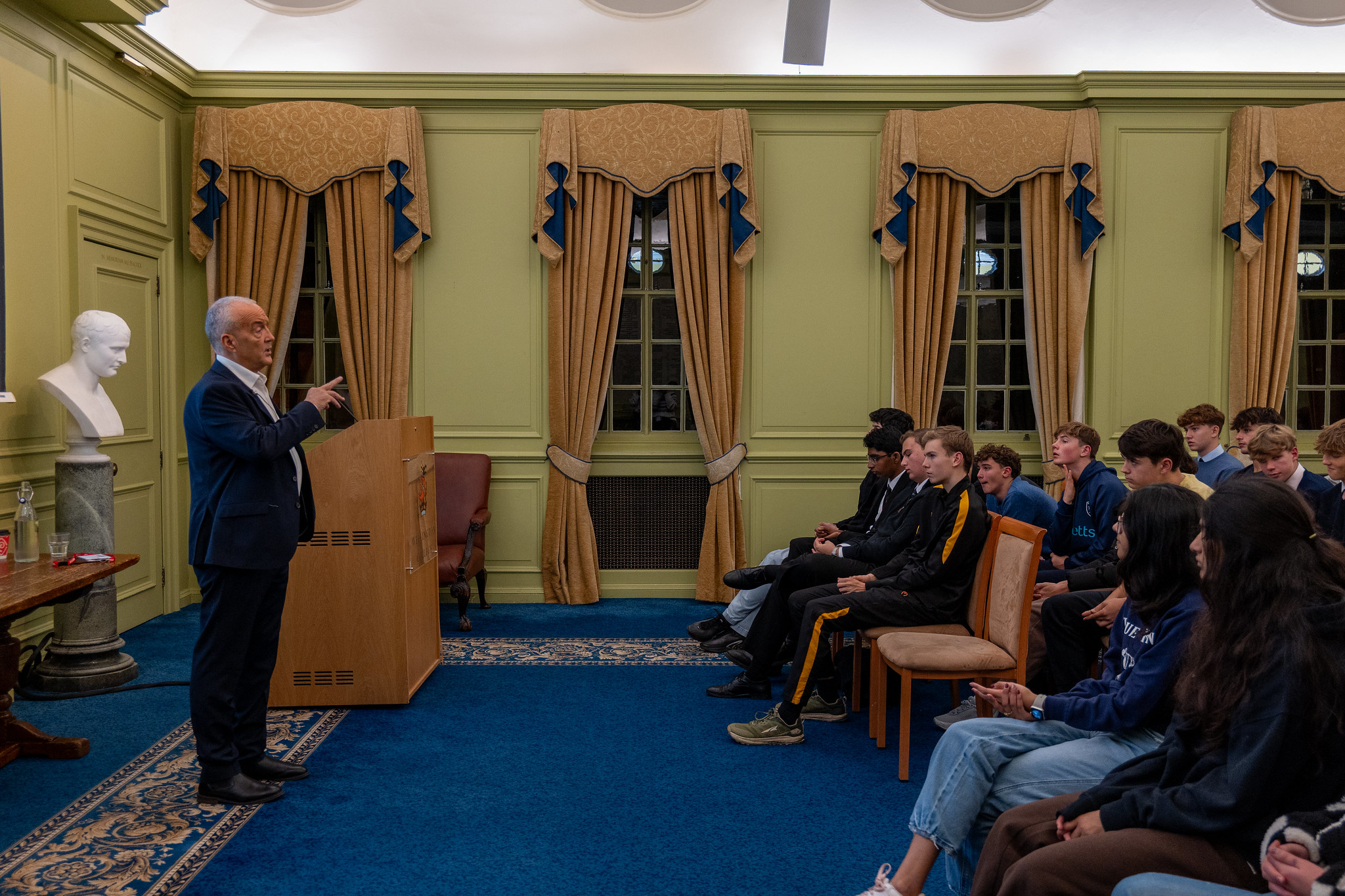
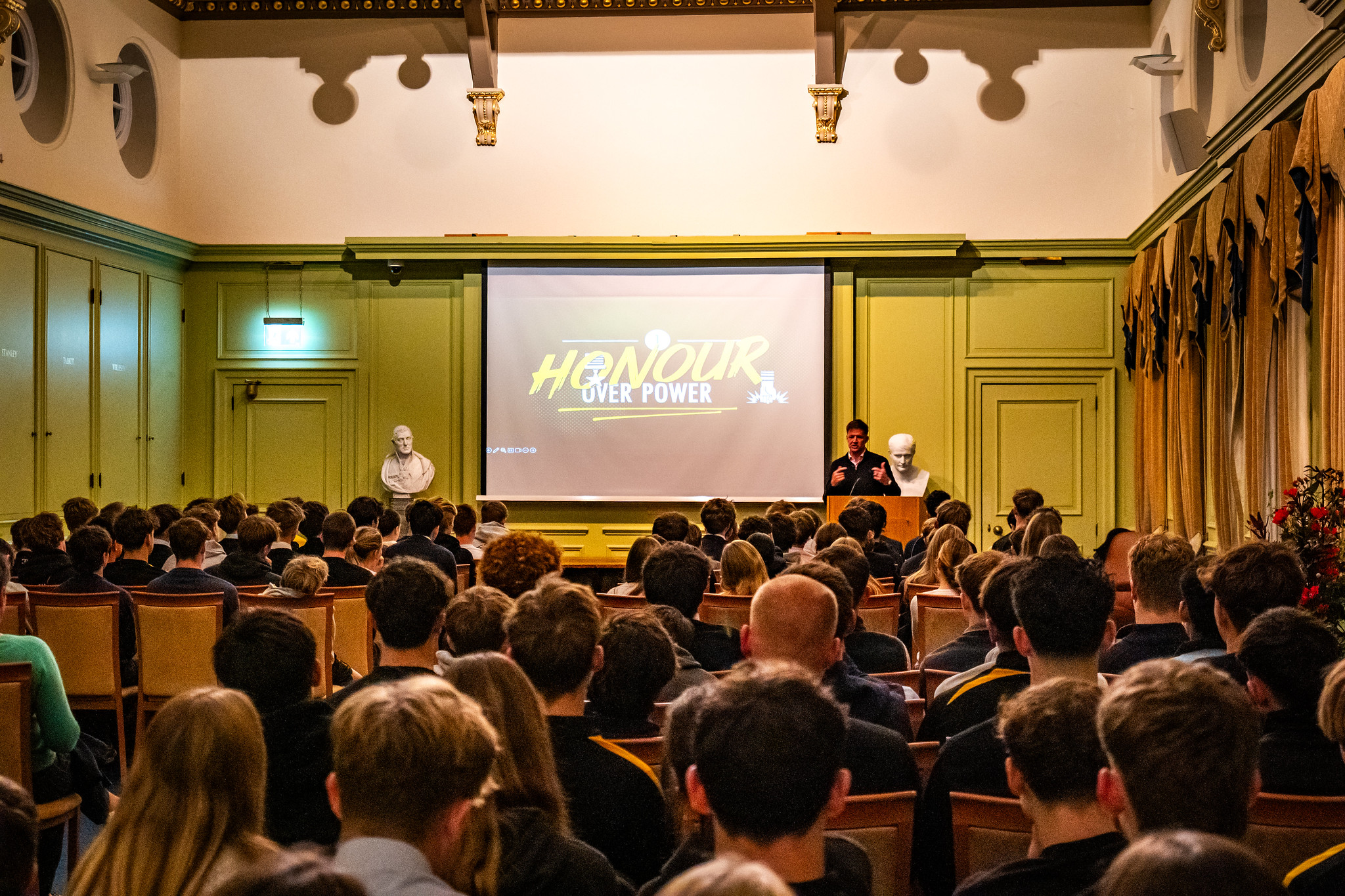
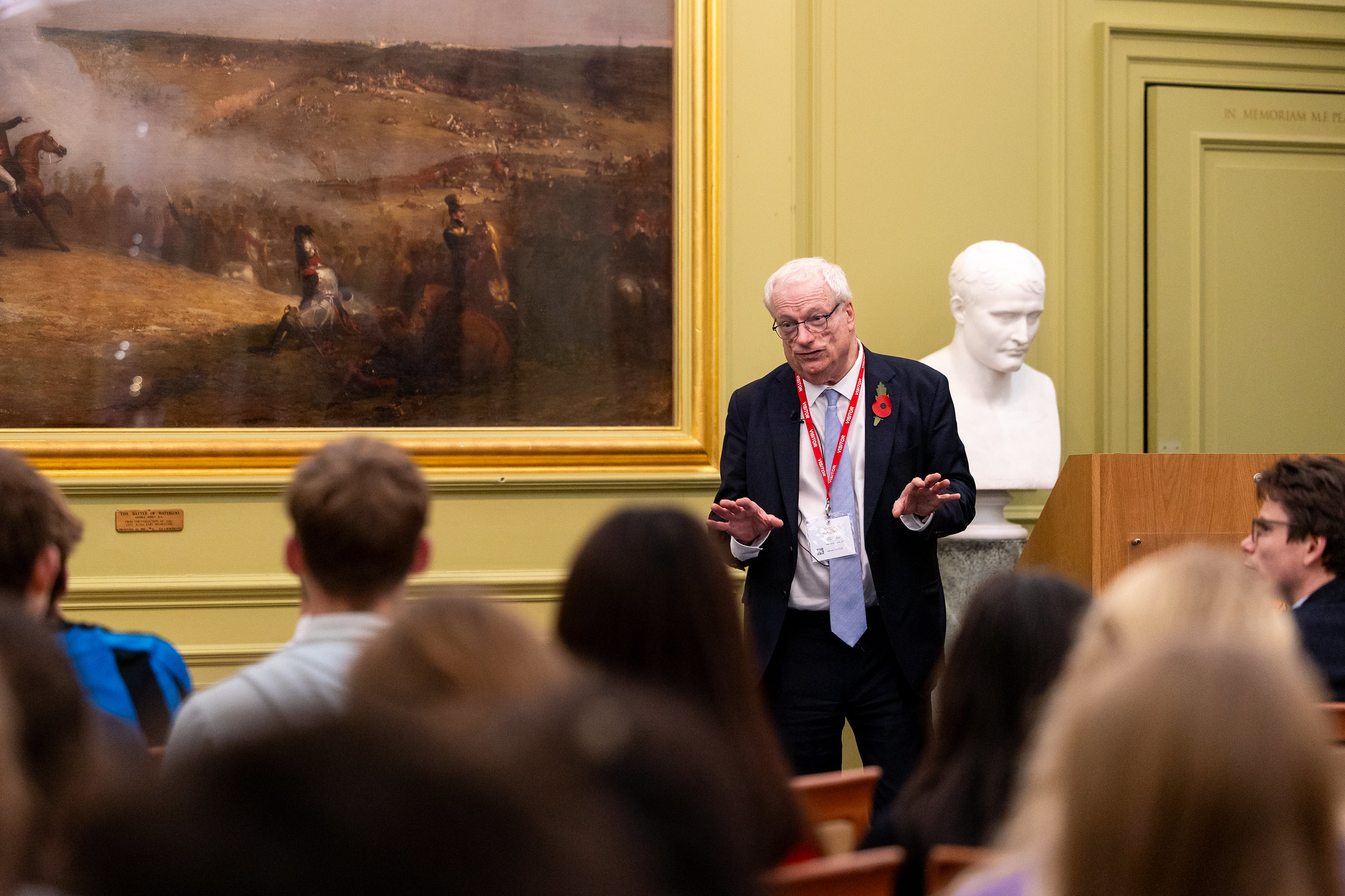
A fantastic finale to our 2025 Fireside Talks. Historian Tim Bouverie captivated our students with sharp, vivid insights from Allies at War, revealing how Churchill, Roosevelt and Stalin managed to fight a common enemy while disagreeing on almost everything else. He unpacked the Grand Alliance as a partnership built on rivalry as much as cooperation – fractious and suspicious, yet united by one urgent goal: defeat Hitler. He captured the tension between military necessity and political ambition, bringing each leader’s personality to life with colour and clarity.
The Q&A was an absolute highlight: students asked thoughtful, challenging questions that kept the debate buzzing, probing whether such a fractious alliance could exist today, how leaders balance principle with pragmatism, and what lessons can be applied for modern geopolitics.
Bouverie’s talk brought to a close what has been an exceptionally rich term for our Fireside series. We began in September with Dr Cahal Moran, who grounded students in the realities of the modern economy and why living standards are shifting. His clear, unflinching economic analysis set the tone for a term defined by big questions and deeper understanding.
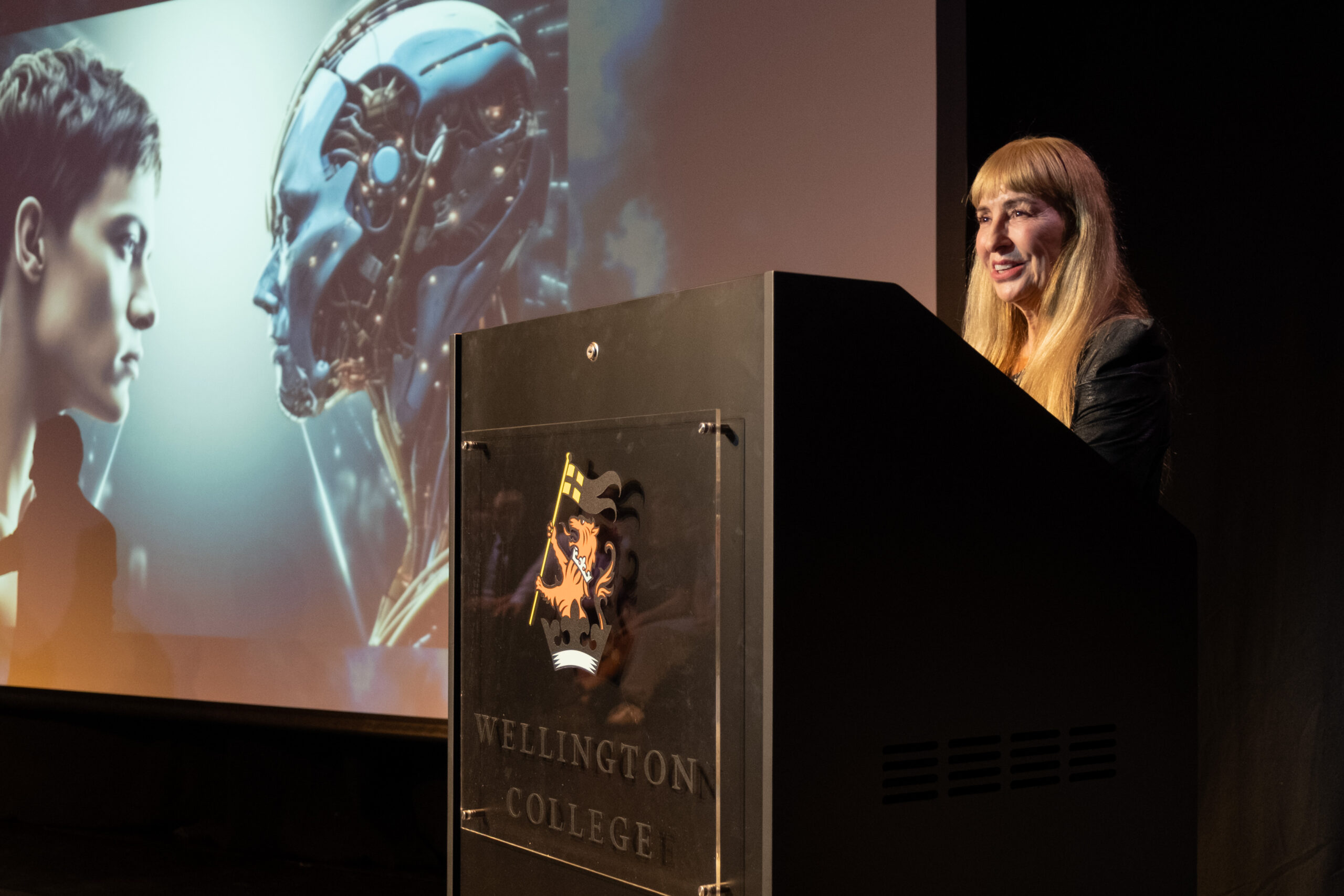
Baroness Susan Greenfield then propelled us into the future, challenging us to consider what it means to be human in the age of AI. Her exploration of identity, creativity and consciousness left students contemplating technology’s profound impact on their lives and society.
Across the term, global perspectives remained front and centre. BBC correspondent Aleem Maqbool shed light on the complexities of reporting truth in divided societies, while Channel 5 presenter Claudia-Liza Vanderpuije opened a window into Britain’s evolving place on the world stage. Economist Professor Graeme Leach later widened the lens again, offering a brisk but insightful tour of where the global economy may be headed – the promise, the peril and everything in between.
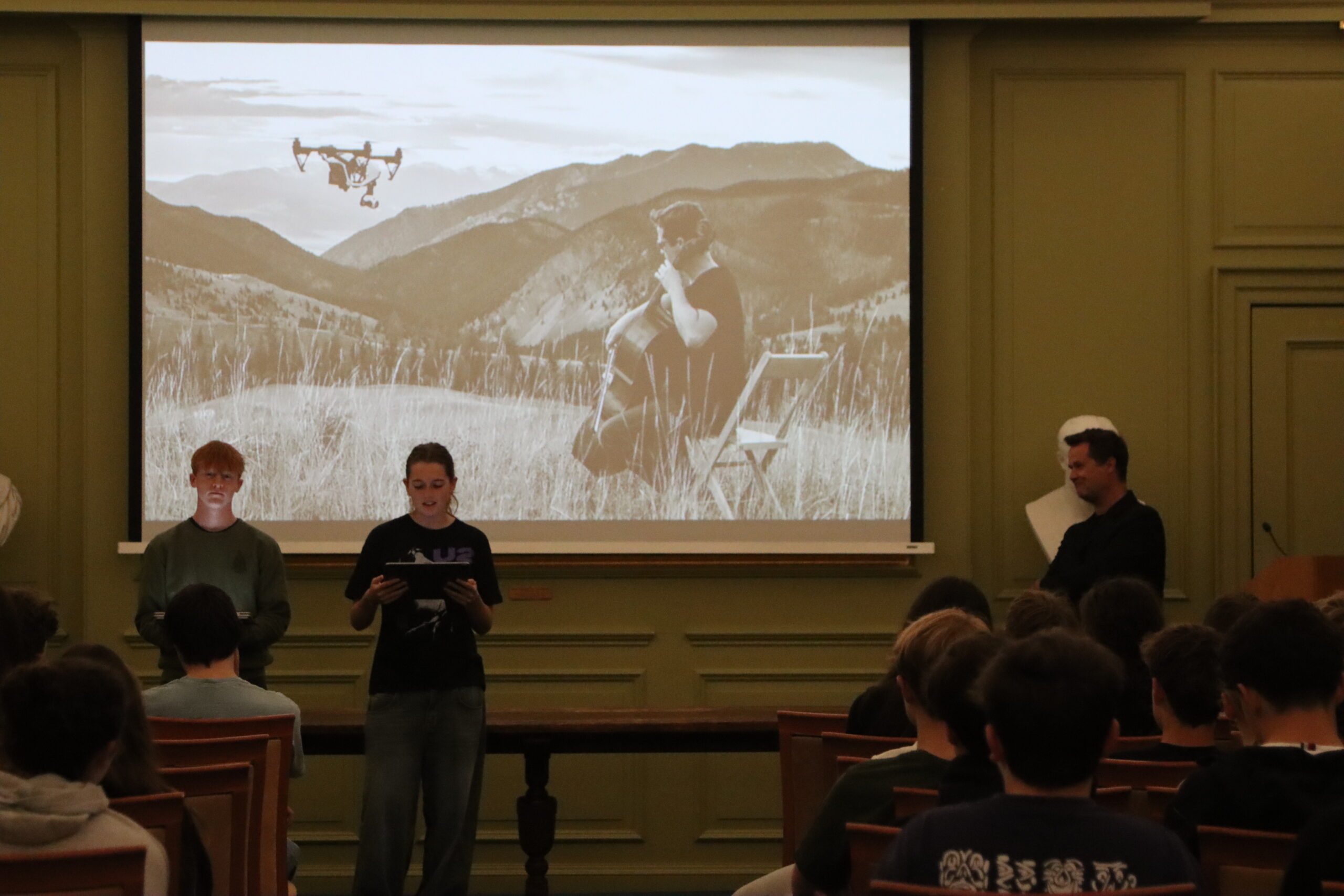
We also explored leadership and the human spirit. Keith Reesby invited students to reflect on the psychology of success and the stories we tell ourselves, while Lord Chris Smith reminded us of the power of culture and the importance of the policies that protect it. And in one of the term’s most energising sessions, former Springbok captain Bob Skinstad shared lessons from South African rugby’s transformation, demonstrating how “crazy/brave” leadership can unite, inspire and redefine what success looks like.
Together, these talks formed a vibrant tapestry of ideas, from economics and ethics to identity, culture and global affairs. Each speaker offered students not just expertise, but perspective: different ways of seeing the world, questioning assumptions and imagining their own role within it.
With Tim Bouverie’s powerful finale still resonating, the term’s series stands as a testament to curiosity, inquiry and the joy of learning far beyond the classroom.

Prev article
Next article