


Find out more

09 September 2026

News
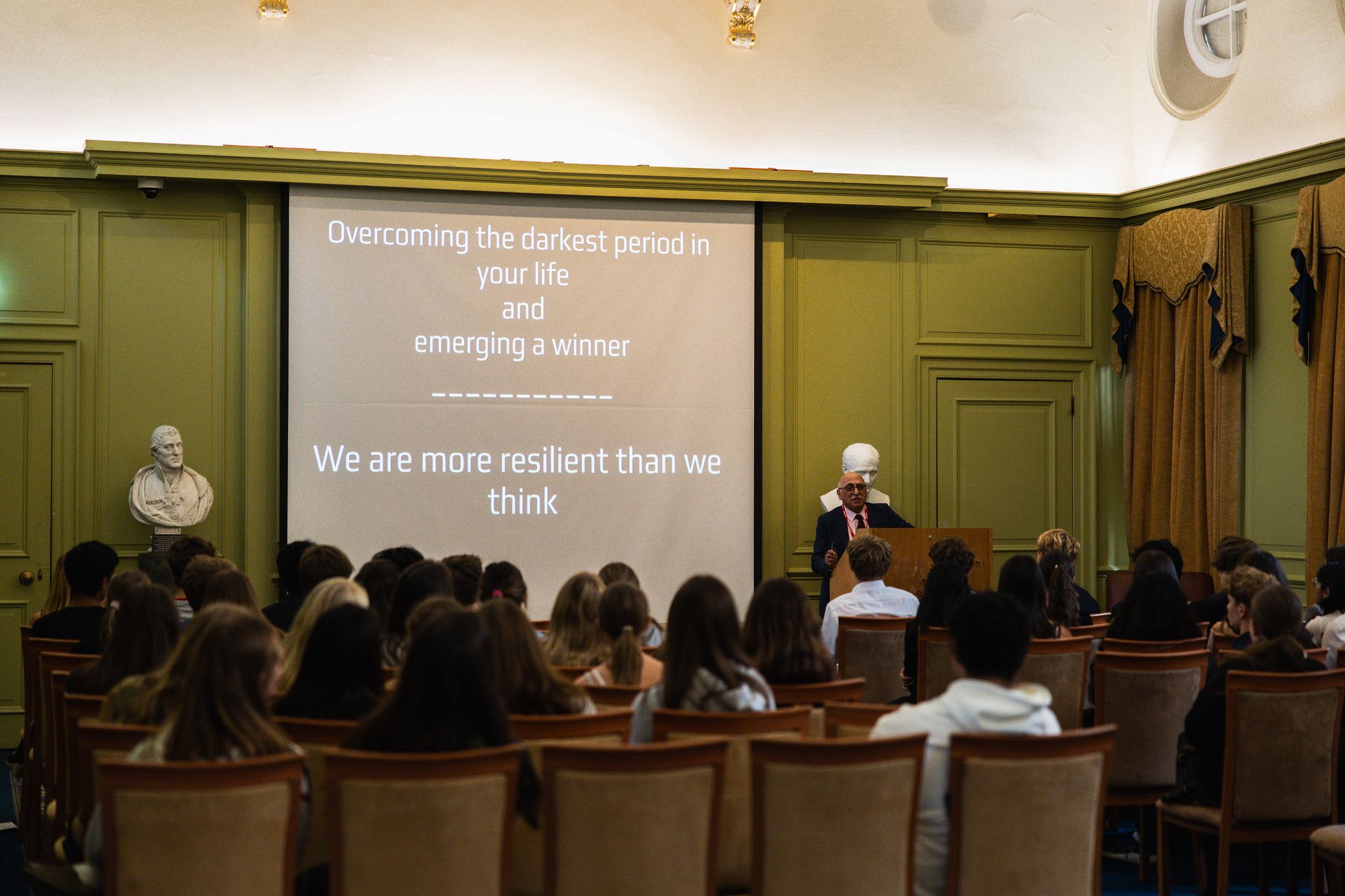
What makes a good question and could asking the right one be more important than already knowing the answer? That was the challenge at the heart of the first Fireside Talk of term, as Wellington College welcomed David Yarnton, former senior Nintendo executive, start-up adviser and author of the thriller GameTrap.
David began by asking pupils not to search for the “right” answer, but instead to consider what evidence they would need to form their own view. As he put it, “the best conversations don’t begin with answers. They begin with questions.”
David explored how industries adapt when technology changes, before turning to his own experience at Nintendo. The launch of the Wii provided a striking example of challenging conventional wisdom. Rather than asking how Nintendo could build the most powerful games console, the company reframed the problem: how could it enable more people to play? The result was a console that appealed far beyond the traditional gaming audience.
But bold ideas do not always become successful innovations. Drawing on the dot-com boom, technology start-ups and themes from GameTrap, David explored what happens when ambition outruns evidence, charisma replaces scrutiny and success begins to feel inevitable.
David encouraged the students to consider whether artificial intelligence might be the next industrial revolution, the next technology bubble or both? History, David argued, suggests those possibilities need not be mutually exclusive: the internet transformed the world even while the dot-com bubble grew around it.
David’s key message was the importance of disciplined curiosity: define the problem you are really trying to solve, distinguish evidence from narrative, actively seek out information that might challenge your assumptions and, above all, keep human judgement at the heart of decision-making.
It was the perfect start to this term’s Fireside Talks: not a lecture built around having all the answers, but an invitation to question assumptions, test ideas and think more carefully about how we decide what to believe.

Prev article
Next article