




Find out more

05 October 2026

News
As the country marks the first National Cadet Week, we are taking the opportunity to celebrate Wellington College’s Combined Cadet Force (CCF) and, more importantly, to explore the role it plays in developing character and confidence. From building friendships and working effectively with others to adaptive problem-solving, trying unfamiliar things and learning from setbacks, the experiences pupils gain through CCF can positively influence many different aspects of their life at Wellington.
For those unfamiliar with CCF, it can be easy to assume that cadet training is predominantly military in nature. At Wellington, however, the purpose is much broader. As a compulsory part of the Fourth Form experience, CCF gives pupils a different environment in which to take responsibility, solve problems, support one another and discover how they respond when faced with something new.
CCF Contingent Commander Sam Gutteridge, who leads CCF at Wellington explains. “It’s all about pitching activities that will enthuse and inspire young people and make them better people.”
And those activities are extraordinarily varied.
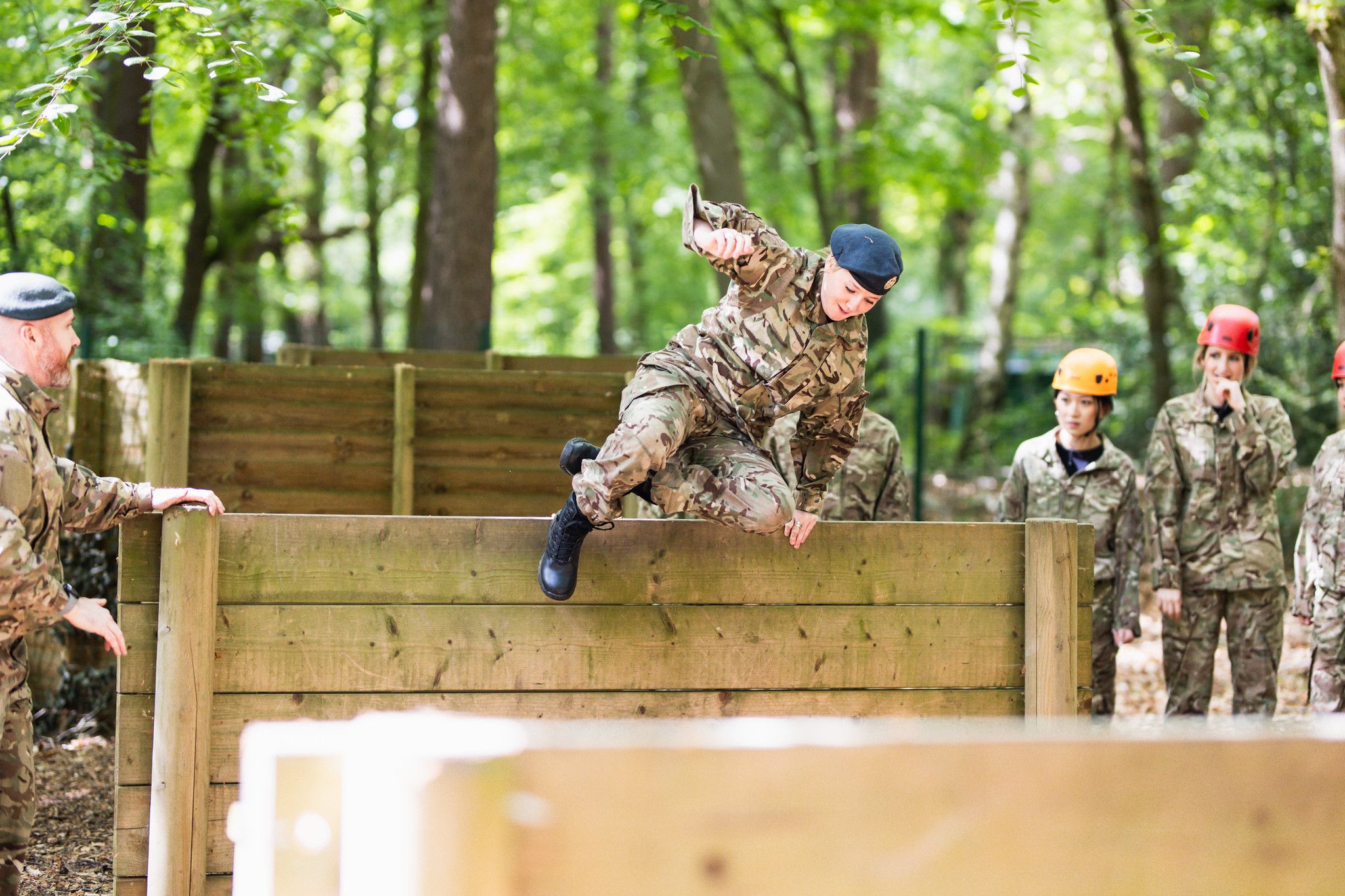
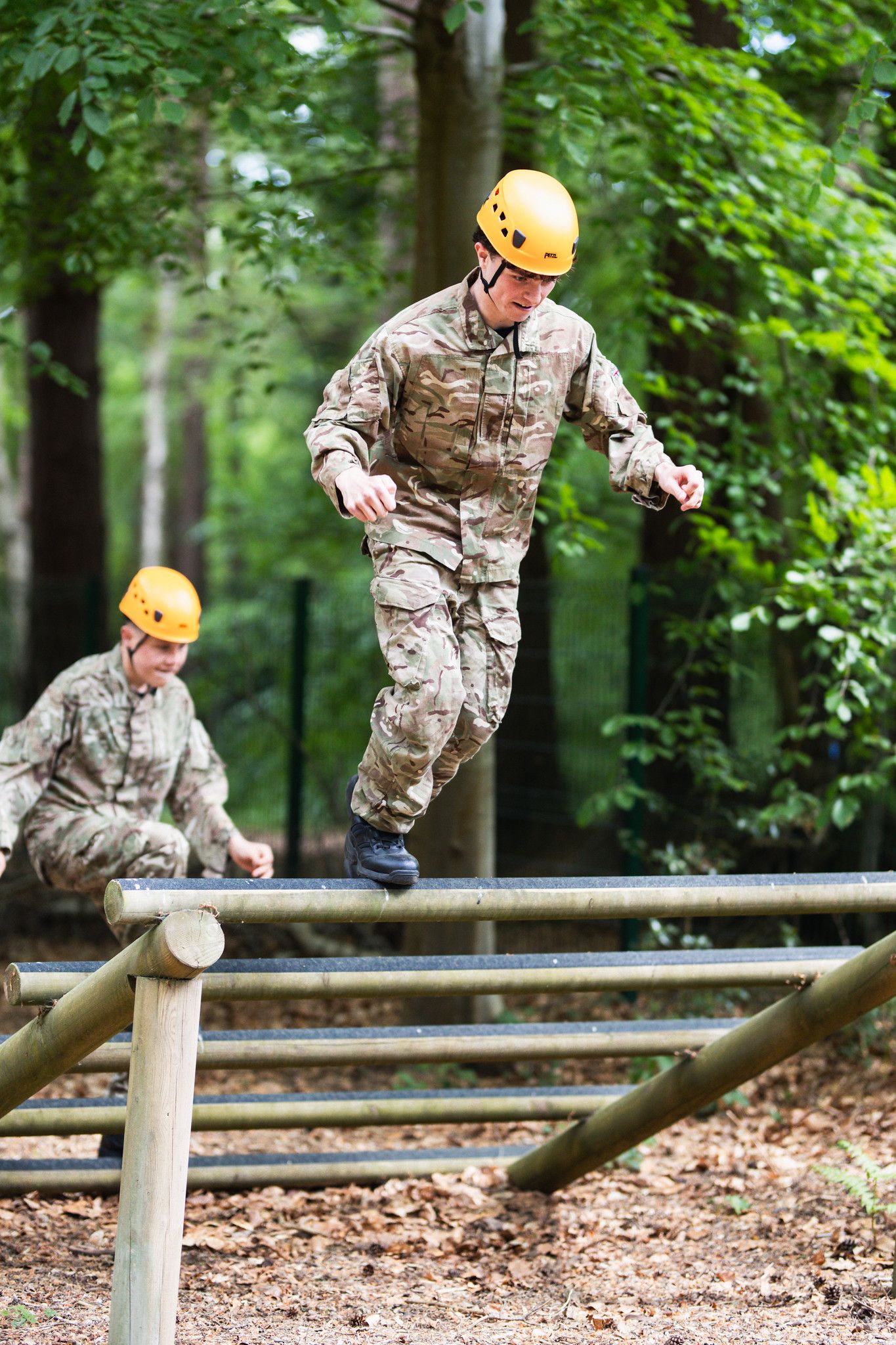
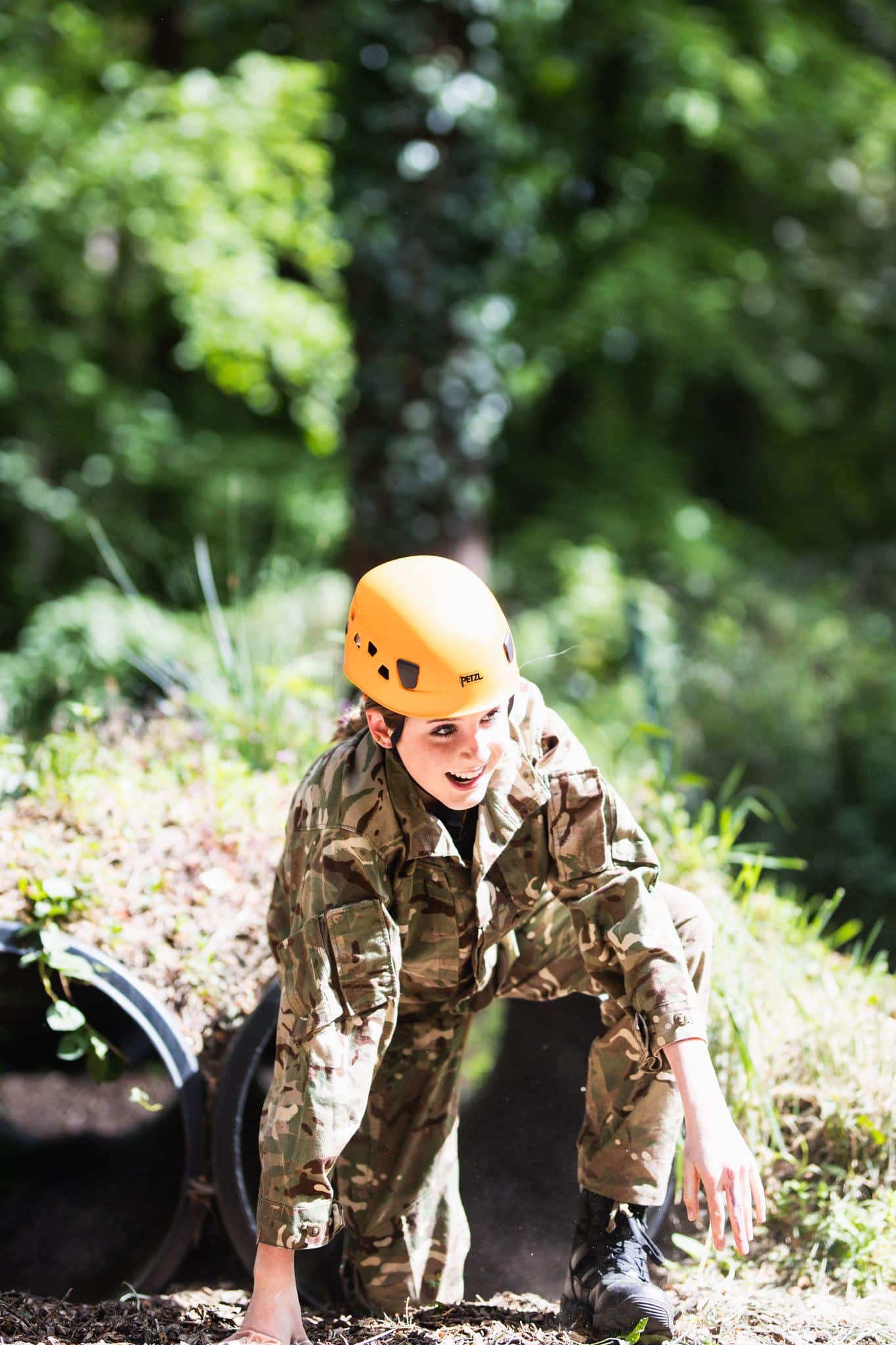
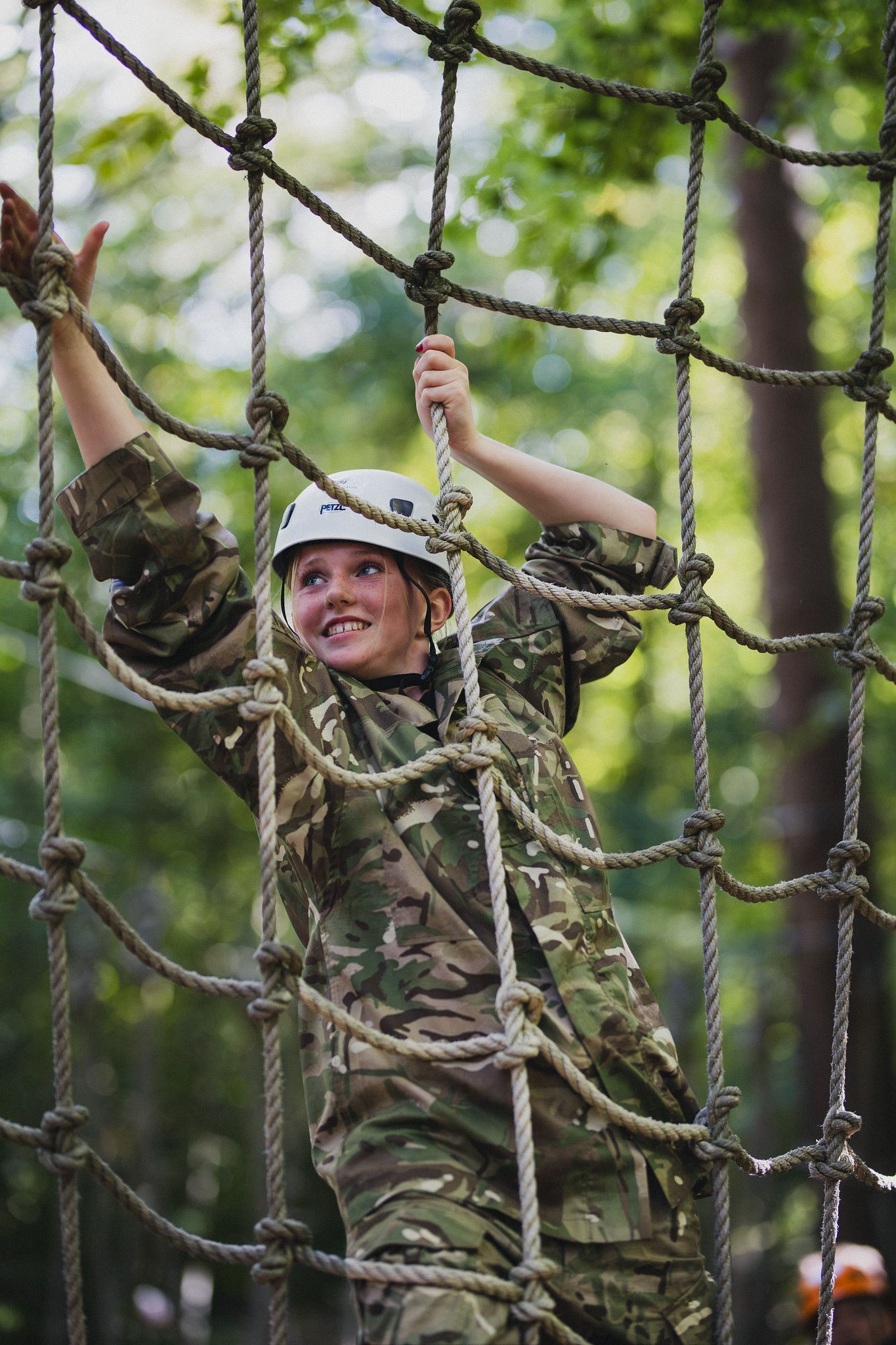
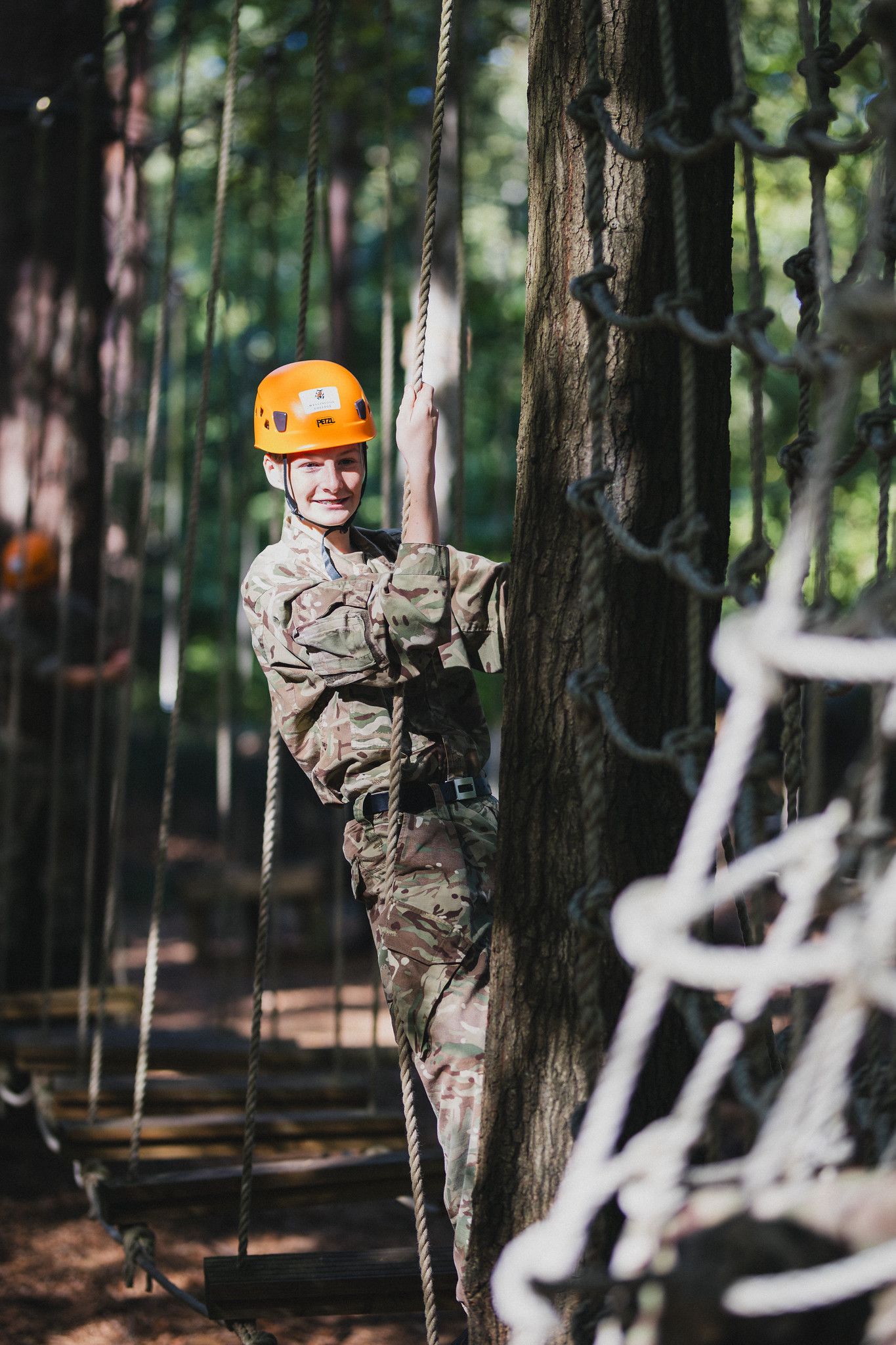
Across the year, Fourth Form pupils might find themselves tackling the low ropes course, learning first aid, building a survival shelter, developing navigation skills, taking on an obstacle course or constructing a raft. The programme also introduces military knowledge and teamwork tasks, alongside command tasks, STEM challenges and Wellington favourites such as the Cadet Bake Off, where teams are challenged to turn military ration packs into a three-course meal.
The variety is deliberate. Some activities require physical confidence; others demand careful planning, communication, creativity or adaptive problem-solving. A survival challenge, for example, might ask a team to respond to an injured pilot, construct a shelter and collect water. Each scenario requires pupils to work together, share responsibility and adapt their approach, with different pupils often stepping forward at different moments.
Crucially, things do not always work.
CCF deliberately creates an environment where pupils can attempt something, sometimes get it wrong and consider what they would do differently next time. There is less pressure attached to failure than pupils might experience in other areas of school life, making mistakes a valuable part of the learning process.
These experiences can also reveal strengths that may not always be visible in the classroom. A naturally quiet pupil might spot the solution to a command task, while another might discover an ability to organise a group, communicate an idea or encourage others when something goes wrong.
For staff, particularly those involved in boarding, seeing pupils in these different situations contributes to a richer understanding of the young people in their care.
The Fourth Form programme is built around the Salamanca Shield, an inter-House competition which gives the activities an additional sense of purpose and friendly rivalry. Rather than completing a series of disconnected exercises, pupils work alongside their Housemates towards a shared goal across the year, strengthening relationships and camaraderie within their Houses.
Much of this takes place outdoors, making use of Wellington’s woodland, lakes, obstacle courses, low ropes and open spaces. That connection with the outdoors is also an important part of CCF’s contribution to Human Flourishing at Wellington.
There are also aspects of CCF that are distinctly Wellington.
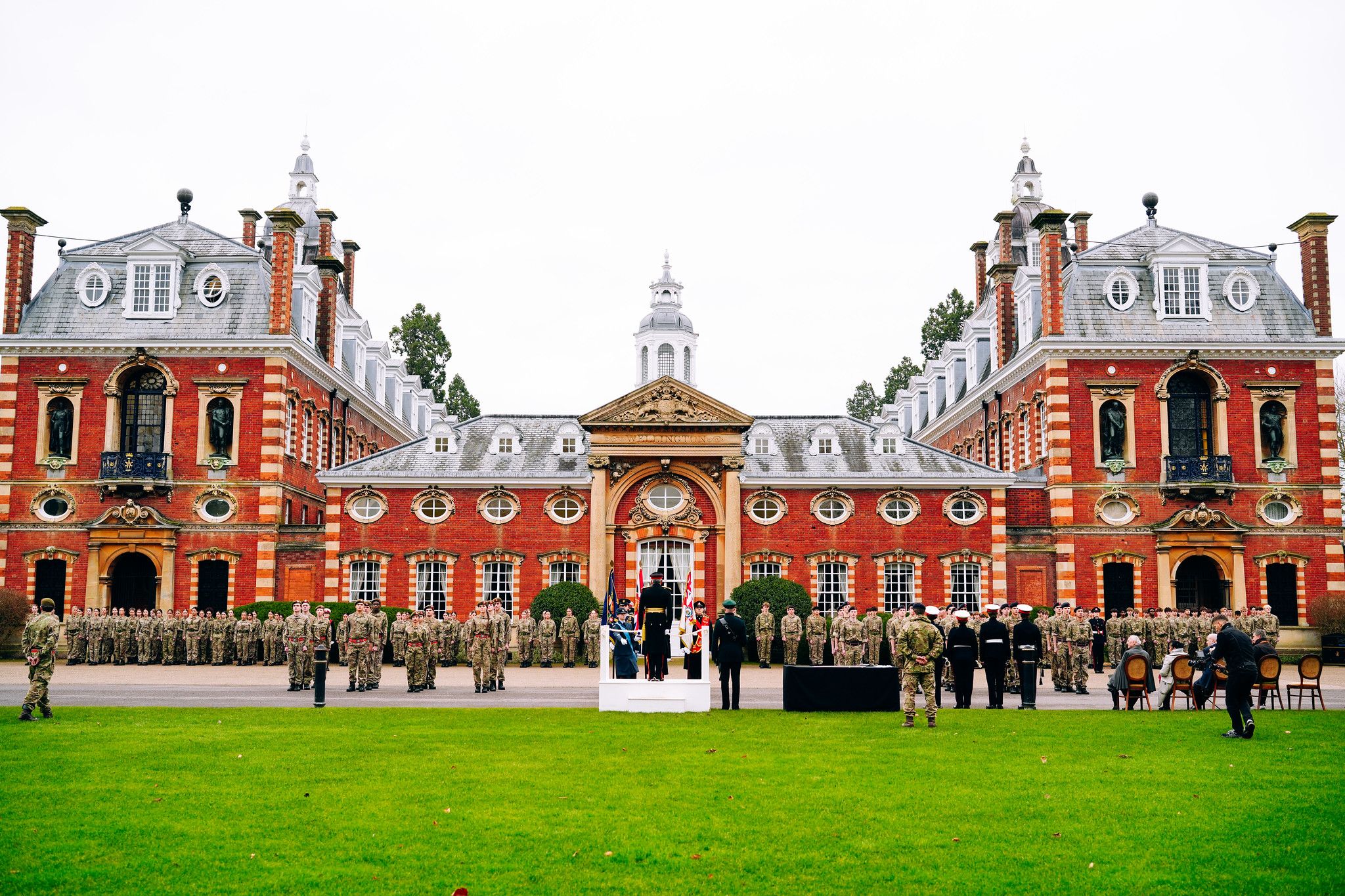
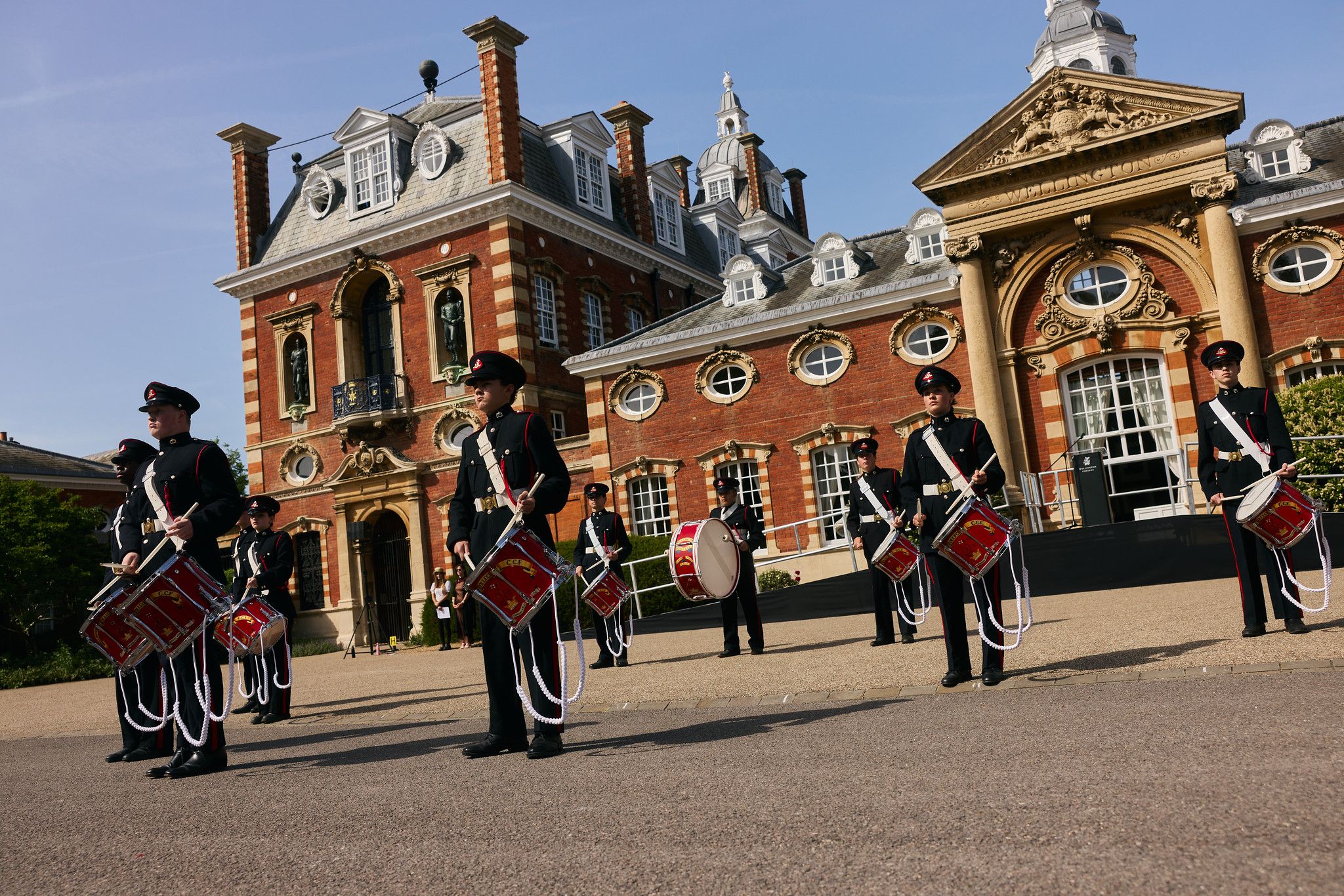
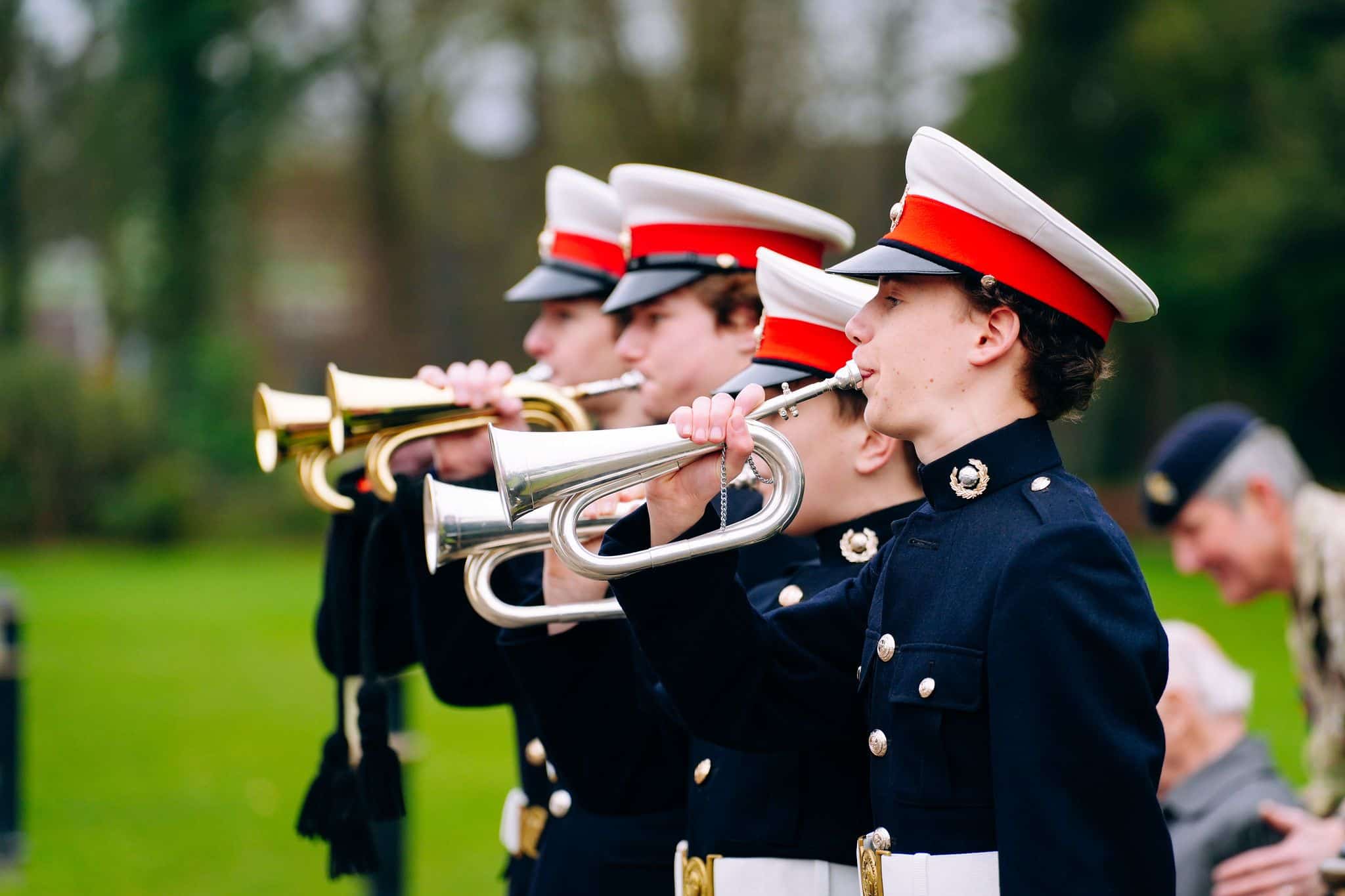
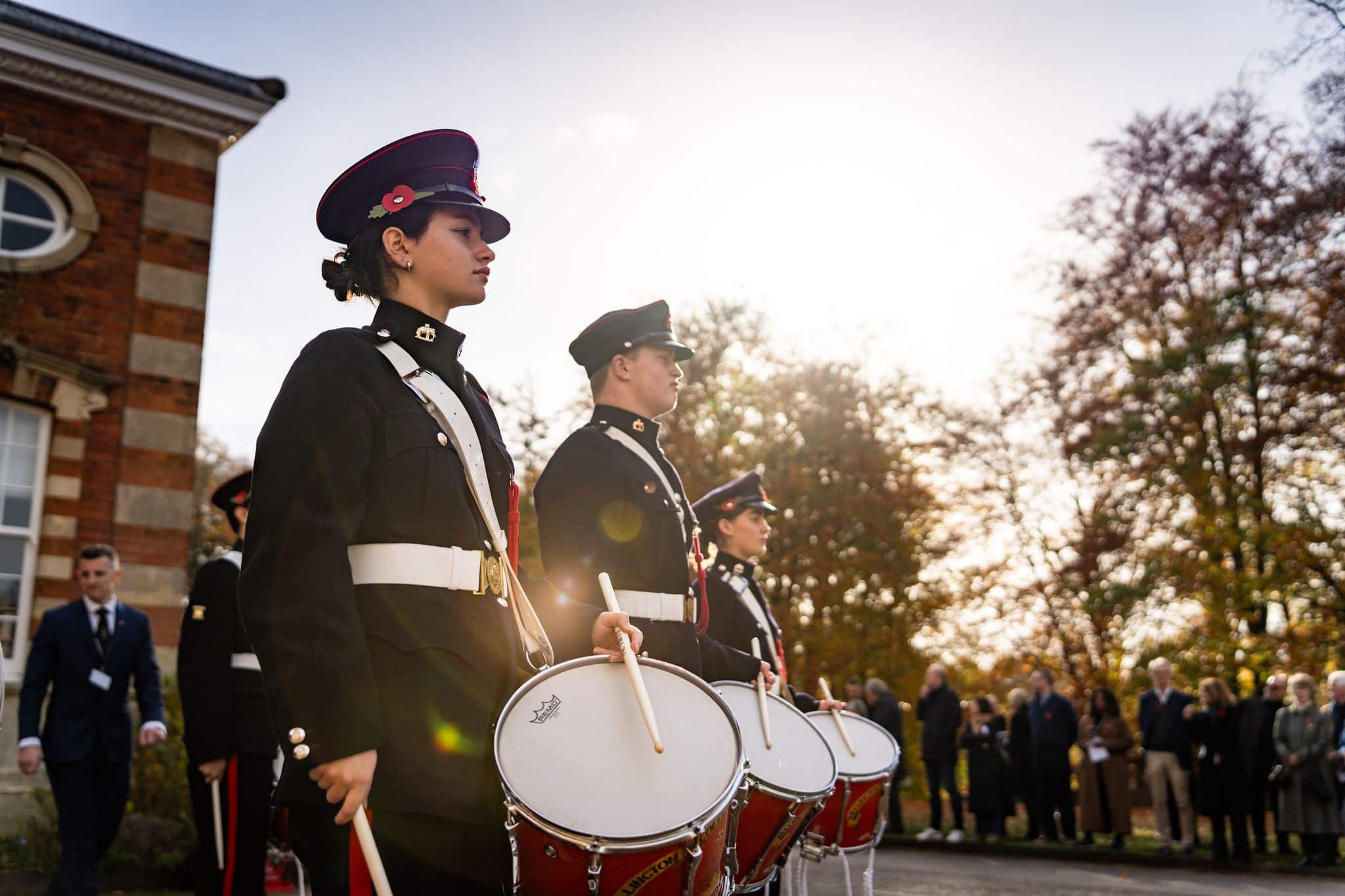
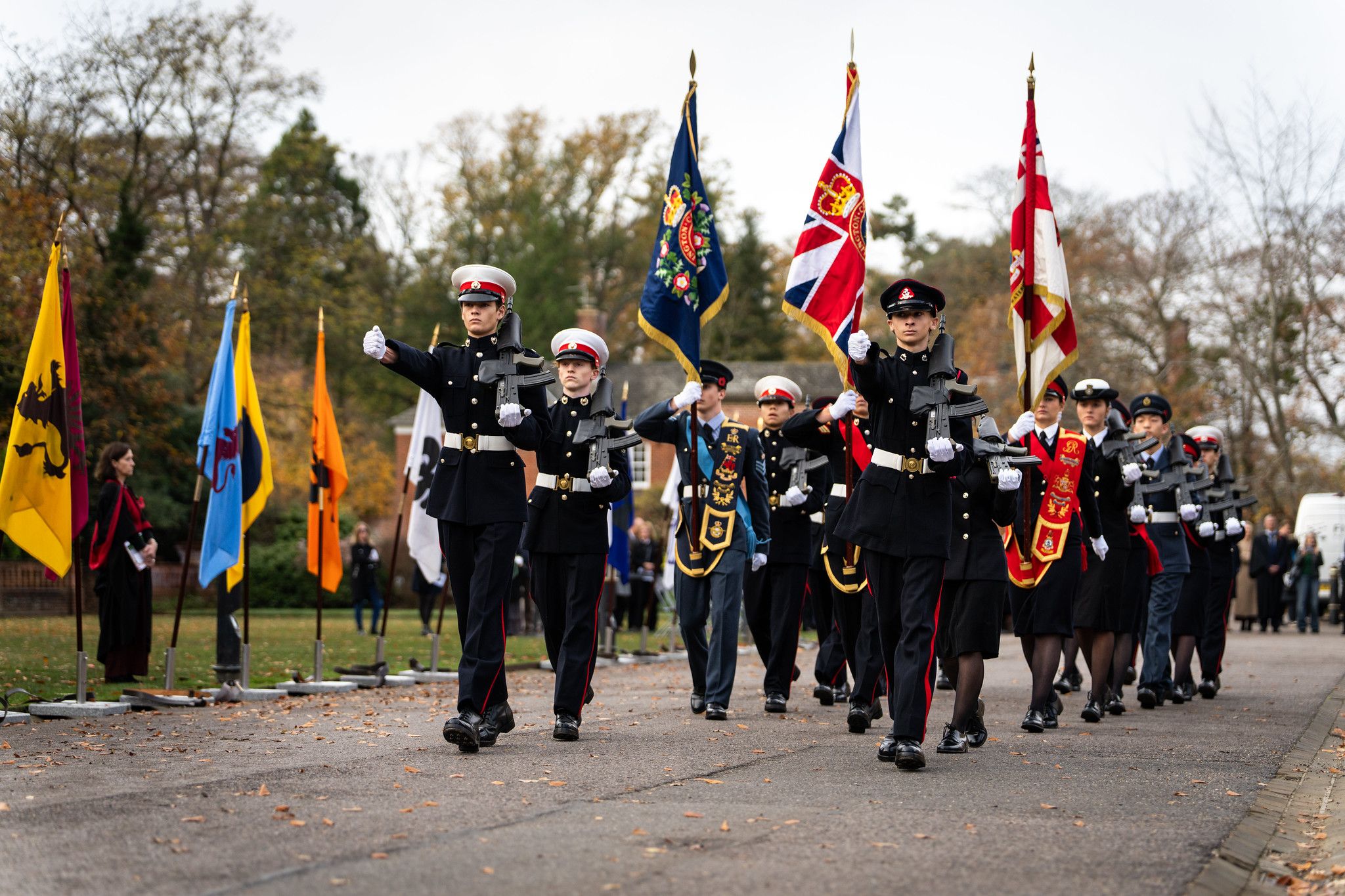
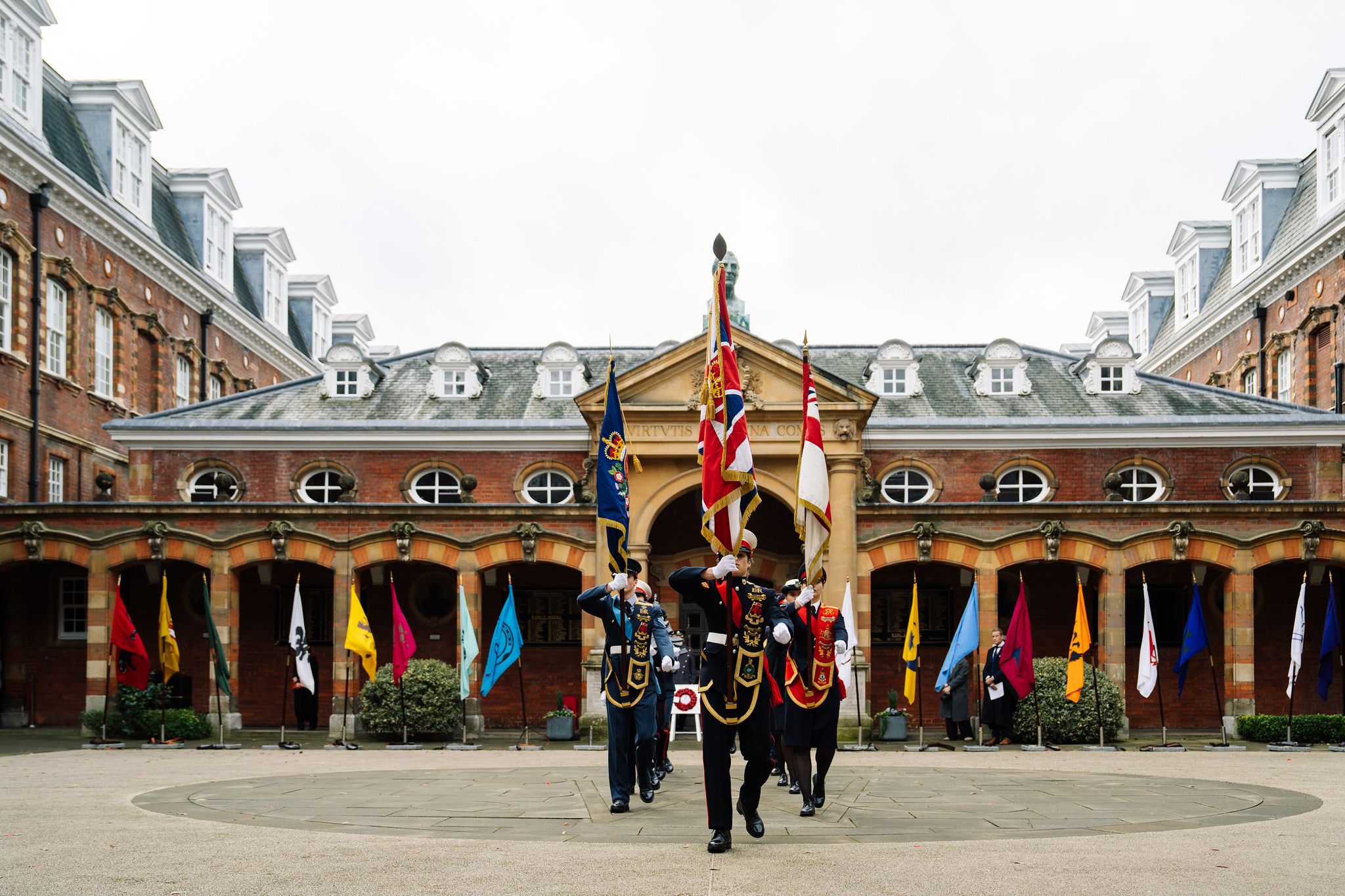
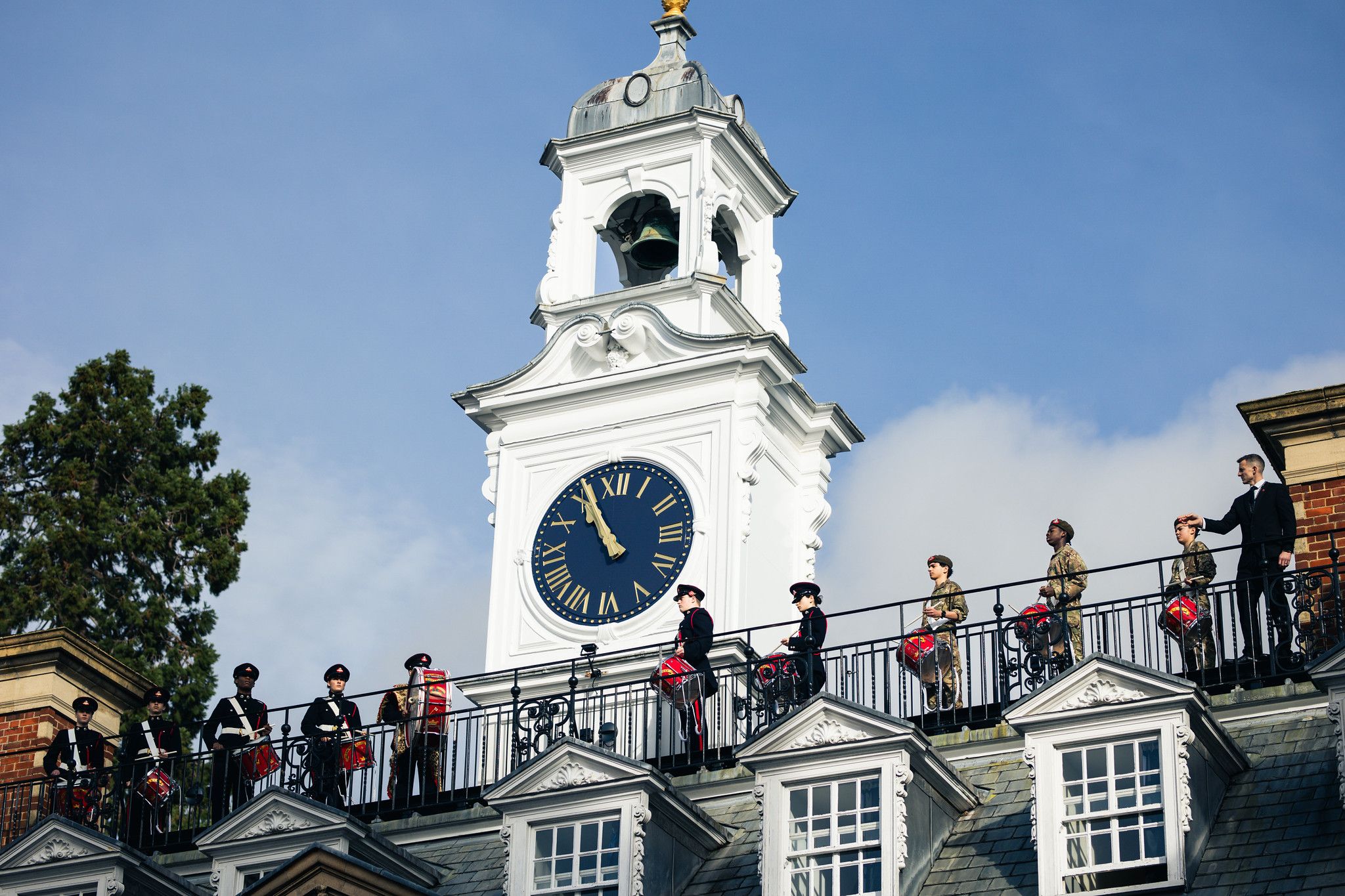
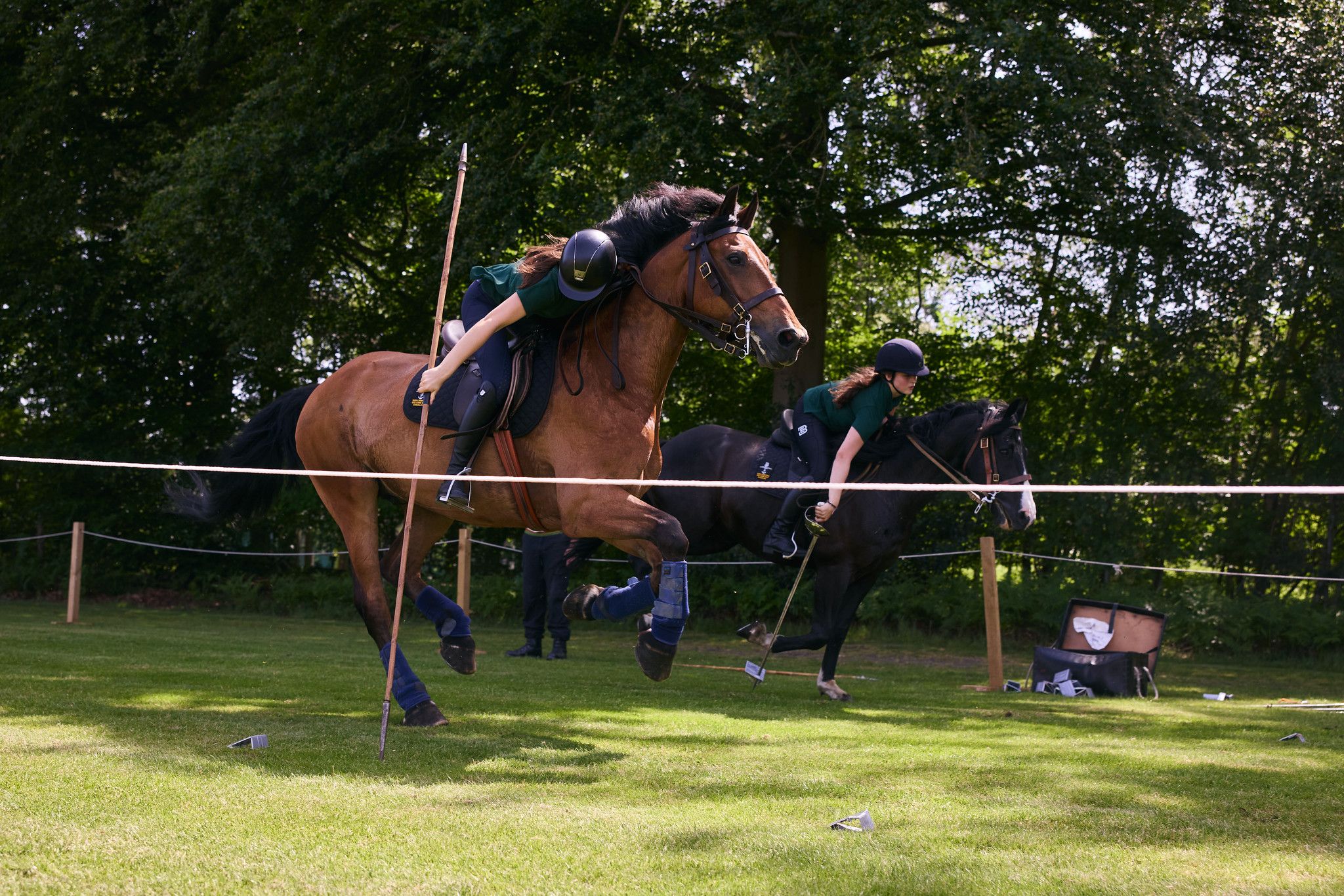
CCF has a visible place in some of the College’s great traditions and occasions. From the Colour Party and Corps of Drums to Remembrance and Speech Day, pupils have opportunities to take part in moments of ceremony and pageantry that connect today’s cadets with a long history of CCF at Wellington.
The experience extends beyond College too. Residential trips give pupils the chance to take on activities including climbing, caving, hill walking, orienteering and watersports while living and working alongside pupils from across the College. North Wales currently provides the setting for part of this adventurous training programme, with plans for future trips to the Isle of Wight bringing further opportunities to challenge pupils in new environments.
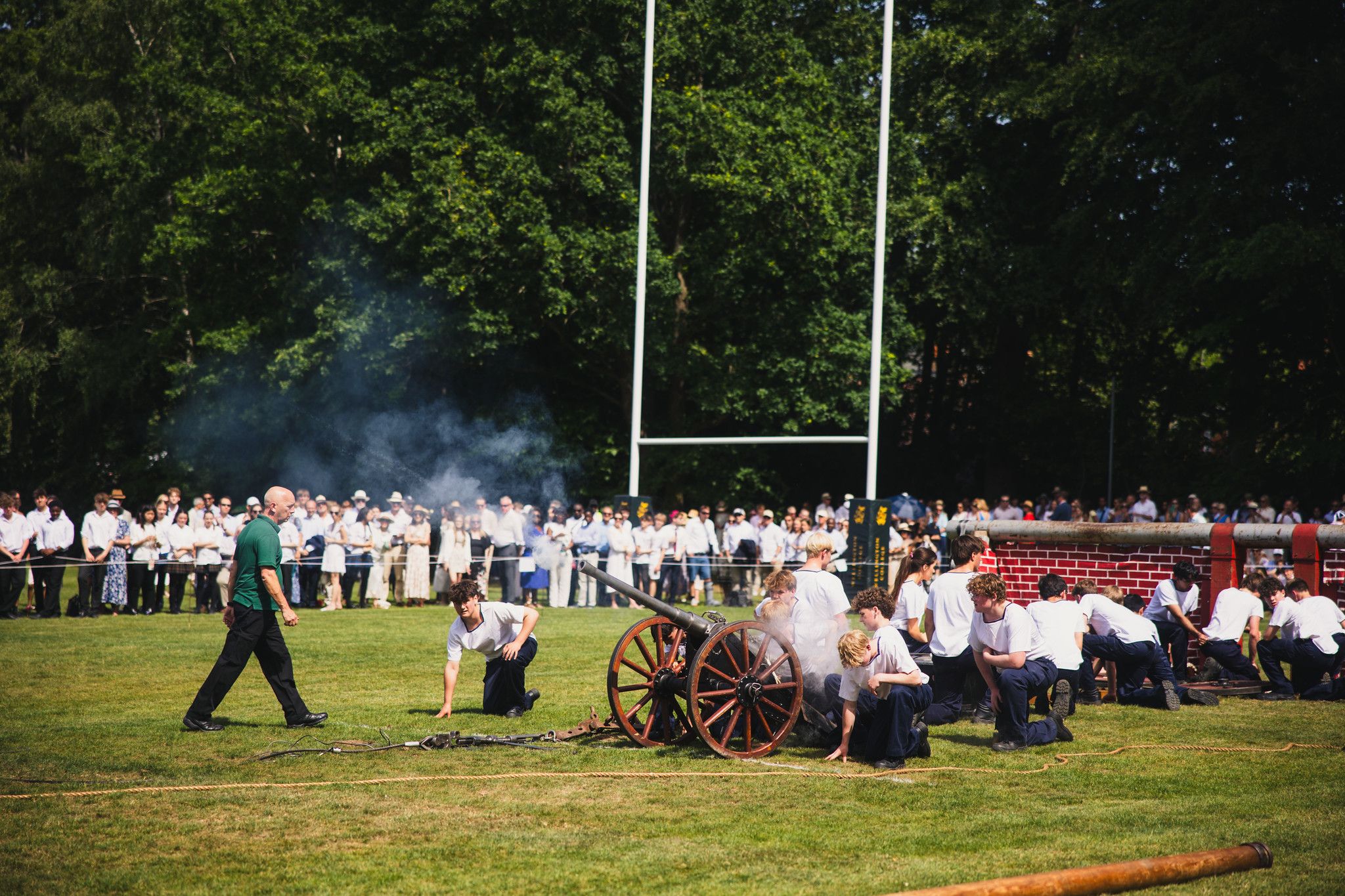
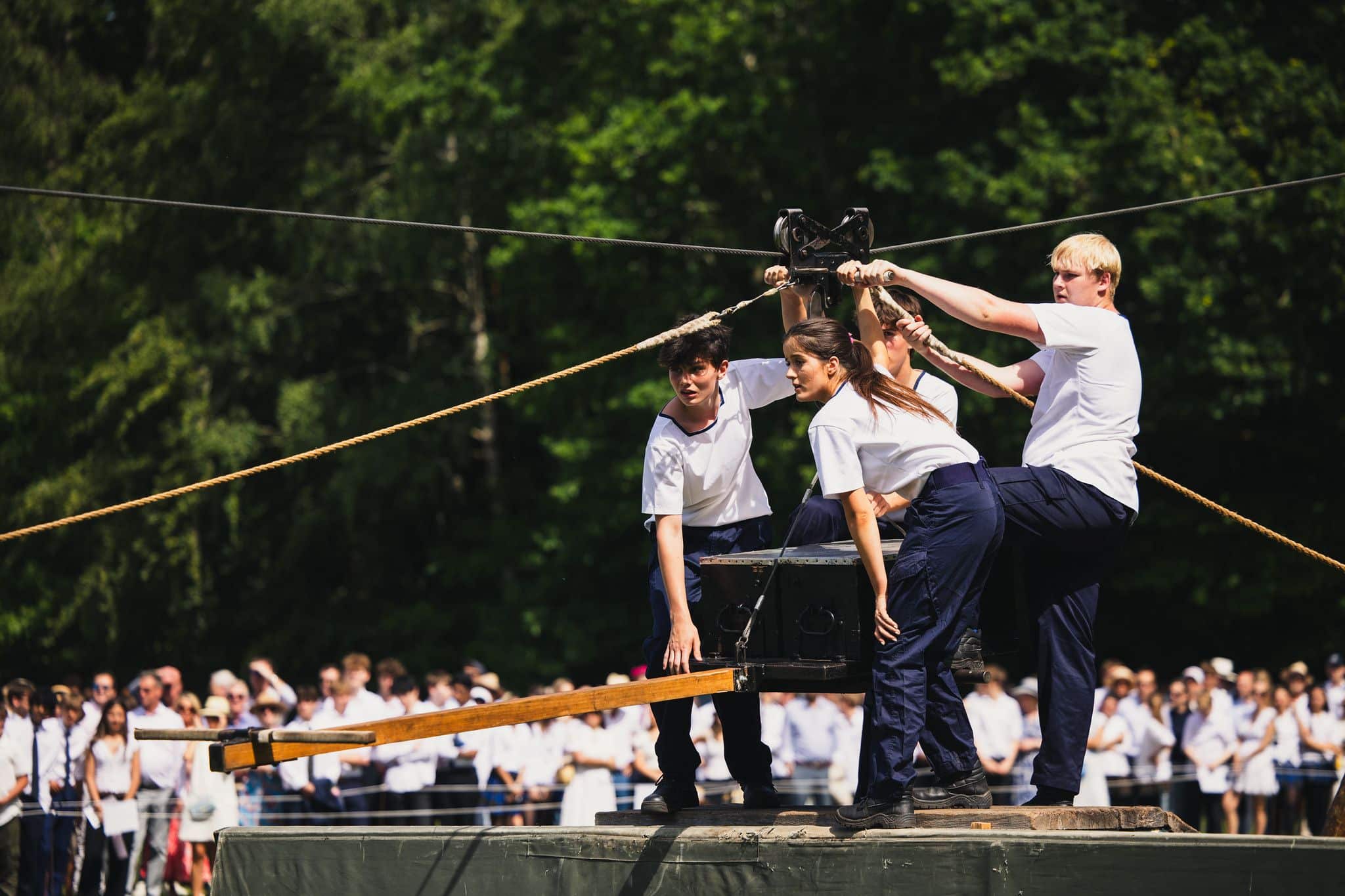
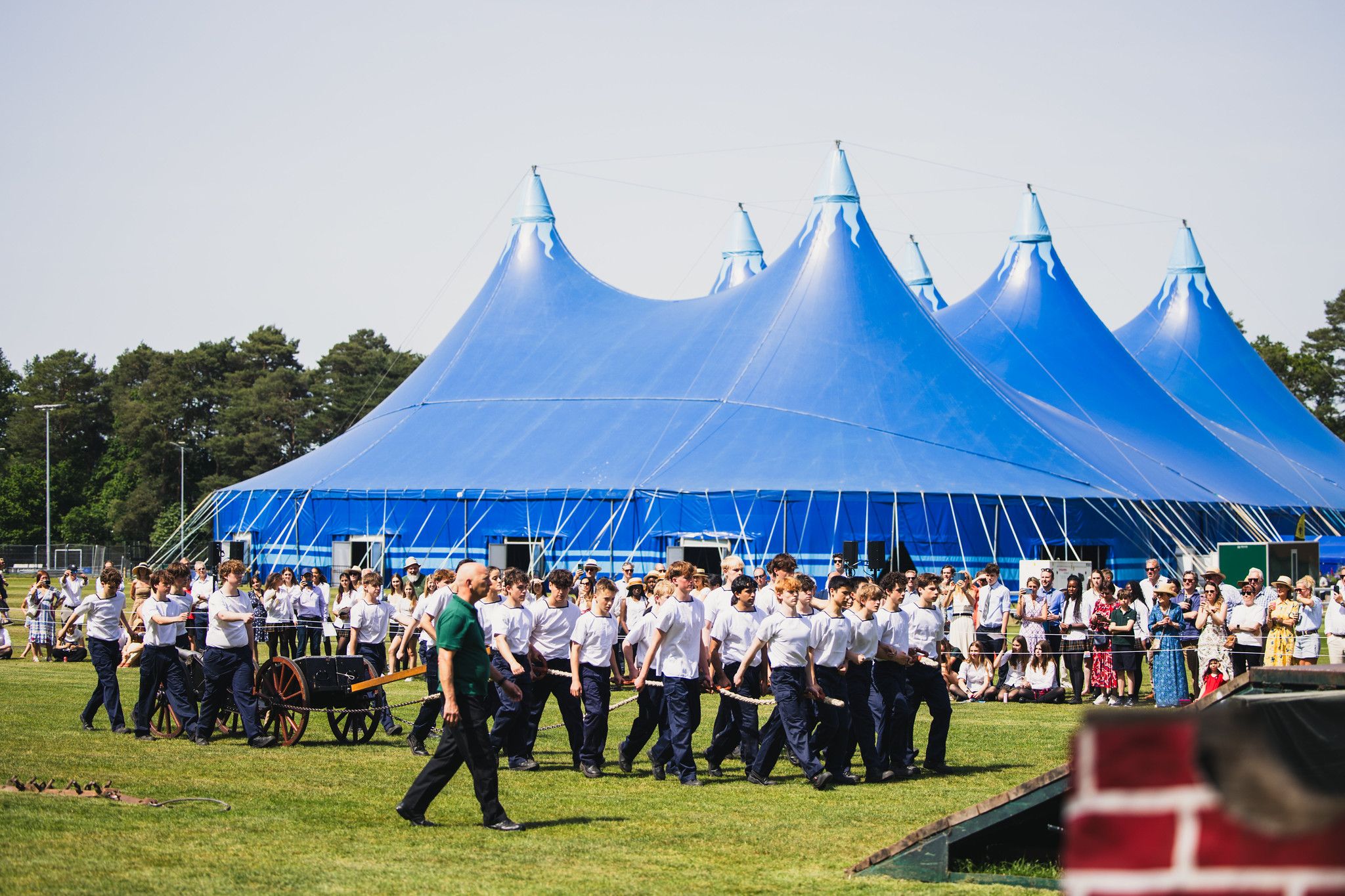
There are also opportunities to represent Wellington in some of CCF’s most distinctive team challenges. The Royal Marines section competes in the Pringle Trophy against other schools, while Field Gun provides an intense test of teamwork, communication and coordination, with every member of the team having a role to play.
For many pupils, the compulsory Fourth Form year is only the beginning.
Those choosing to continue into the Fifth Form and beyond can pursue specialist pathways through the Royal Navy, Army, Royal Marines and Royal Air Force sections, with the programme developing into more advanced activities including patrolling, shooting and flying. During their most recent session, for example, members of the Royal Marines section took to the College pool to learn about river crossings.
As they progress through the College, cadets take greater responsibility for supporting and instructing younger pupils. Having initially been presented with challenges themselves, they eventually have the opportunity to help others overcome them, an important progression in their CCF journey.
CCF does not seek to recreate what happens in a classroom. That is precisely its value.
It gives pupils a different environment in which to discover what they are capable of: to plan before acting, communicate under pressure, take responsibility for others, respond constructively to failure and recognise strengths in themselves and their peers that may not always be visible elsewhere.
In doing so, they develop the confidence not simply to understand and respond to the world around them, but to act in it.

Prev article
Next article