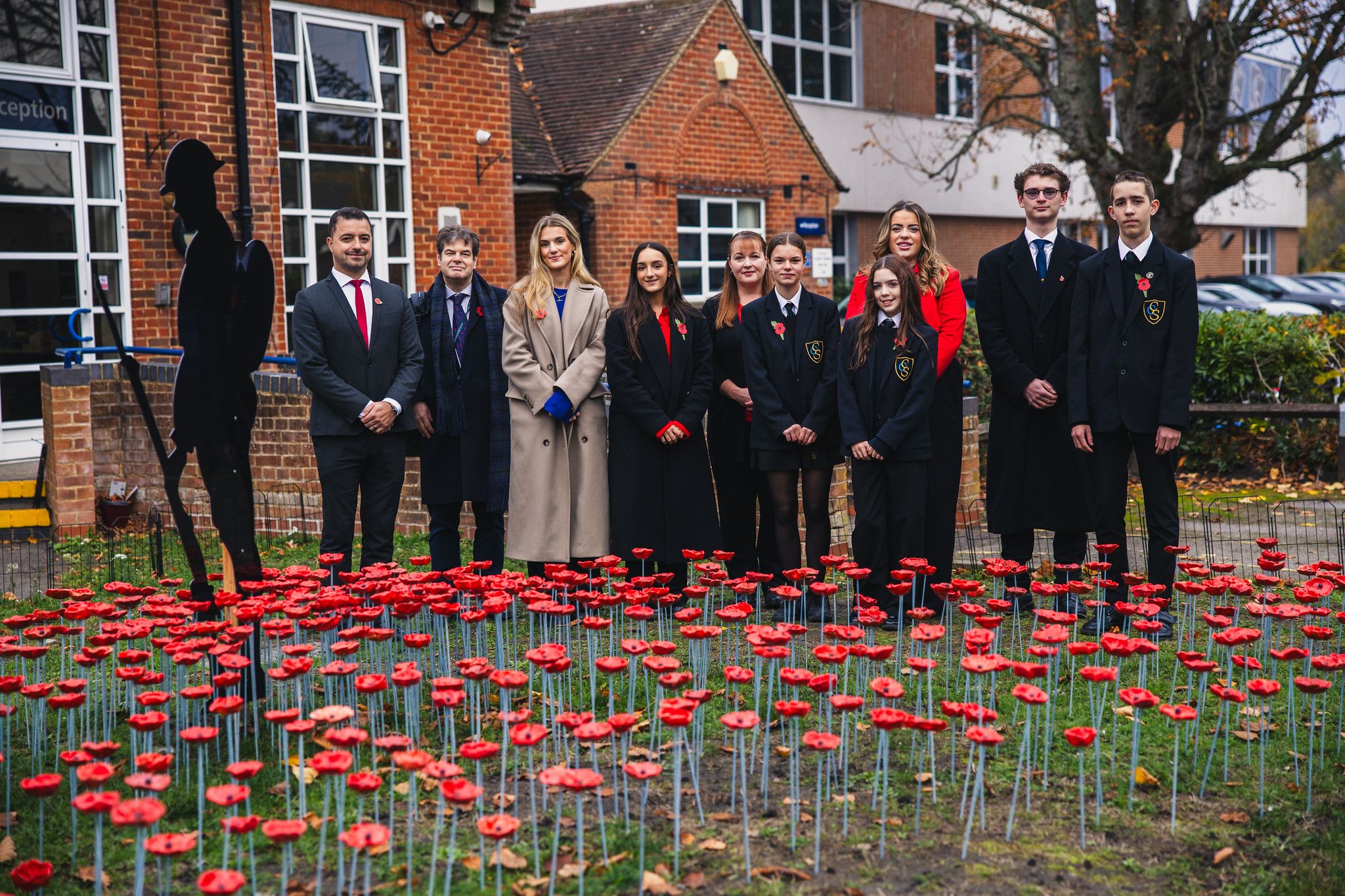
Wellington College Arts Fund Supports Ceramic Poppy Remembrance Installation at Cove School, Farnborough
Find out more

12 November 2026

News
What does it take to build lasting peace? And whose voices are missing when decisions about conflict and reconciliation are made?
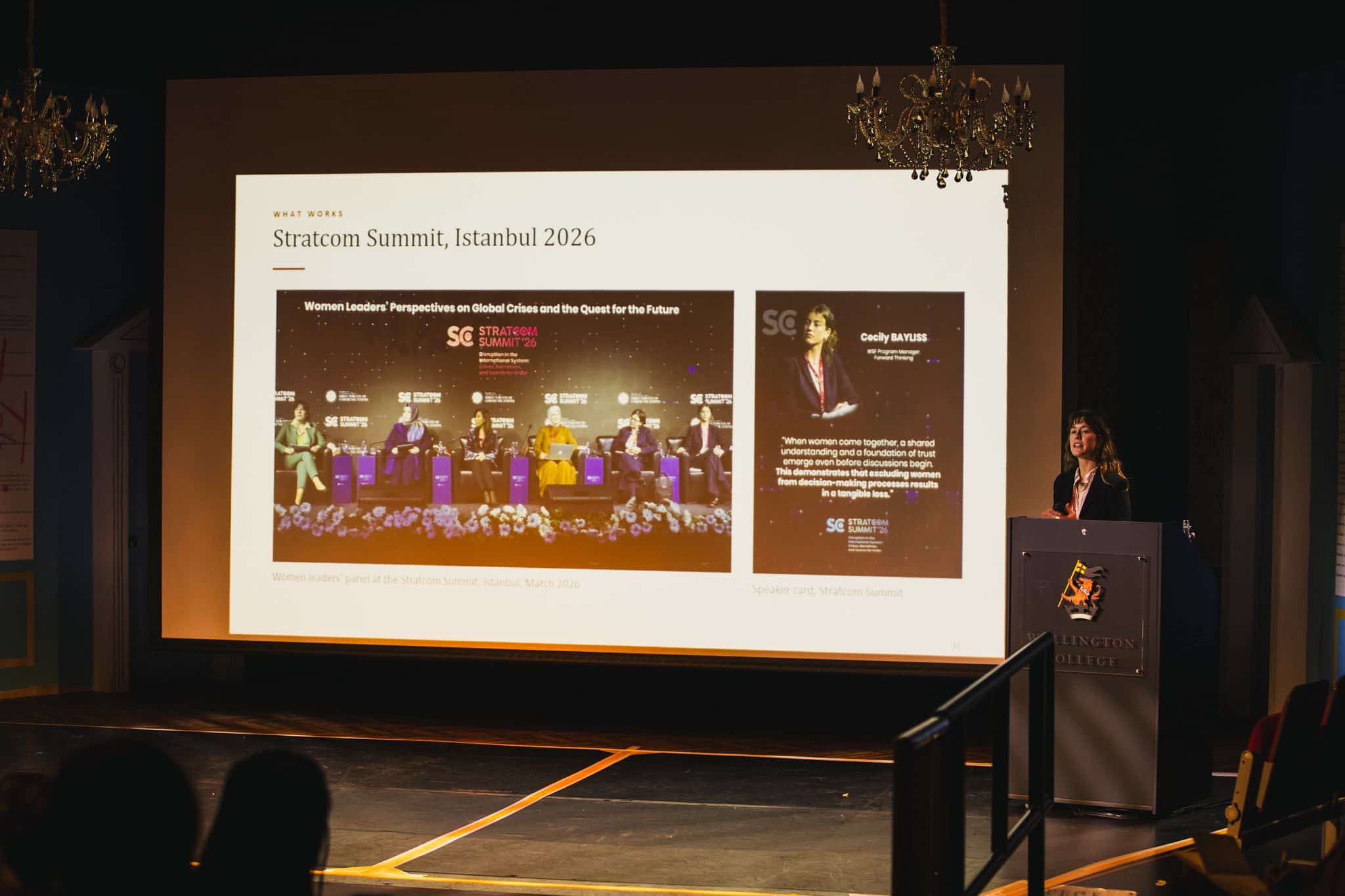
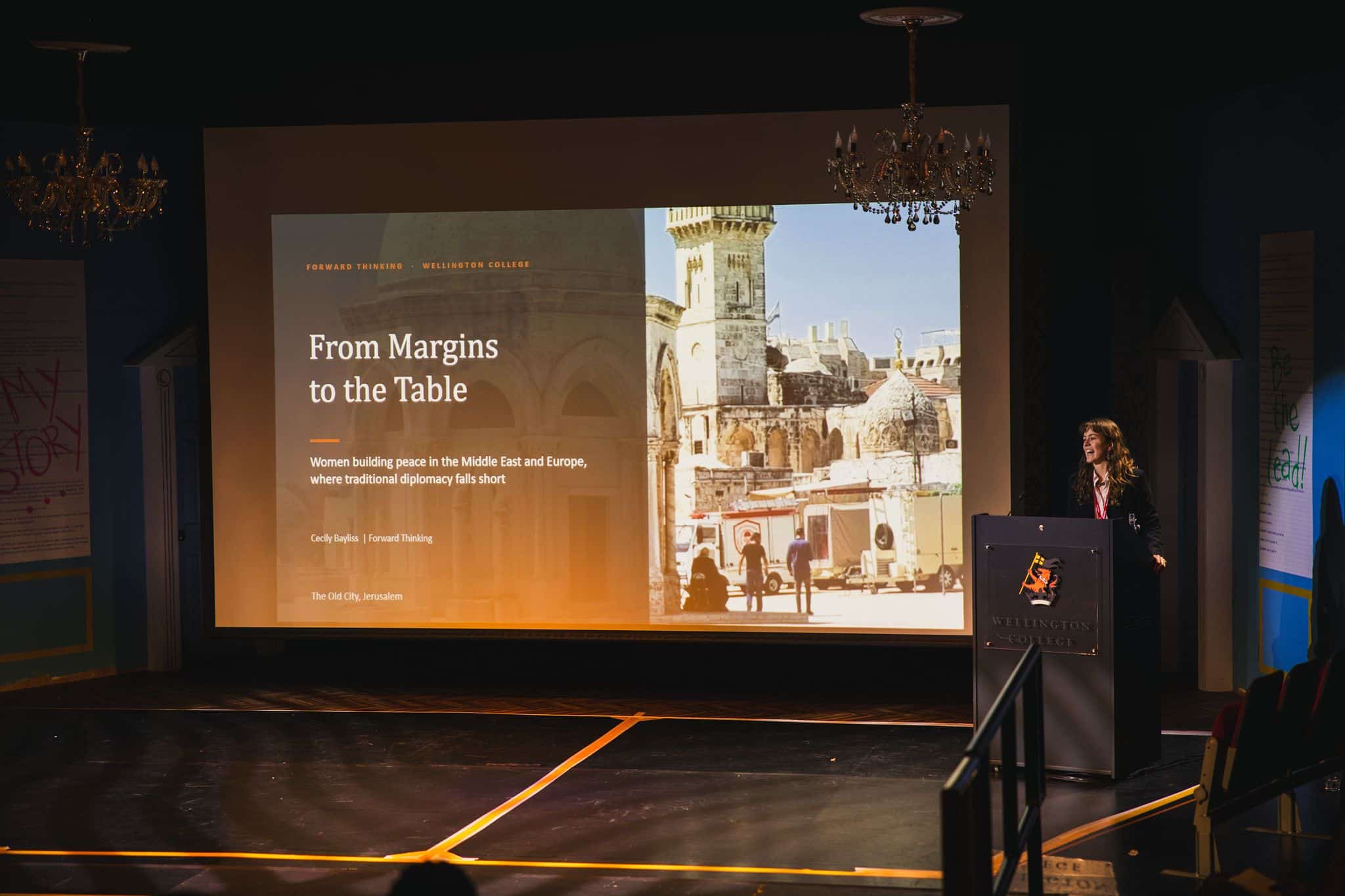
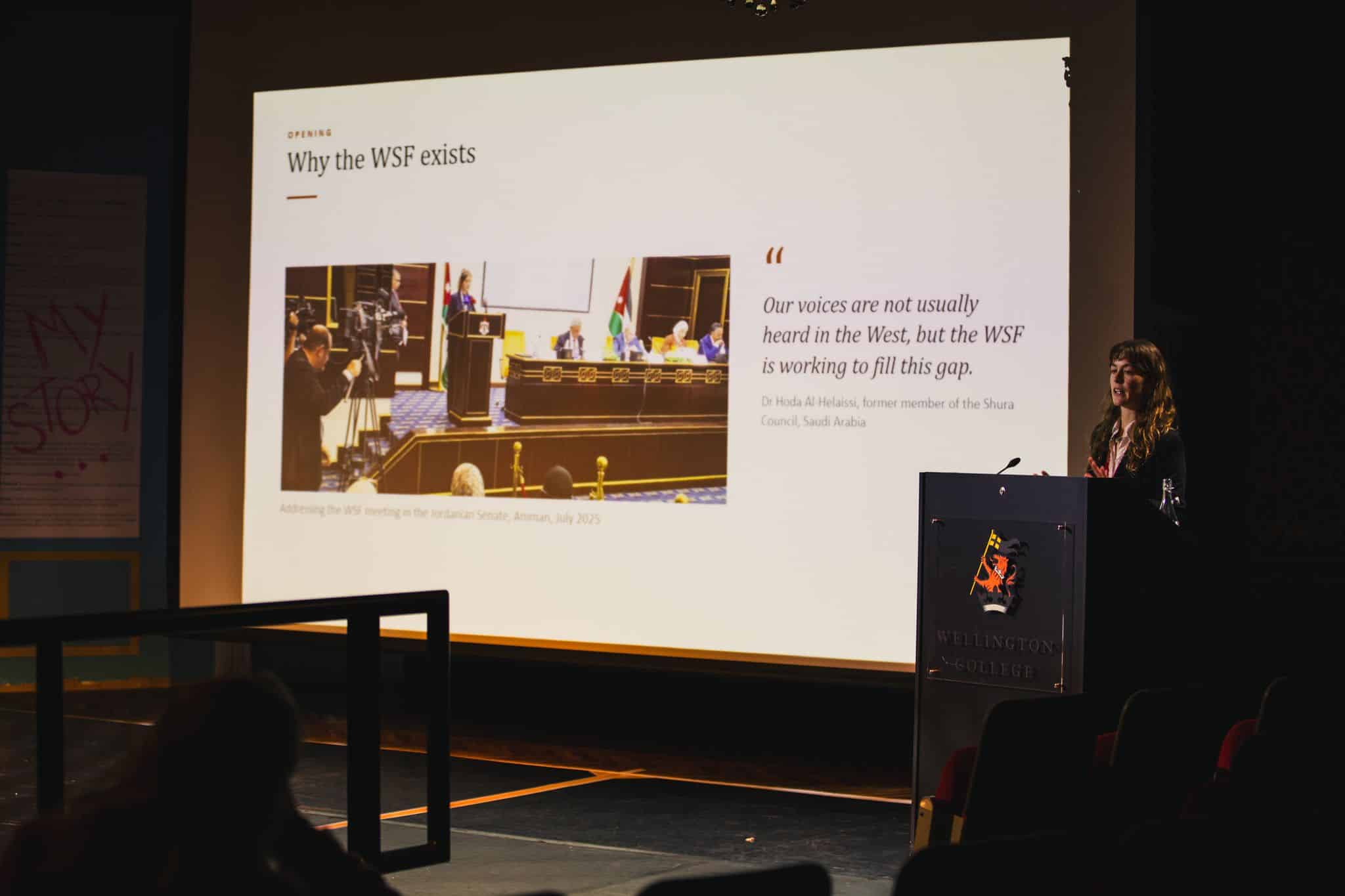
These were the powerful questions at the heart of this week’s Fireside Talk, as Wellington College welcomed Cecily Bayliss, founder of Women for a Sustainable Future (WSF), for a thought-provoking exploration of women’s leadership, international diplomacy and the transformative power of dialogue.
Cecily began with a striking paradox: although women are instrumental in building peace, they remain overwhelmingly excluded from formal negotiations. In 2024, nine out of ten peace processes had no women negotiators at all. Yet, as Cecily emphasised, women should not simply be viewed as victims of conflict but as agents of change. Drawing on compelling examples from Liberia and Rwanda, Cecily demonstrated how women have transformed societies despite being excluded from traditional positions of power. In Liberia, Leymah Gbowee mobilised Christian and Muslim women to demand an end to civil war, while in Rwanda, women played a remarkable role in rebuilding communities and securing legal reforms following the genocide. Both stories challenged conventional assumptions about leadership and highlighted the extraordinary influence of those whose voices are too often overlooked.
At the heart of Cecily’s work is a belief that lasting change begins with dialogue, particularly between those who disagree. Established in 2023, Women for a Sustainable Future now connects more than 100 women parliamentarians, ministers, diplomats and civil society leaders across the Middle East, North Africa and Europe. By creating opportunities for genuine conversation, the network brings together individuals from countries divided by deep political tensions, building relationships that formal diplomacy alone often struggles to achieve.
Cecily described how some of the most meaningful breakthroughs emerge not around negotiating tables, but through informal conversations and shared meals. Her approach, which she calls “hand, heart and mind”, begins with working together on shared challenges, develops through trust and human connection, and ultimately creates the possibility of understanding and changing perspectives. It was a powerful reminder that dialogue is not about avoiding disagreement, but learning how to navigate it constructively.
For Wellington pupils, the talk offered a compelling challenge to think beyond familiar narratives, approach different perspectives with intellectual curiosity and humility, and recognise their own capacity to make a difference. Genuine leadership, Cecily suggested, is not simply about securing influence for ourselves, but about recognising whose perspectives are absent and creating space for them to be heard.
Cecily concluded with three messages for pupils: seek out people whose experiences differ from your own, build relationships before you need them, and consider who is missing when important decisions are made as she urged our pupils to: “Work together, and work through your divides, especially with people who disagree with you.”
An inspiring reminder that understanding begins with listening, and that meaningful change is made possible not by eliminating our differences, but by finding the courage and curiosity to engage with them.

Prev article
Next article