Find out more

27 October 2026

News
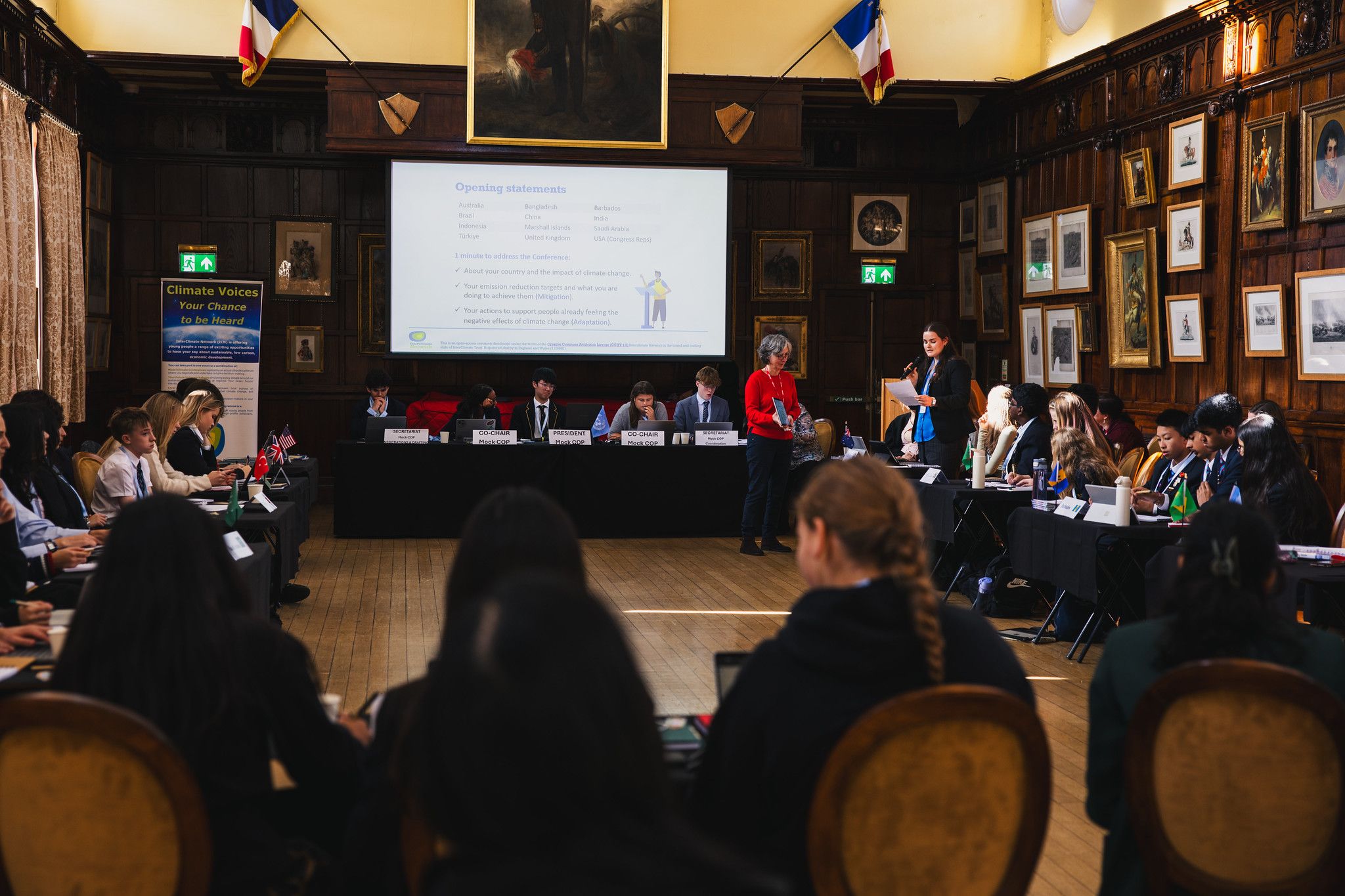
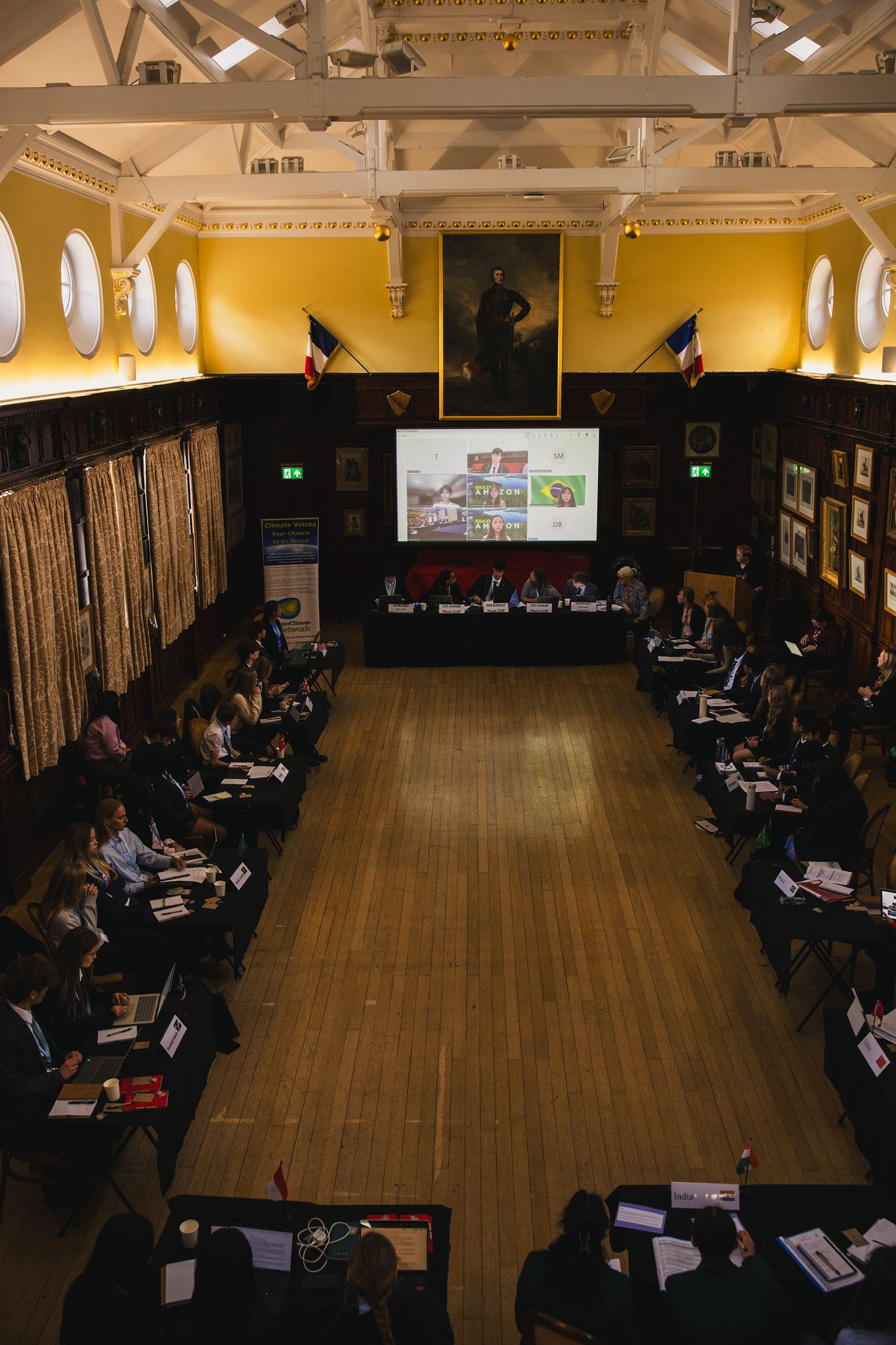
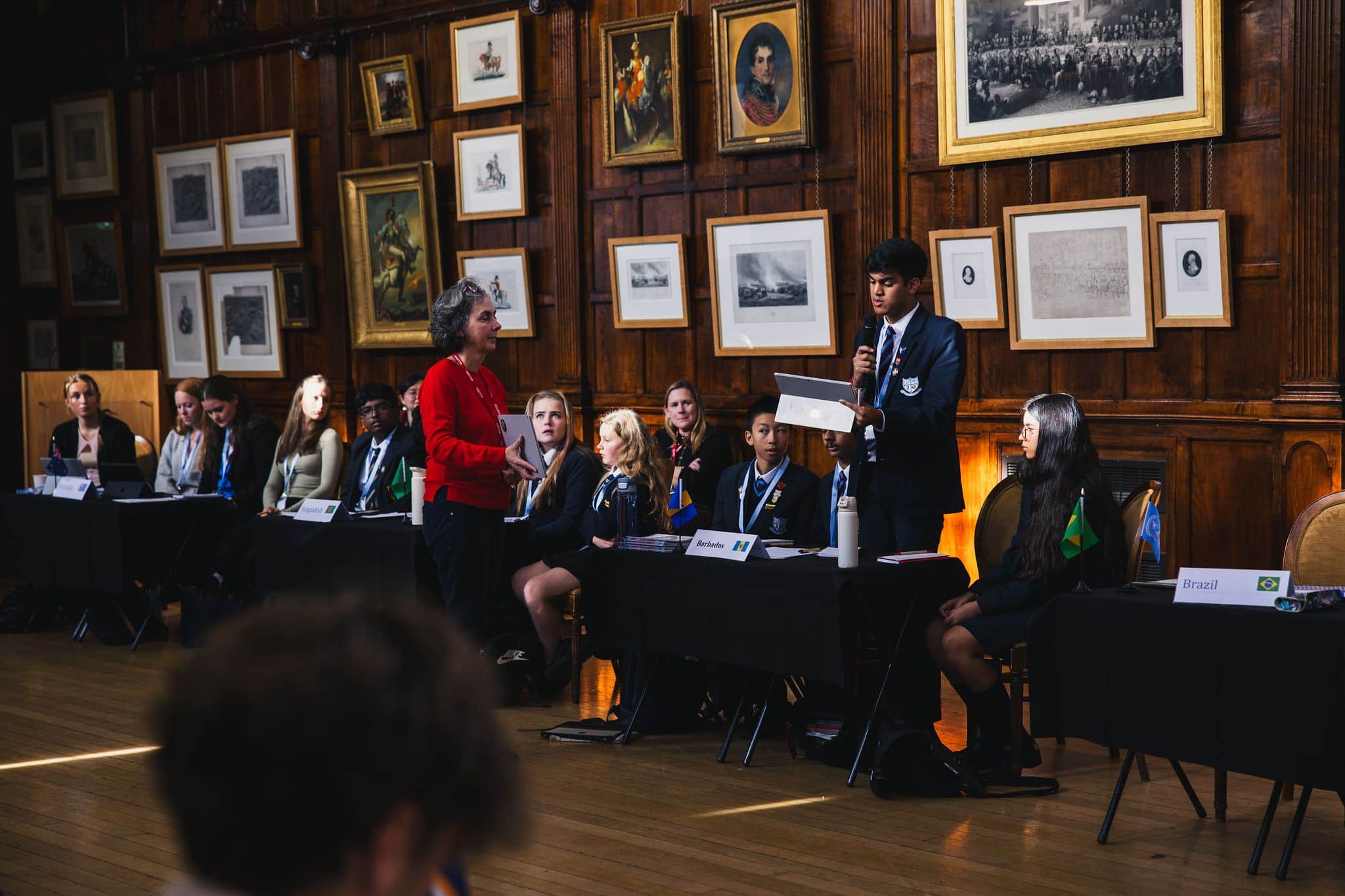
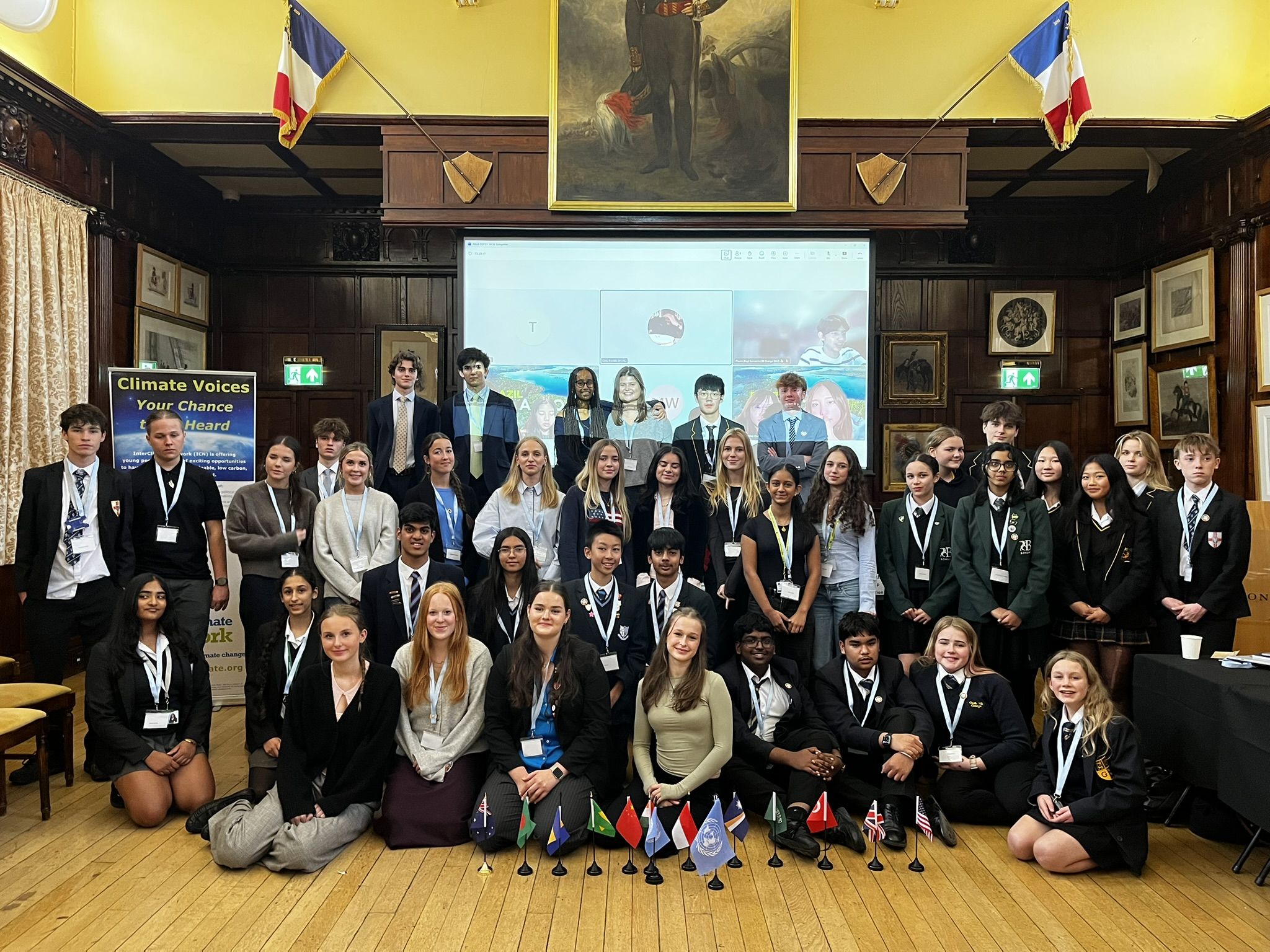
On Thursday 8 October, Wellington College hosted Mock COP31, bringing together students from nine schools to explore some of the world’s most pressing climate challenges through diplomacy, negotiation and international collaboration.
Organised in collaboration with the Politics Department, MUN Society, Sustainability and Climate Education, the Student Sustainability Committee and InterClimate Network, the event welcomed students from Bohunt School, Charters School, Garth Hill College, Hanworth Park, Holme Grange School, Queen Anne’s School and Reach Academy Feltham, alongside Wellington College students and delegates from Wellington College International Bangkok, who joined online.
The event provided an opportunity for young people to step into the roles of international climate negotiators, developing their understanding of global challenges while strengthening their leadership, communication and problem-solving skills.
Mock COP is a youth-led simulation of the United Nations Climate Change Conferences, giving students the opportunity to represent different countries, debate global challenges and negotiate solutions to the climate crisis.
Inspired by Model United Nations and international youth climate activism, Mock COP events have grown in prominence since 2020, when young people from more than 140 countries participated in a virtual conference following the postponement of COP26.
Wellington College has been actively involved in international climate discussions since COP25, with students engaging with policymakers, contributing youth perspectives and supporting the United Nations Framework Convention on Climate Change (UNFCCC) agenda for Action for Climate Empowerment.
Building on this experience, Wellington’s annual Mock COP brings international climate diplomacy into an educational setting, encouraging students to move beyond learning about global challenges and actively participate in discussions about their solutions.
This year’s negotiations focused on four key areas: cities, energy, forests and food, and oceans, with climate education and finance running throughout the discussions.
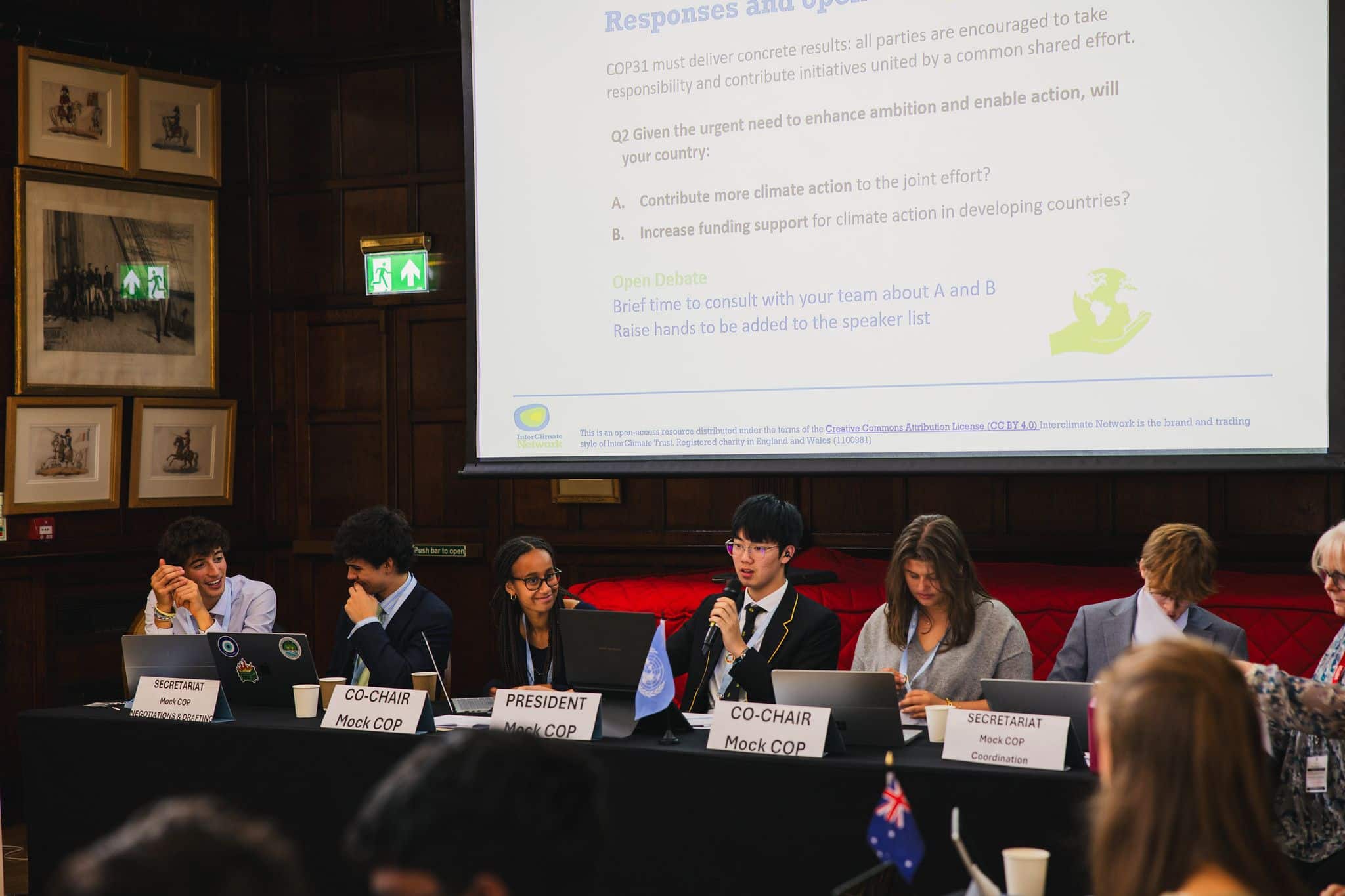
Representing different national perspectives, student delegates explored the complexities of international climate policy, balancing environmental priorities with economic development, national interests and global responsibilities.
Student leaders played a central role in guiding the negotiations, supporting delegates and encouraging constructive debate. The event also connected international climate discussions with practical action within schools, encouraging participants to consider how global commitments can translate into meaningful change in their own communities.
The participation of Wellington College International Bangkok, joining remotely, added an international dimension to the event and demonstrated the opportunities for collaboration across the Wellington Family of Schools.
The summit reflected Wellington College’s commitment to Education for Human Flourishing and intergenerational equity, empowering students to consider the long-term consequences of decisions made today and the responsibility shared by current generations to protect the wellbeing of those who follow.
Ana Romero, Head of Sustainability and Global Climate Education Advisor, commented:
“This year’s Mock COP demonstrated the power of placing students at the heart of climate education. Our student leaders took responsibility for guiding negotiations, while delegates explored different national perspectives and worked towards shared solutions. Their ideas will help shape the student declaration we take to COP31, connecting learning in school with participation in international climate discussions.”
Mock COP31 forms part of Wellington College Education’s ‘From MUN to COP’ programme, connecting student leadership, climate diplomacy and action.
Students from Wellington College and Wellington College International Bangkok are preparing to attend COP31 in Antalya, Türkiye, this November, taking their experiences of climate negotiation from the classroom to the international stage.
The discussions and proposals developed during Mock COP31 will inform a student-led climate declaration, which the delegation aims to share with partners and decision-makers at the conference.
This work also builds on Wellington College Education’s contribution to the UNFCCC’s Action for Climate Empowerment agenda, championing climate education and meaningful youth participation in international discussions.
Through initiatives such as Mock COP31, Wellington College continues to demonstrate how education can extend beyond the classroom, giving young people the knowledge, confidence and opportunity to engage with global challenges and contribute to a more sustainable future.

Prev article
Next article