


Find out more

01 March 2023

News
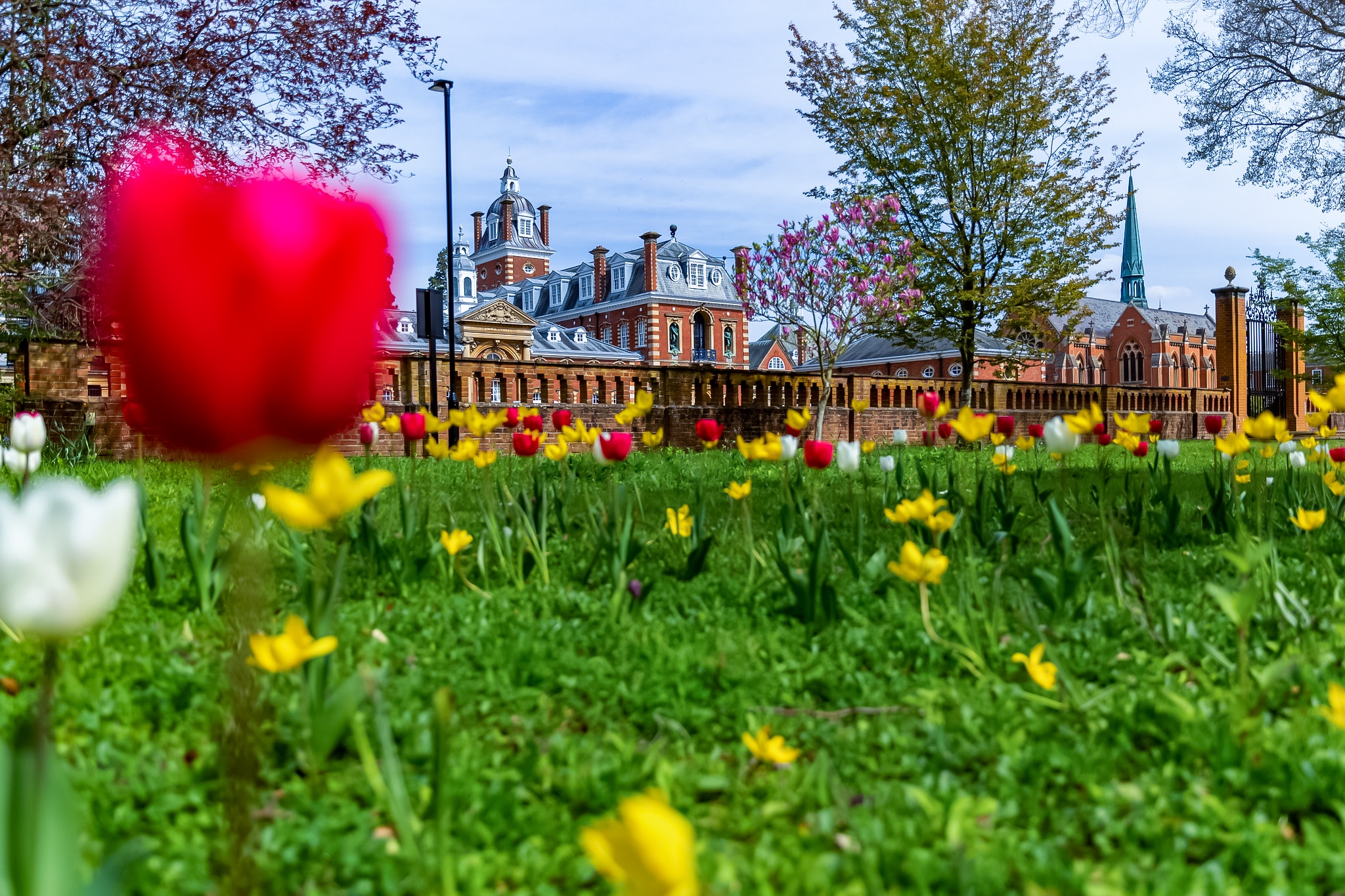
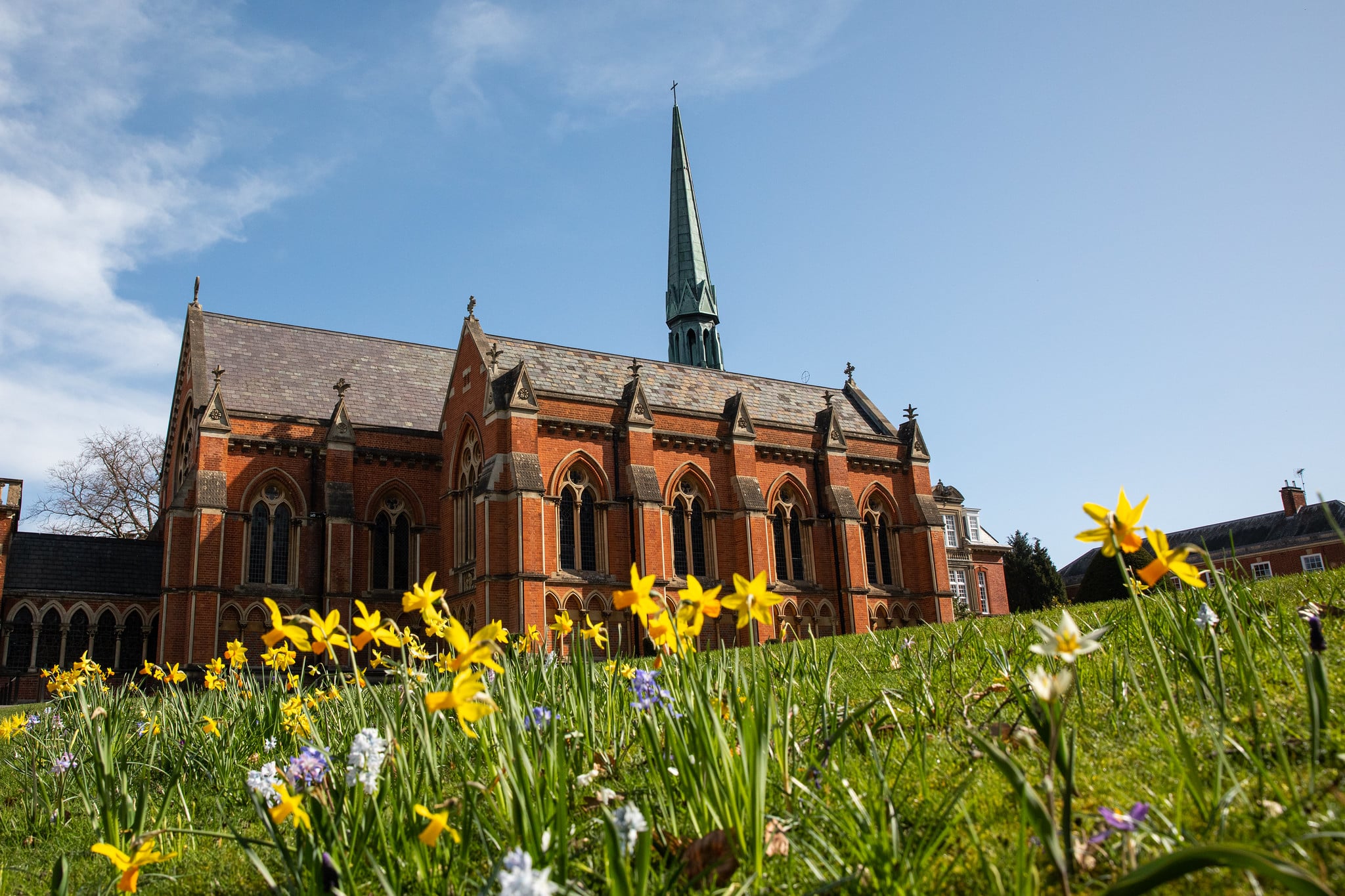
March and April are exciting months for wildlife here at Wellington, as the arrival of spring brings with it a flurry of activity and new life around the grounds. From bird migration to wildflower blooms, there is plenty to observe and appreciate in the landscape during these months.
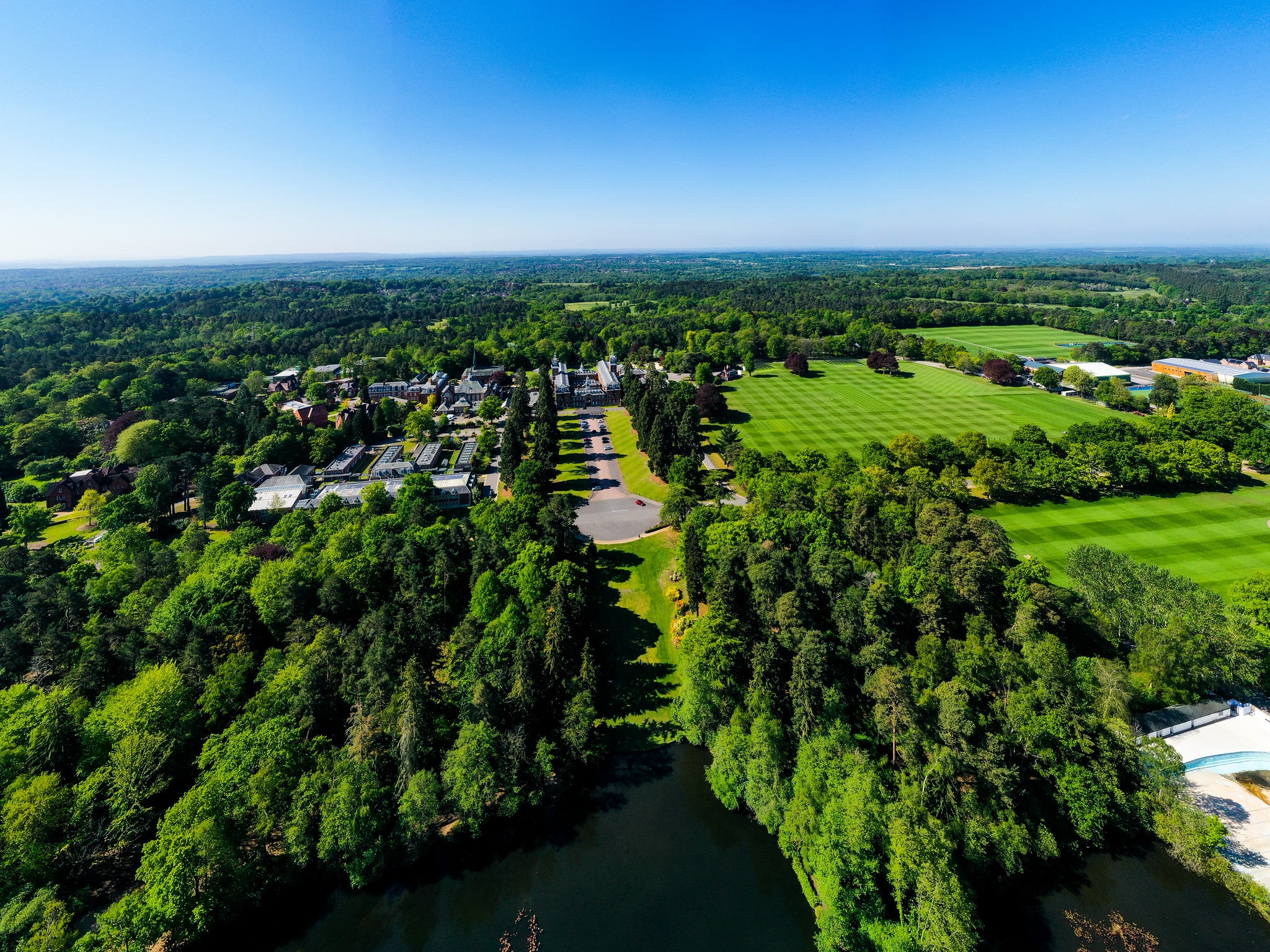
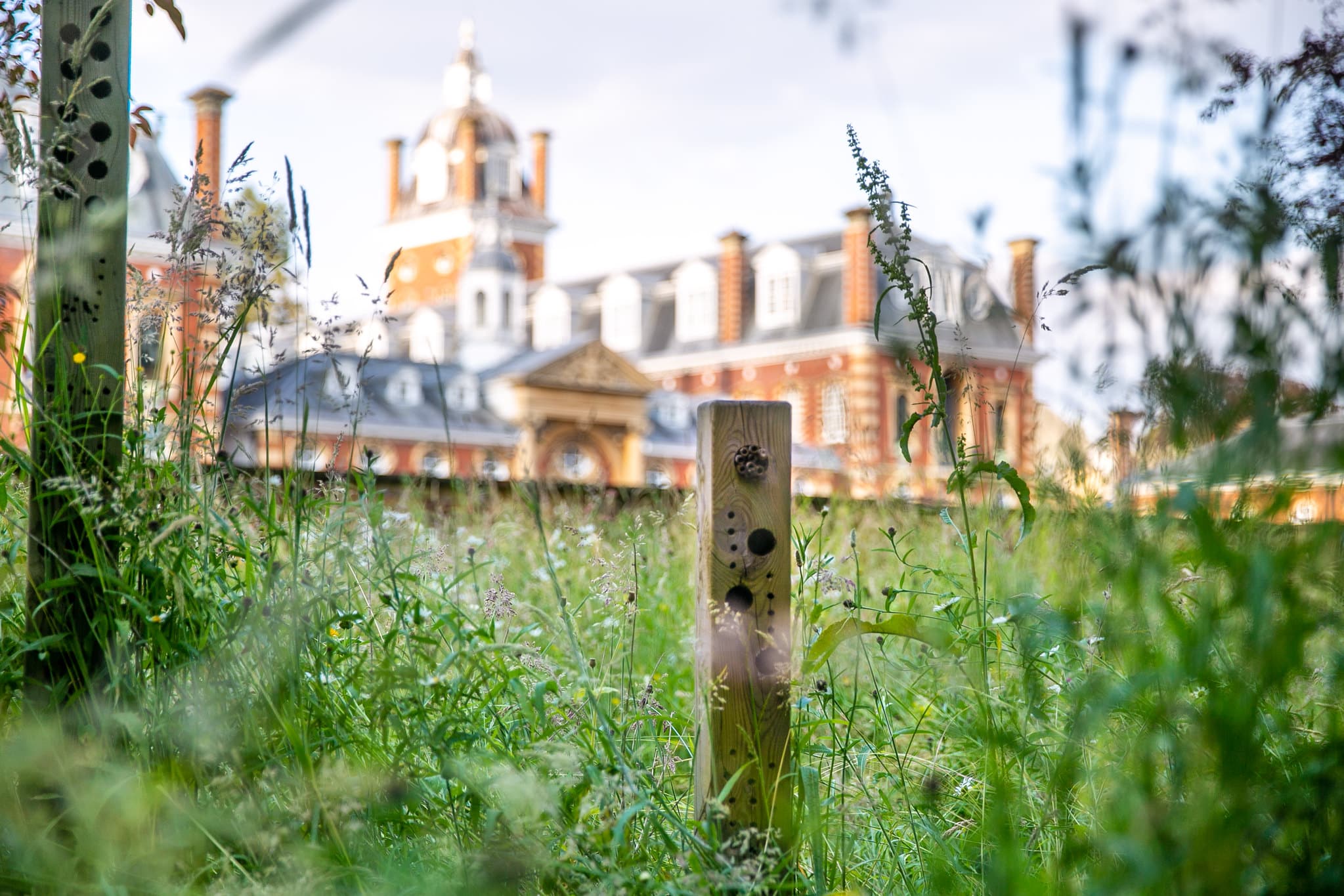
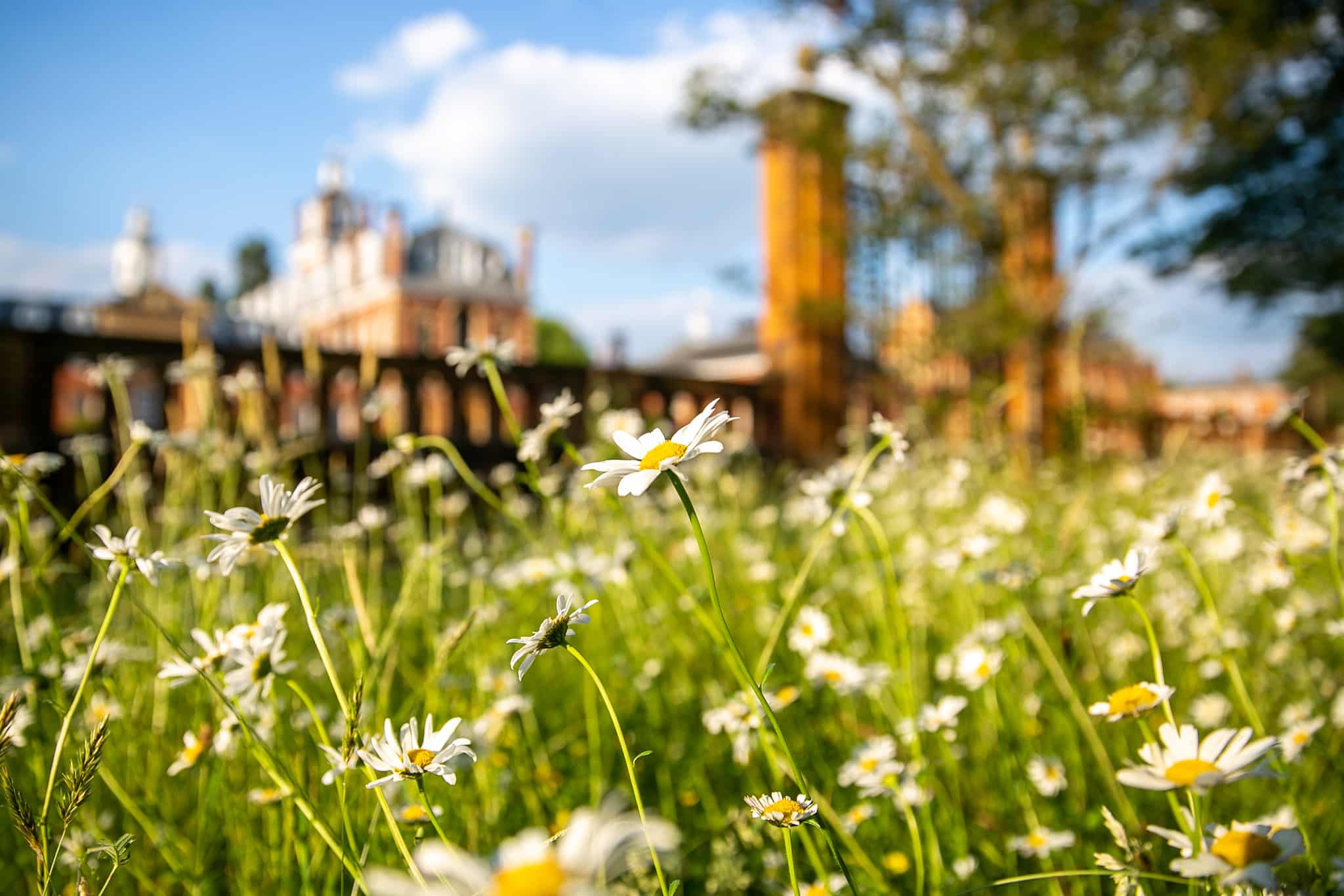
Wellington College is immensely blessed with four hundred acres of fantastically varied habitats: parkland, formal gardens, rewilded meadows of wildflowers and grasses, mixed woodland, ponds, lakes, heathland and bog. While we have immaculate lawns, pitches and golf greens, we also have the benefit of sufficient space to leave other areas less intensively managed and more as nature intended, which is essential for biodiversity. The Gardens team leave piles of dead logs in the woodlands, plant wildflower areas and leave some areas of grassland to grow naturally. They manage the grasslands in different ways, with different cutting and leaving times, which develops greater diversity of habitats.
The Wellington College estate continues beyond the ‘perimeter’ fence up to the edge of Little Sandhurst, and part of this unenclosed area is designated a ‘Site of Special Scientific Interest’ because it is an unusually diverse site comprising mixed woodland, heathland and bog. Lowland heathland and bog are priority habitats for the government’s Biodiversity Action Plan as, sadly, they have decreased respectively by 80% and 94% in the last two hundred years.
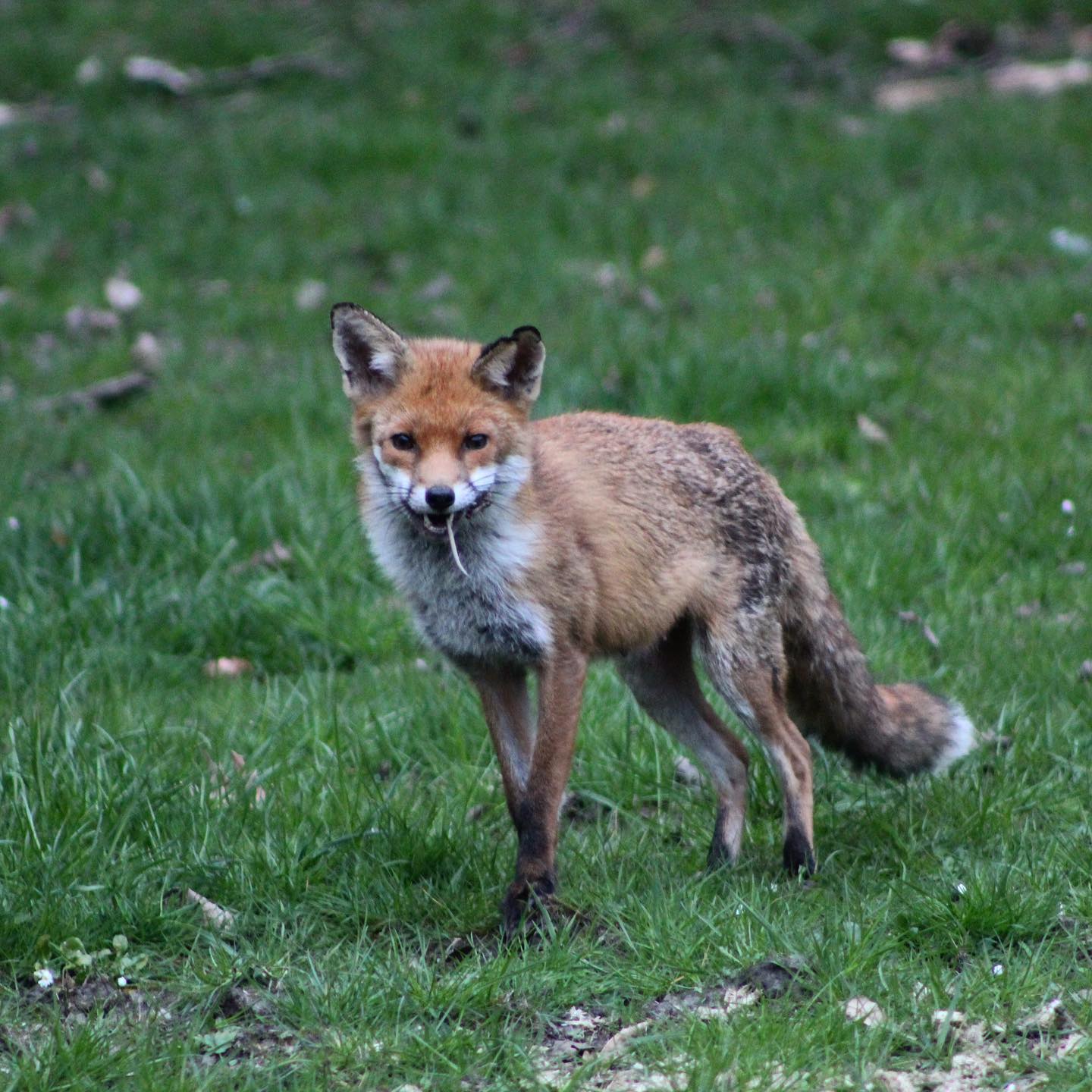
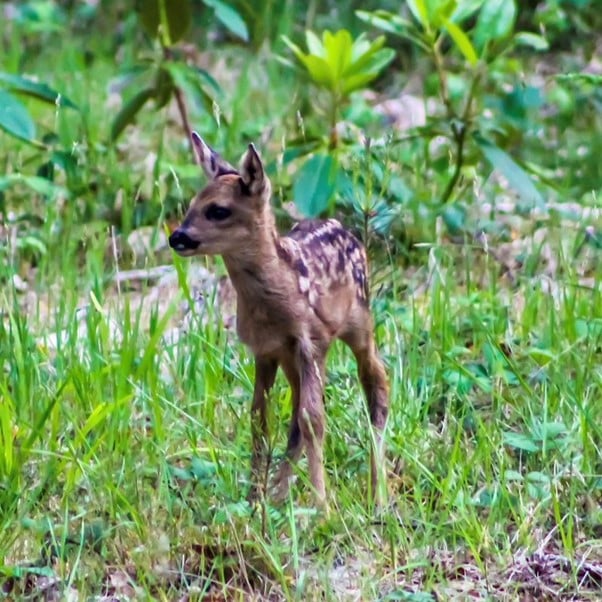
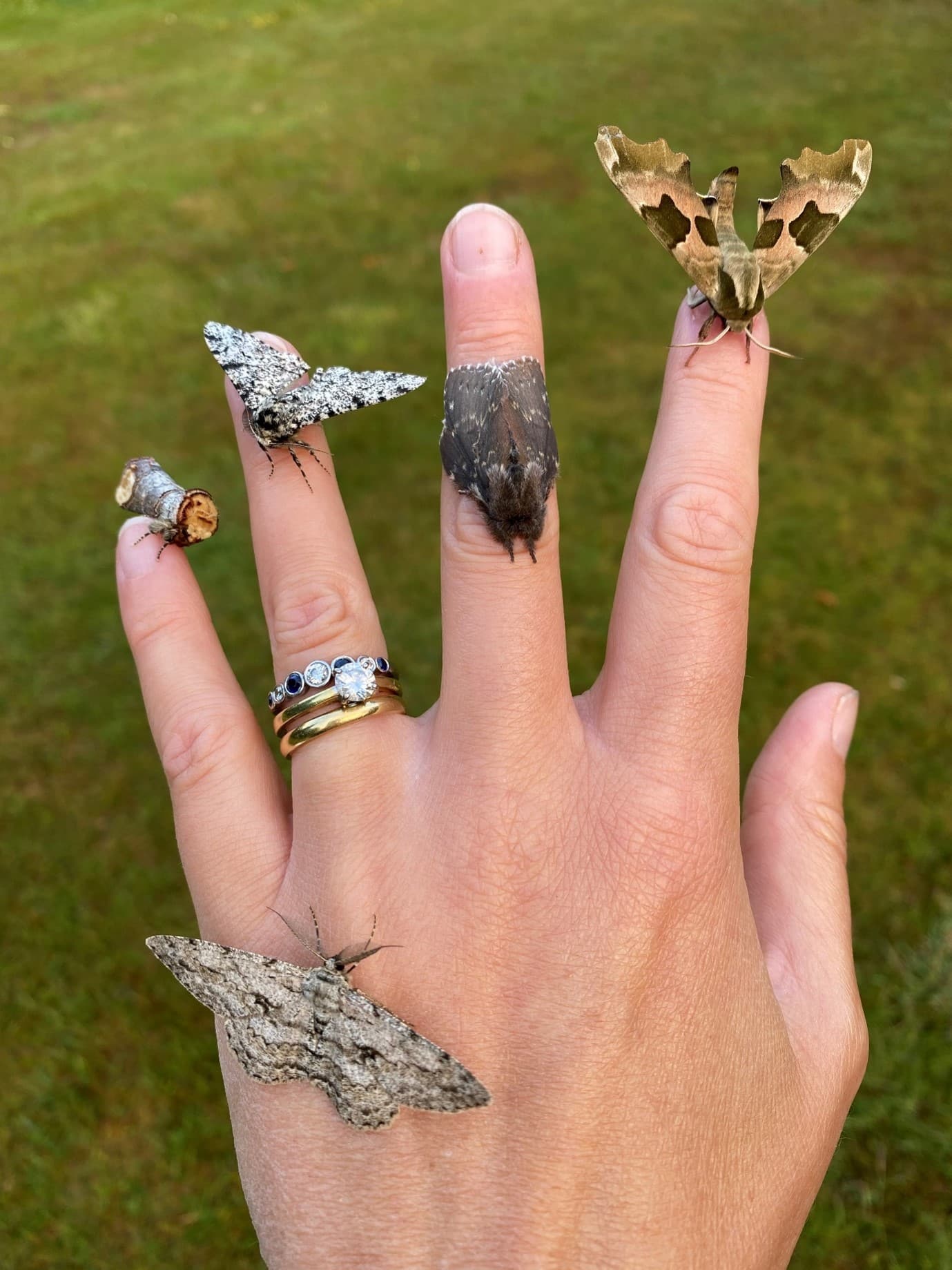
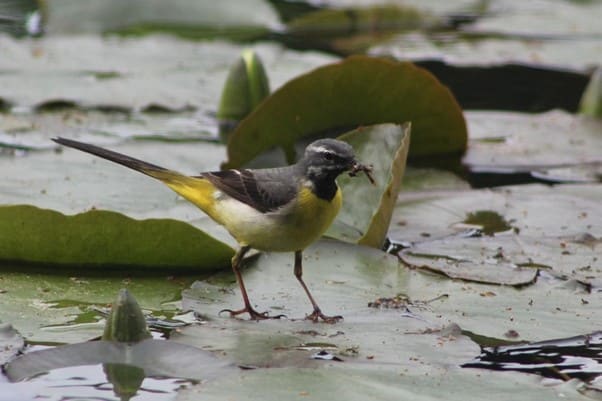
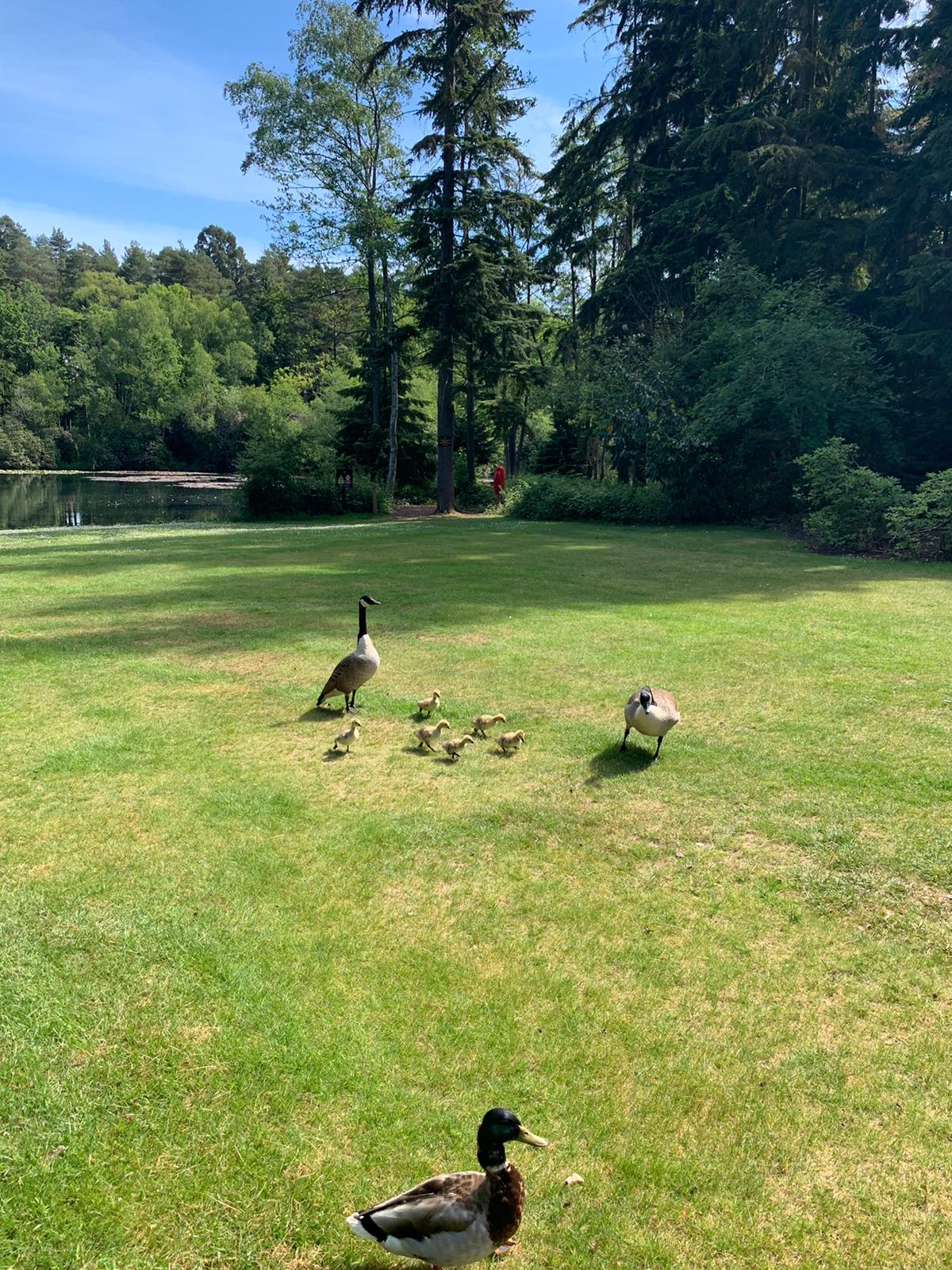
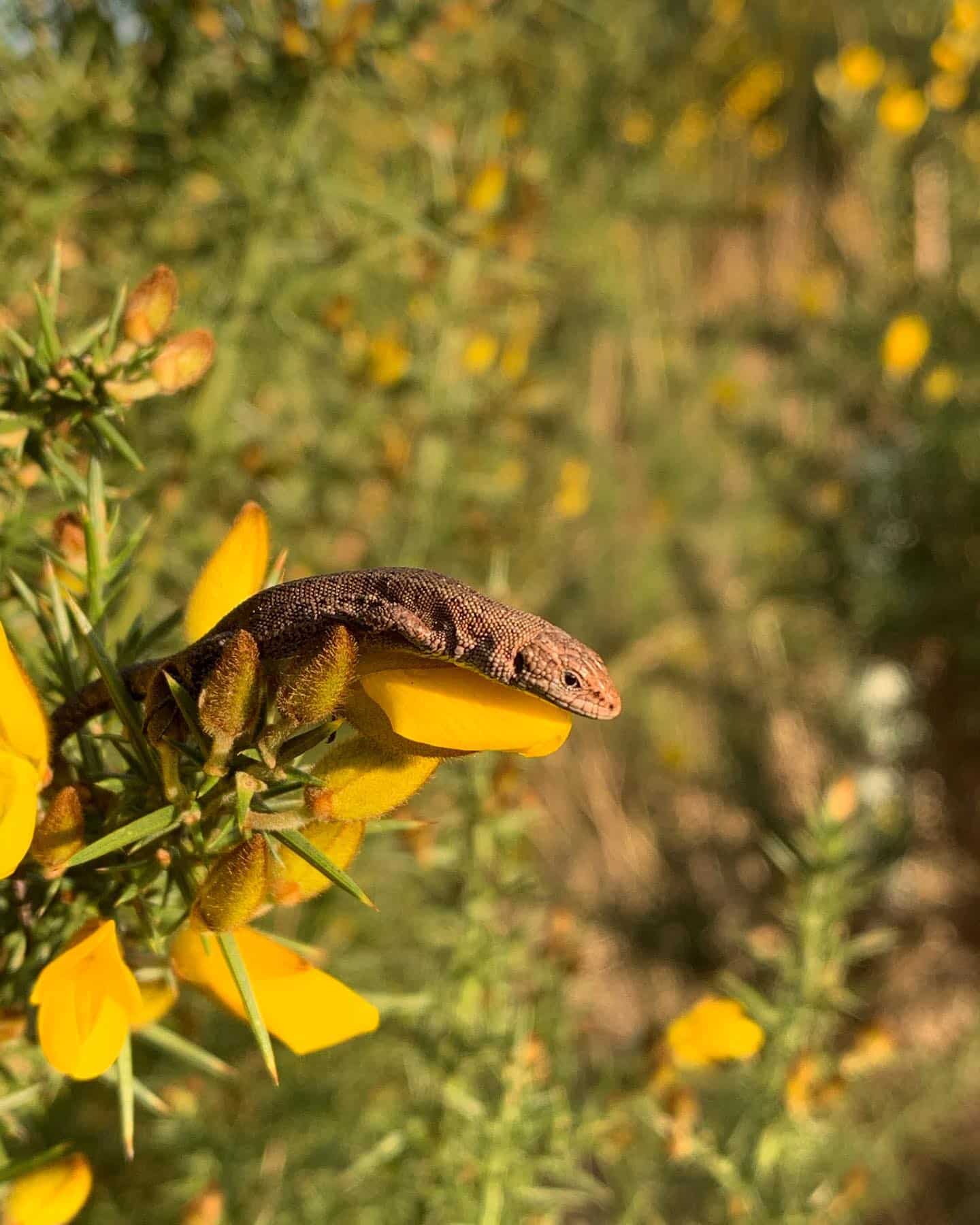
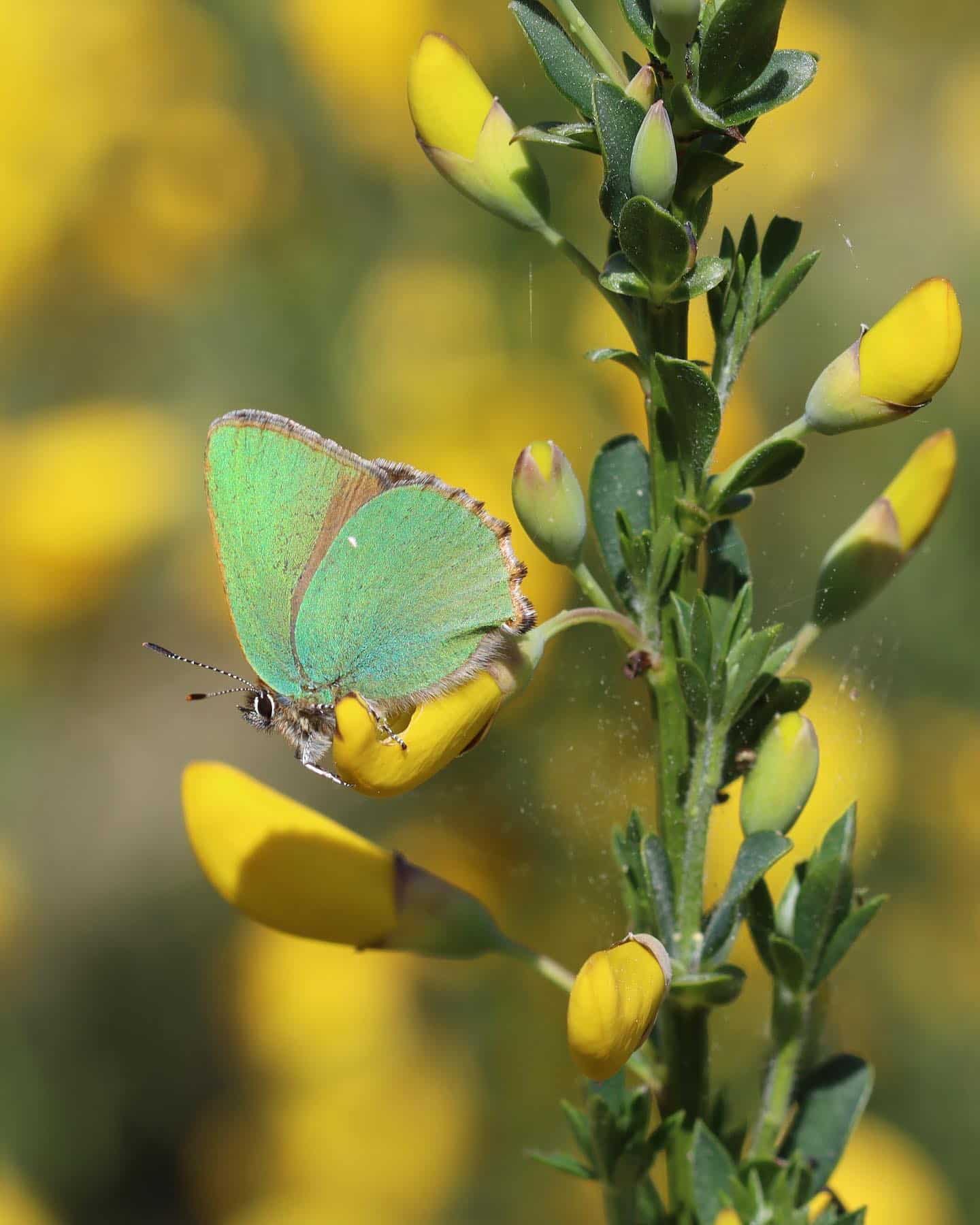
All this wonderful landscape with its mixture of different habitats supports a huge range of wildlife. You might have seen our deer and foxes, and sometimes local badgers hunt here. We also have a great variety of birdlife, from large birds of prey, such as the Red Kite, to Britain’s smallest bird, the Goldcrest. The nocturnal Nightjar and the rare Dartford Warbler breed on the SSSI. We have an abundance of amphibians breeding in our ponds, and most, if not possibly all, of the six British reptile species on the SSSI. We also have a tremendous array of invertebrates performing vital roles in all these habitats.
Some of the pupils help to manage the SSSI. They cut back trees that have seeded themselves in the heath, to prevent it from turning into woodland and prevent the leaves from adding nutrients to the soil. Heathland and bog soils are poor in nutrients and the plants that live there have adapted perfectly to this and would not be able to cope with a higher level of nutrients. In nature, the tree seedlings would be removed by wild grazing animals, such as deer and ponies. It is fantastic to see our pupils playing a key role in maintaining this significant environment.
If you would like to learn more please visit the Welly Wildlife website dedicated to the wonderful wildlife at Wellington College HERE.



Prev
Next

Prev article
Next article