


Find out more

19 February 2026

News
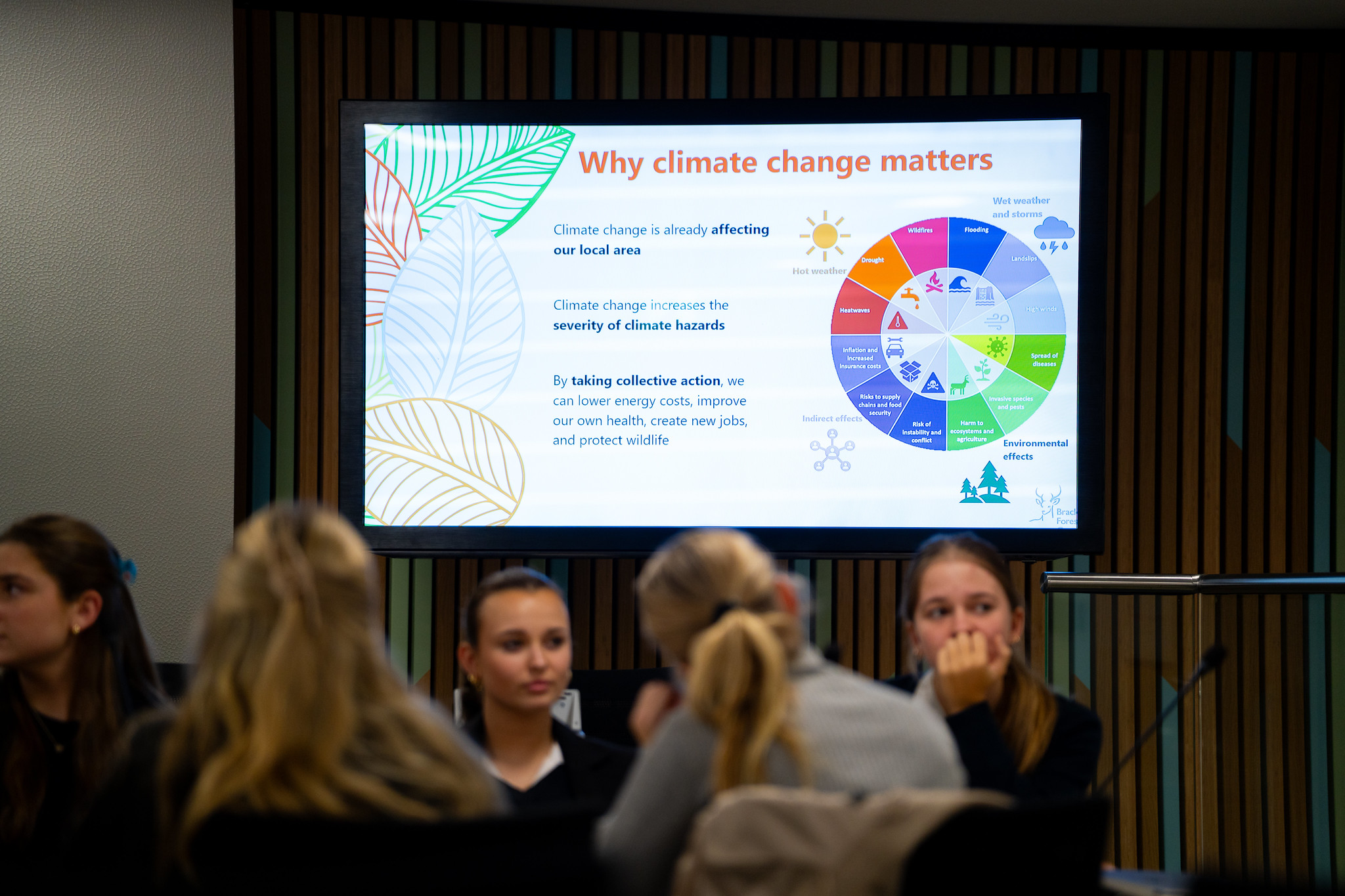
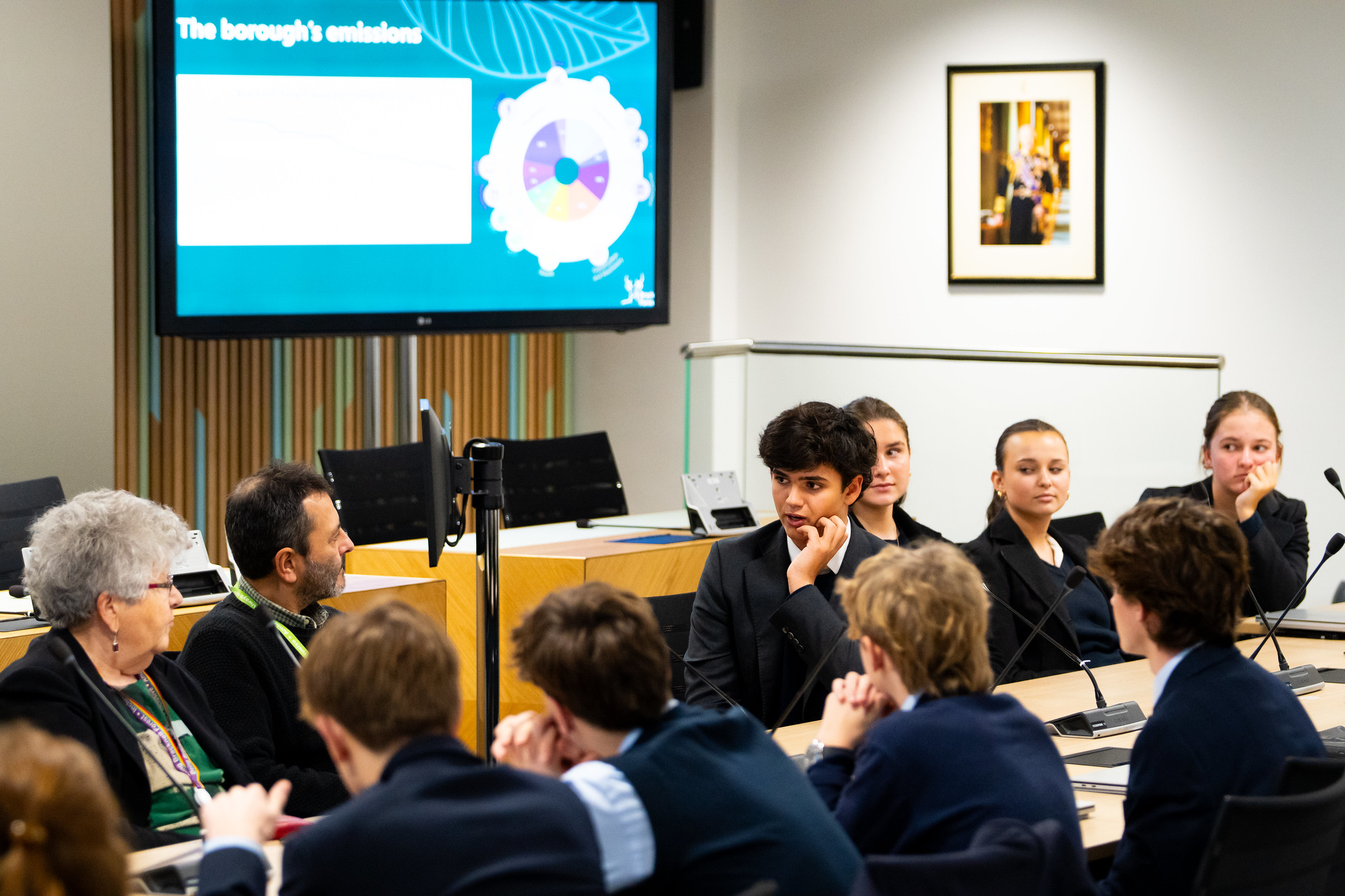
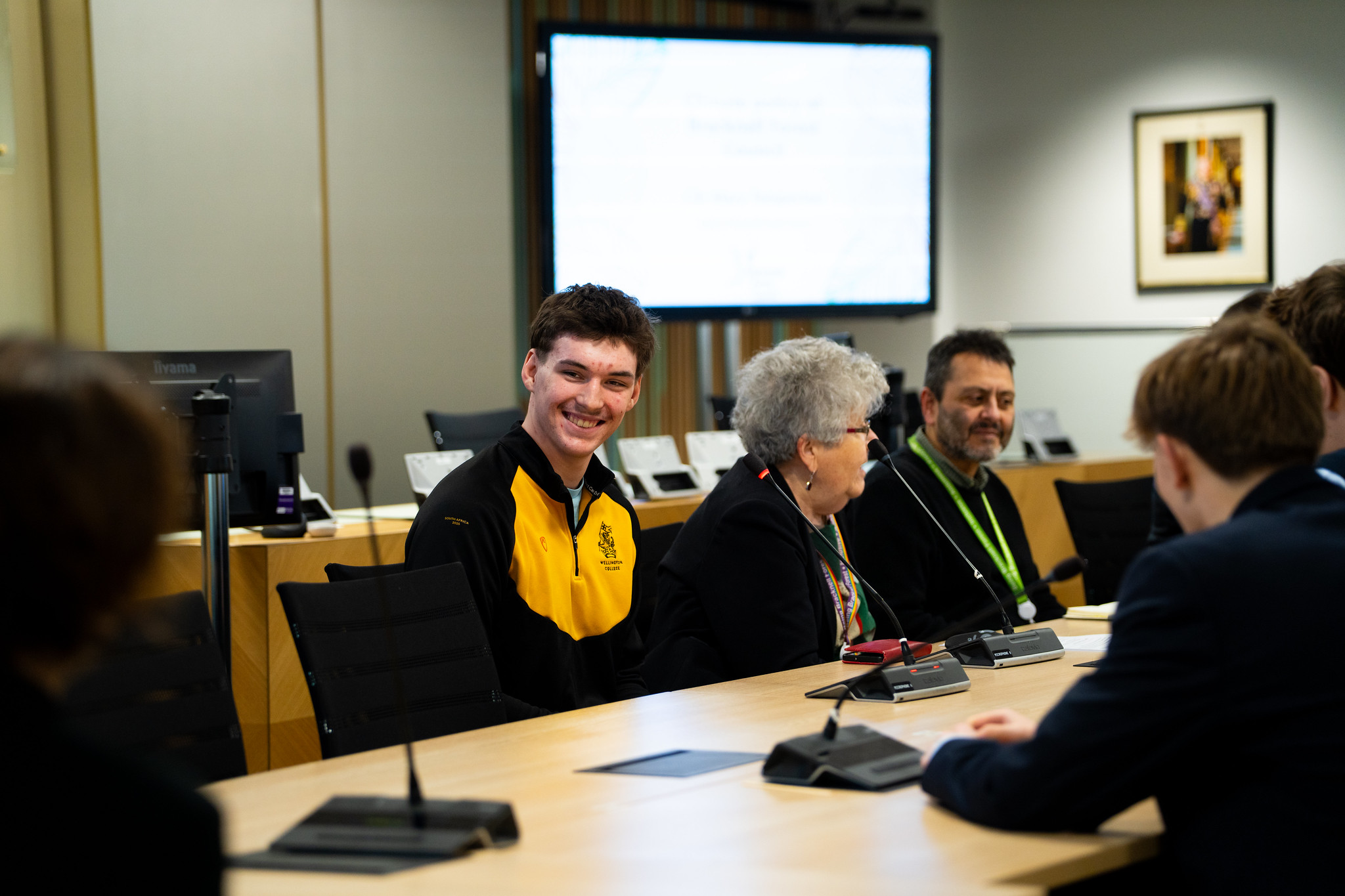
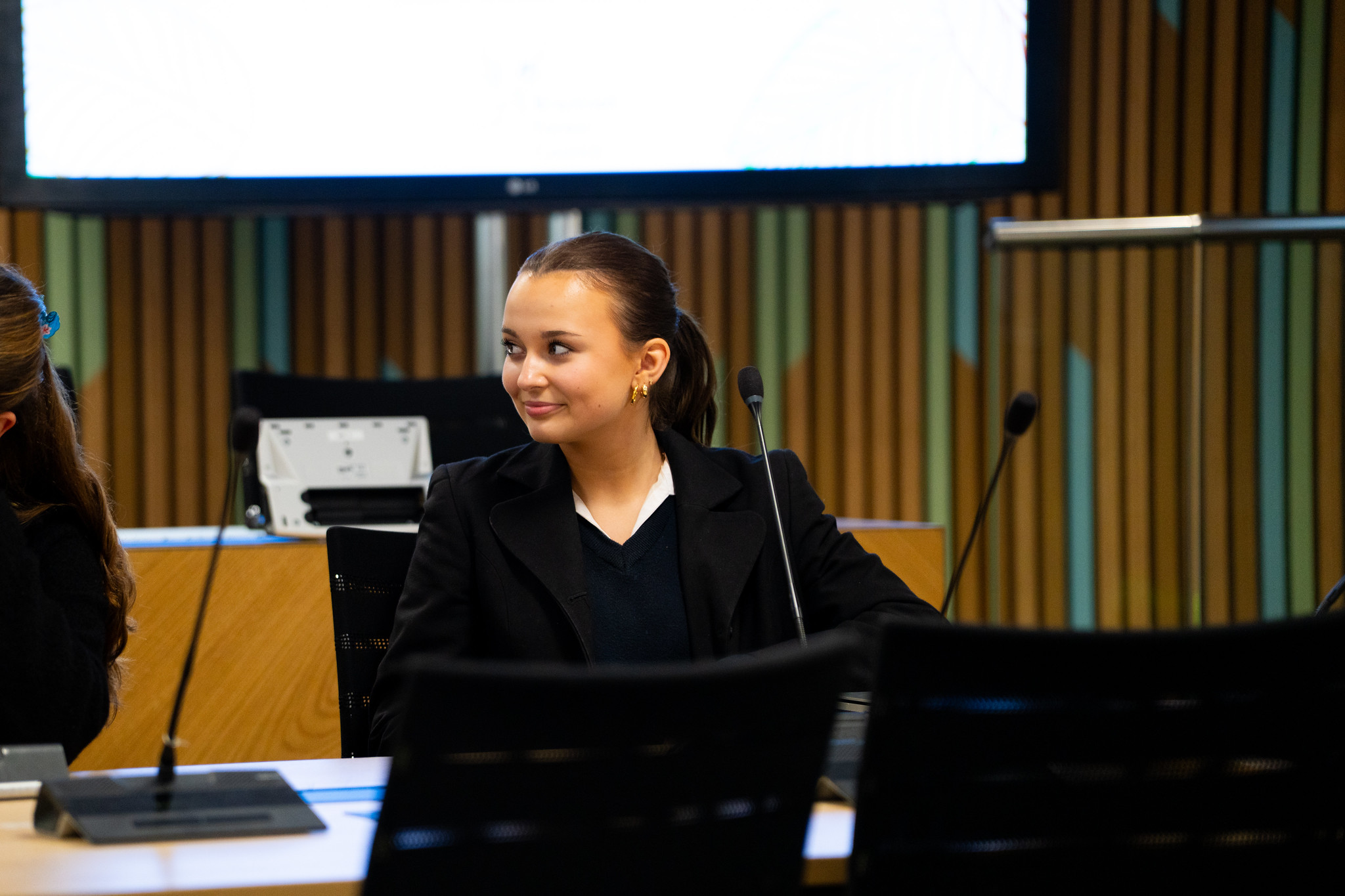
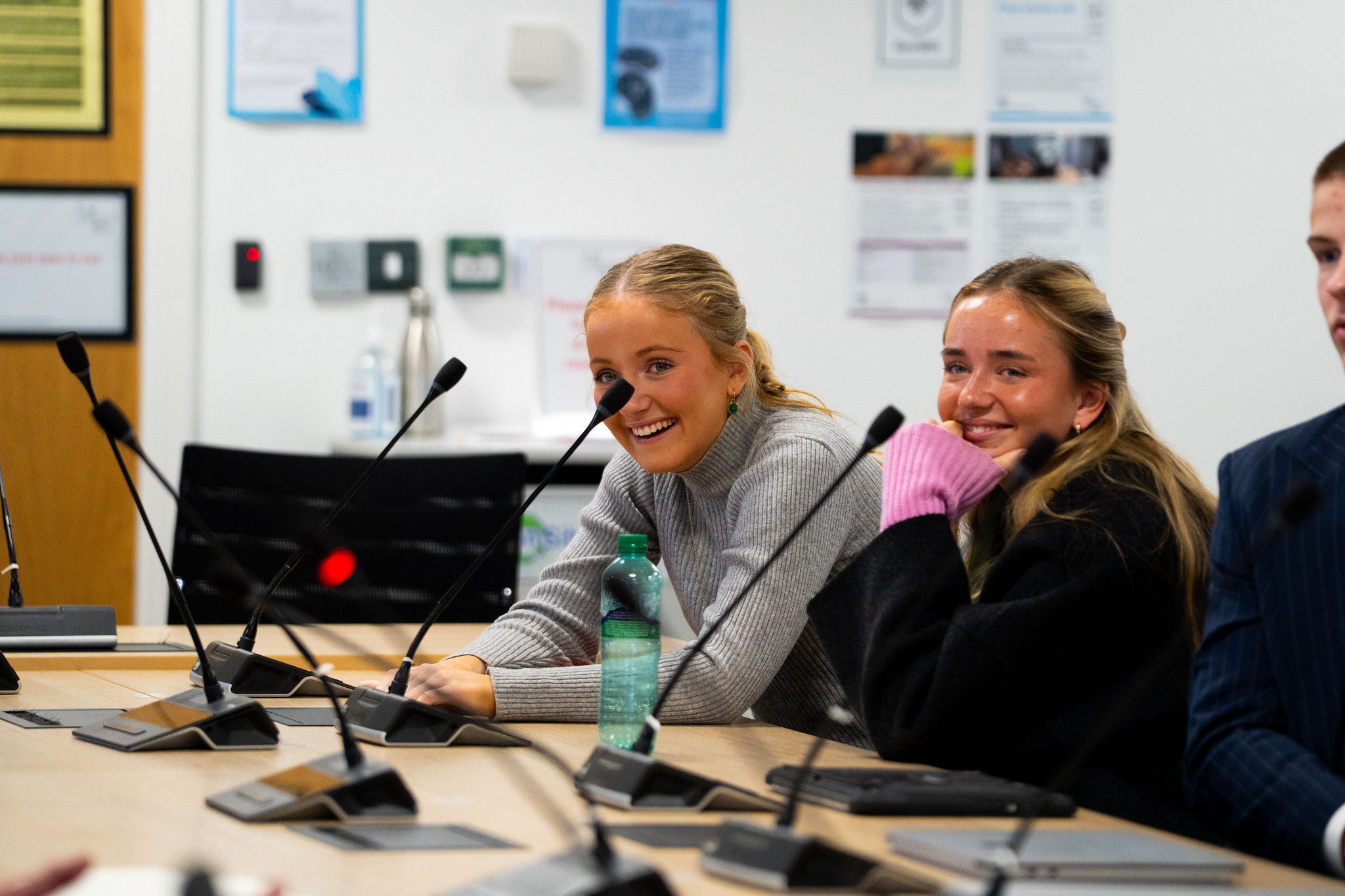
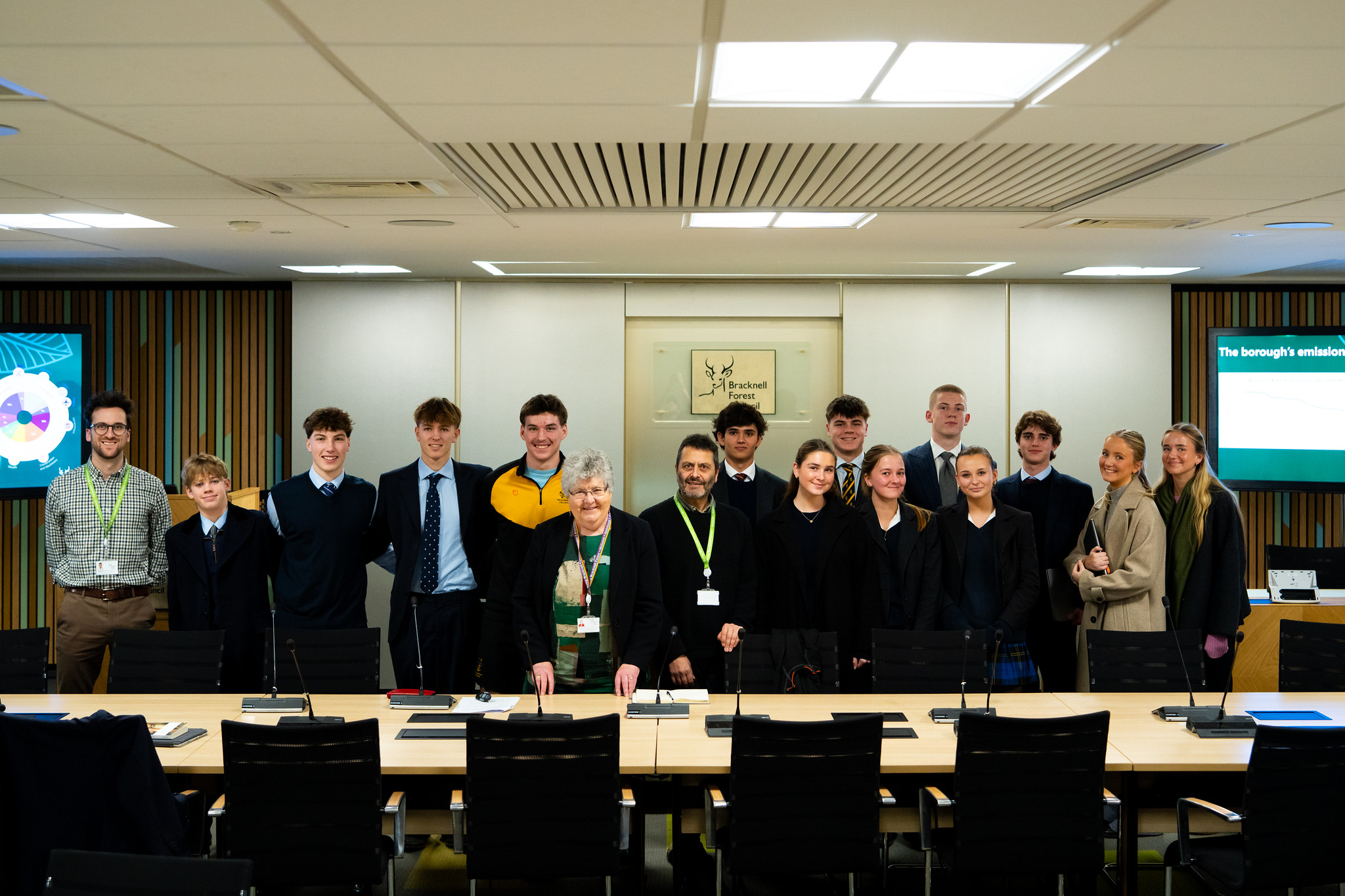
Students from Wellington College with a strong interest in sustainability, climate education and climate policy recently visited the offices of Bracknell Forest Council (BFC) to explore how local government is implementing practical climate solutions and engaging communities in climate action.
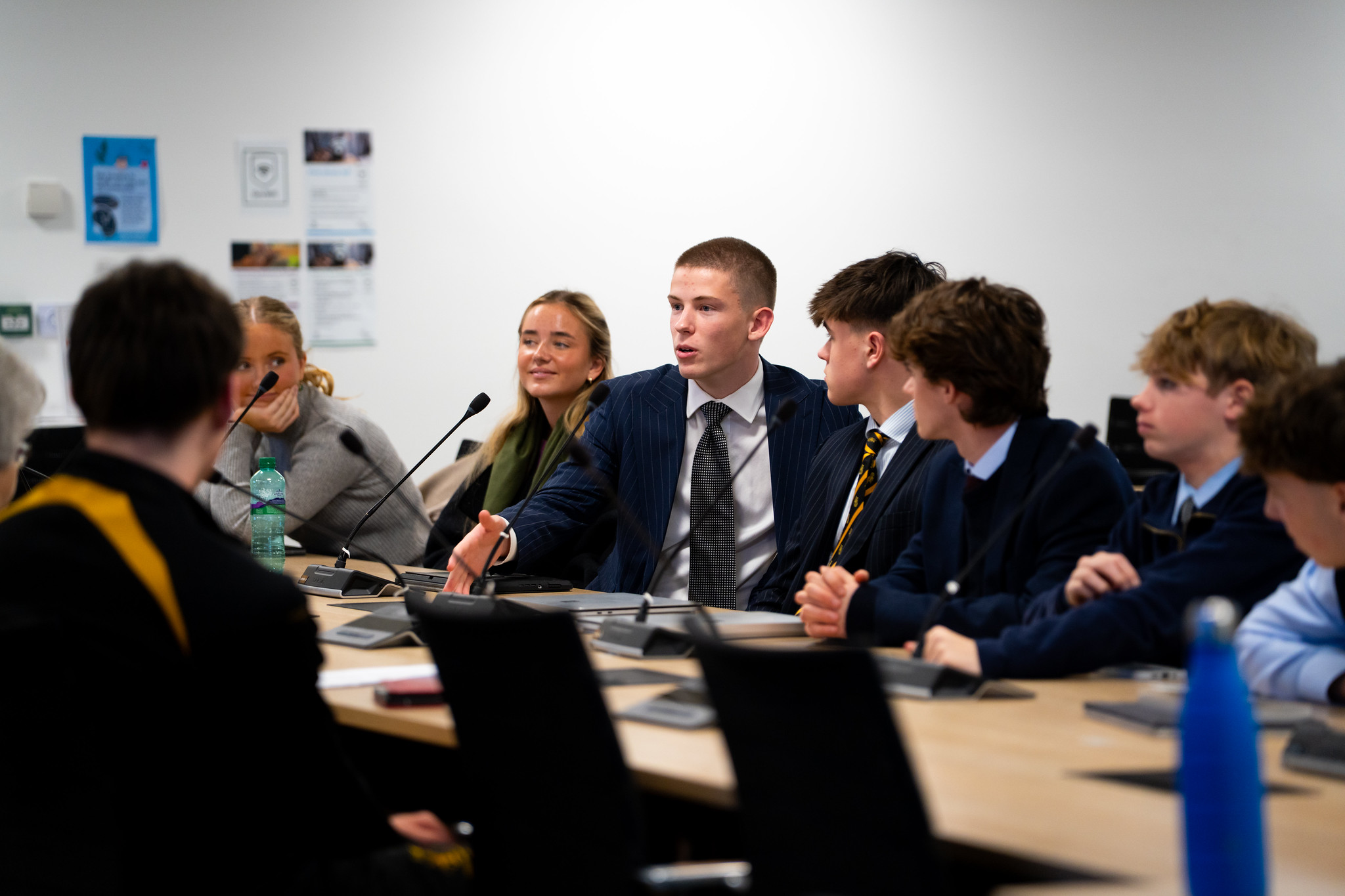
During the visit, students met with Cllr Mary Temperton, Cabinet Member for Council Strategy and Climate Change, and Cllr Adrian Haffegee, Leader of the Council, alongside council officers Gareth Jones, Head of Climate Change and Sustainable Living, and Will Barnes, Energy and Engagement Team Leader. The discussion provided valuable insight into how policy decisions, operational planning and community engagement come together to deliver a local climate strategy.
The session was structured as an open dialogue, with students sharing the sustainability surveys they have been developing to inform the conversation. Discussions focused on the progress BFC is making in implementing its Climate Change Strategy, alongside wider themes including community-led action, the challenges local authorities face in achieving net zero goals, and the role young people can play in shaping more sustainable futures.
Through the exchange, students identified clear areas of shared priority between their own sustainability initiatives and the Council’s work, particularly the importance of building a culture of sustainability and the ongoing challenge of achieving behaviour change at scale. They reflected on the complexity of long-term change and expressed appreciation for the work councillors and officers are undertaking to support communities through transition. As student leaders advancing sustainability initiatives within Wellington College, they recognised the shared objective: strengthening engagement and fostering a lasting culture of sustainability across the Wellington community.
Students asked questions about renewable energy initiatives, community behaviour-change programmes and partnership working with schools, residents and businesses. Council leaders emphasised the value of youth engagement and welcomed the opportunity to hear student perspectives, noting how collaboration with schools can strengthen long-term climate leadership.
Experiences such as this form an important part of Wellington College’s climate education approach, enabling students to connect academic learning with real-world policymaking and civic engagement. By engaging directly with decision-makers, students deepen their understanding of climate governance while developing the confidence and skills to contribute meaningfully to sustainability initiatives within their communities.
Student quote:
“Meeting local councillors helped us understand how climate policy is implemented in practice and how young people can influence change at the community level.”
Councillor quote:
“It was encouraging to see students so engaged and informed. Their ideas and questions highlight the importance of working with young people as partners in delivering our climate ambitions.”

Prev article
Next article