



Find out more

29 May 2025

News
In last week’s Assembly, Grounds and Gardens Manager Mark Dodd, gave our students a fascinating insight into the work of the team responsible for maintaining Wellington College’s expansive and biodiverse landscape.
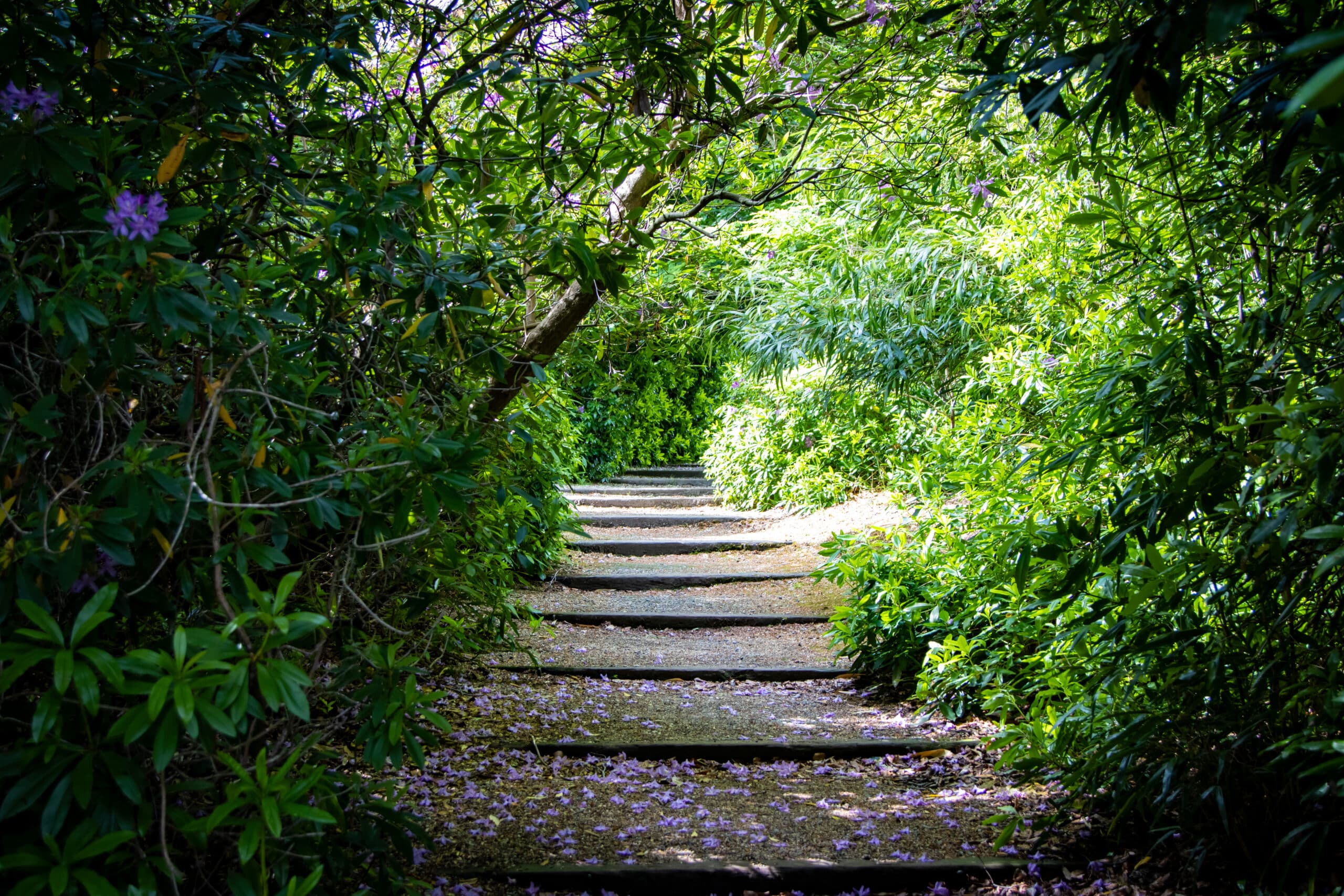
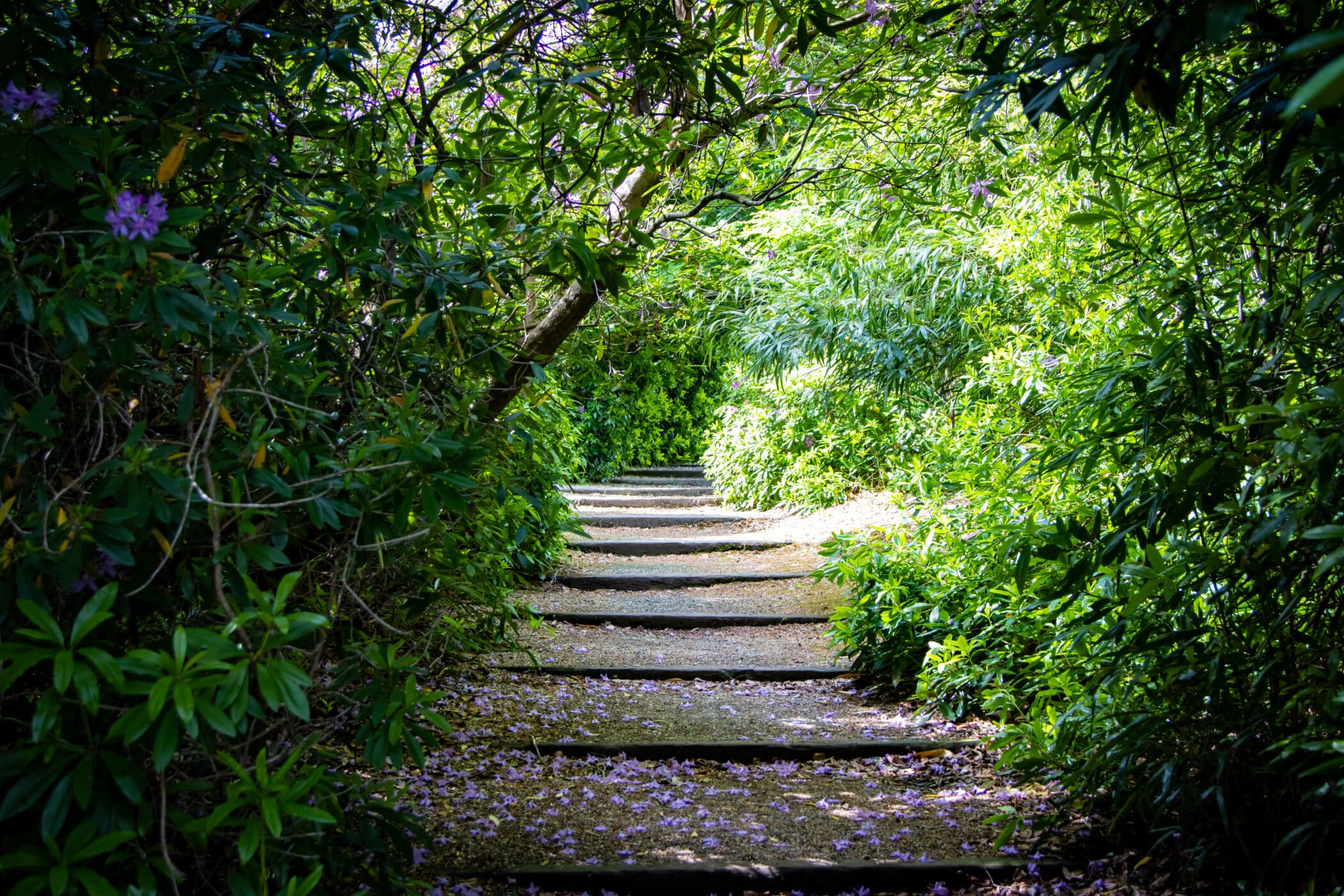
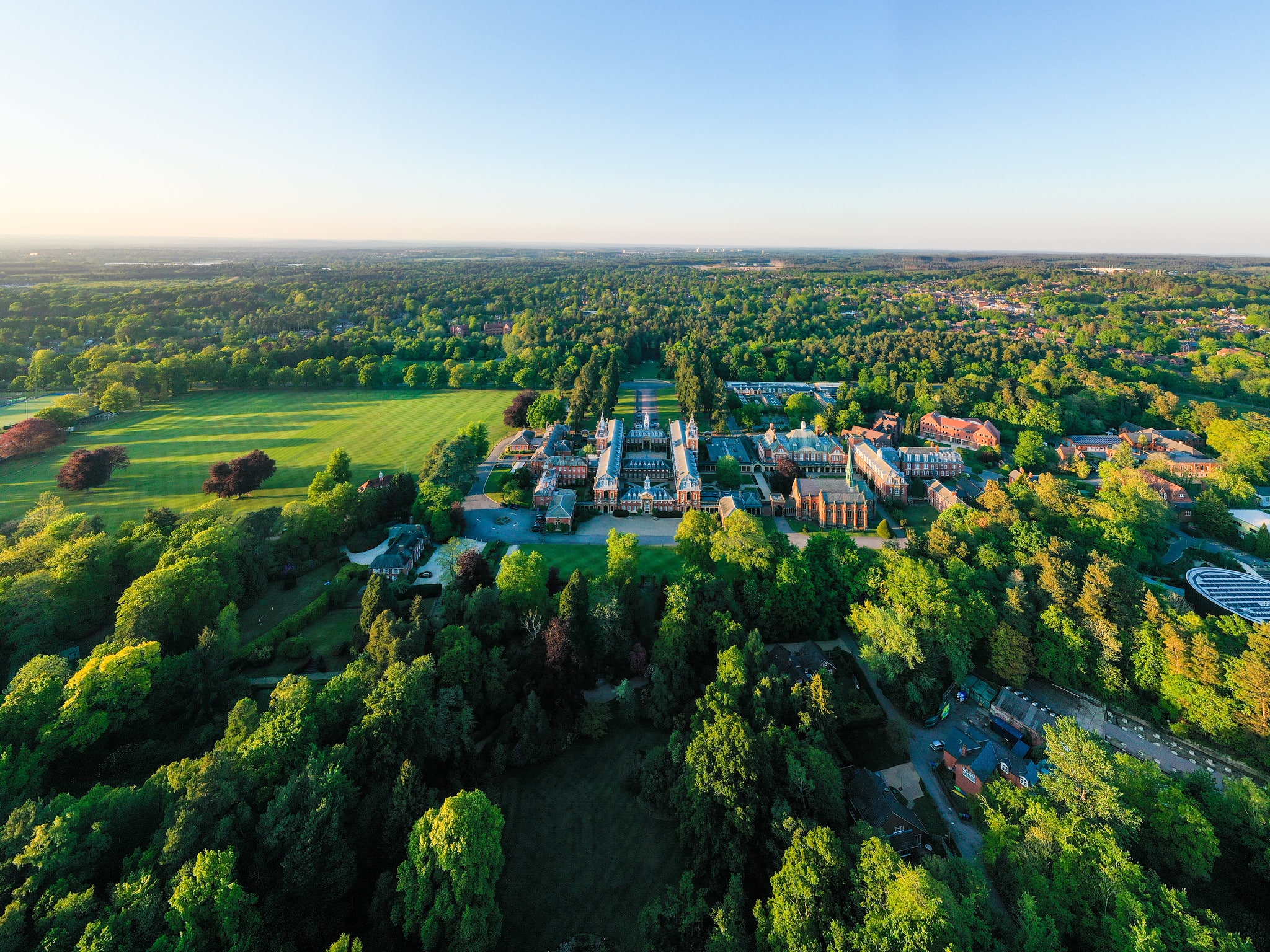
The team cares for an impressive 163 hectares, which includes 20 hectares of golf course, 33 hectares of sports fields, and 21 hectares designated as a Site of Special Scientific Interest (SSSI) and nature reserve. The grounds team play a vital role in preserving both the beauty and ecological integrity of the College campus.
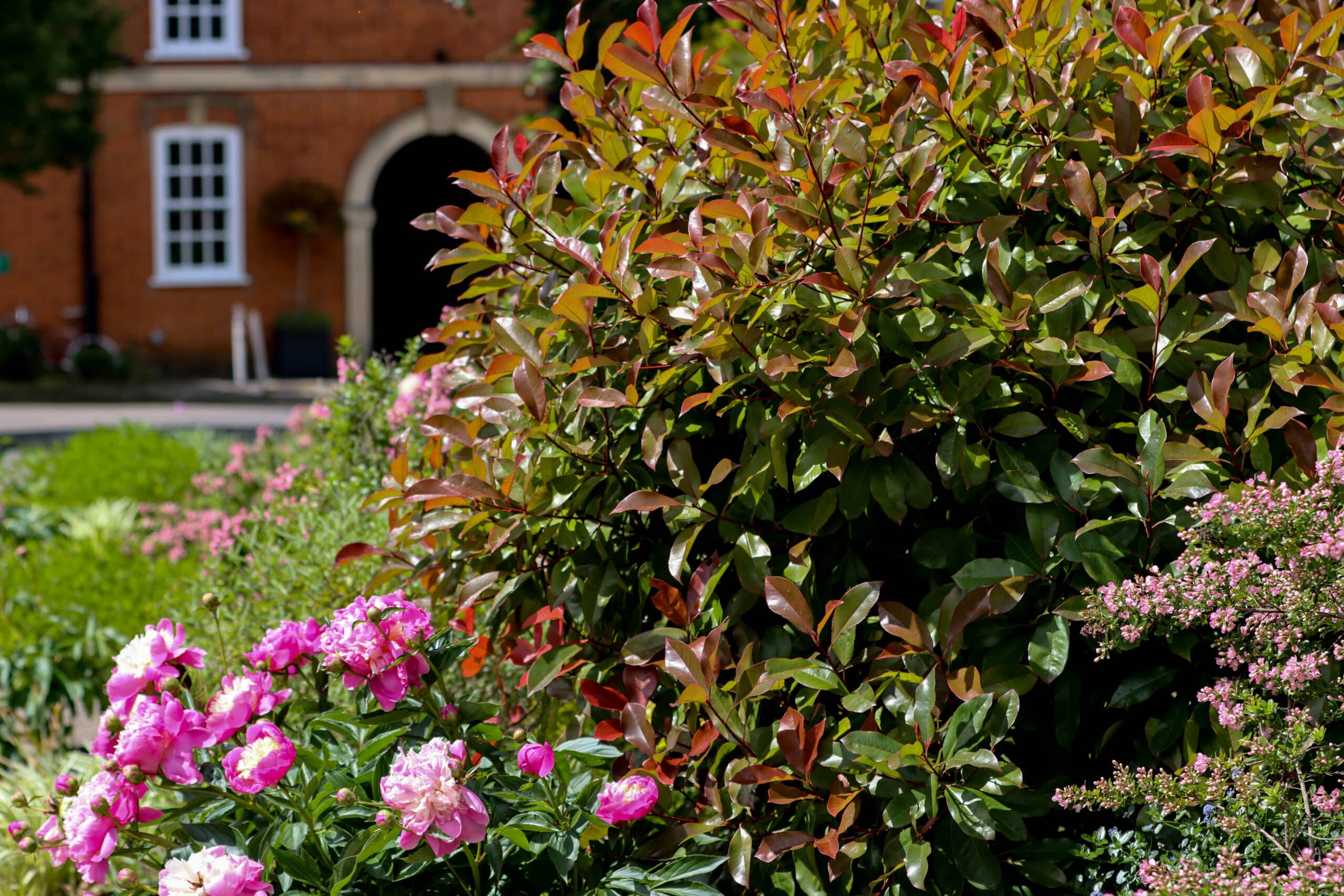
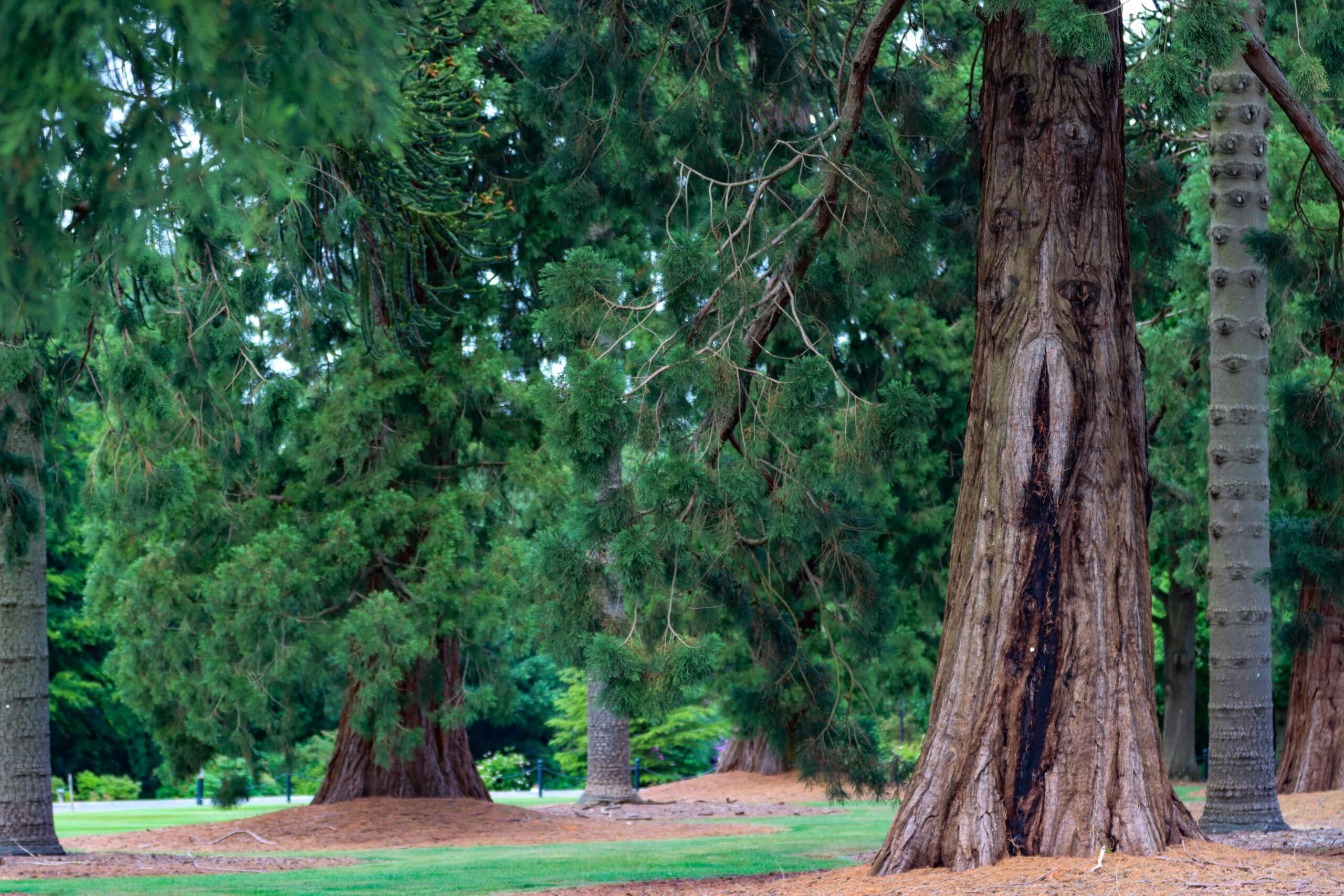
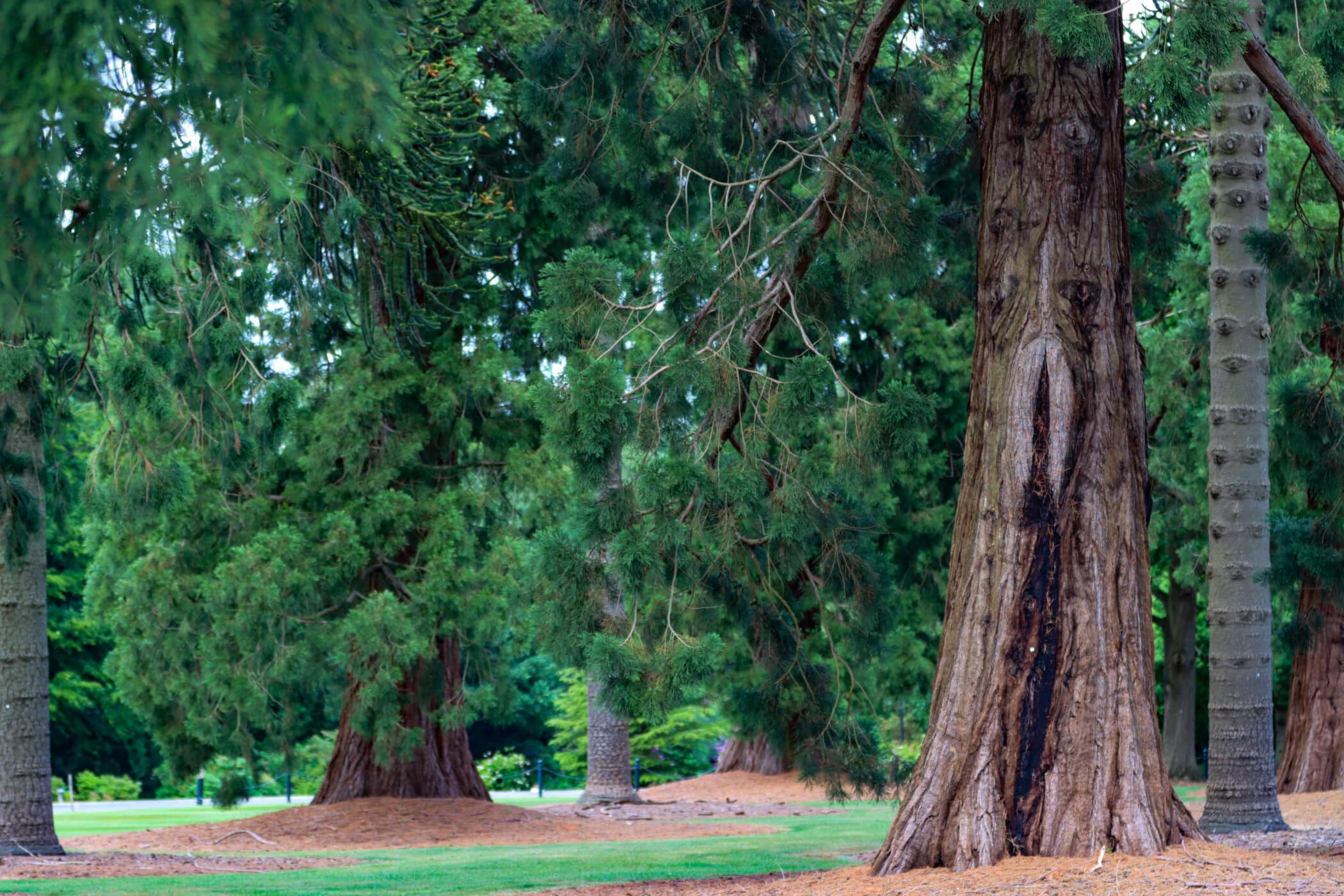
The dedicated team of twenty staff members brings a diverse set of skills to their work. They ensure that every corner of the estate is carefully tended throughout the seasons. Their efforts include the annual planting of over 10,000 bulbs and 100 trees, which not only enhance the visual appeal of the grounds but also contribute to the College’s commitment to biodiversity.
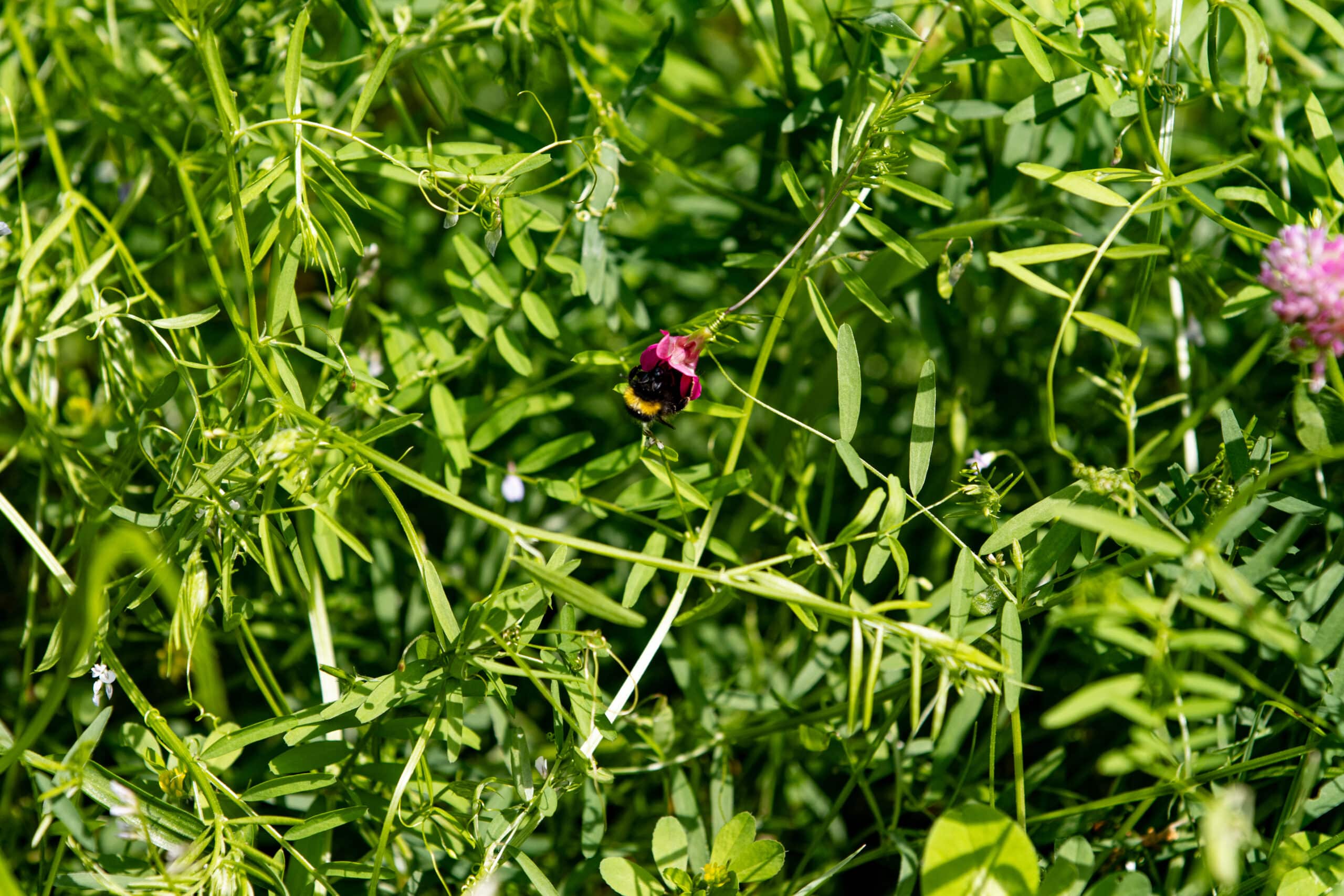
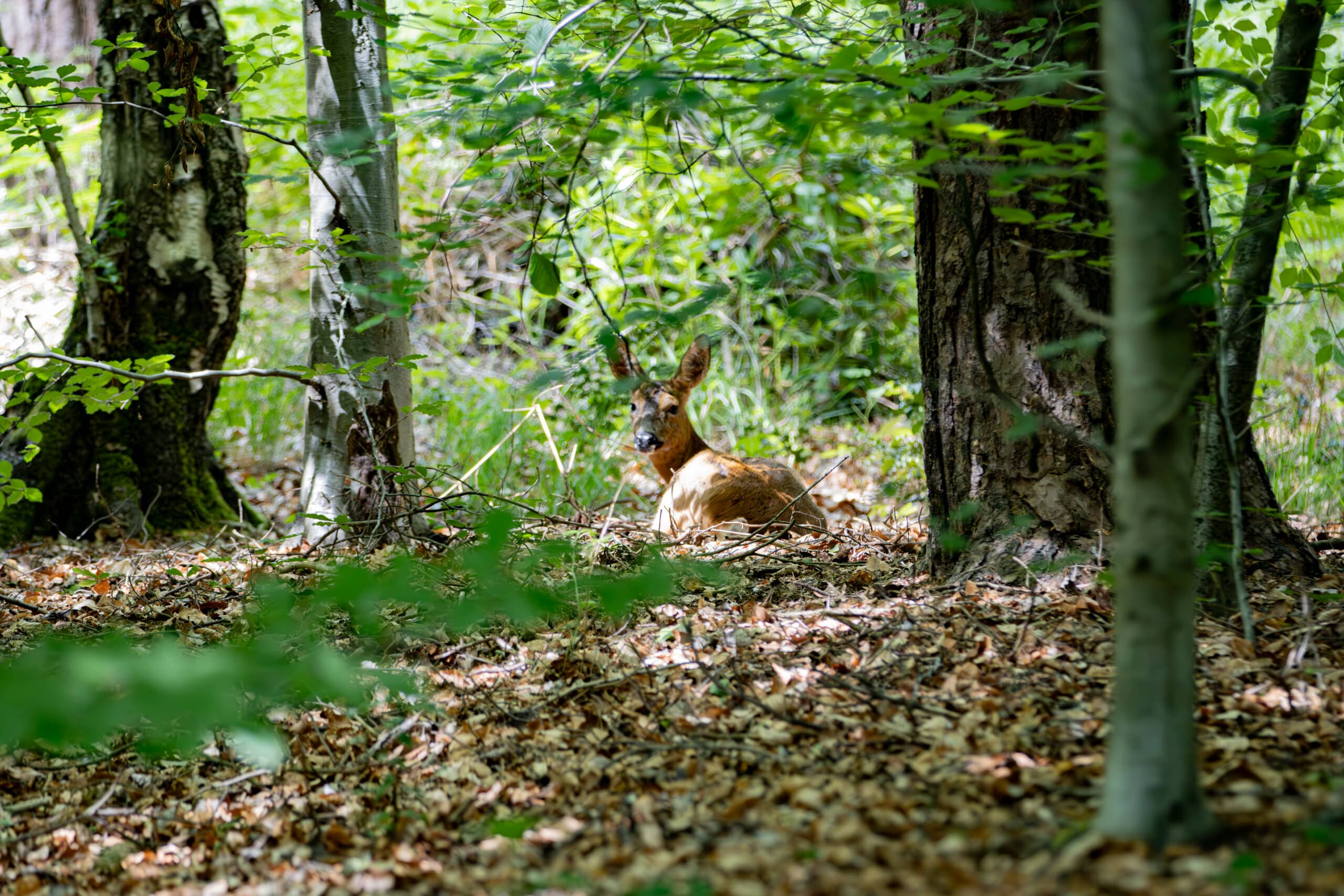
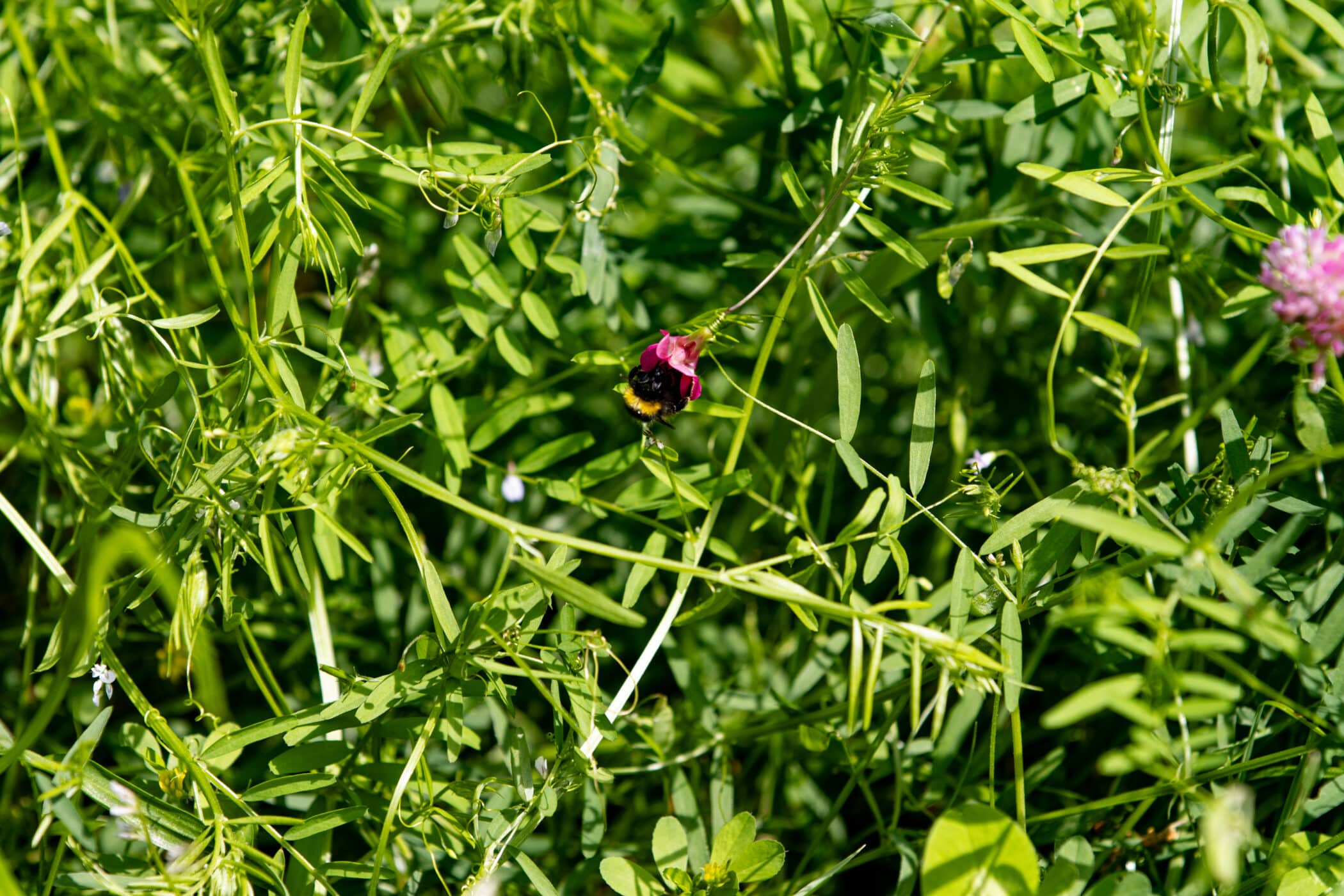
A noteworthy aspect of the presentation was the explanation of how the College meets its legal and environmental responsibilities when undertaking new developments. For example, in the Selassie Courts project, the team has ensured a 10 percent net gain in biodiversity. Measures include the planting of 65 broadleaved trees, restoration of precious heathland, and the installation of a wide array of bird and bat boxes to support local wildlife populations, bringing us to a total of 140 around site.
This commitment to sustainability extends to the student body. Environmental stewardship is a central pillar of life at Wellington, and pupils are continually encouraged to reflect on their personal impact and take steps to reduce their carbon footprint.
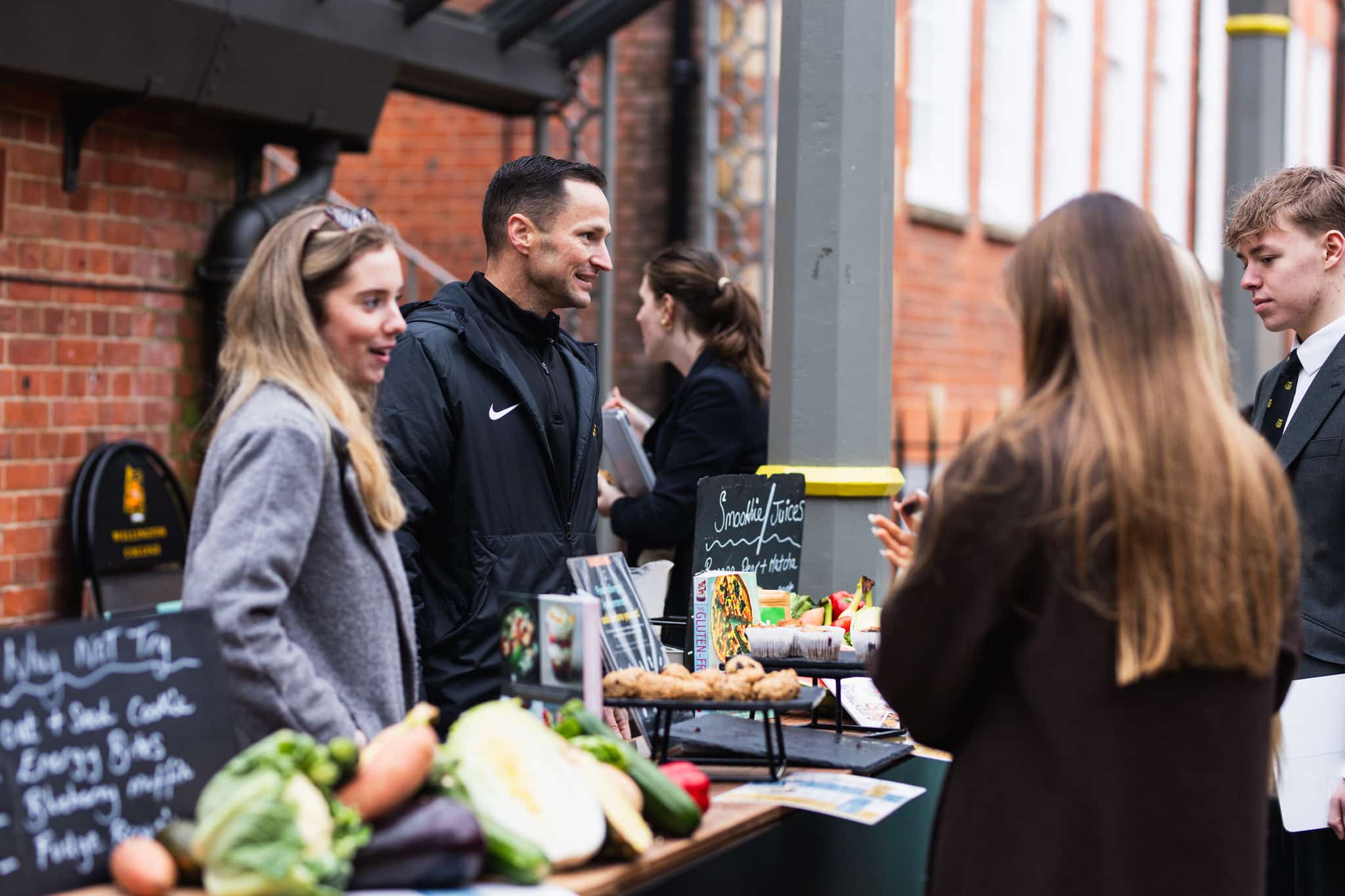
One particularly innovative pupil-led initiative was launched during the assembly: the Strawberry Kit Challenge. Created by our students as a part of our sustainability programme and supported by the Grounds and Gardens team, this project encourages all houses to grow their own strawberries using kits provided by Mr Dodd. The aim is to spark conversations about food origins, sustainability, and seasonal produce, while avoiding unnecessary food waste.
The inter-year group competition is already generating excitement, with a prize awaiting the winner who grows the best strawberries. The challenge will conclude on the 13th of June.
Initiatives like these not only enrich our students understanding of our environmental impact but also highlight the value of responsibility and innovation that lie at the heart of a Wellington education.
We are incredibly grateful to Mark Dodd and the entire Grounds and Gardens team for their expertise, passion, and tireless dedication. Their work not only sustains the beauty and biodiversity of our campus but also inspires our community to appreciate and protect the natural world around us.

Prev article
Next article