


Find out more

25 September 2026

News
How is artificial intelligence changing the way we understand, model and predict a changing climate?
Questions like this lie at the heart of Wellington’s Academic in Residence programme. Designed to extend the impact of the College’s Fireside Talks, the programme gives pupils the opportunity not only to hear from leading thinkers, but to spend sustained time with them: questioning ideas, exploring their research in greater depth and discovering how the same big questions look very different through the lens of different subjects.
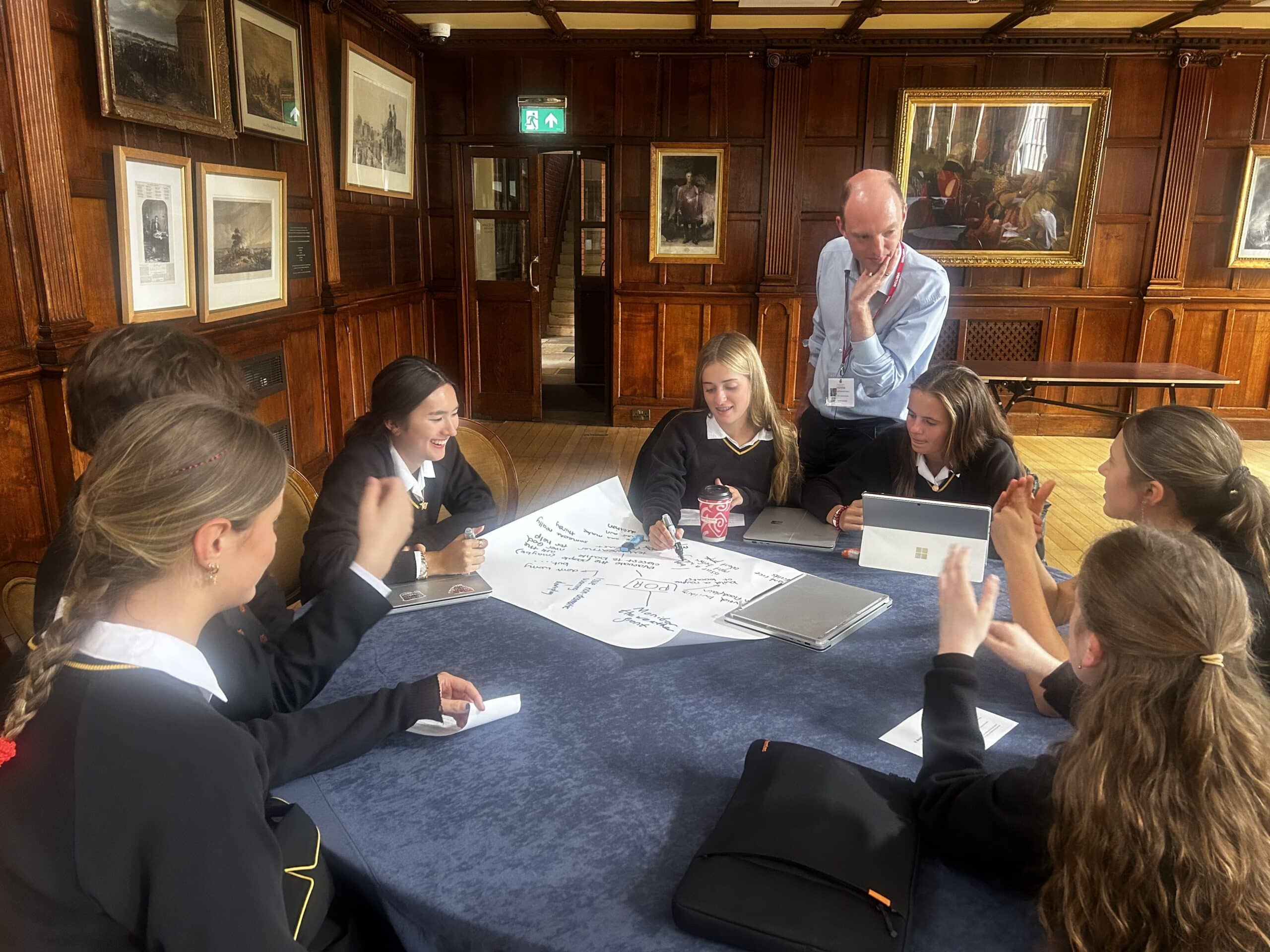
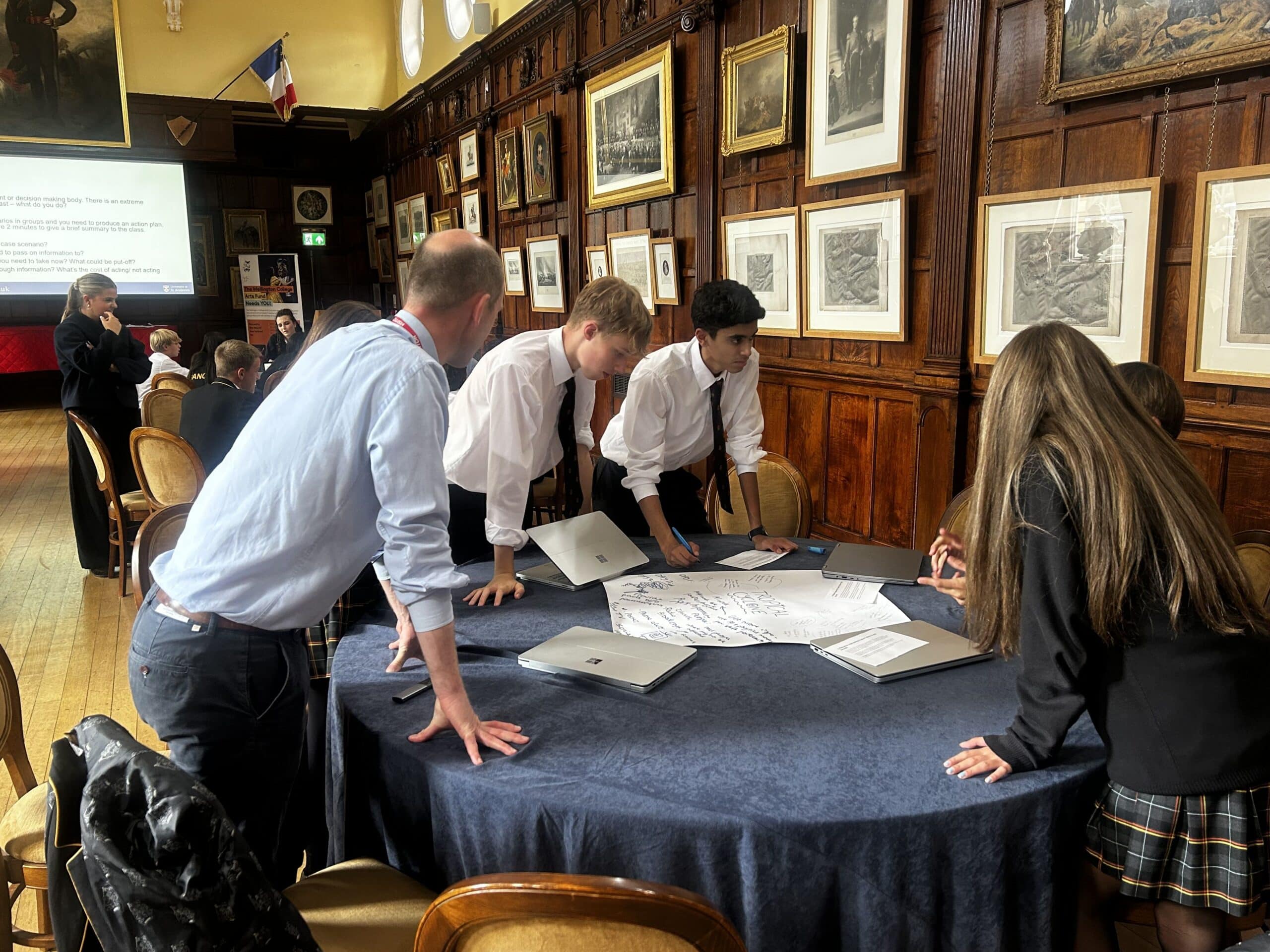
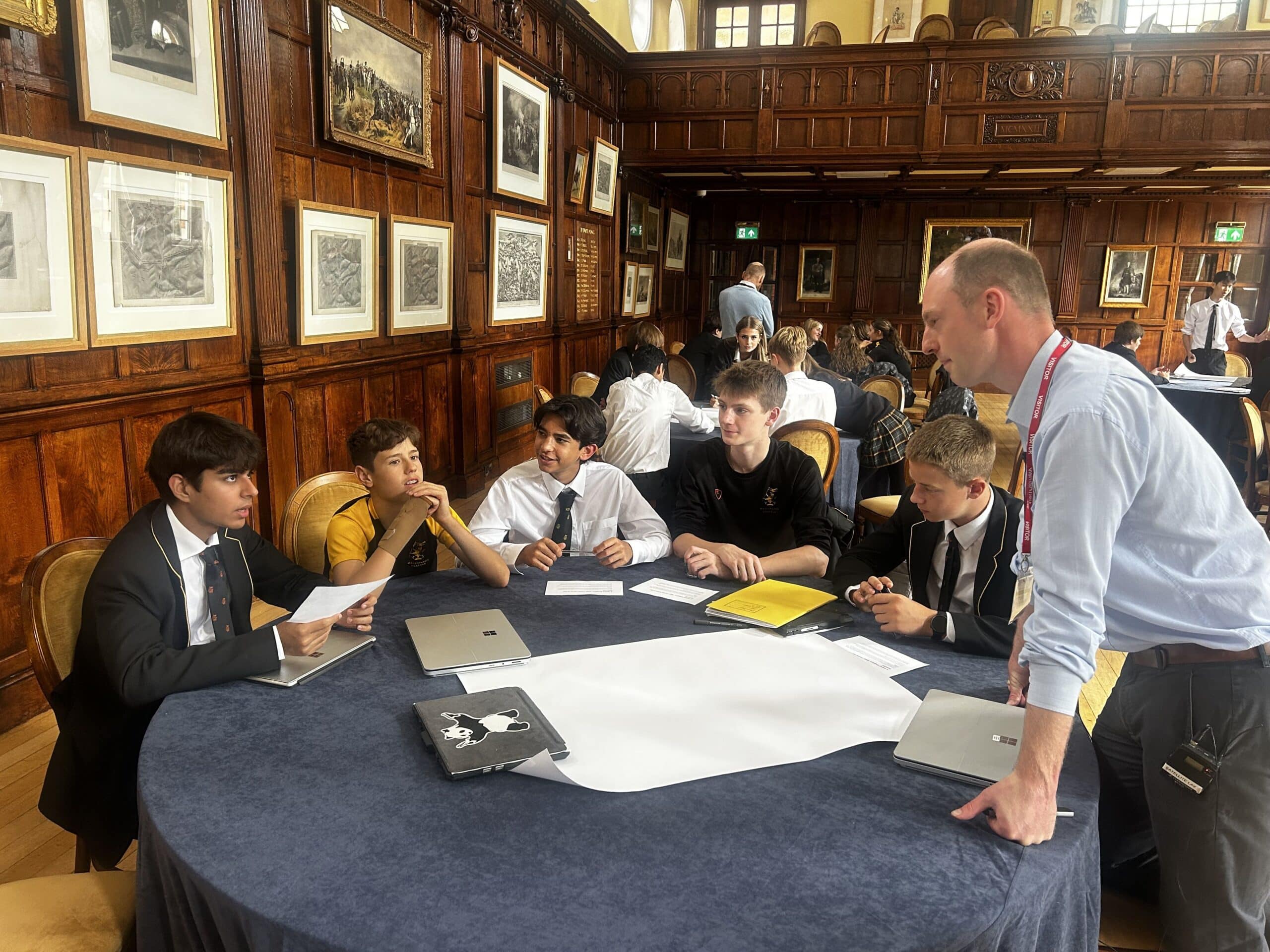
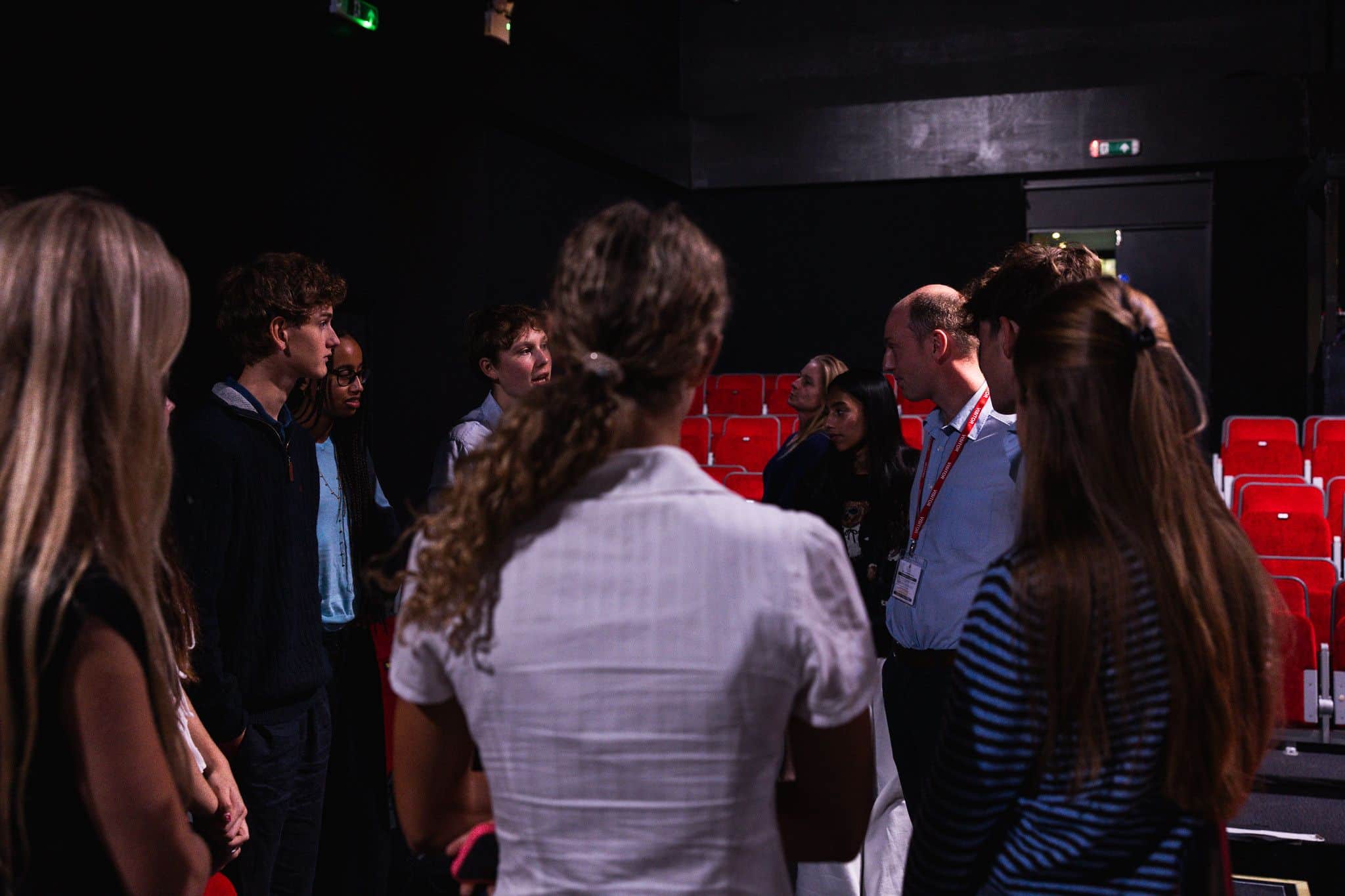
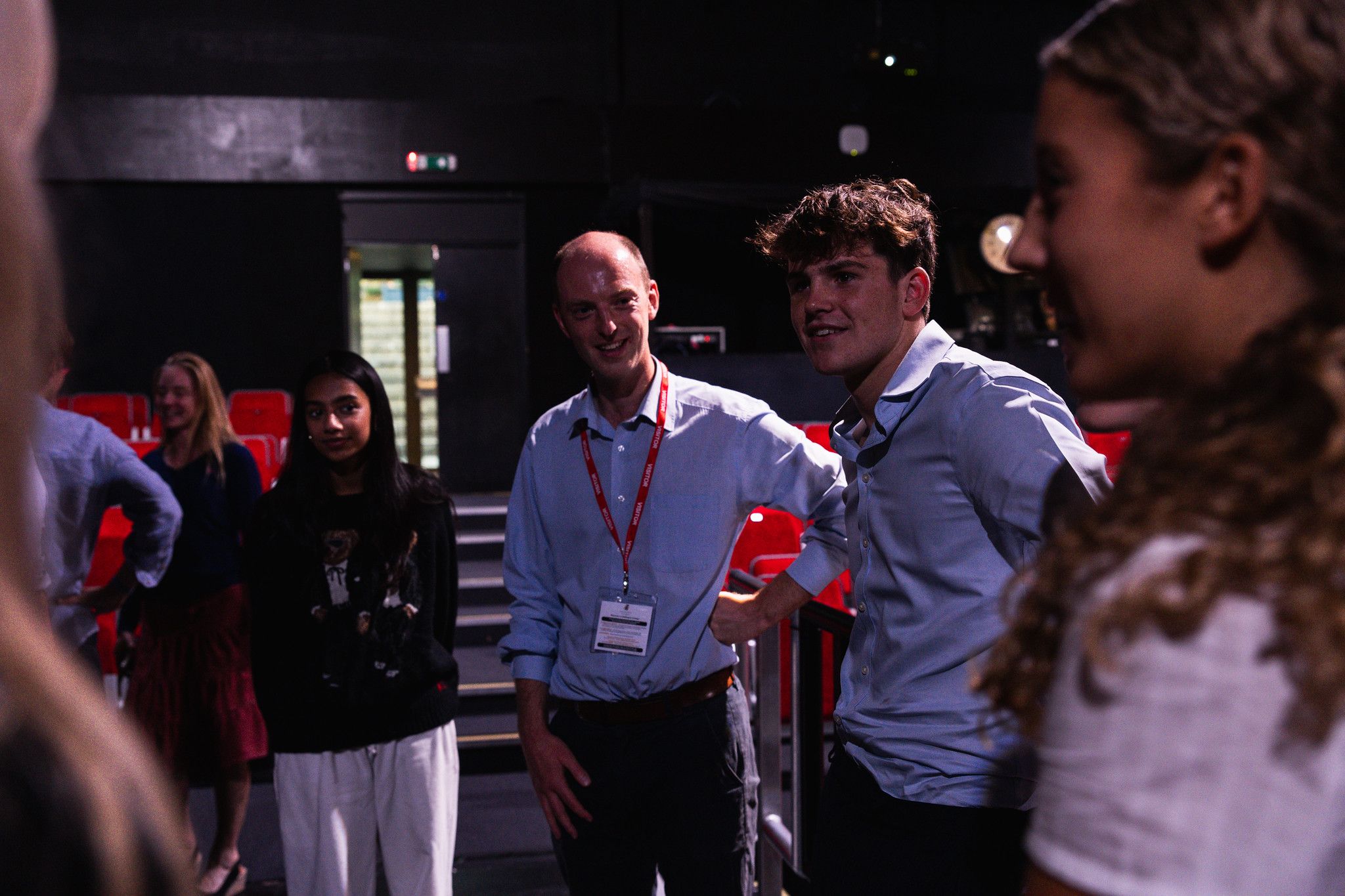
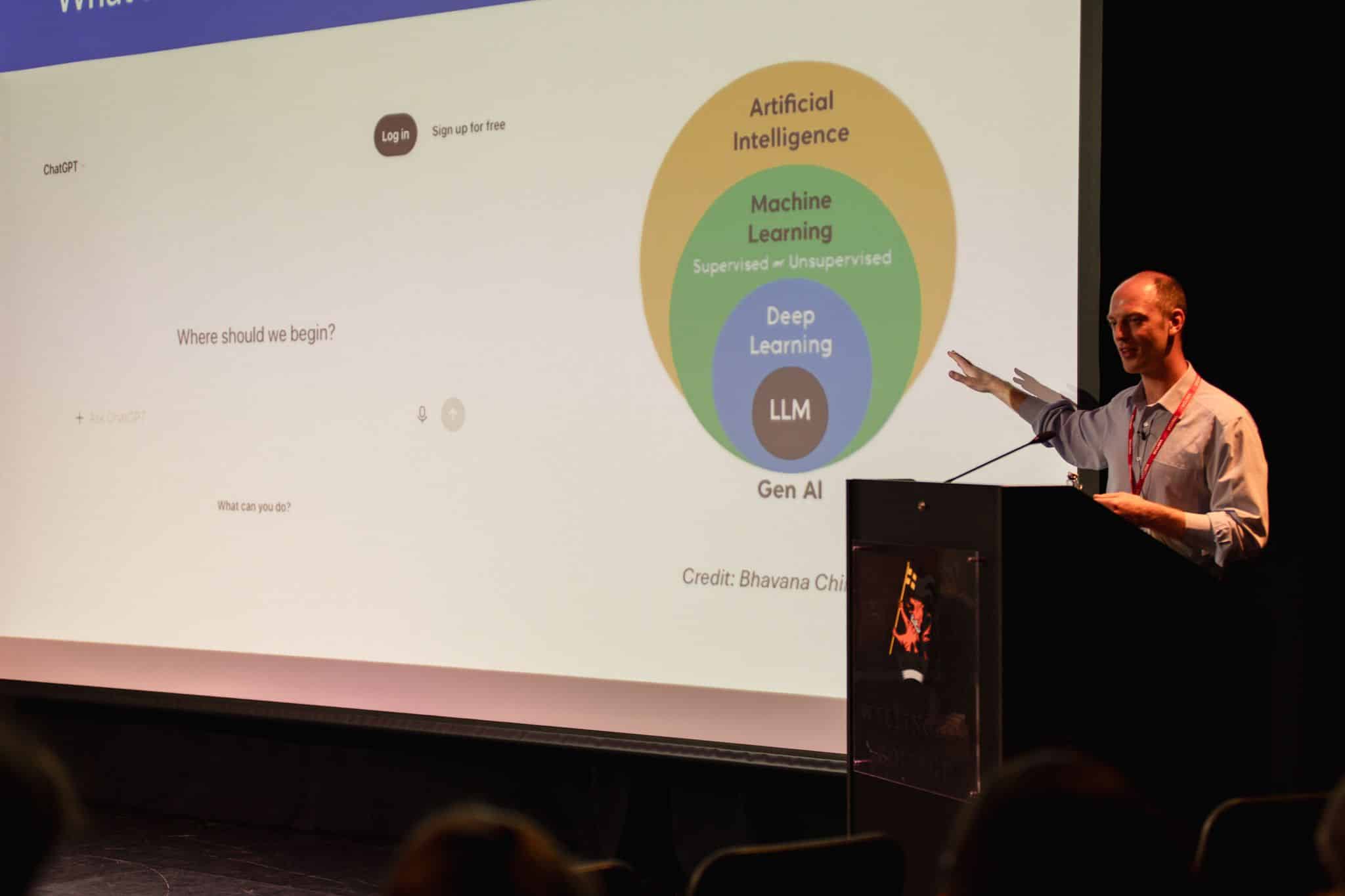
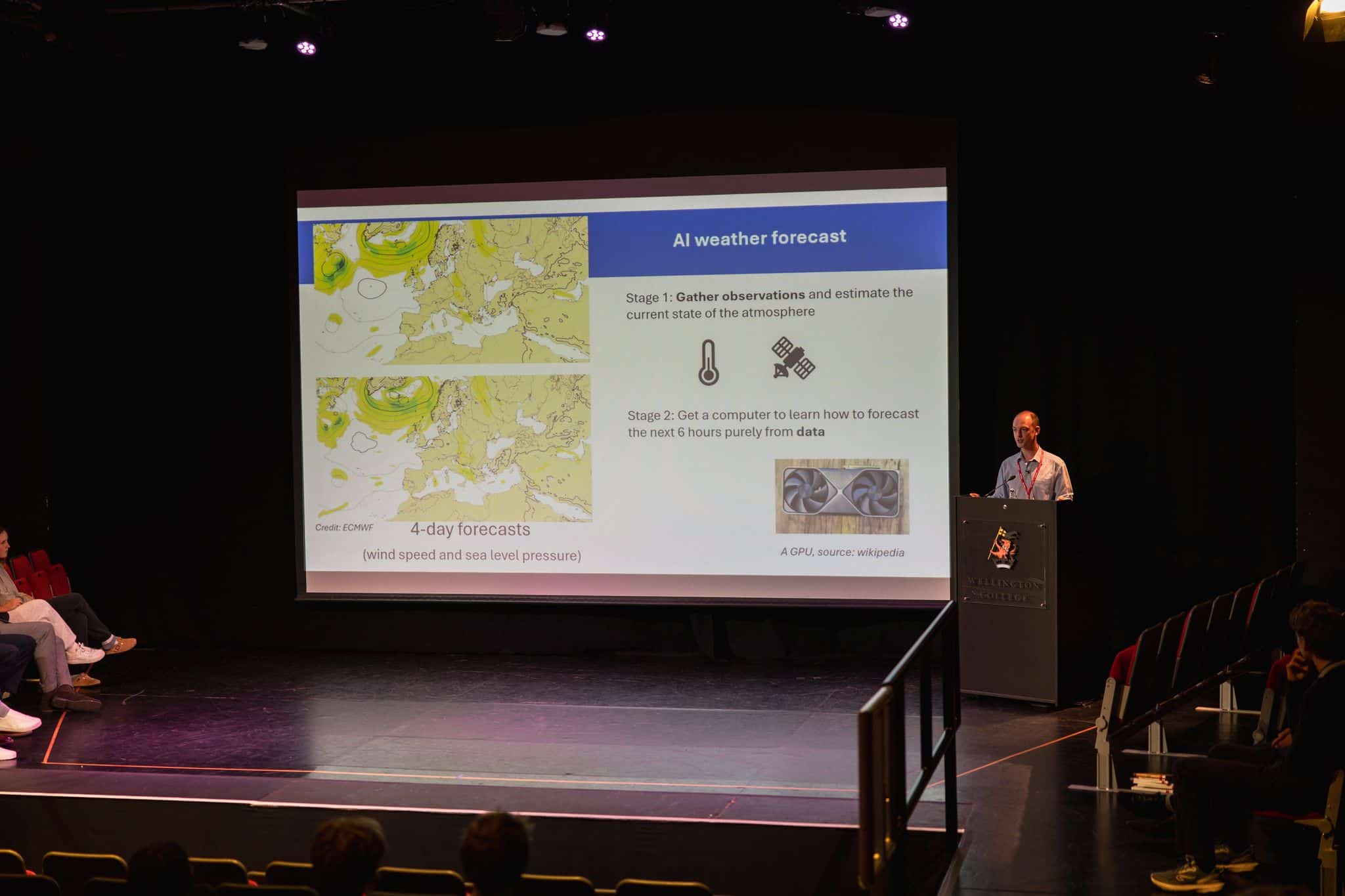
This week, Dr Matthew Patterson, Research Fellow in Climate Science and Machine Learning at the National Centre for Atmospheric Science, University of St Andrews, joined the College for a two-day residency exploring climate science, artificial intelligence and the future of forecasting. His visit began with a packed Fireside Talk, “Climate science and the AI revolution: how AI is helping predict our climate future”, before developing the following day into a series of smaller, subject-specific workshops with Physicists, Geographers, Computer Scientists and Academic Scholars.
Each session approached the wider theme from a different perspective, allowing pupils to explore the same questions through the distinct lenses of Physics, Geography, Computer Science and Academic Scholarship.
That breadth is central to the Academic in Residence model. A single research question can move from equations and computer models to geography, public policy, risk and ethics — allowing pupils to see not only what researchers know, but how knowledge is created, challenged and applied.
For Max, who attended the Fireside Talk on AI and climate modelling, one idea proved particularly striking:
“What stayed with me was the idea that climate change may not directly cause a particular event, but can make it much more likely. It made climate change feel less distant and far more connected to events already happening around us.”
Hadrian, a Computer Science student who attended “How can we predict the weather with graph neural networks?”, was fascinated by the potential of data-driven forecasting:
“I was fascinated by the idea that AI-driven weather models can identify patterns beyond those we are able to capture explicitly in traditional physics-based models.”
For Yuri, a Physics student who took part in the climate science workshop, the value lay in seeing how different disciplines come together to address complex global problems:
“It was valuable to see how physical principles can be applied to major climate challenges. Dr Patterson’s enthusiasm also showed how important it is to pursue subjects that genuinely interest you.”
The opportunities for academic conversation extended beyond the classroom. Georgie, who attended the Fireside Talk and later joined Dr Patterson for dinner, described the chance to discuss his research and the future of the climate as leaving her with “a much broader sense of curiosity”.
That, ultimately, is the purpose of the Academic in Residence programme. A Fireside Talk can spark an idea. A residency allows pupils to stay with it: to interrogate it, test it against different disciplines, ask better questions and engage directly with someone working at the frontier of their field. Dr Patterson’s visit did exactly that turning a conversation about climate science and AI into a much wider exploration of evidence, uncertainty, technology and the decisions societies make about the future.

Prev article
Next article