

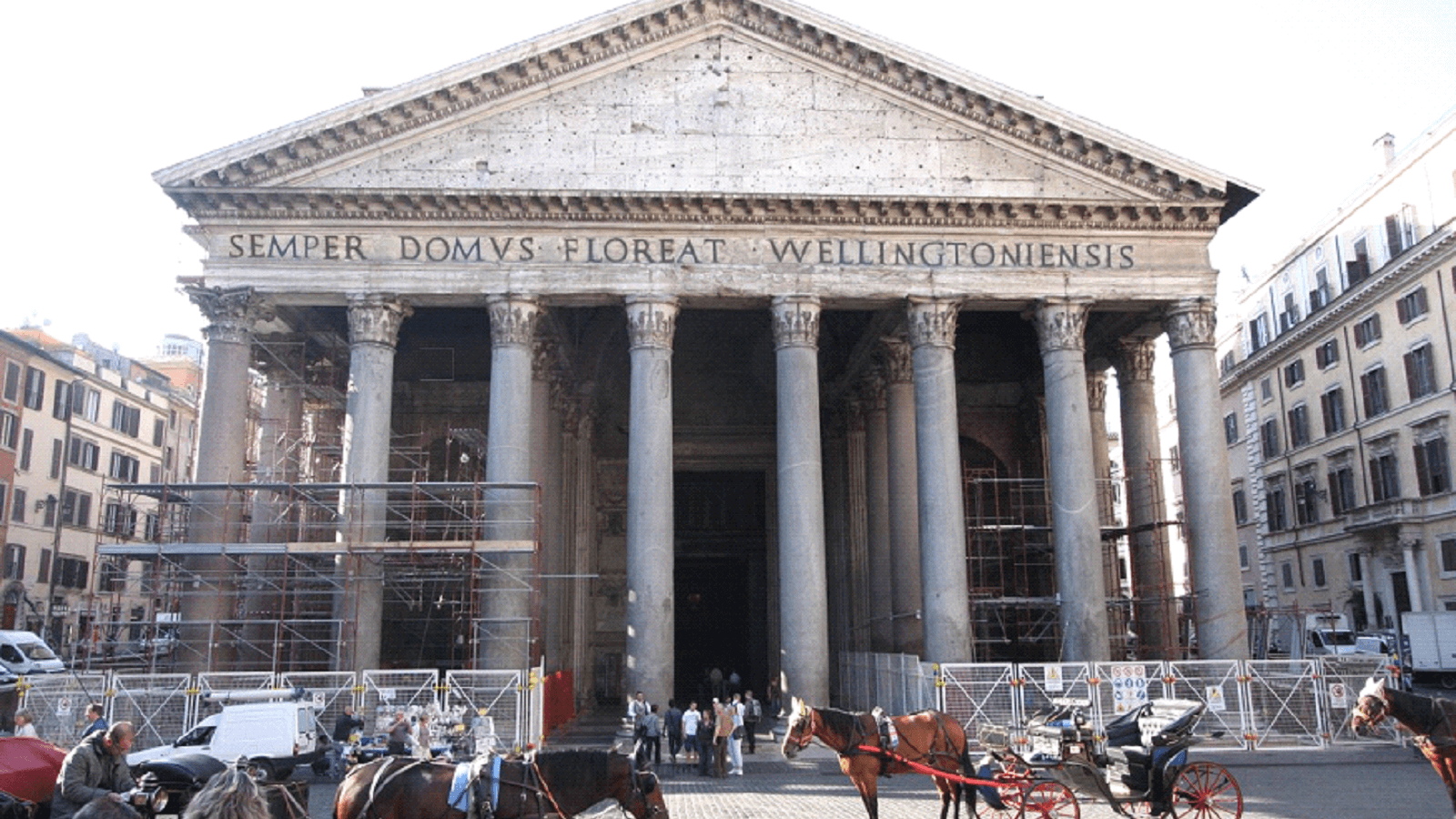
Classics, the study of the languages and cultures of ancient Greece and Rome, have shaped and continue to shape every aspect of the modern world: our literature, our law, our drama, our politics, our architecture, our philosophy, our religion. Classical subjects thus remain an essential part of a well-rounded education.
The study of the Latin and Greek languages is for many a pleasure in its own right, akin to puzzle-solving, but it also trains minds in memory, logic and analysis. Furthermore, as these languages are among the roots of English (and French, Spanish, Italian), their study deepens our understanding of our modern languages and the powers and possibilities of language itself. Pupils who enjoy the logical and analytical qualities of Maths often thrive in Latin and Greek, and this combination of subjects is highly prized by universities.
But the main reason to learn Latin and Greek is for the world that is opened up to you. In Greek, one can read of heroes in epic poems, of the collapse of families in tragedies, and of the triumph of Greek order over barbarian Persia in the histories. Roman poetry ranges from the praise of emperors to the pains of love, from great mythological deeds to the mundane annoyances of everyday life, and almost everything in between. Classical literature explores all the questions that make us human, and its study, in our increasingly online and AI-integrated world, makes us more human.
Our Ancient History curriculum enables pupils to explore the monumental events and towering figures that shaped the modern Western world. They will develop skills of comprehension, analysis and reasoning, with the added challenge of unpicking the truth behind often partisan (or even inaccurate) ancient sources. In the study of Ancient History, as in the reading of ancient literature, pupils develop a critical expertise essential for being a forceful communicator and a perceptive reader in the modern world. Whether in Latin, Greek or Ancient History, we make a point of exploring the Classical world beyond the text, both in and out of class. There are annual tours to Greece or Italy, museum and theatre trips, poetry recitals, and visiting speakers to enjoy.
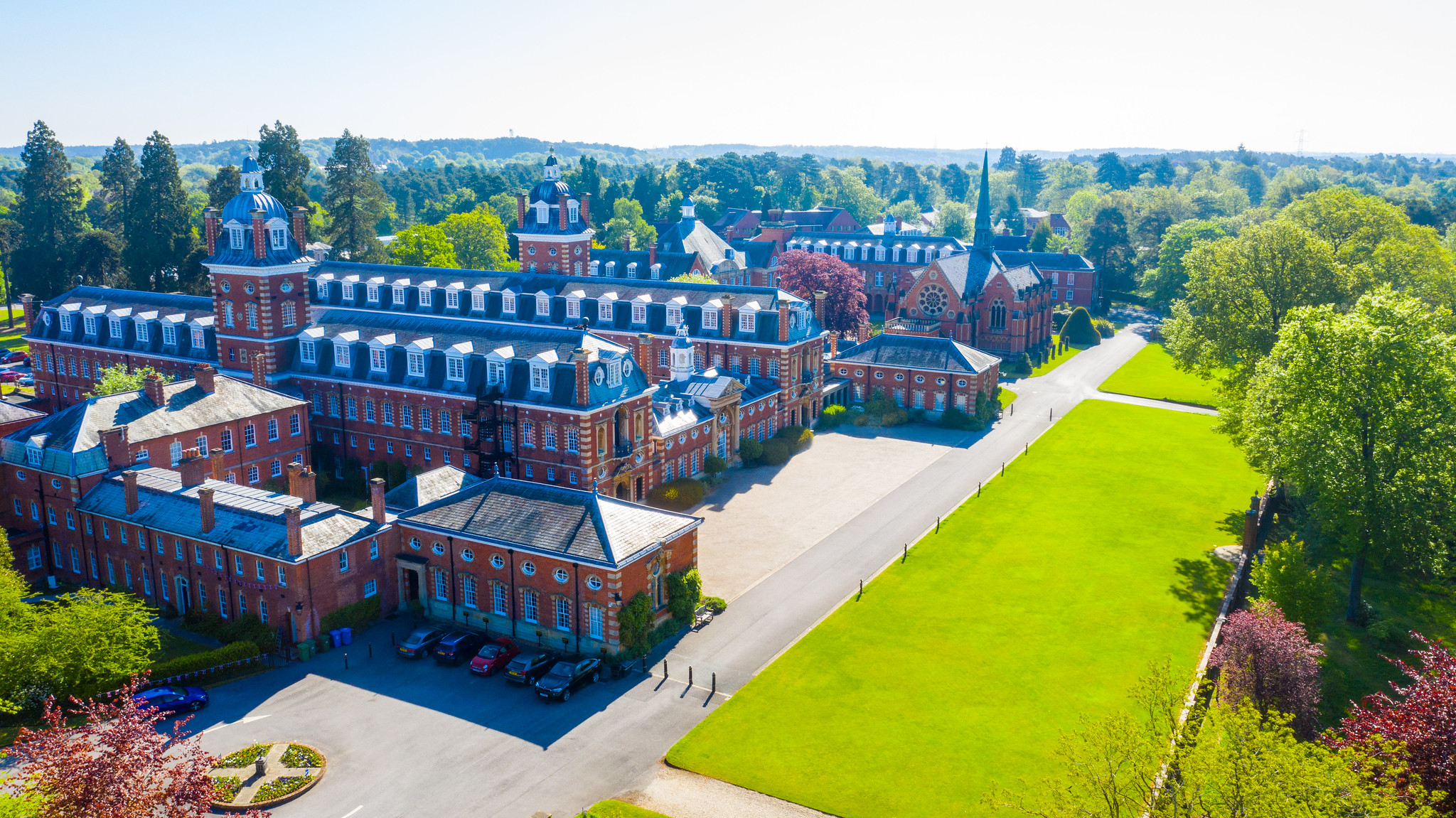
At Wellington, Classical languages and Ancient History are going strong. All Third Form pupils study either Latin and Greek, or just Latin, depending on their previous experience of Latin prior to arrival. Many also take Ancient History as a Humanities option. Around half of our Ancient Historians in Third Form pursue the subject for GCSE, and around a quarter of GCSE pupils at Wellington take a Classical subject each year. We are especially proud that a strong percentage of our Sixth Form pupils go on to read Classics or Ancient History at university, including 17 pupils (out of 25 applicants) securing places at Oxford or Cambridge in the past eight years.