

Find out more

22 June 2026

Academic
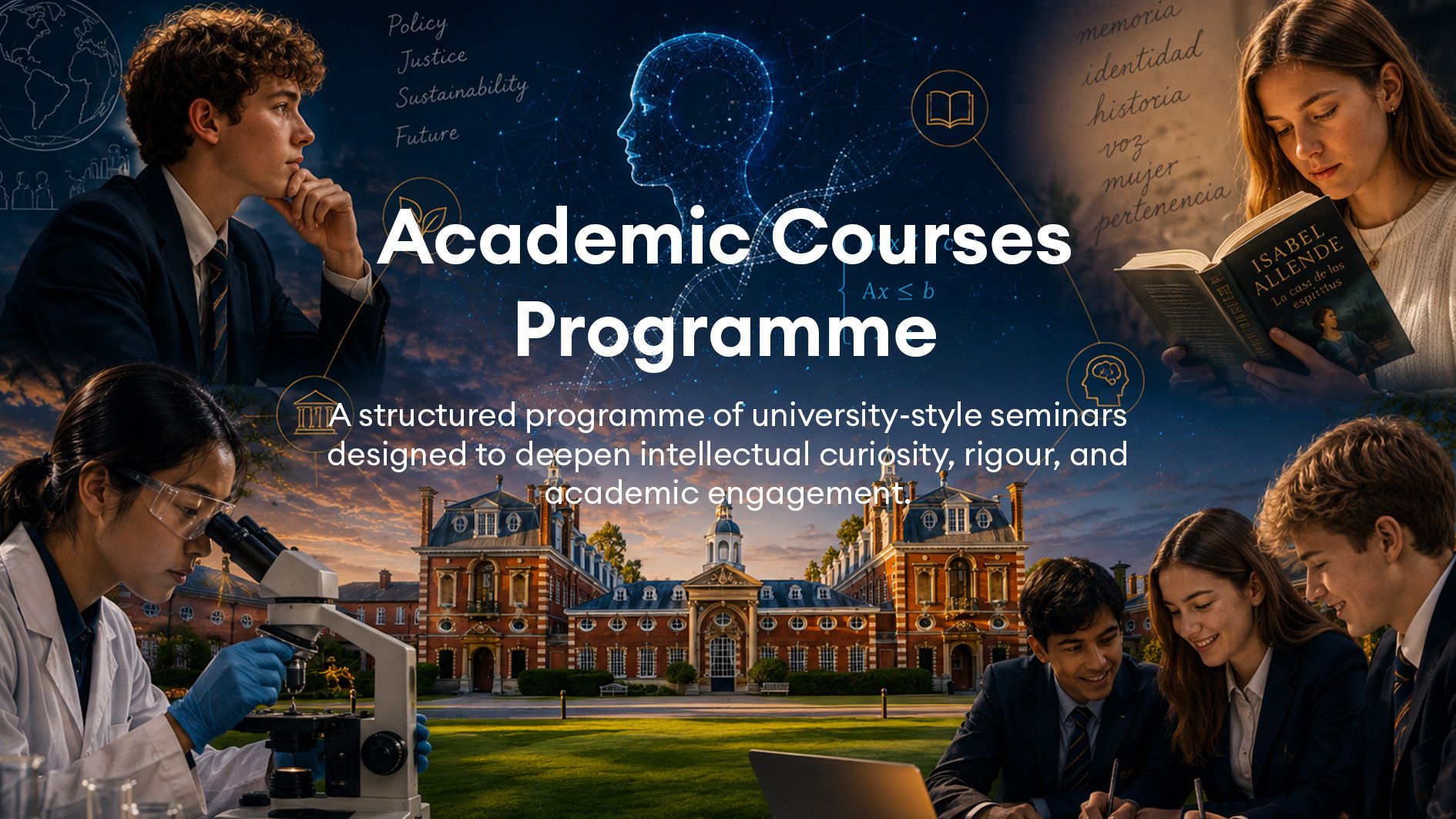
Recently described by The Good Schools Guide as “an academic Disneyland for clever teenagers,” Wellington College is a place where curiosity sits at the heart of learning. This Michaelmas Term, that commitment to intellectual exploration takes a new form with the launch of the Academic Courses Programme: a structured series of short, university-style courses designed to give students a clearer sense of progression, purpose and commitment in their academic extension.
The programme marks a distinctive development in the College’s academic extension offering: a shift from traditional drop-in clubs and societies towards structured courses that give pupils the opportunity to follow an intellectual journey over time. After an initial taster session, pupils commit to a course for the term, actively taking a course in a defined area of academic interest, with each session building on the last so that ideas, skills and confidence develop.
James Dahl, 15th Master of Wellington College, said, “Developing genuine intellectual curiosity within Wellingtonians has been a key priority over the past four years and I am so thrilled that this work will continue next year with the addition of these inspiring courses. We want the academic tapestry of College life to be rich, future-focussed and relevant, a preparation not just for GCSEs, IB and A-Level, but equipping our young people with experiences, knowledge and skills which will set them apart at university and in the world of work.”
Amanda Campion, Director of Academic Extension, explains: “At the heart of the programme is the belief that academic extension should be a right, not a privilege. We want all our pupils to experience the excitement of sustained intellectual inquiry: the kind of learning where one question leads to another.”
With 17 courses launching in the Michaelmas term, and more planned for Lent, the programme reflects the remarkable breadth of academic life at Wellington. Pupils can explore politics, sustainability, artificial intelligence, literature, mathematics, biomedical science, languages, history, classics, psychology, art, geography and more.
Huw Jones, who will take up the role of Deputy Head (Academic) in September, said: “The new Academic Courses Programme will give pupils the rare and invaluable opportunity to tackle some of the big ideas and challenges shaping modern society and the natural world. These innovative multidisciplinary and interdisciplinary courses will ask pupils not only to think deeply, but also with agility. They will challenge pupils to express their academic thinking and arguments in new and creative ways, while engaging with concepts and content far beyond traditional examination specifications. The programme could be the first step towards each pupil forging a distinctive academic identity that endures long after Wellington.”
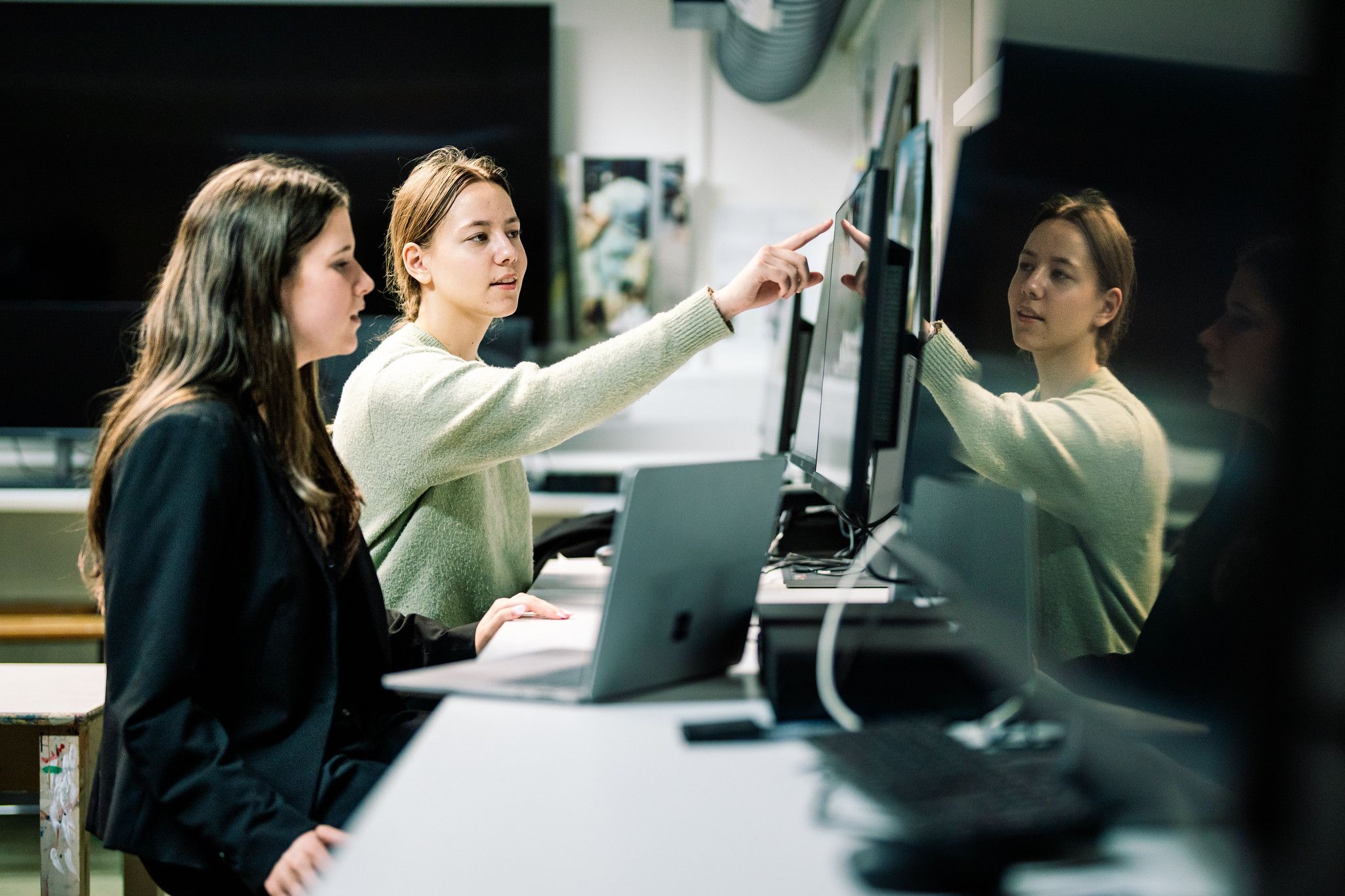
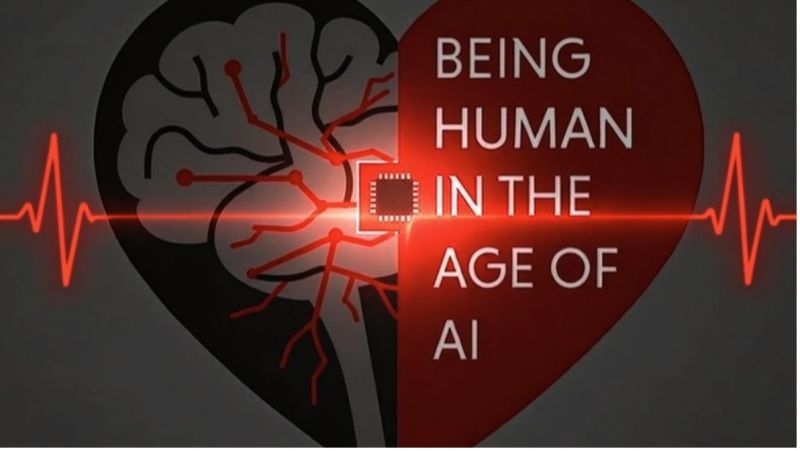
Across the programme, pupils will not simply attend sessions; they will think, question, debate, research, create and present. The courses are designed to move pupils from curiosity to contribution, asking them to engage with urgent questions and produce work of their own. In The Politics of Sustainability, pupils will develop COP-style policy recommendations, moving from debate and analysis to practical proposals for sustainable change. In Being Human in the Age of AI, pupils will work with students from our international partner schools to explore artificial intelligence through economics, literature, science and philosophy, considering how technology is reshaping identity, creativity, relationships and society. In Making Meaning, Making Myself, pupils will produce creative “unessays”, challenging the boundary between literary criticism, personal expression and artistic response.
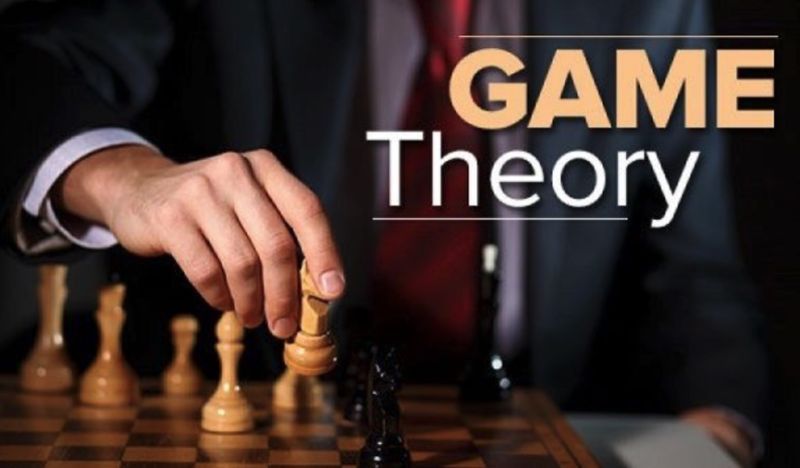
This new initiative encourages pupils to see academic learning as a way of understanding themselves, others and the world more fully. That spirit of enquiry takes many forms, from analytical problem-solving and close textual study to practical encounters with science, health and the natural world. An Introduction to Linear Programming and Game Theory will challenge pupils to think mathematically about constraint, choice and strategy, developing adaptive problem-solving skills through real-world questions of optimisation and decision-making. Spanish Literature: Loss, Memory and Identity in Isabel Allende will challenge pupils to connect close textual analysis with questions of memory, trauma, female experience and historical context, deepening their understanding of the world and the human stories that shape it. Biomedical Society will bring STEM vividly to life through expert talks and practical experiences, from suturing and gram staining to venipuncture practice, blood cell observation and animal encounters that deepen pupils’ understanding of life, health and the natural world.
This breadth matters because academic extension is about more than stretching pupils intellectually; it is about helping them develop the curiosity, character and values to engage thoughtfully with the world. Through the programme, pupils are encouraged to become more independent in their thinking, more purposeful in their learning and more ambitious in the questions they ask.
Sir Anthony Seldon, Founding Director of Wellington College Education, said: “Education is more than simply preparing young people for examinations; at its best it helps them discover who they are, what they care about, and how they might contribute to the world. This programme gives pupils the space to follow their curiosity and develop their sense of purpose that will serve them far beyond school.”
With even more courses planned for the Lent Term, the Academic Courses Programme will continue to grow across the year. The full range of courses can be explored on the Academic Courses Programme page. Through the programme, pupils will find new ways to explore questions, test ideas, encounter new perspectives, collaborate with others and discover where their curiosity might lead.

Prev article
Next article