
Find out more

03 November 2026

News
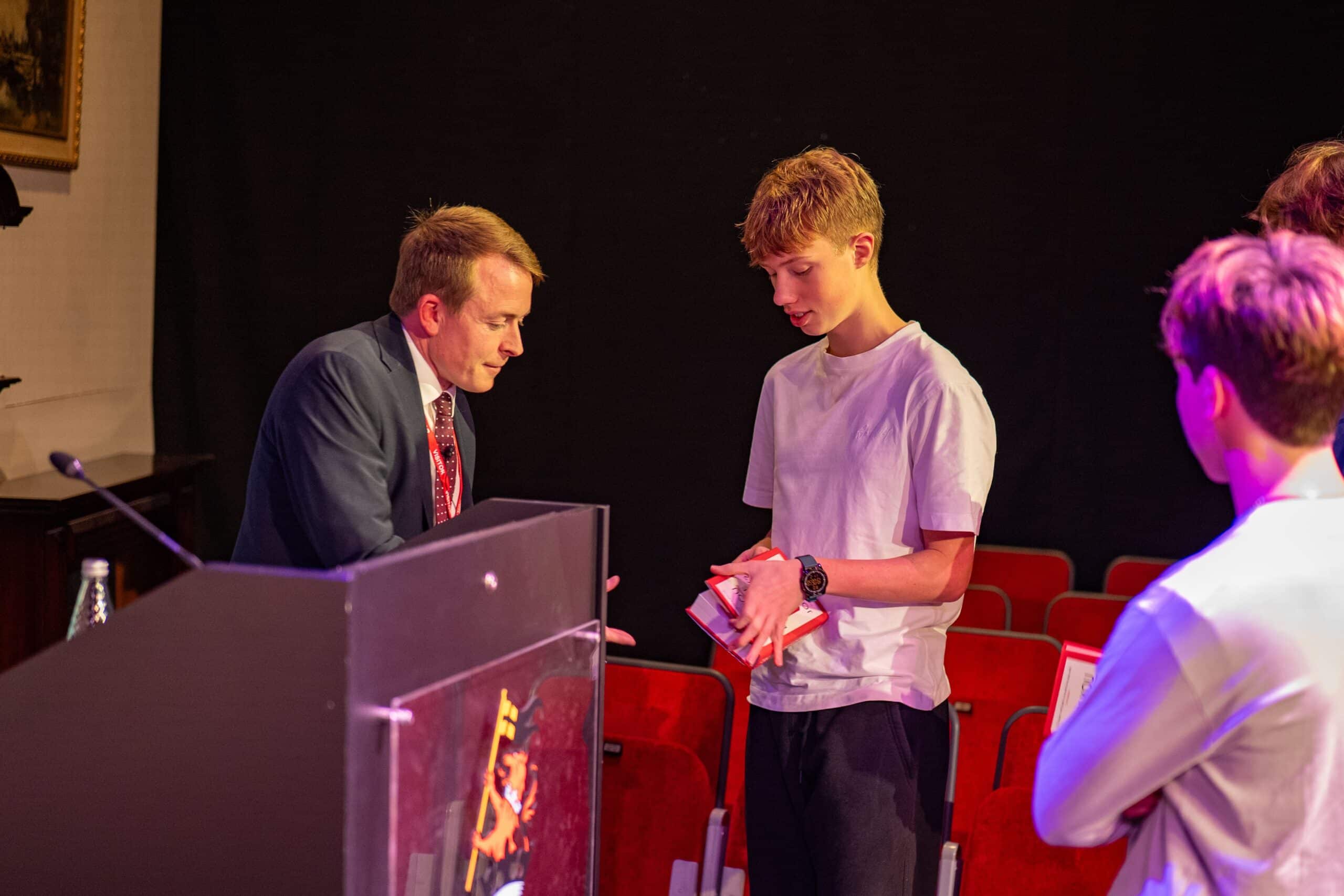
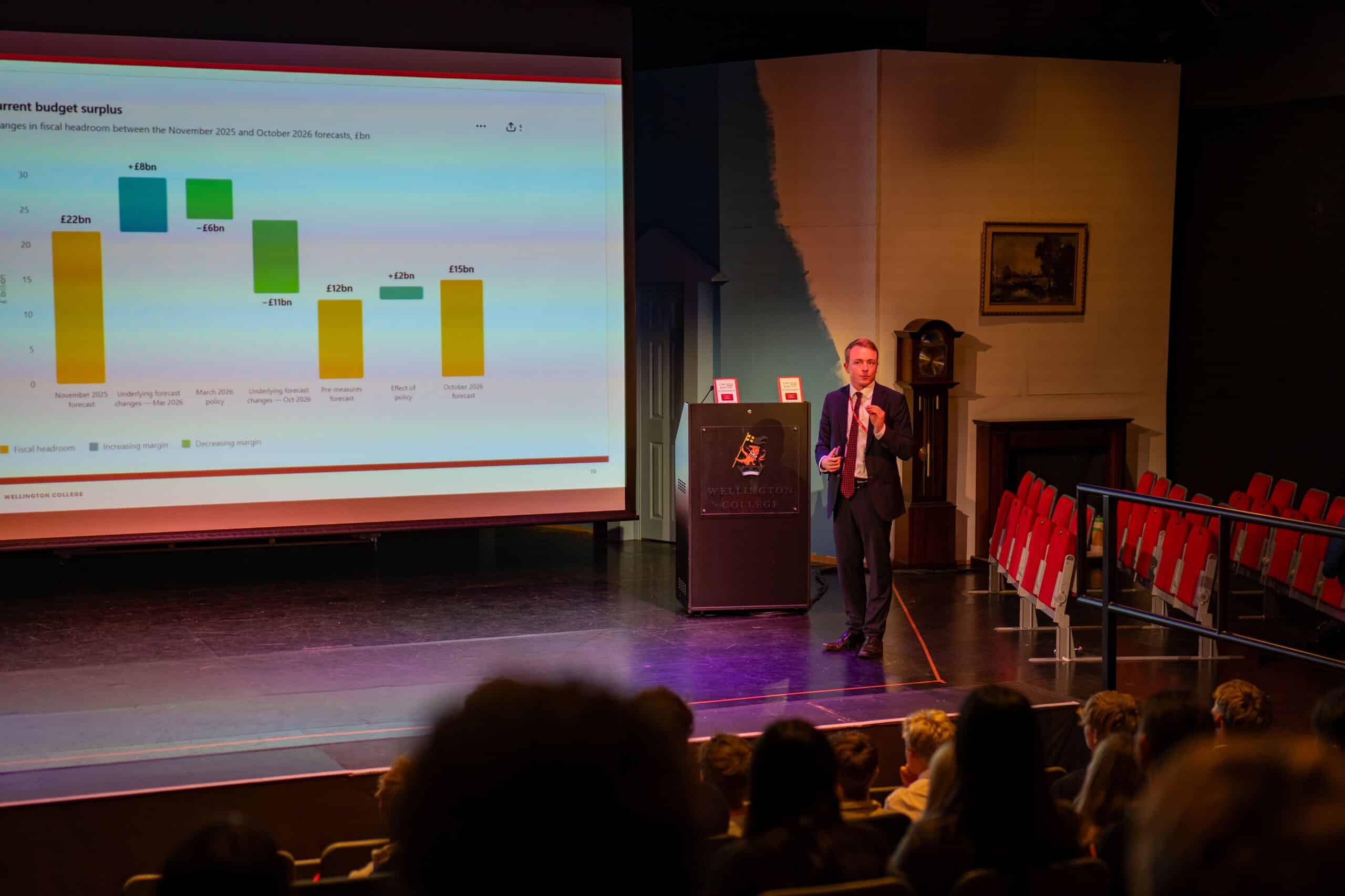
This week, we were delighted to welcome Joe Mayes, Bloomberg’s Treasury reporter and bestselling author of ‘Can You Run the Economy?’ as our latest Academic in Residence
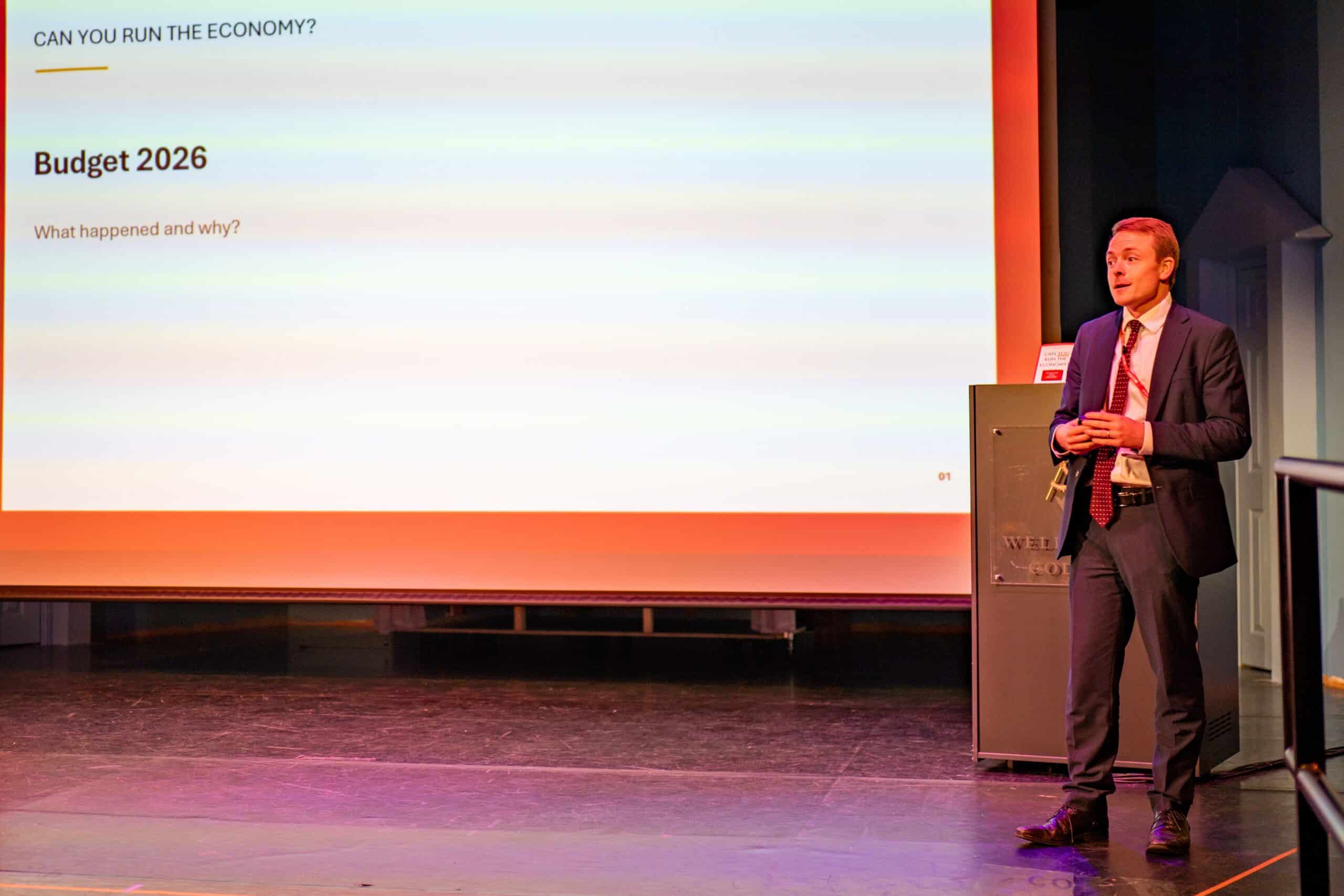
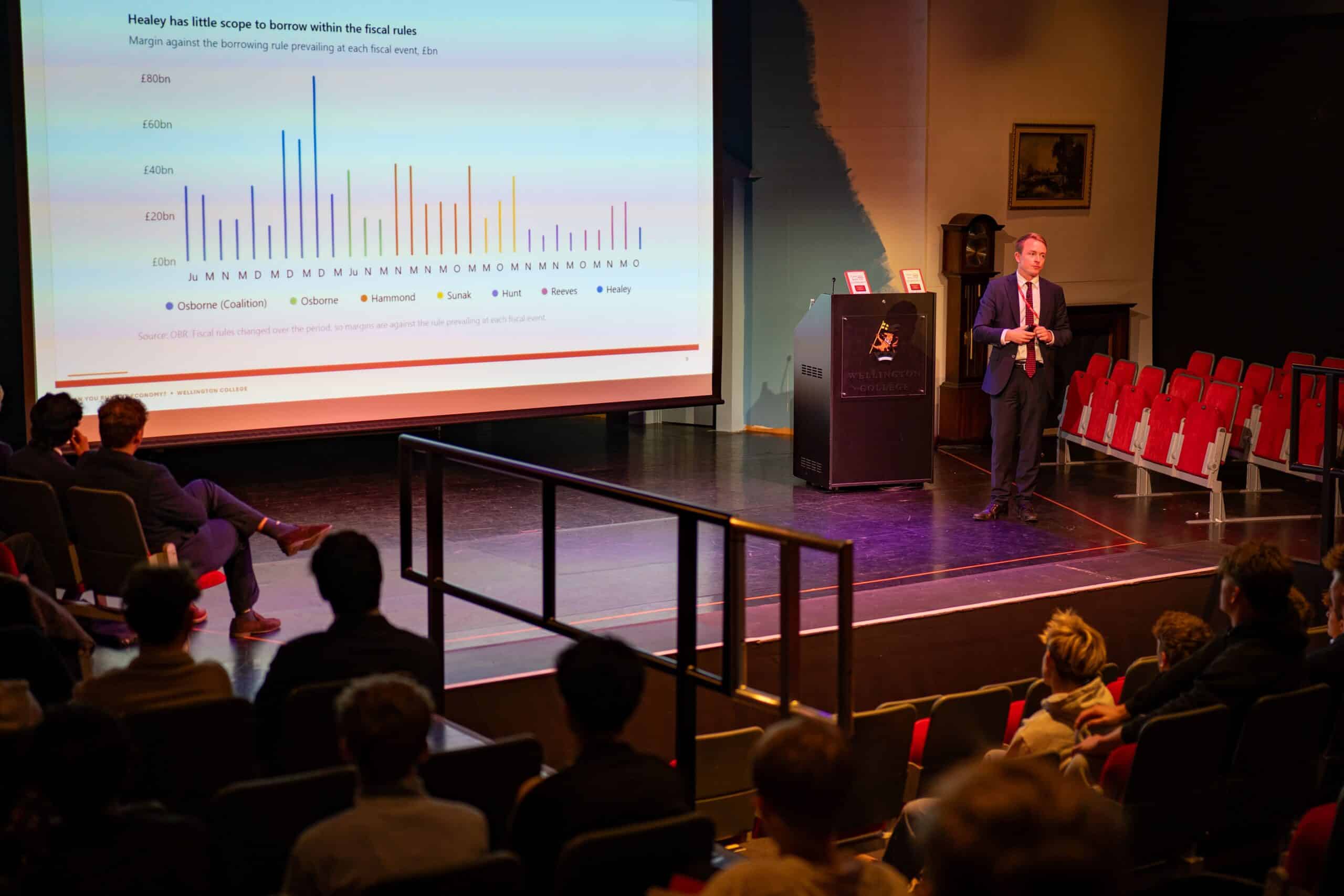
Monday evening’s Fireside Talk began with an in-depth analysis of last week’s UK Budget, exploring the difficult choices facing the Chancellor. With government debt approaching 100% of GDP, rising borrowing costs and just £15 billion of fiscal headroom, Joe revealed just how little room there is for manoeuvre. From rising energy bills to the competing pressures of welfare, defence and economic growth, pupils discovered why seemingly straightforward political promises can be extraordinarily difficult to deliver.
Drawing on fascinating behind-the-scenes conversations with former Chancellors and leading political figures, Joe offered a rare insight into the realities of governing. Jeremy Hunt had shared the challenge of balancing short-term political pressures with long-term investment, while Rachel Reeves described the delicate task of satisfying three competing audiences: the public, Parliament and financial markets. Norman Lamont, meanwhile, reflected on the courage required to make unpopular decisions whose benefits may only become clear years later.
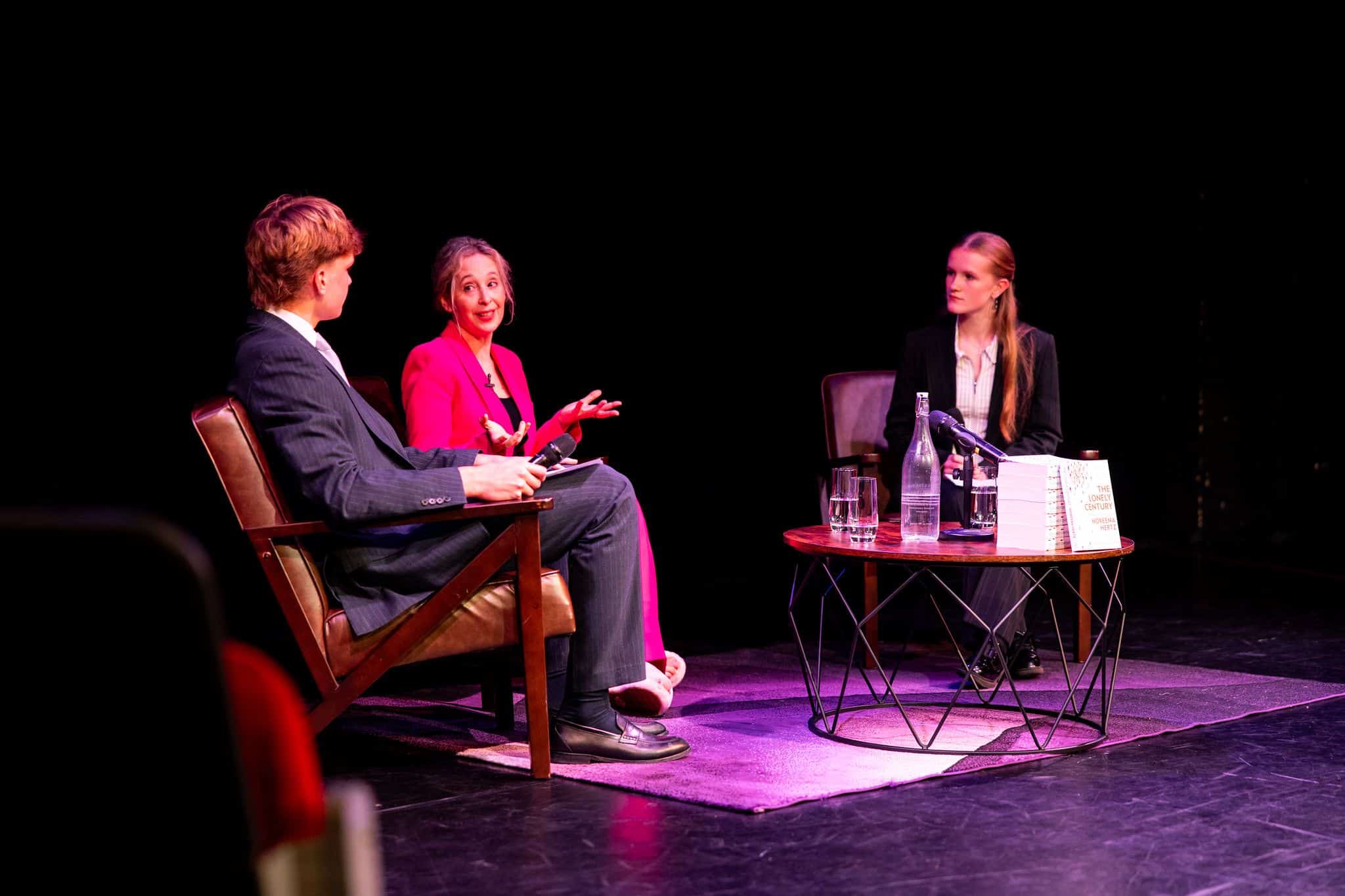
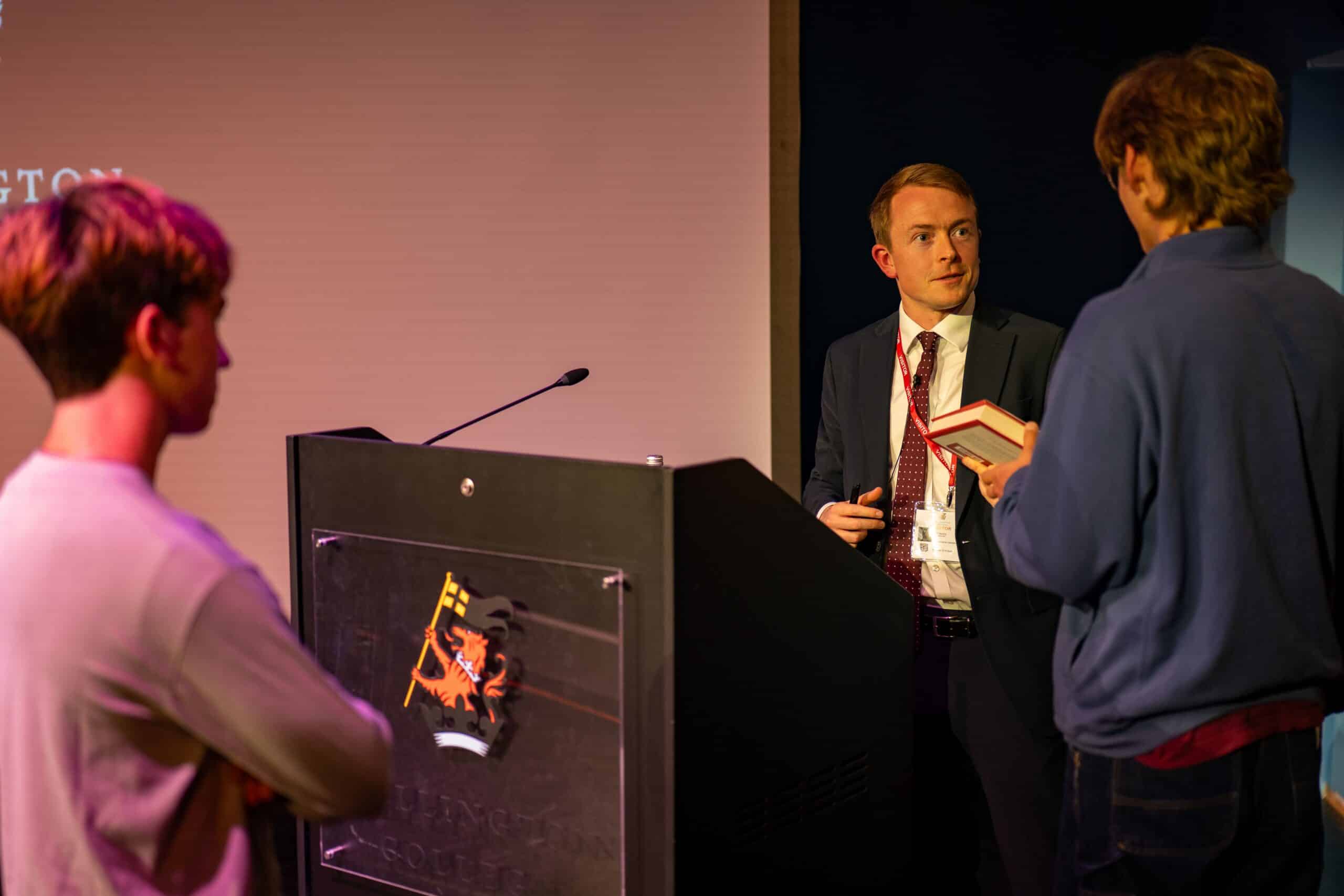
A particular highlight of the evening was the outstanding pupil-led Q&A, with a constant stream of thoughtful, challenging questions. Pupils pressed Joe on journalistic impartiality, the influence of institutions on government decisions, the case for rejoining the European Union, the impact of social media on politics and who might win the next general election. The breadth and sophistication of the questions, and the confidence with which pupils challenged and explored Joe’s responses, made for a wonderfully lively and stimulating discussion.
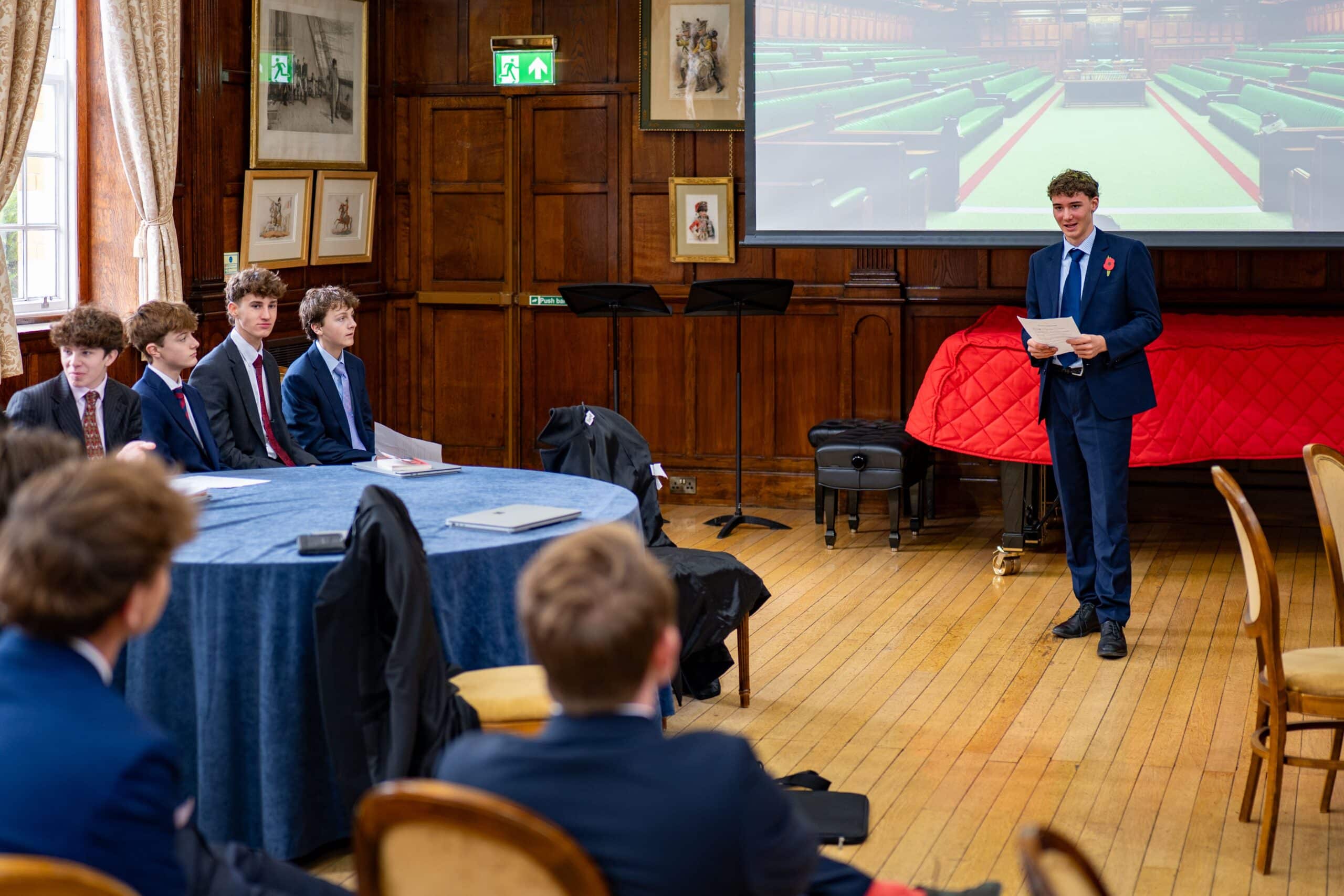
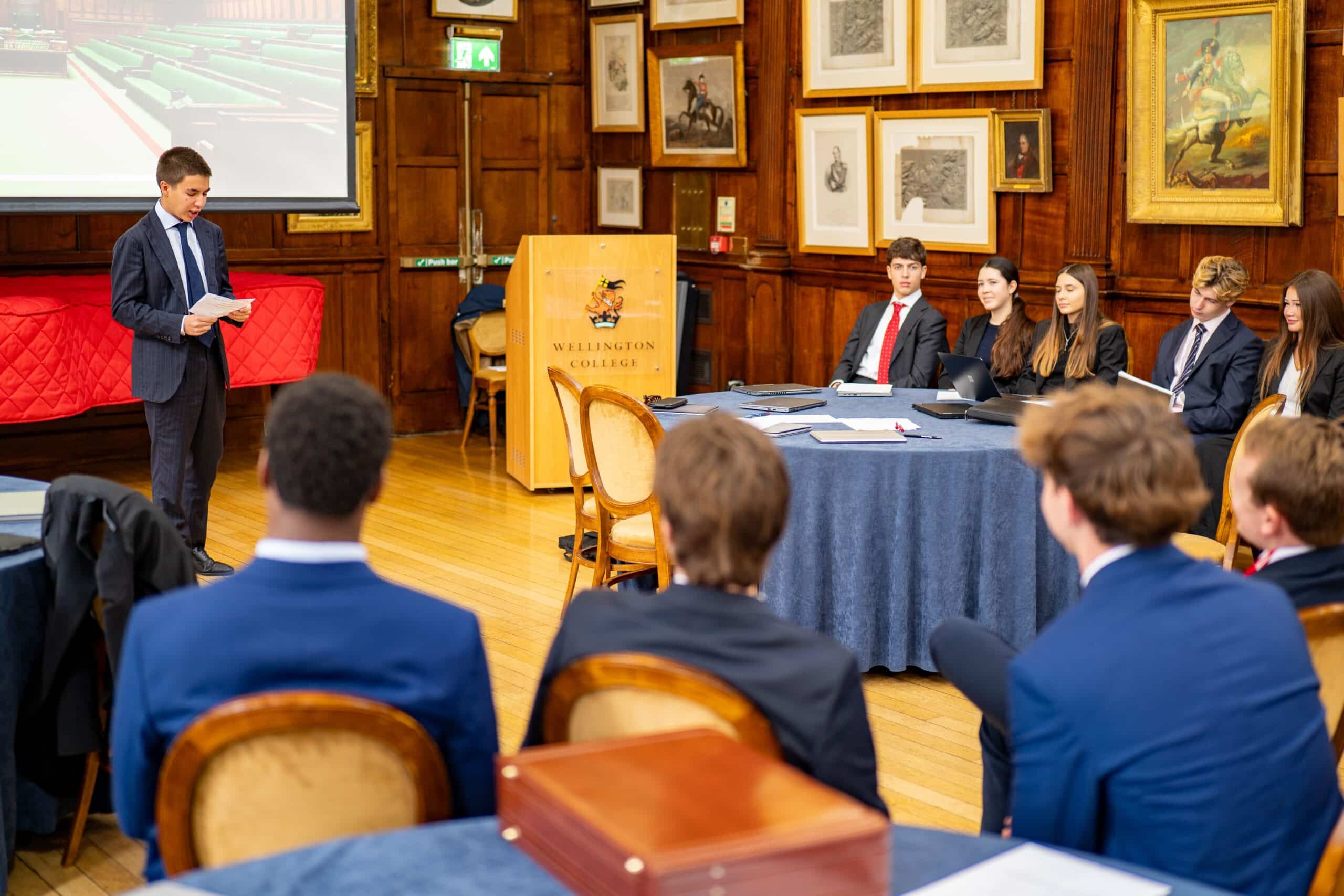
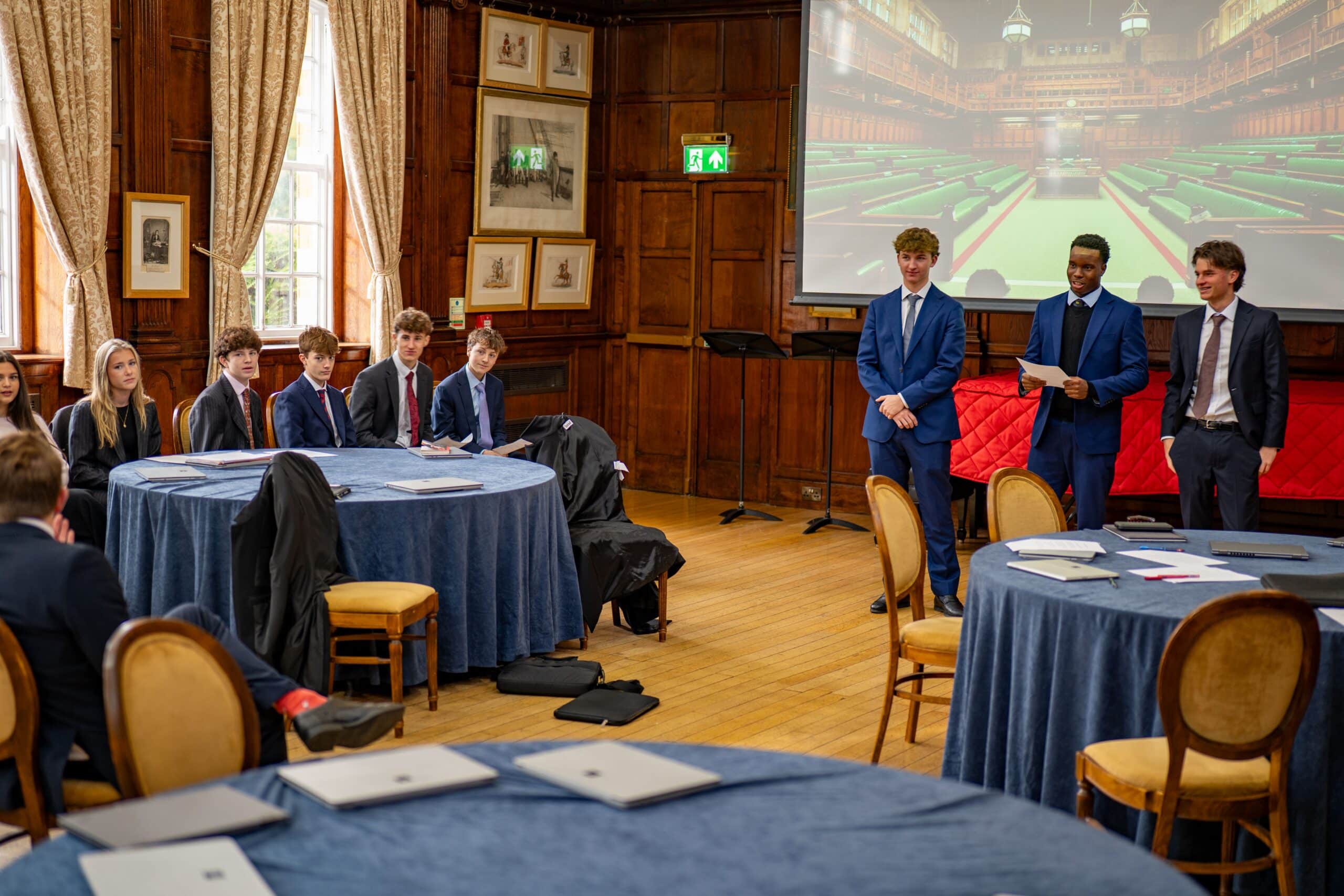
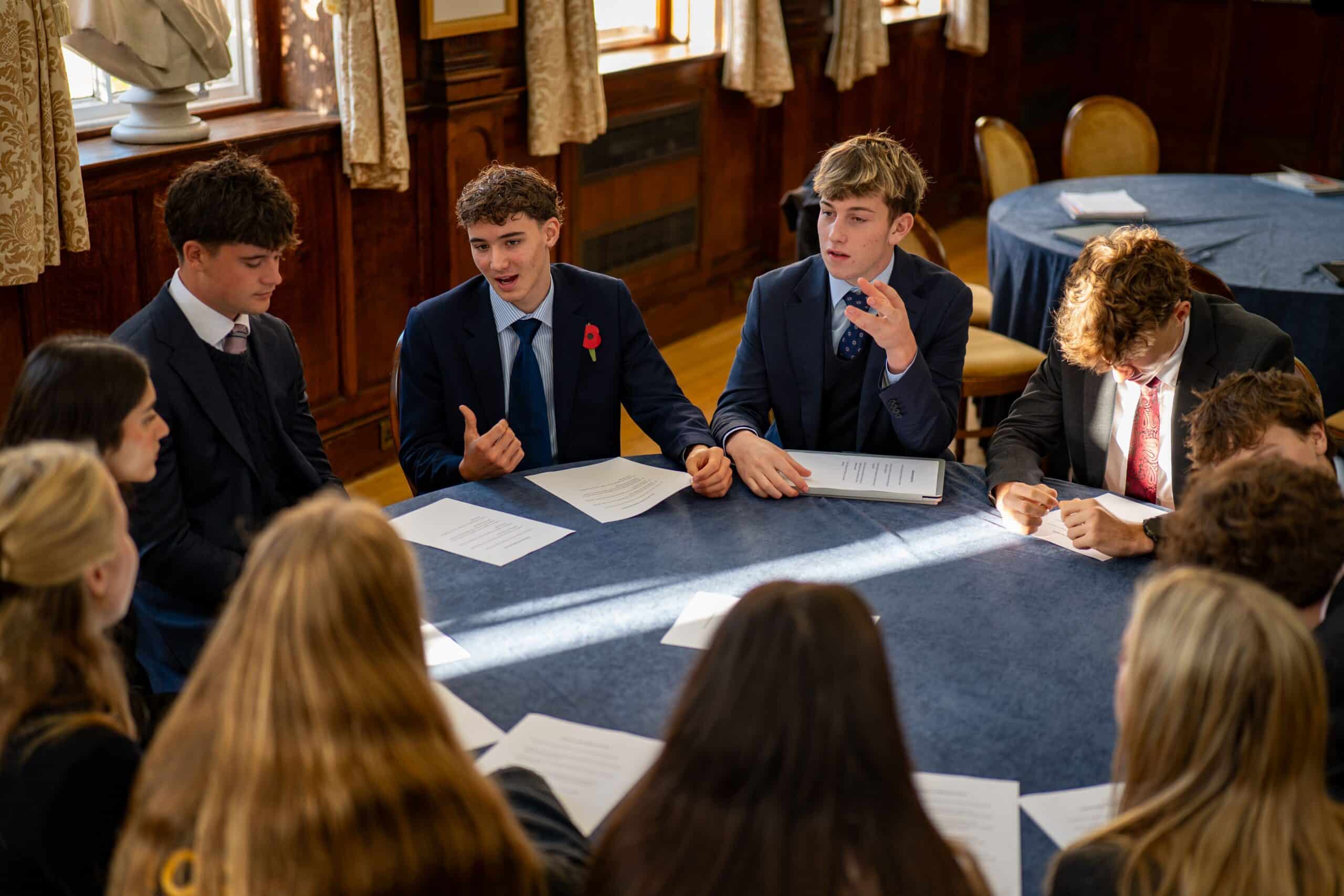
On Tuesday, the pupils took charge! Across six interactive simulations, Joe challenged groups of pupils to take on the roles of Chancellor, Government and Opposition, putting their economic understanding, political judgement and debating skills to the test.
Should banks face higher taxes? How should the government respond to rising energy bills? Is it right to protect welfare spending while defence demands increase? And how much borrowing can the country really afford? With limited resources and no easy answers, pupils had to weigh competing priorities, construct convincing arguments, challenge opposing viewpoints and defend their decisions under pressure. They quickly discovered that running the economy is far easier to criticise than to do!
Above all, the residency captured the very best of our Academic in Residence Programme: inspiring intellectual curiosity, encouraging pupils to challenge assumptions and grapple with complex real-world problems, and developing the critical thinking, ethical judgement and confidence to engage with the world around them. A wonderful example of Human Flourishing in action, brought to life by the enthusiasm, curiosity and outstanding engagement of our pupils.

Prev article
Next article